
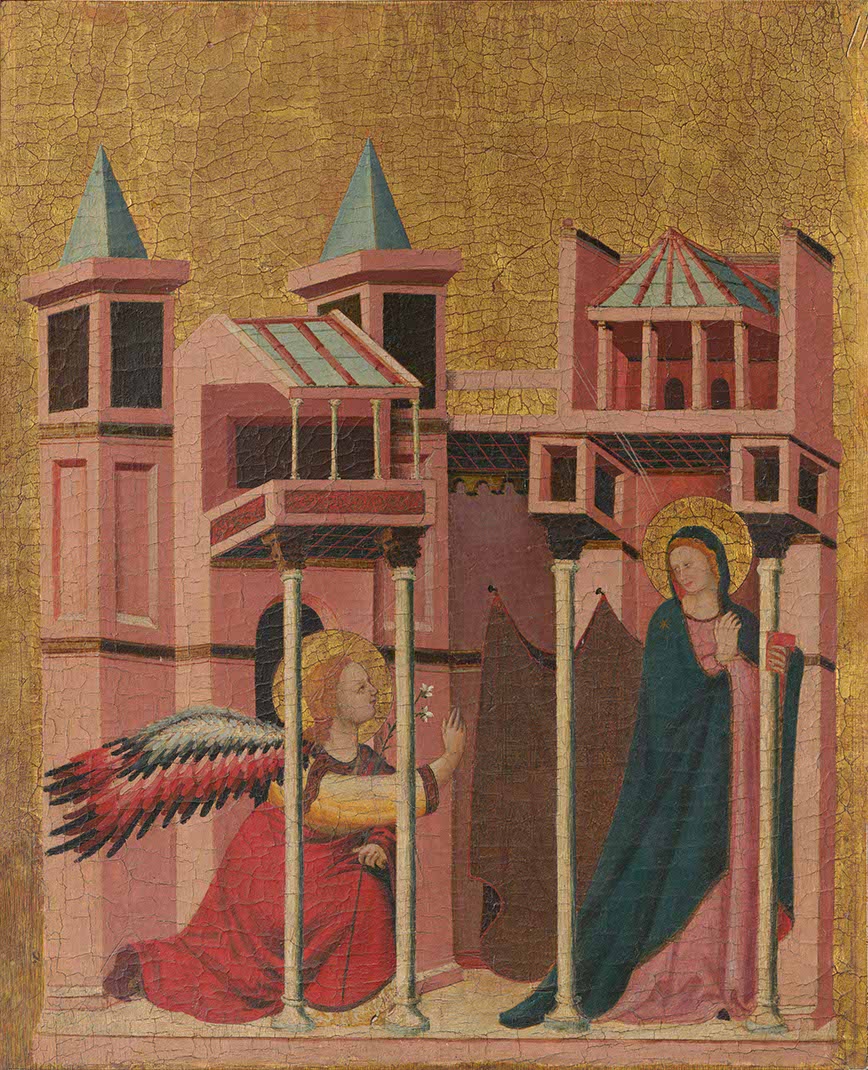
Museum Neoseries, numbered and certified, increase in price by 10% with each unit sold. Always produced on demand, their value lies in the experience of beauty itself. In this way, they are granted an induced revaluation, creating a market in which price is closely linked to demand. Thus, the value of each piece becomes tied to its social acceptance, guiding its commercial development and preventing hasty trivialization.
- No.1 – private collection, Barcelona
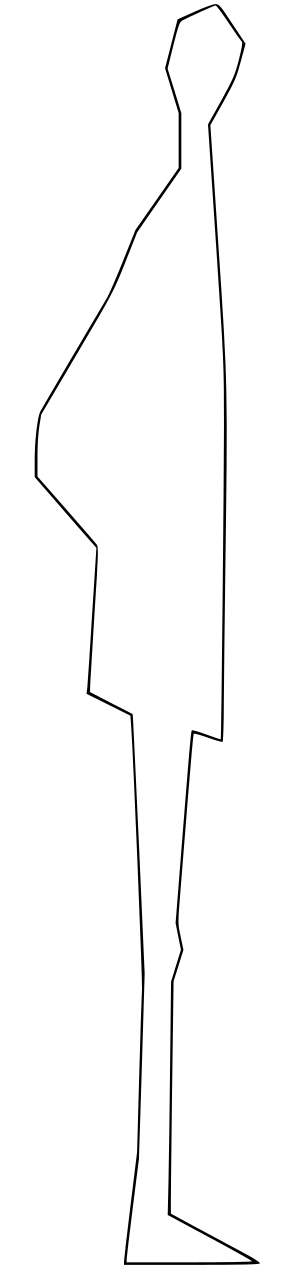
 40.6 cm / 15.98"
Most of our editions are printed on paper and designed to travel safely and efficiently. For this reason—and because trusted framers can be found almost anywhere—we recommend framing locally. These guidelines will help you achieve the best result:
Without glass, whenever possible
Many original works are displayed without glass. To preserve the same aesthetic and presence, we recommend doing the same. The result is more natural, glare-free, and visually striking.
Mounting on rigid backing (PVC)
Ask your framer to mount the artwork onto a rigid backing. PVC is lightweight, stable, and helps prevent warping over time. It’s also essential if you choose to frame without glass.
Conservation and materials
Always use acid-free materials
If you use glass, make sure it’s anti-glare and UV-protective
Our recommended alternative: museum-grade acrylic, lighter and safer
Our art editions are carefully rolled and shipped in custom-made tubes designed to ensure safe transport. We offer three tube sizes—70 cm, 90 cm, and 150 cm in height—all with a 12 cm diameter. Each tube weighs approximately 5 kg. Smaller-format editions are shipped flat in a rigid cardboard folder for added protection.
Every order includes a pair of handling gloves and a Welcome Pack featuring a Certificate of Authenticity, the artist’s biography, the edition number, and a unique registration code.
Delivery timelines:
Unframed artworks: Delivery in 15 to 20 business days
Framed artworks: Delivery in 20 to 25 business days
Shipping rates:
Spain: Free delivery
Europe: €9.95 (standard) / €19.95 (express)
USA & Rest of World: Please contact us for a shipping quote
Museum Neoseries, numbered and certified, increase in price by 10% with each unit sold. Always produced on demand, their value lies in the experience of beauty itself. In this way, they are granted an induced revaluation, creating a market in which price is closely linked to demand. Thus, the value of each piece becomes tied to its social acceptance, guiding its commercial development and preventing hasty trivialization.
- No.1 – private collection, Barcelona
40.6 cm / 15.98"
Most of our editions are printed on paper and designed to travel safely and efficiently. For this reason—and because trusted framers can be found almost anywhere—we recommend framing locally. These guidelines will help you achieve the best result:
Without glass, whenever possible
Many original works are displayed without glass. To preserve the same aesthetic and presence, we recommend doing the same. The result is more natural, glare-free, and visually striking.
Mounting on rigid backing (PVC)
Ask your framer to mount the artwork onto a rigid backing. PVC is lightweight, stable, and helps prevent warping over time. It’s also essential if you choose to frame without glass.
Conservation and materials
Always use acid-free materials
If you use glass, make sure it’s anti-glare and UV-protective
Our recommended alternative: museum-grade acrylic, lighter and safer
Our art editions are carefully rolled and shipped in custom-made tubes designed to ensure safe transport. We offer three tube sizes—70 cm, 90 cm, and 150 cm in height—all with a 12 cm diameter. Each tube weighs approximately 5 kg. Smaller-format editions are shipped flat in a rigid cardboard folder for added protection.
Every order includes a pair of handling gloves and a Welcome Pack featuring a Certificate of Authenticity, the artist’s biography, the edition number, and a unique registration code.
Delivery timelines:
Unframed artworks: Delivery in 15 to 20 business days
Framed artworks: Delivery in 20 to 25 business days
Shipping rates:
Spain: Free delivery
Europe: €9.95 (standard) / €19.95 (express)
USA & Rest of World: Please contact us for a shipping quote
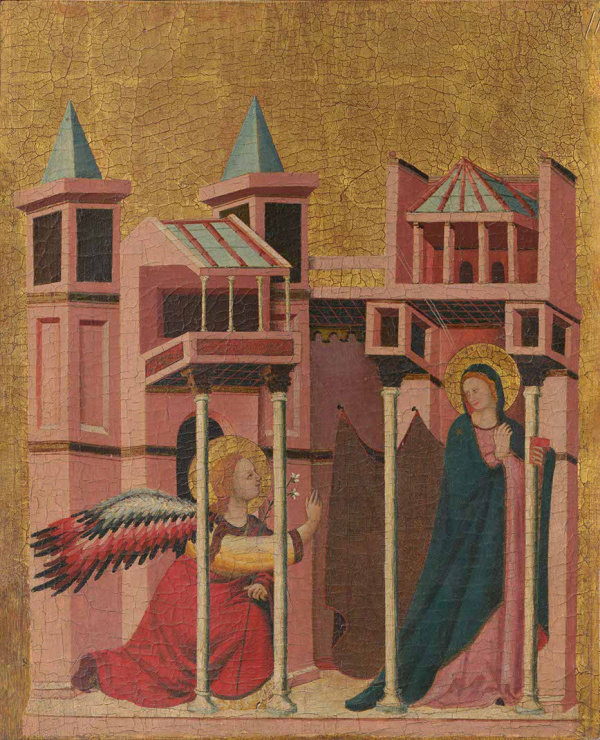
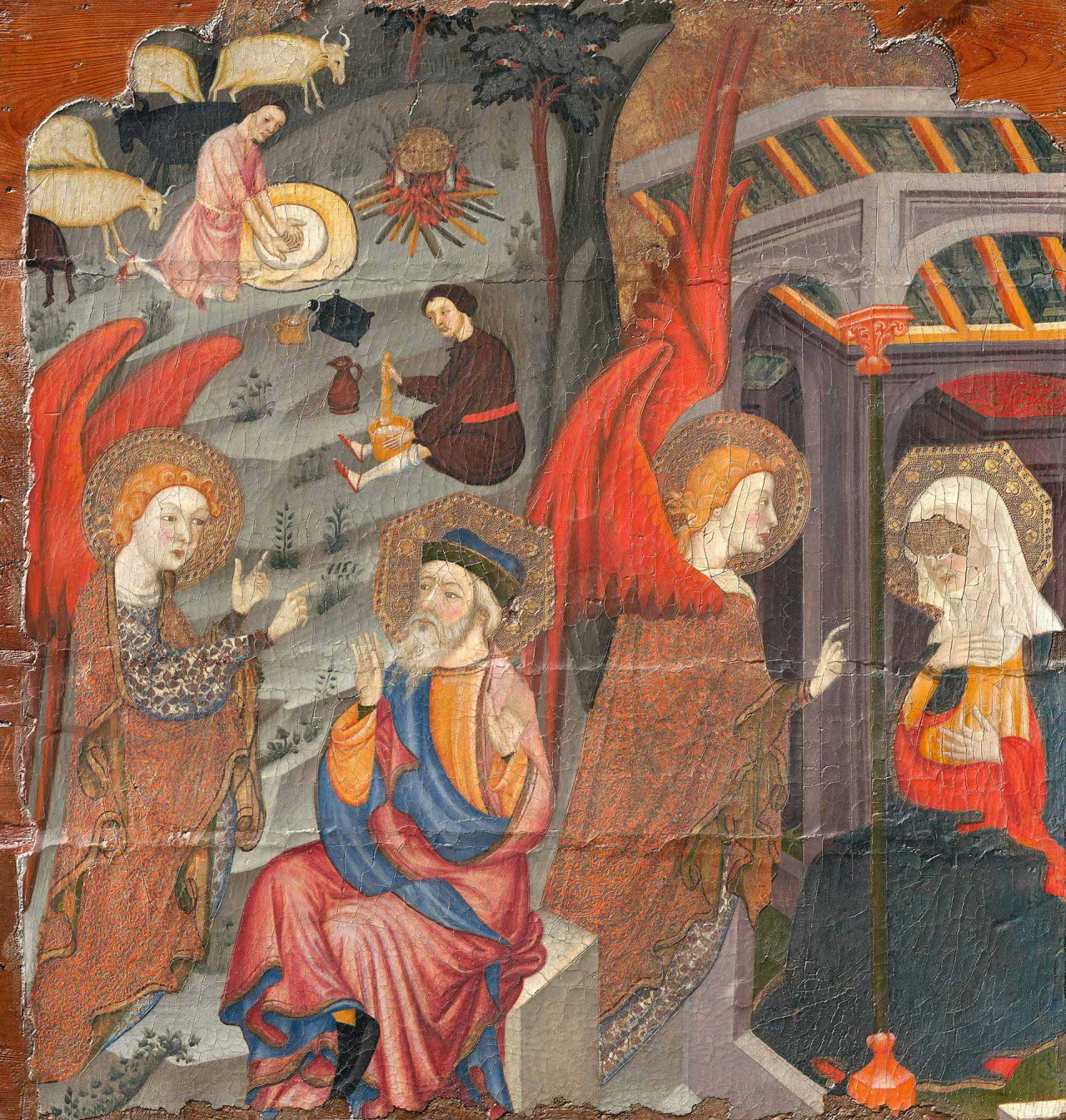
Anunciación
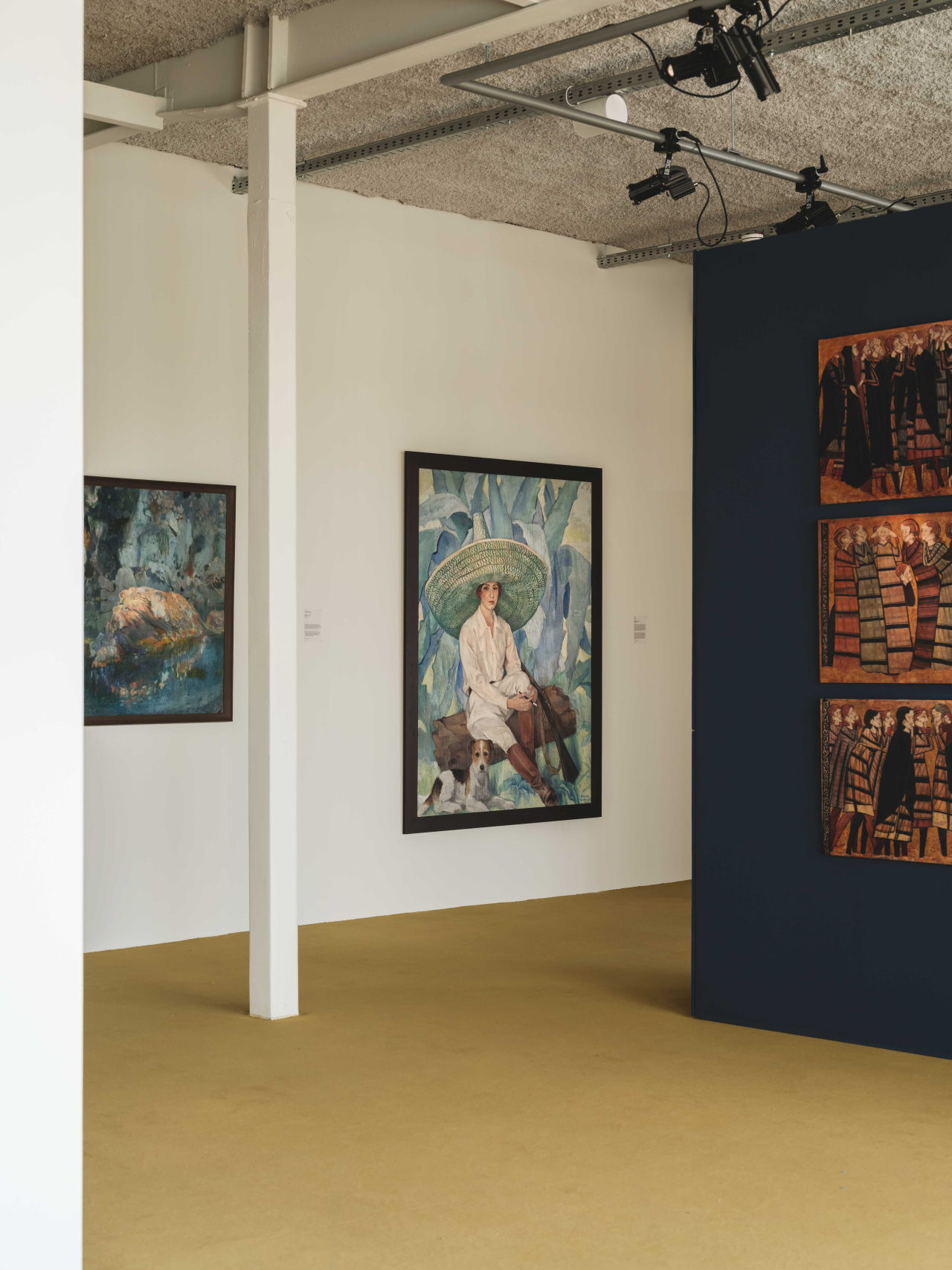
Museu Nacional d’Art de Catalunya
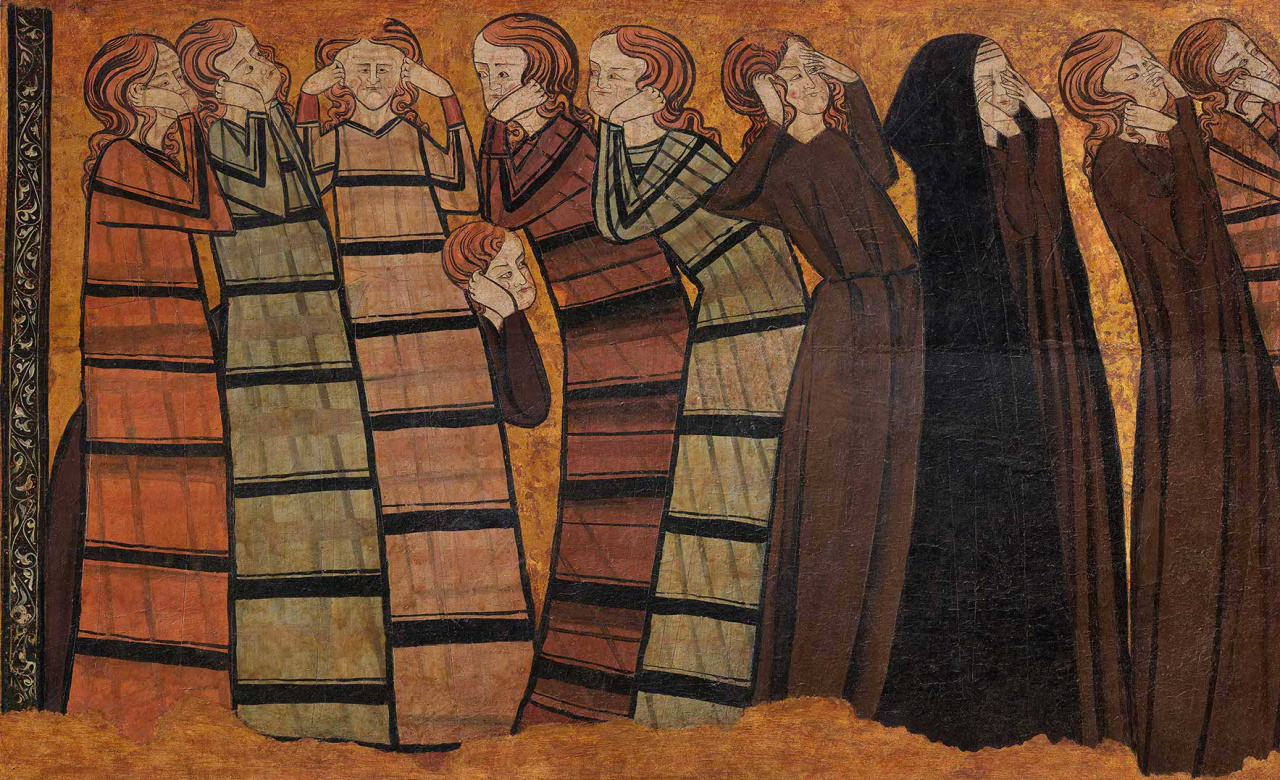
Pleurants I
Artista Anónimo, c. 1295
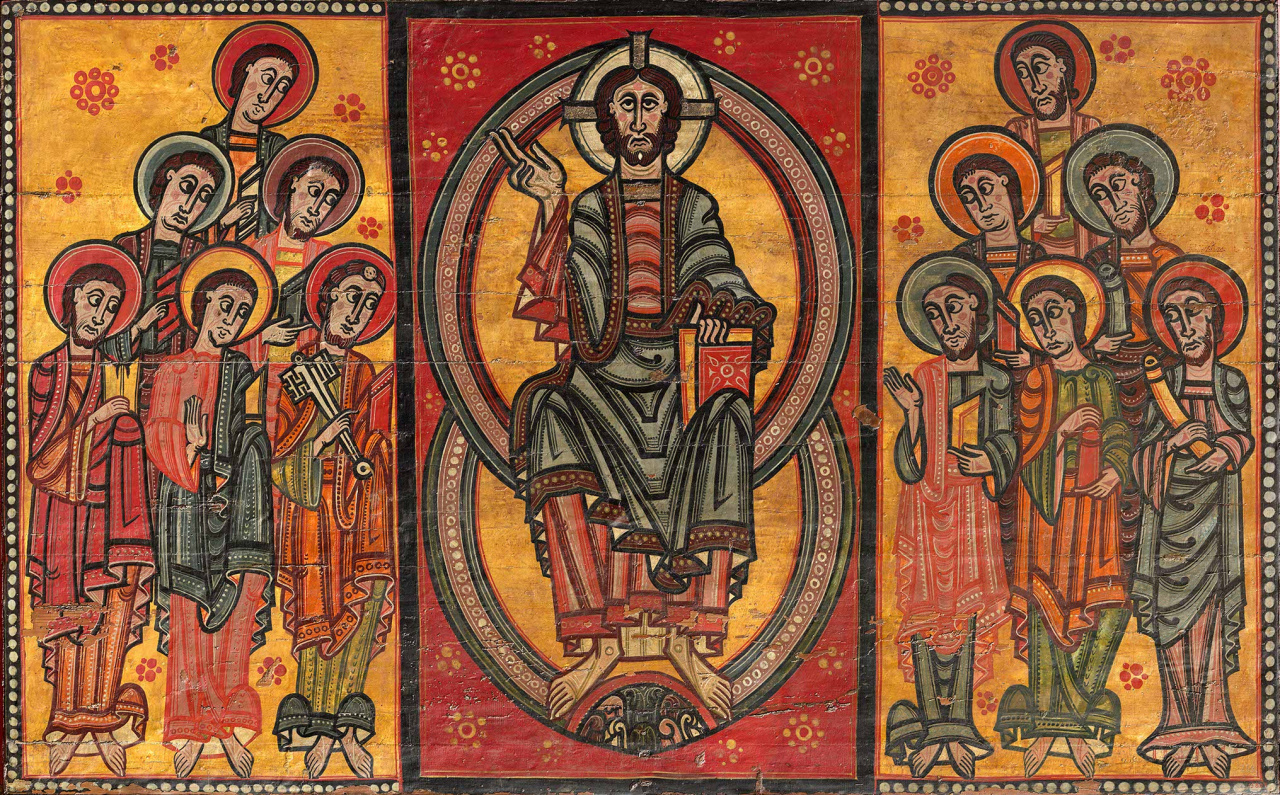
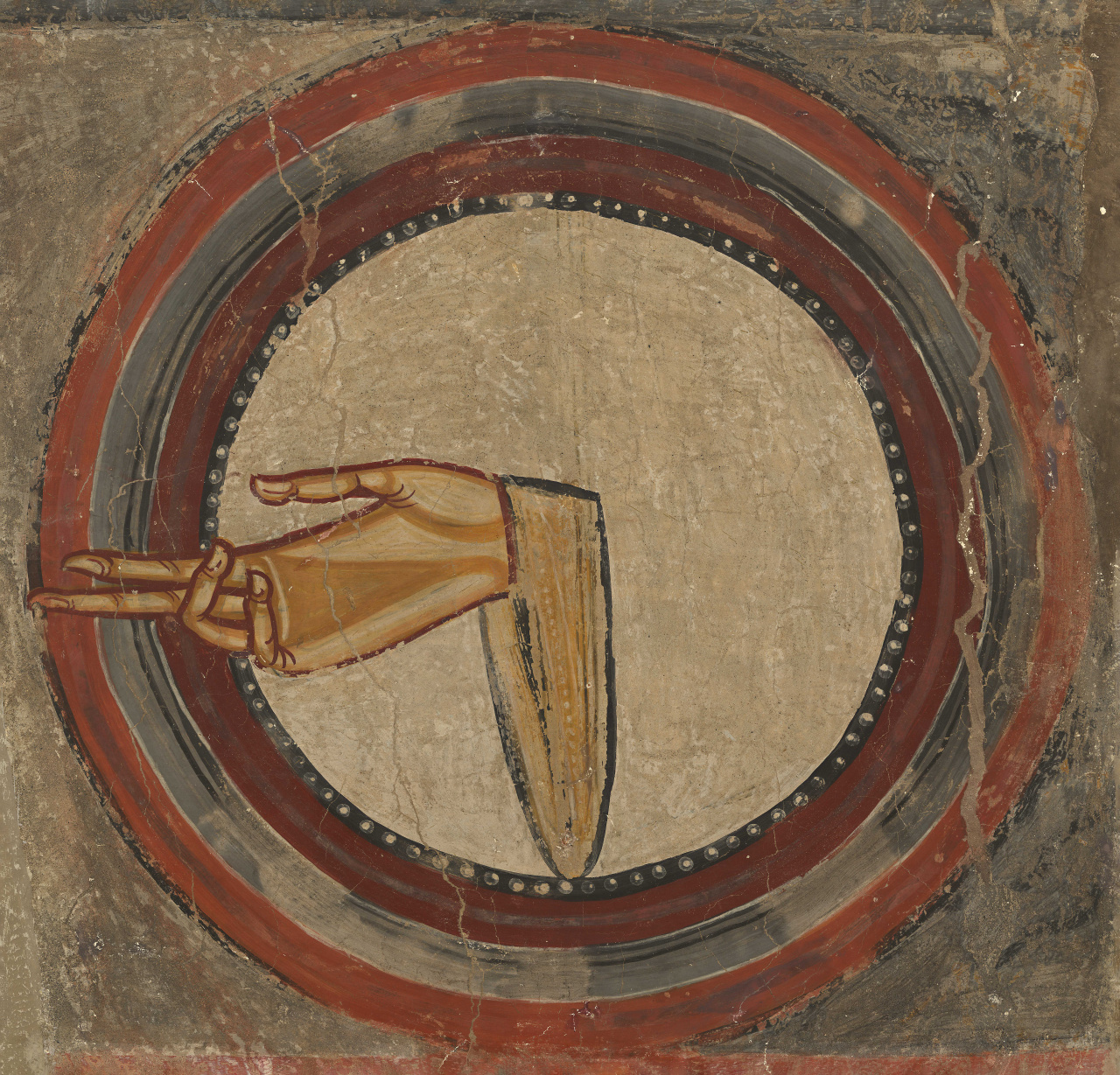
Fragment of the head of the Burgal
Maestro de Pedret, Siglo XI-XII
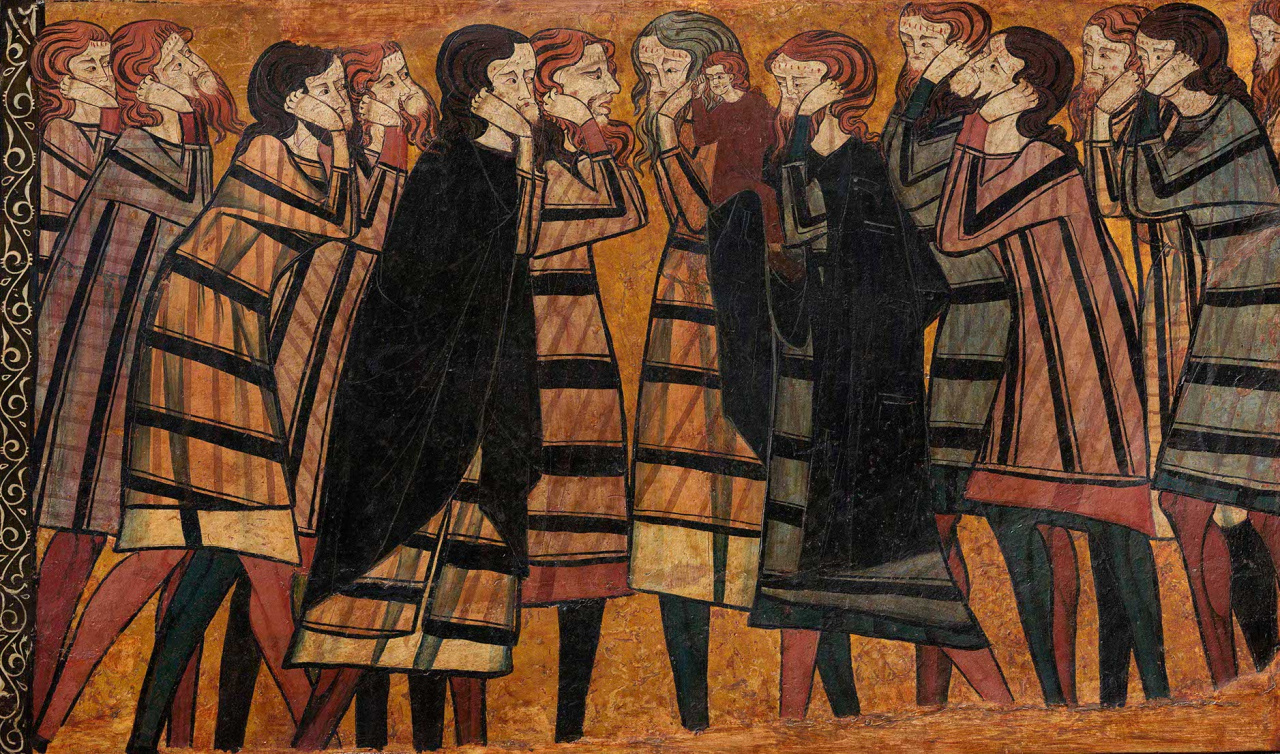
Pleurants II
Artista Anónimo, c. 1295
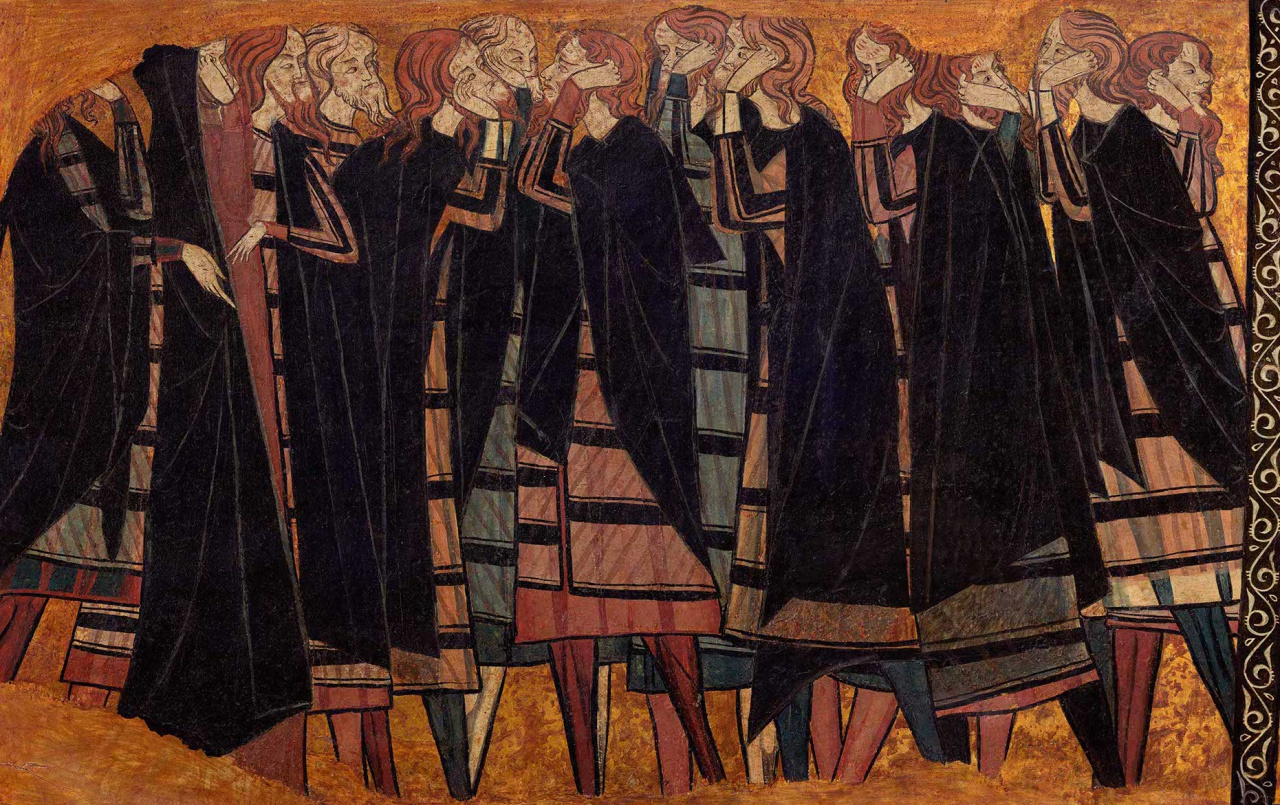
Pleurants III
Artista Anónimo, c. 1295
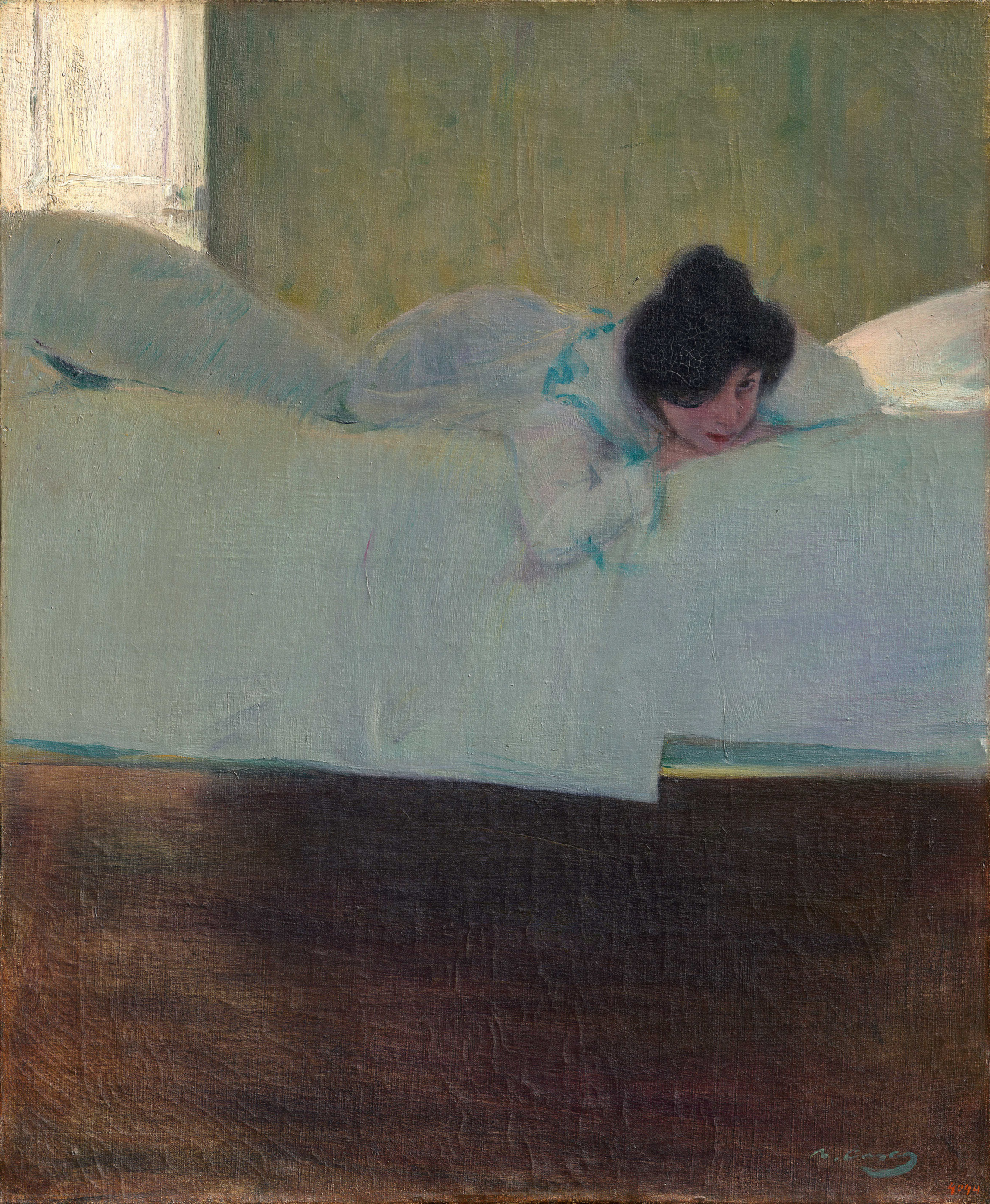
Idle Hours
Ramón Casas, 1898 – 1900
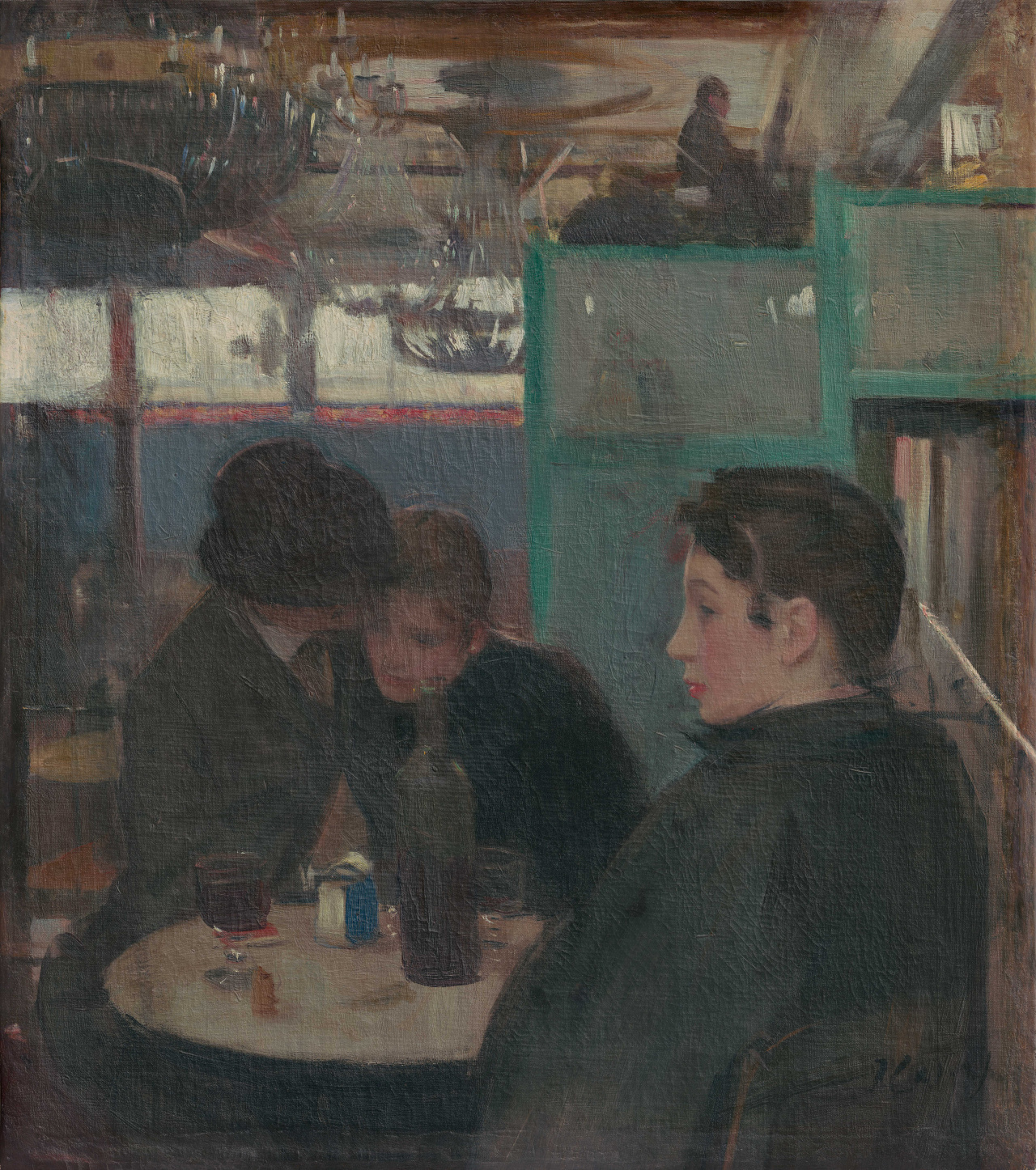
Moulin de la Galette Interior
Ramón Casas, 1890 – 1891
see all collections
A curatorial filter where every object is a point of view.