Maruyama
Takamitsu Kitahara named his Tokyo studio CLOCK — not after the object, but after the gene that governs our biological rhythms. The name says something about how he approaches space: as something you feel before you see, that aligns you to a place rather than impresses itself upon you.
Takamitsu Kitahara named his Tokyo studio CLOCK — not after the object, but after the gene that governs our biological rhythms. The name says something about how he approaches space: as something you feel before you see, that aligns you to a place rather than impresses itself upon you.
His restaurant Maruyama occupies the main floor of K5, a former bank building converted into a hotel. We spoke with him about the project, about the Sexta pendant that presides over the room, and about what connects the Japanese understanding of atmosphere with the philosophy behind Santa & Cole.
Could you tell us about your first encounter with Santa & Cole?
I believe it was when I first saw the Gira at The Conran Shop.
My first impression was that, while being minimal in design, it also had a high level of functionality. Its slightly tilted posture gave it a sense of beauty and charm. It felt almost like an object with its own personality, and I was drawn to the way it subtly evoked different emotions from multiple perspectives.
We see that you have used various Santa & Cole products in some of your projects. What do you find particularly inspiring about our catalog which leads you to select pieces from our collection?
What I find most compelling about Santa & Cole’s collection is that, although it brings together works by many different designers, the collection feels carefully curated around a shared philosophy.
The designs are simple, yet there is always a subtle twist. There is also a sense of playfulness in the way materials are combined. And while they are naturally beautiful when illuminated, they also have a strong presence as objects in daylight.
They can become an accent within a space while at the same time bringing the whole environment into harmony. It is this balance that often leads me to choose Santa & Cole across different projects.
Do you believe there may be a connection between Japanese design and Santa & Cole’s philosophy?
I feel that Santa & Cole’s designs embody a philosophy that values not only the object itself, but also the relationship between people and the spaces they inhabit.
When I think about Japanese spaces, I often imagine the grounds of a jinja (shrine). There, no single element takes centre stage; rather, light, wind, trees, and people interact with one another, creating the atmosphere and experience of the entire space.
I find a sense of Japanese aesthetics in this idea that “a space is created through the relationships between its elements.” I believe this approach of valuing connections and interactions deeply overlaps with Santa & Cole’s own philosophy.
At Maruyama, what were you hoping to convey with the Sexta pendant lamp and how did this fit within the general concept of the project?
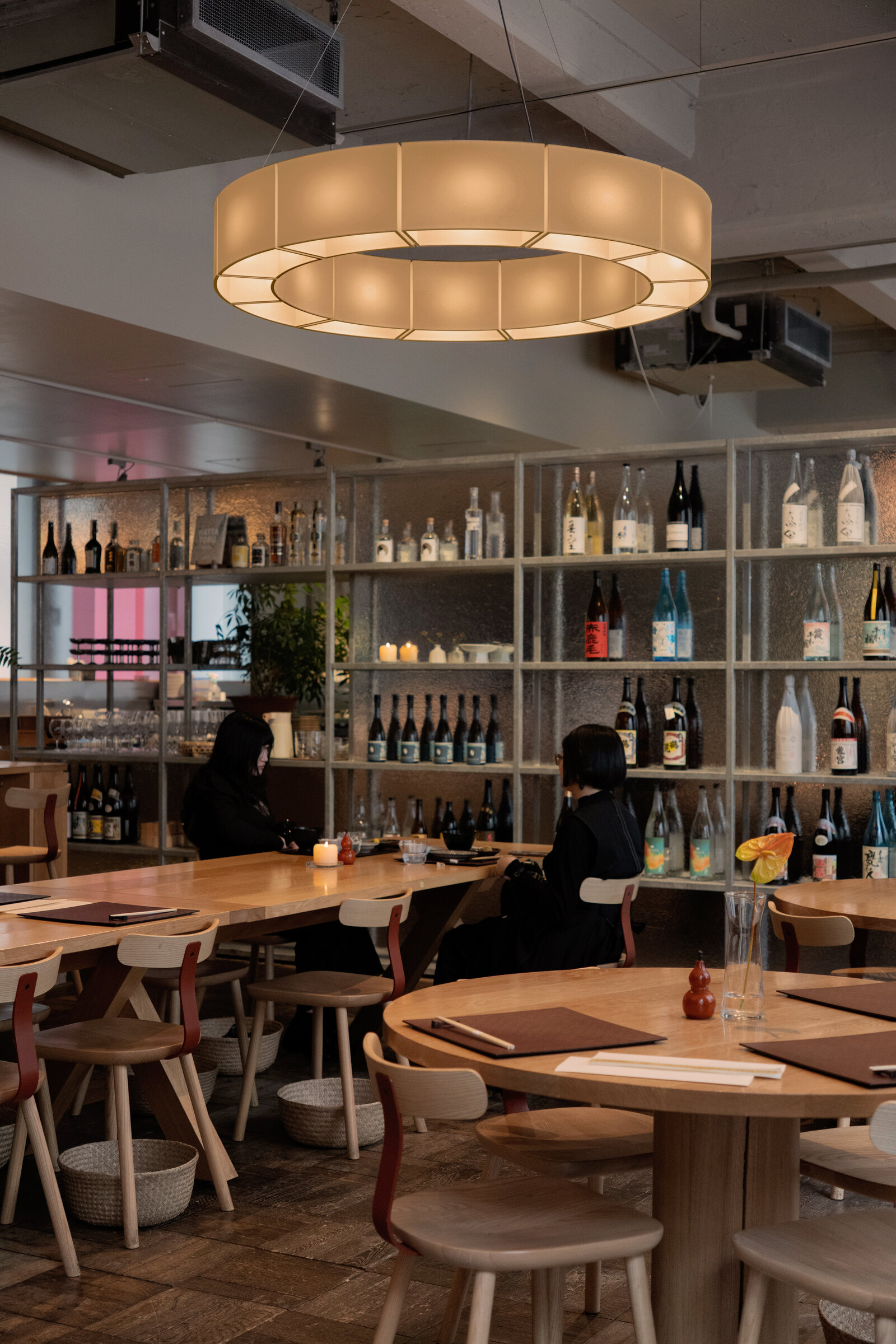
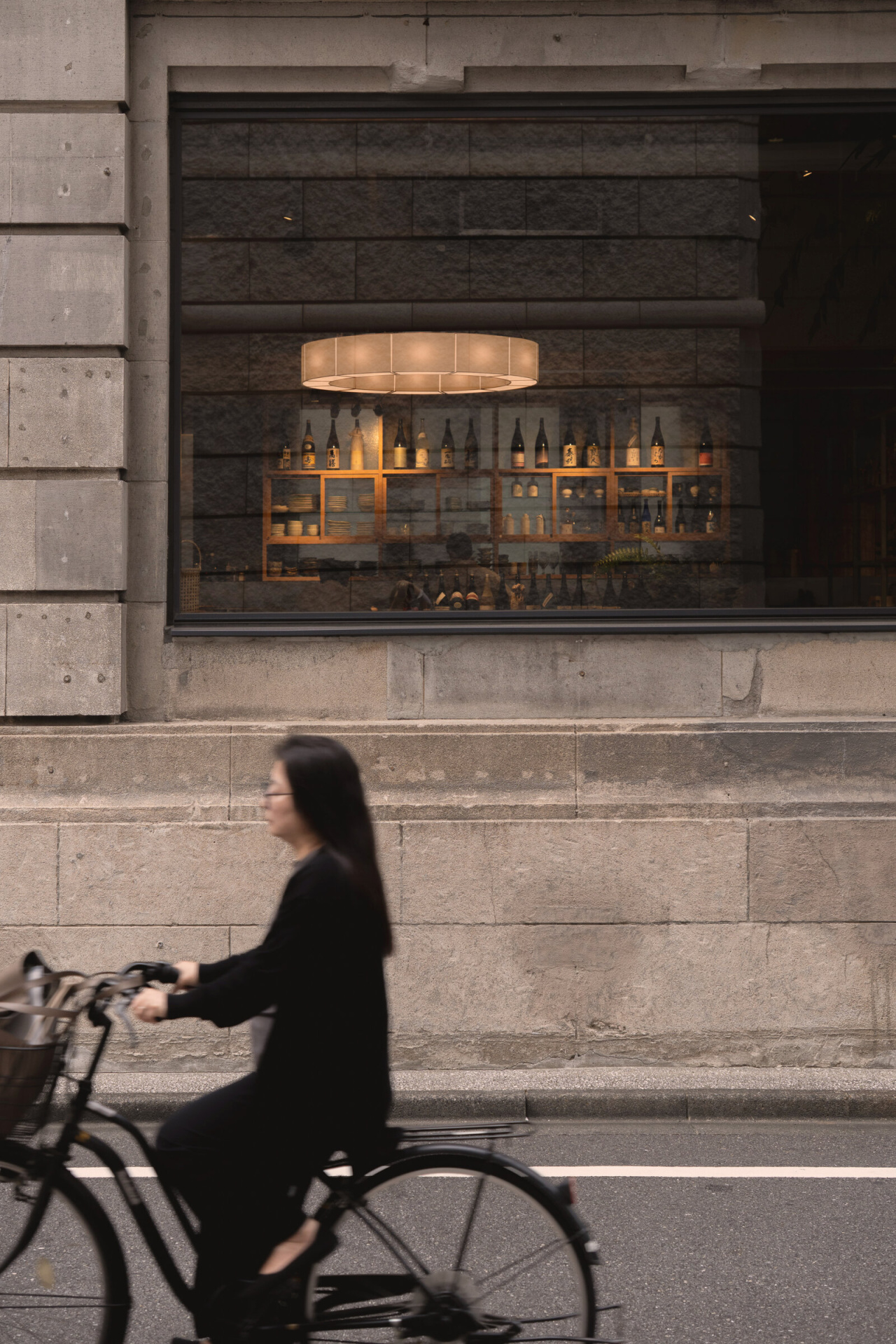
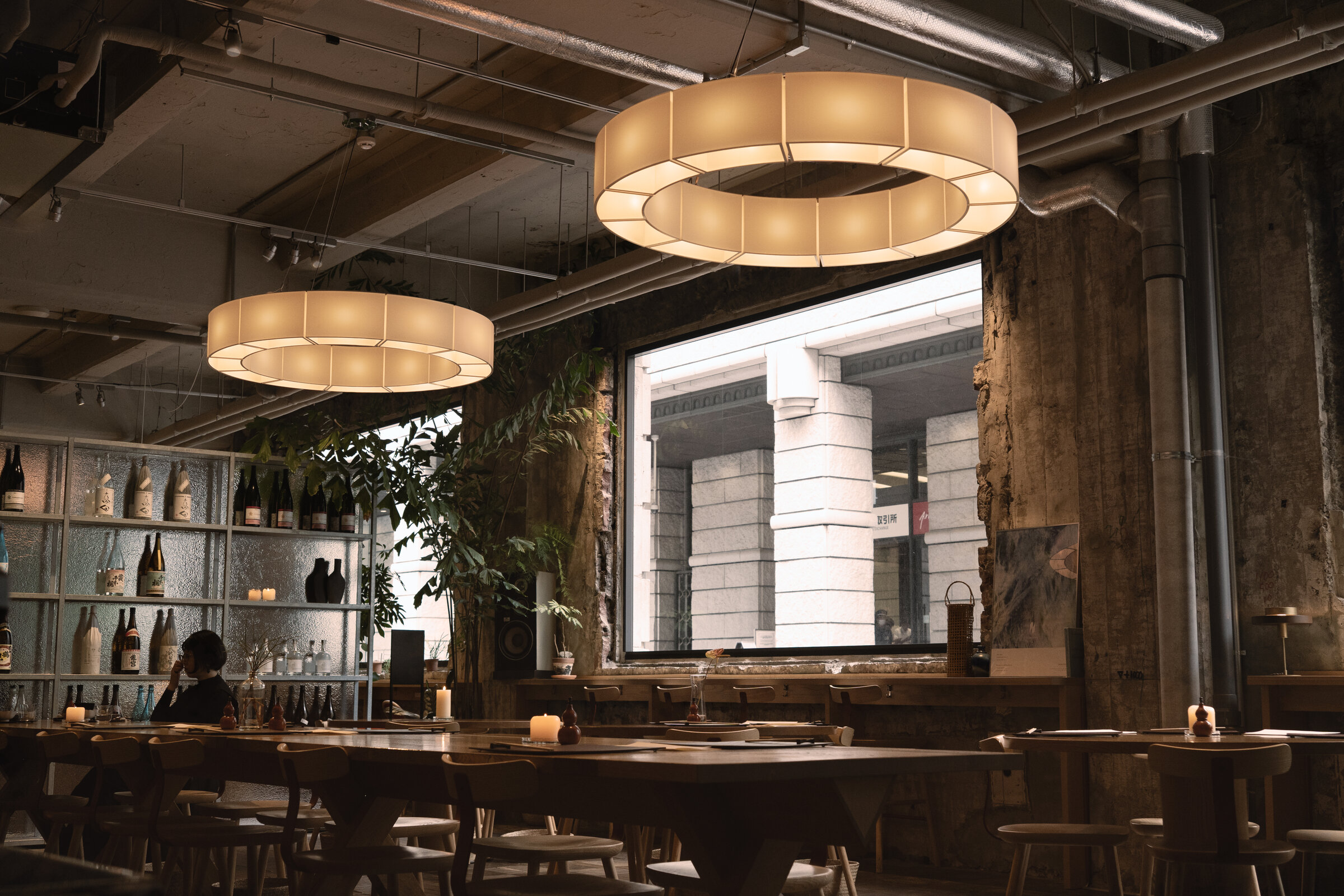
Maruyama is the main restaurant of K5, a hotel created through the conversion of a historic bank building. In contrast to the classical atmosphere of the architecture, we introduced contemporary interpretations of Japanese elements, such as Japanese-style spatial arrangements and textured stainless steel finishes inspired by silver folding screens.
Within this setting, we envisioned Sexta as a central presence that would symbolize the entire space, gently bringing it all together.
While it has the presence of a classical chandelier, its form also evokes the feeling of a traditional Japanese andon lantern. I felt that its character naturally connected the different elements within the space: the history of the architecture and contemporary materials, as well as Western and Japanese aesthetics.
When entering the space, Sexta establishes the overall impression. Then, as cuisine, music, and the movement of people gradually come together, the complete experience of the space unfolds over time. This was the flow we wanted to create.
Do you own any Santa & Cole products in your home or studio?
Yes. At home, I use the Cesita Batería and Básica Mínima Batería table lamps.
Cestita can be enjoyed as an object even during the daytime, while Básica Mínima is a piece that I naturally reach for in the evening.
I enjoy moving them around and experiencing them in different places within my daily life. Sometimes I change their position depending on my mood, but after a while I find myself thinking, “perhaps it was better where it was before,” and I move it back again.
Is there a Santa & Cole designer who has particularly influenced you?
It is difficult to choose just one, but I would say Miguel Milá and Antoni Arola.
Miguel Milá has influenced me through his approach to design, one where objects develop a sense of attachment and value over time.
With Antoni Arola, I am fascinated by his delicate sensitivity towards treating light almost as a material in itself.
What both designers share is that, although their creations are highly refined industrial products, they still retain a certain warmth and subtle irregularity reminiscent of craftsmanship.
They are sophisticated yet somehow charming. They are poetic while naturally blending into everyday life. It is this balance and sense of distance that I find truly inspiring.
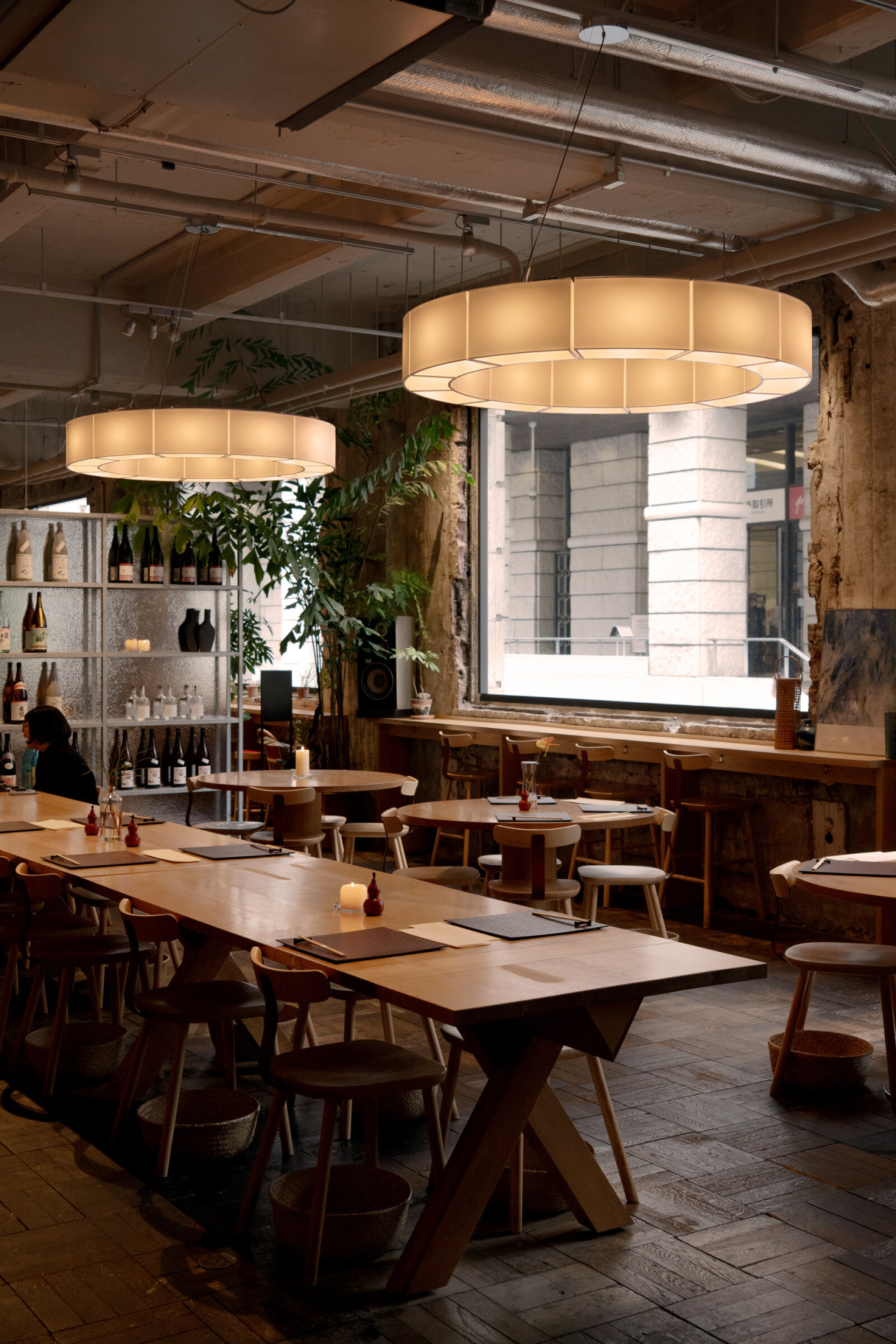
Sexta 2003, Miguel Milá