Family:
TM
,
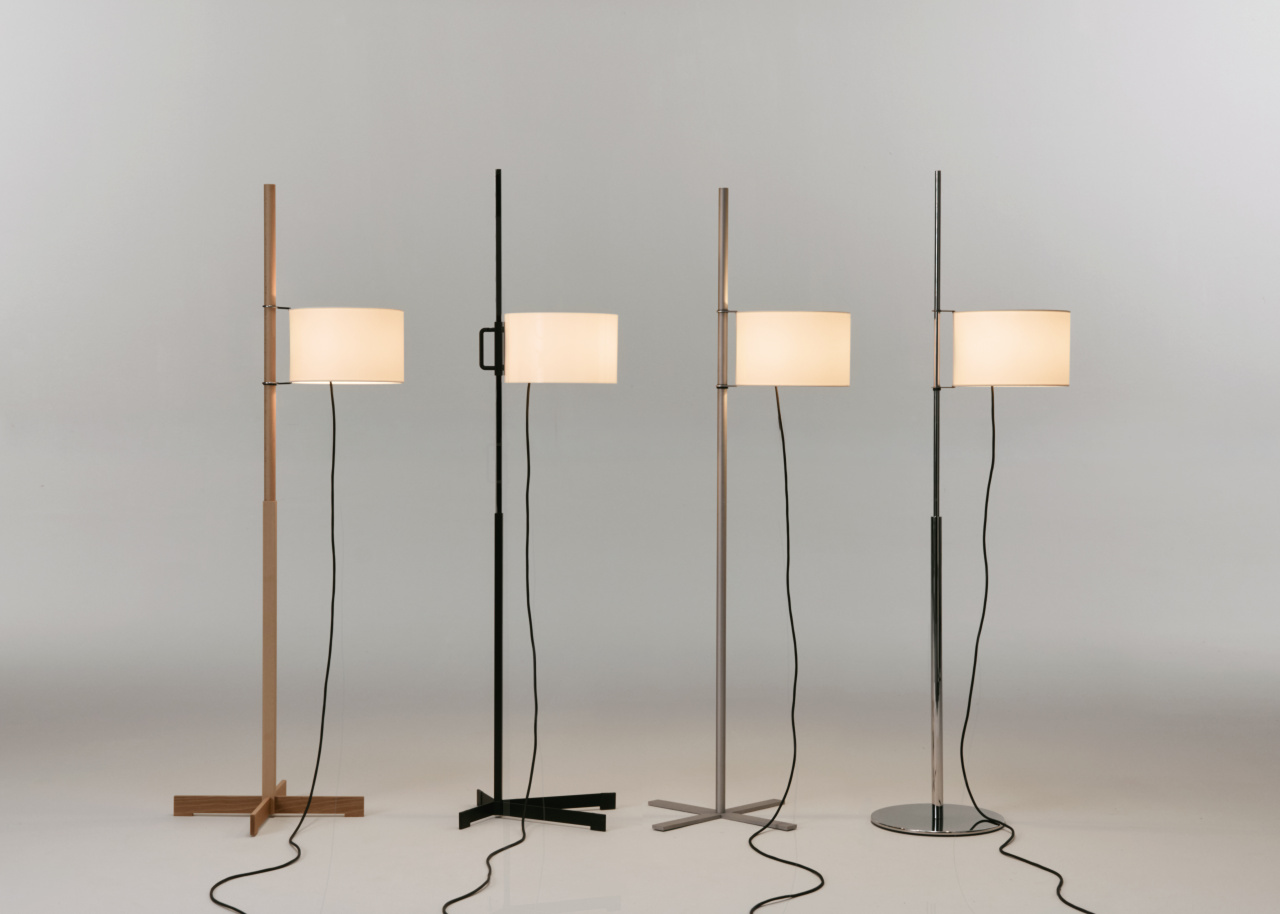
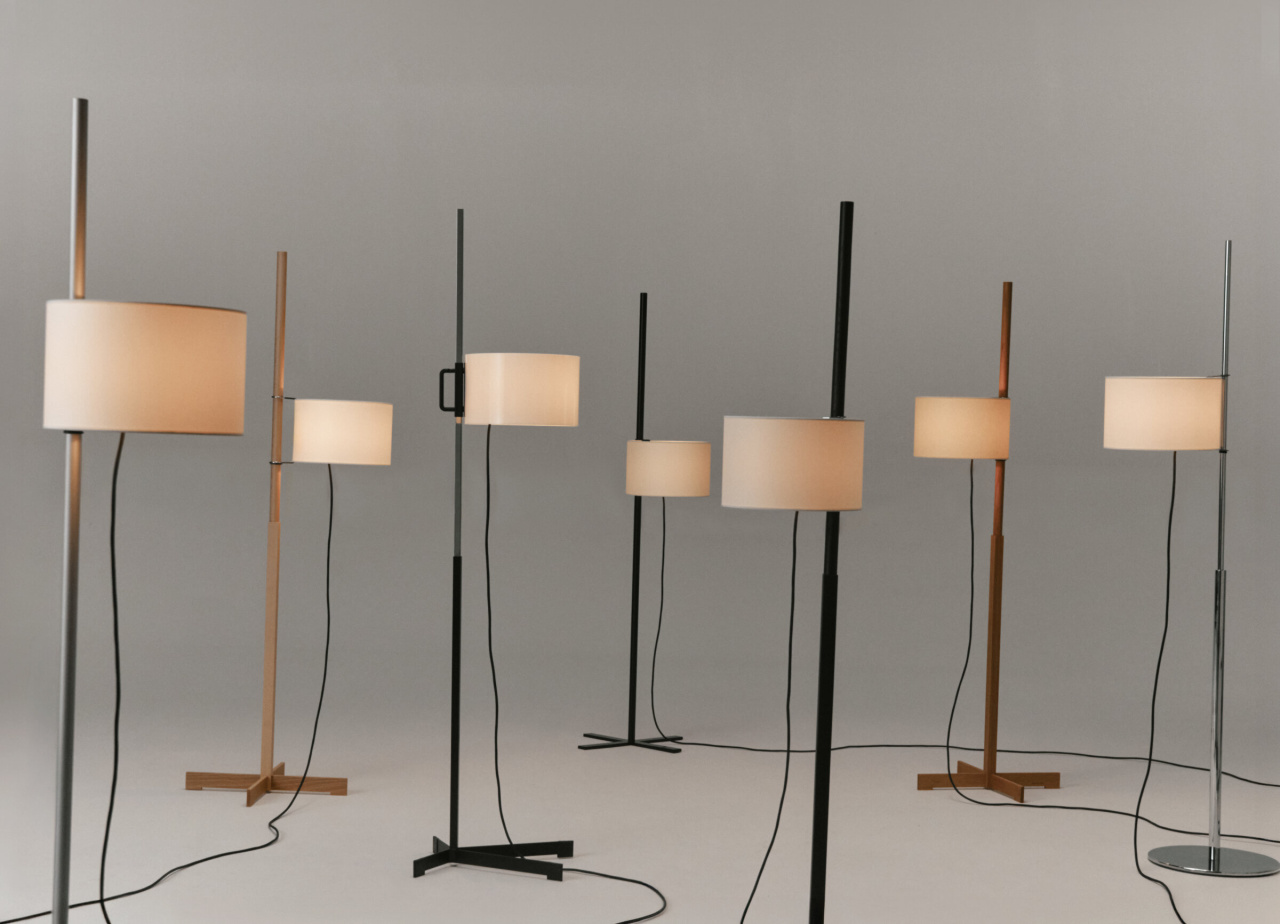
TM stands for Tramo Móvil—or “moving section”—a reference to the series of shades that rise and fall like sails on a mast. But it also nods to TRAMO, the company Miguel Milá founded to self-produce his work in postwar Spain, and which itself is a shortened version of Trabajos Molestos (“Annoying Tasks”): the name he gave as a child to an imaginary service agency in charge of the chores he had to take on as the youngest sibling in the family.
The letter following the shared root reveals the material or defining feature of each design: M for Madera (wood), A for Aluminio (aluminum), C for Cromada (chrome), and D for Diana, the latter because it shares the same circular base and economy of means as its namesake product.
Miguel’s names are like his objects: their depth lies in their simplicity. Modest yet highly ingenious, because the greatest challenge lies in achieving perfect harmony between form and function. Miguel was a maker of useful things.
In addition to the characteristic movement of its shade, another defining gesture in the TM family is its signature switch: a gentle pull on the cable. While many have tried to hide the power cord—its essential source of energy—here it becomes a visible, functional part of the design. And as it happens, the best way to hide something is often to place it right under one’s nose.
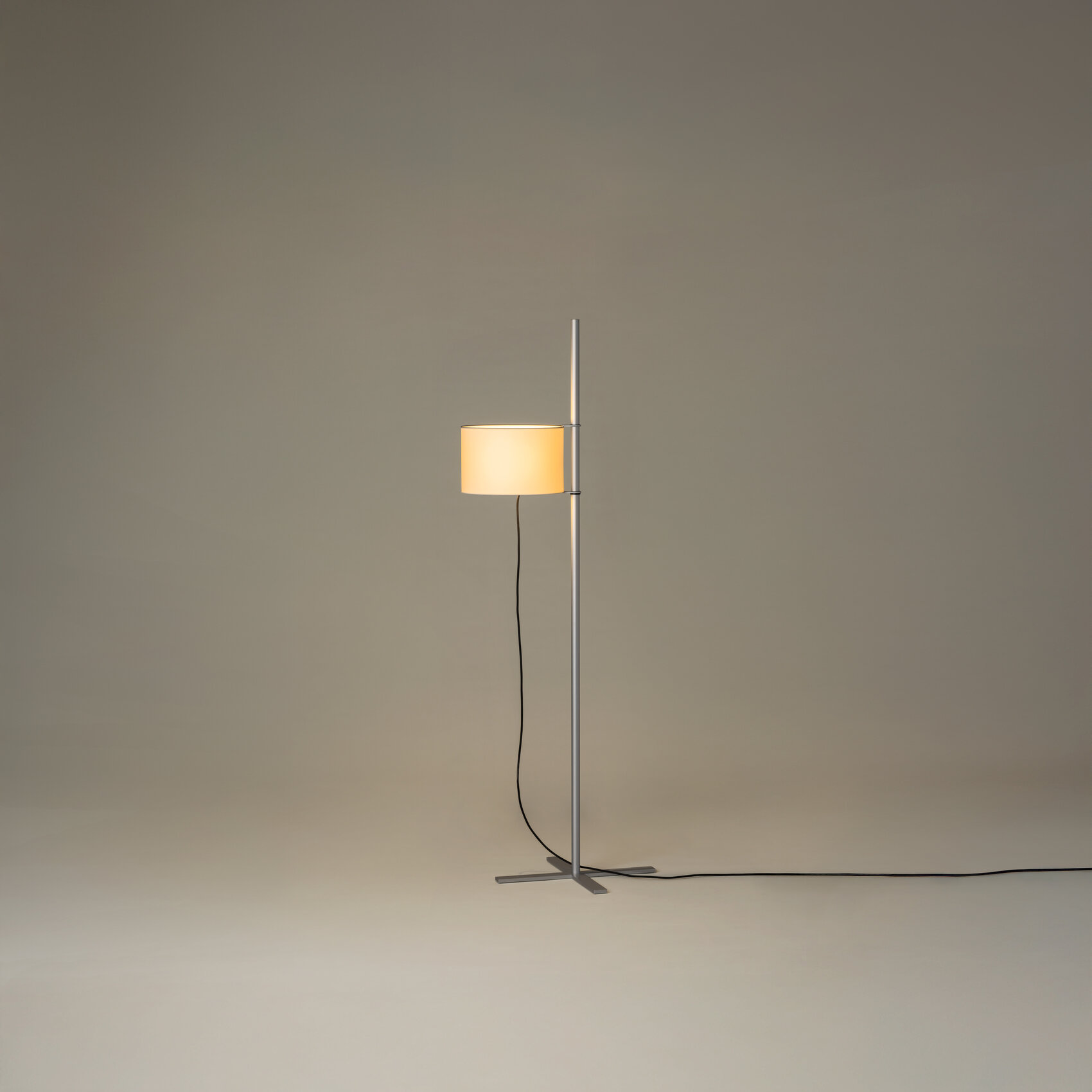
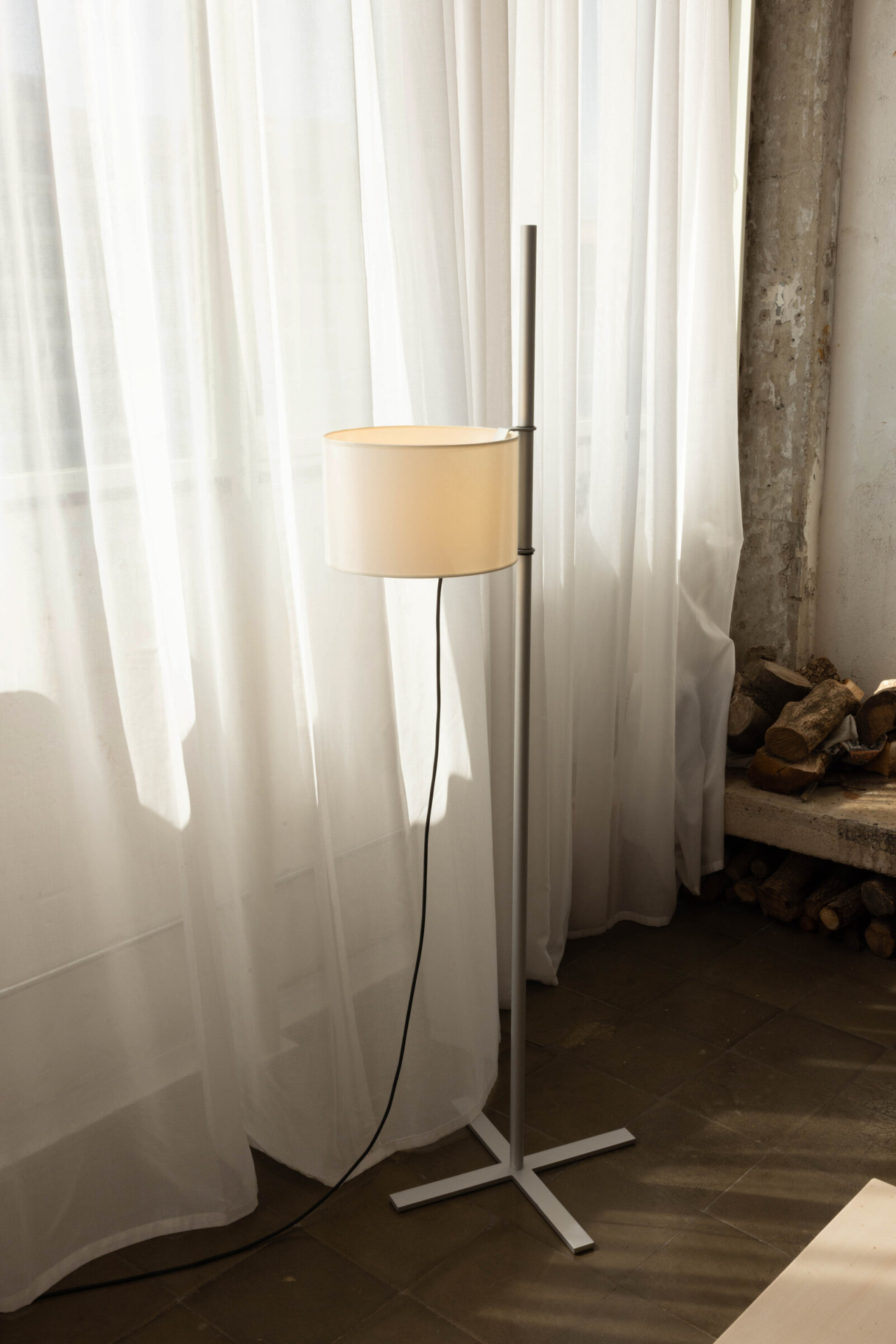
TMA
Miguel Milá, 1981
from 785,12 €
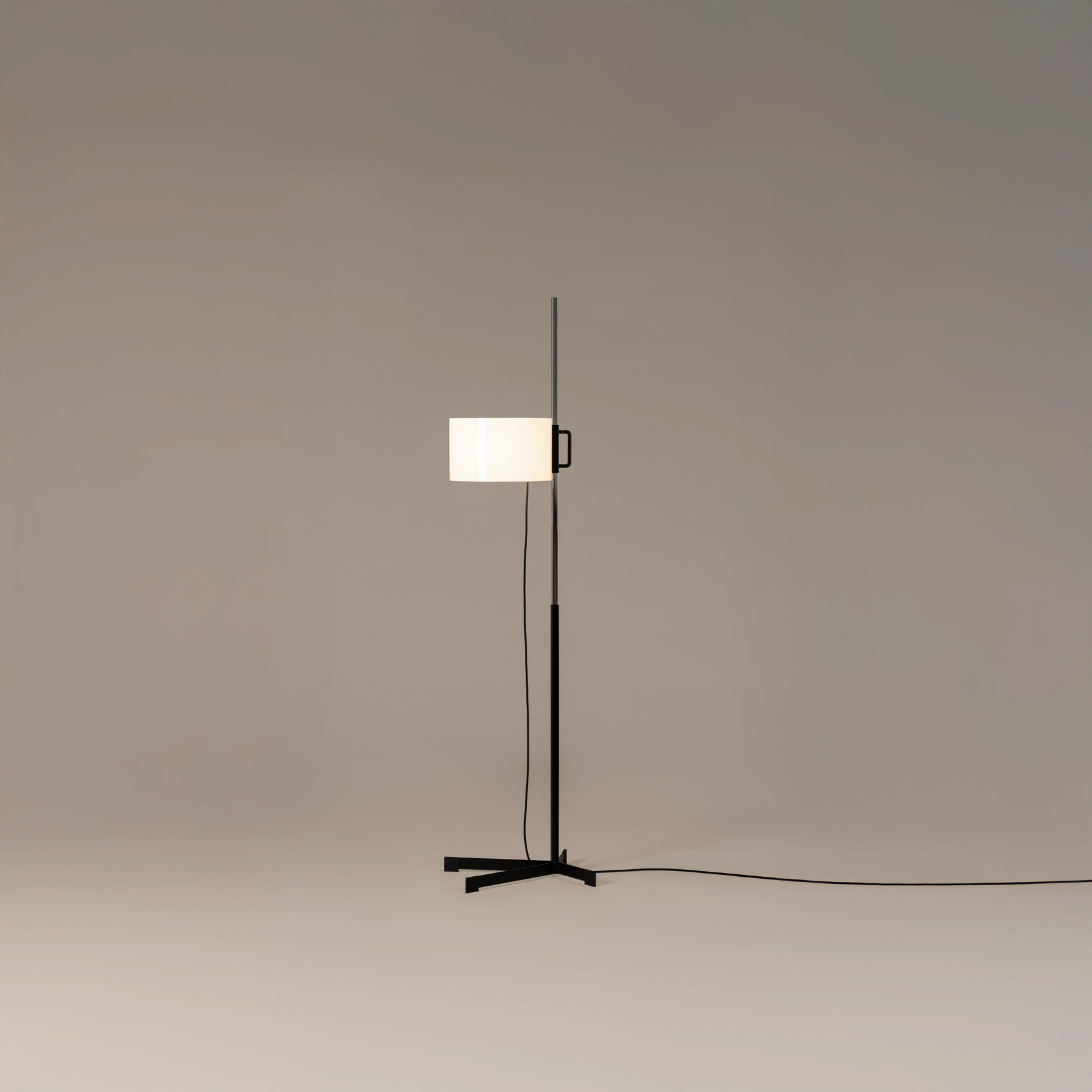
TMC
Miguel Milá, 1961
920,66 €
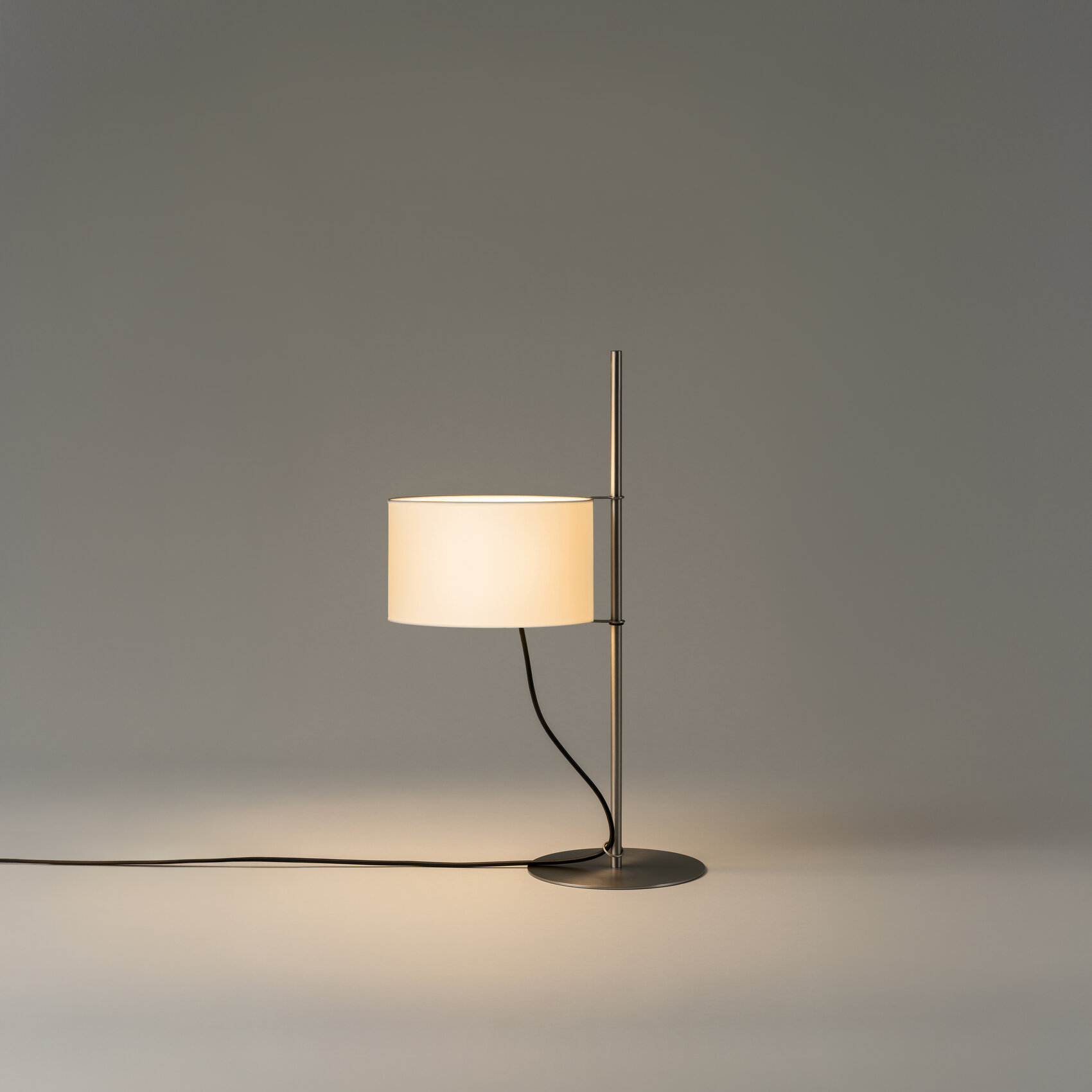
TMD
Miguel Milá, 1996
400 €
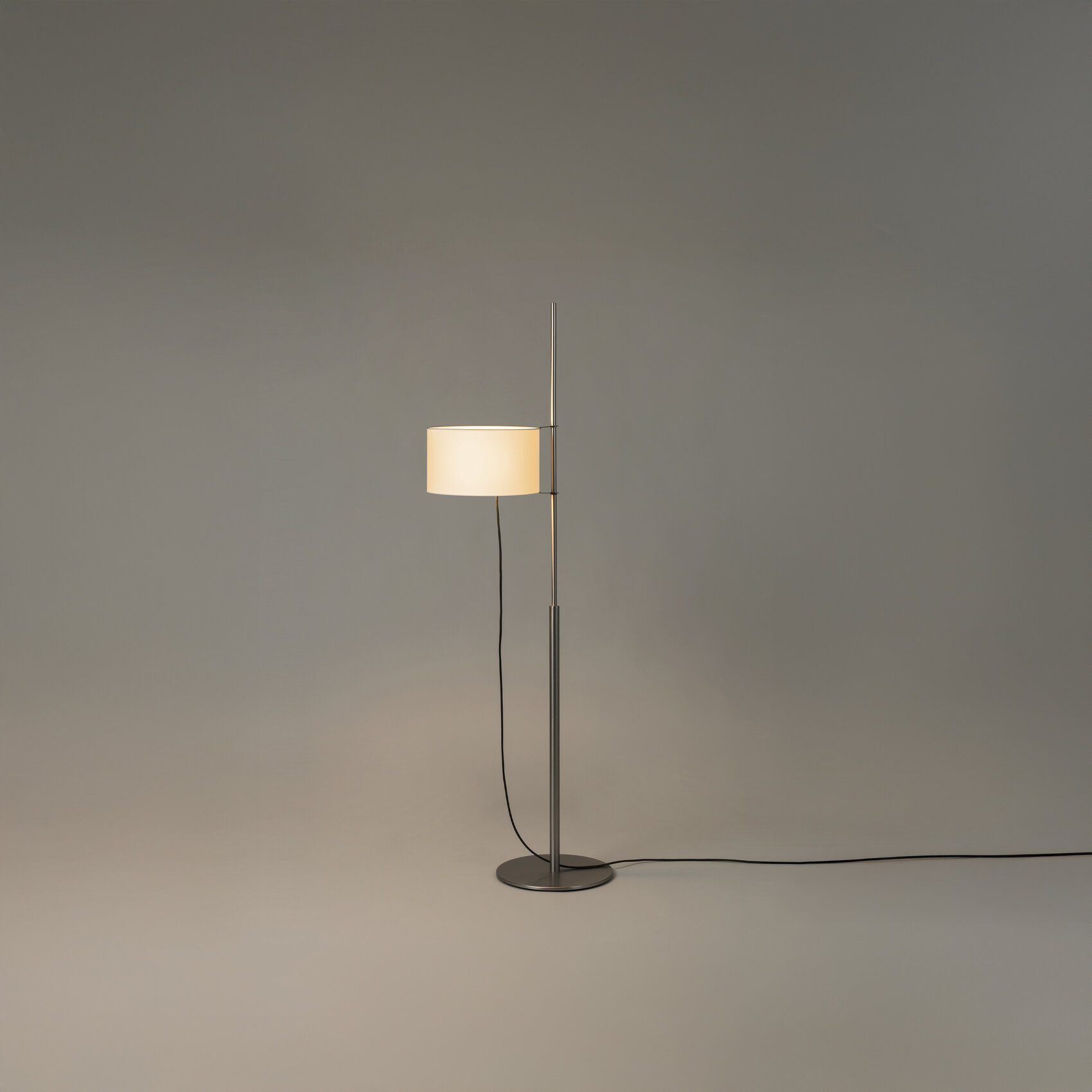
TMD
Miguel Milá, 2005
1.090,08 €
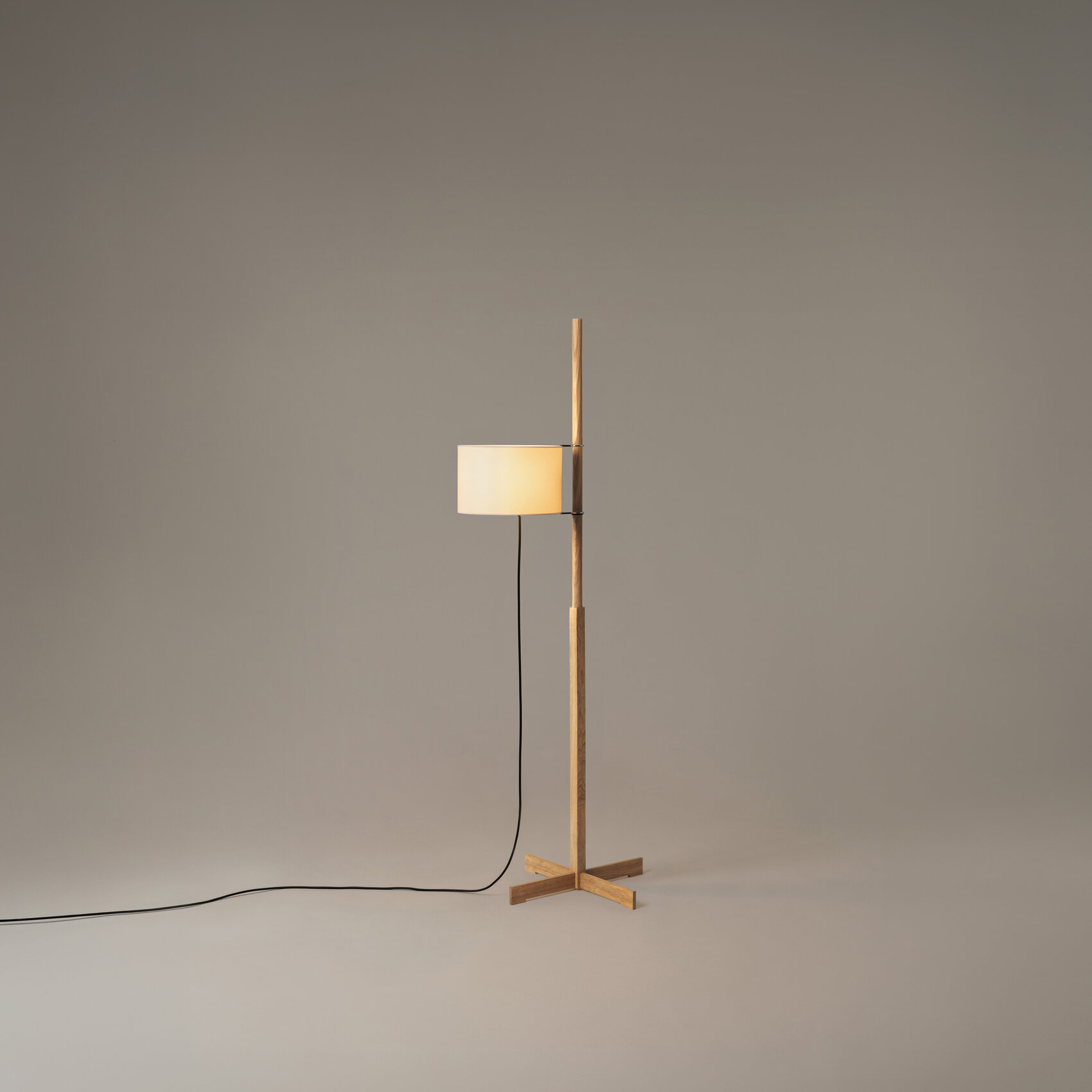
TMM
Miguel Milá, 1961
from 725,62 €
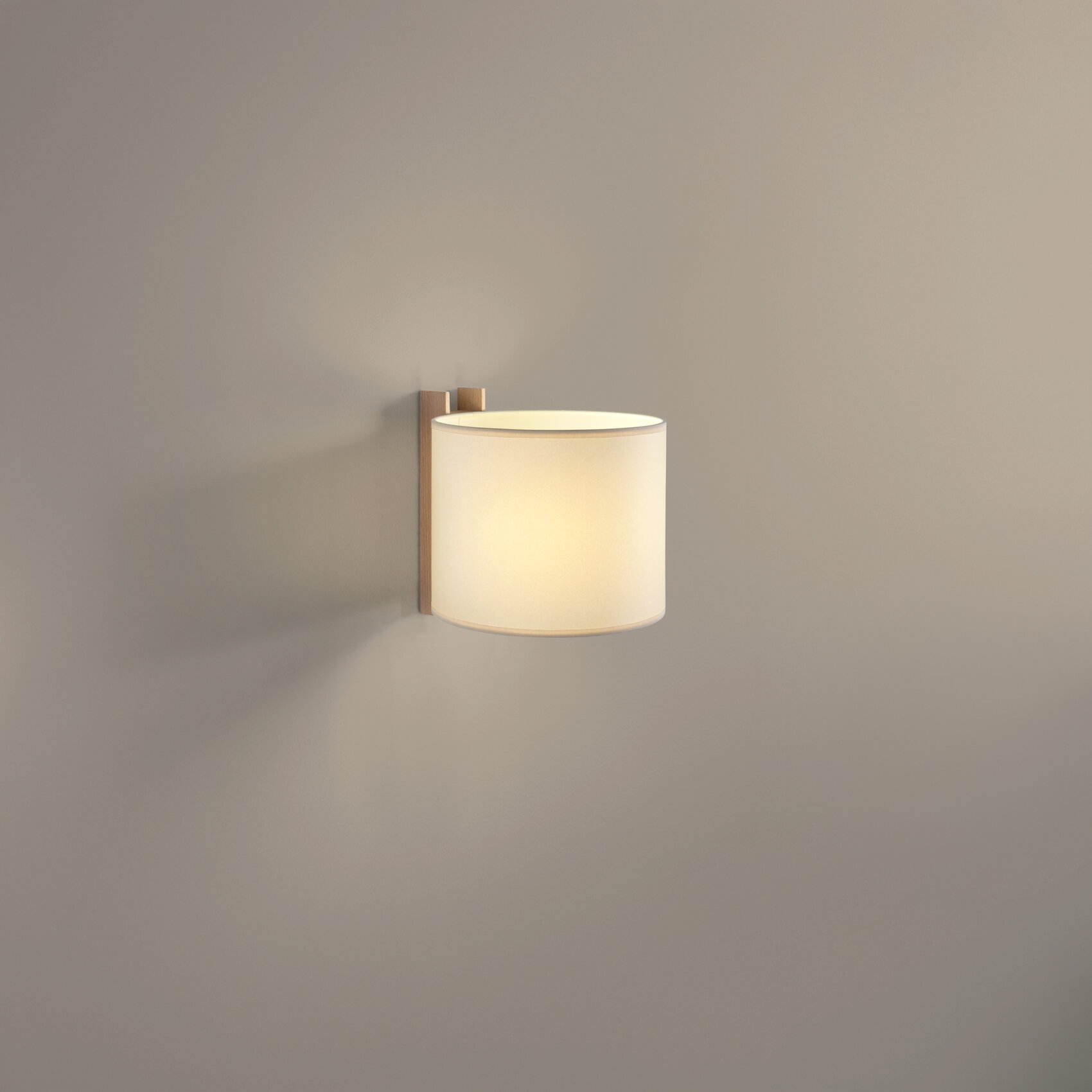
TMM
Miguel Milá, 1964
from 240,50 €
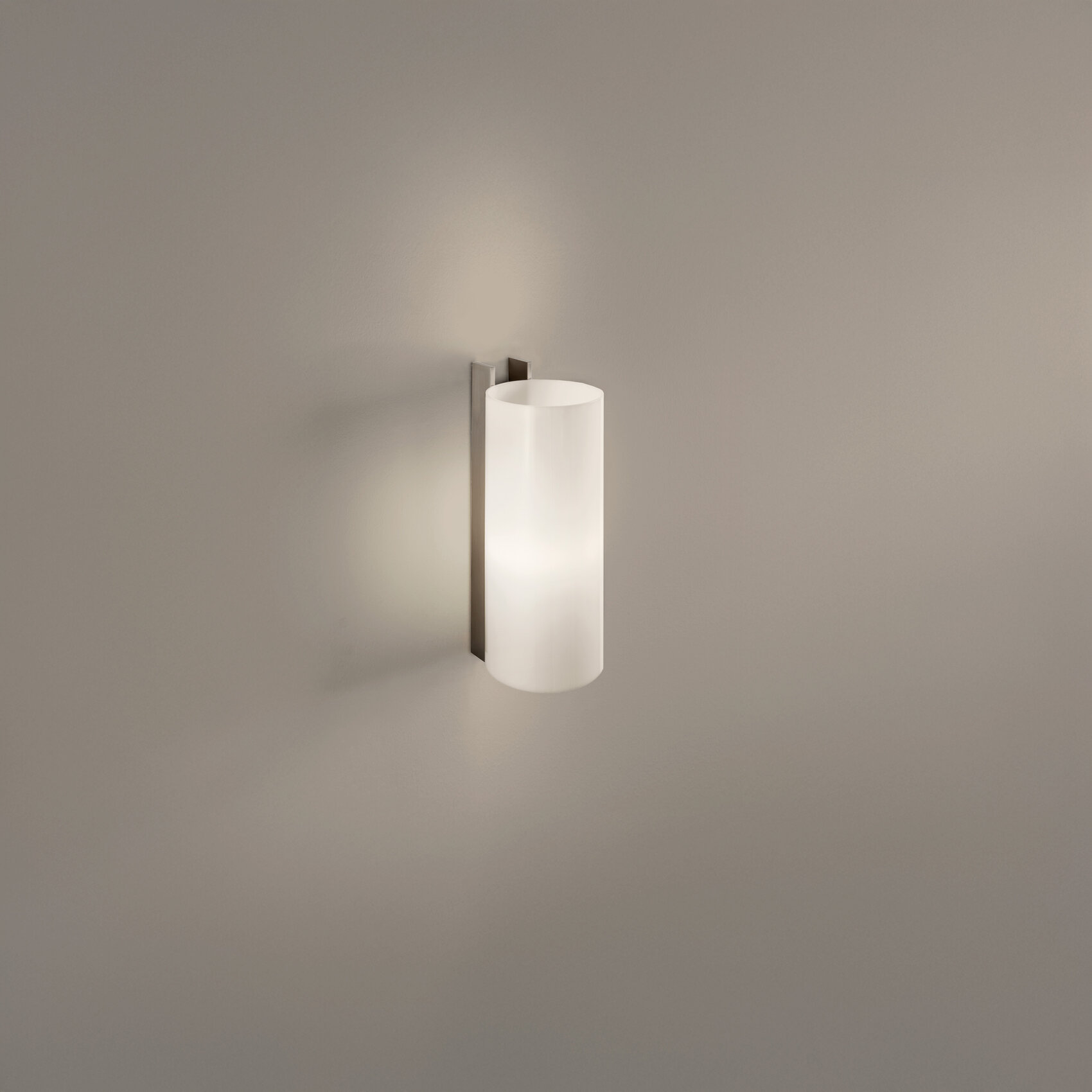
TMM Metálico
Miguel Milá, 2002
370,25 €
1956
From Intuition to Discovery
The origins of this luminous lineage go back to 1956, when Miguel faced an everyday problem: designing a height-adjustable lamp for the studio of his aunt, Nuria Sagnier (the everyday would become the true engine of his inventiveness). That first version, the TN (Tía Nuria), gave way in 1957 to the Previa, in which, on the advice of José Antonio Coderch, curved acrylic made its debut. This early design already set down one of the family’s most enduring hallmarks: the shade was set free, and the electrical cord ran down parallel to the mast, switching on the socket itself by means of a slender string. Beyond the materials, the real revolution lay in the logic of the gesture: the hand, able to interact with the object and adjust the light immediately, intuitively, directly.
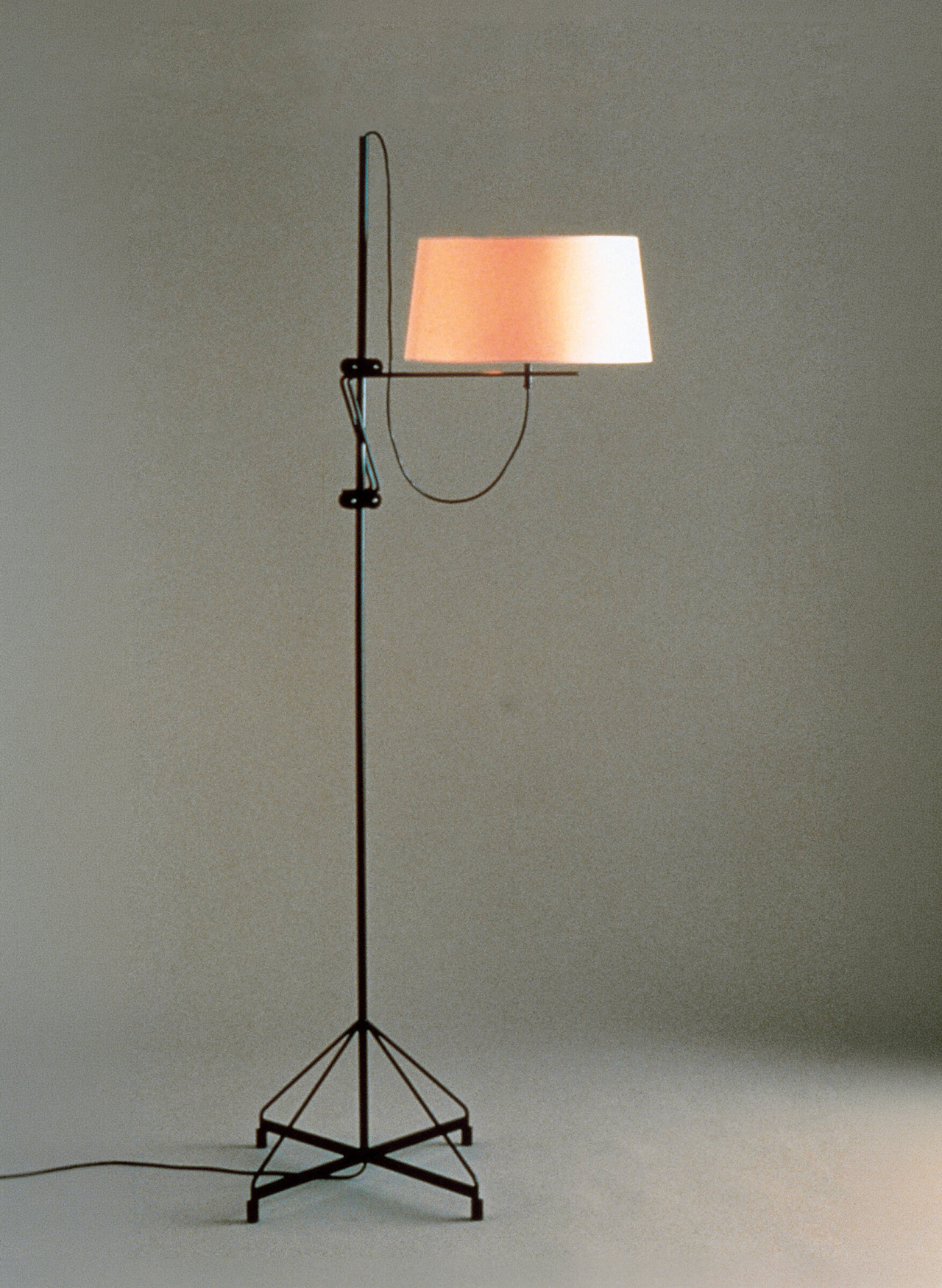
TN (Tía Nuria), 1956
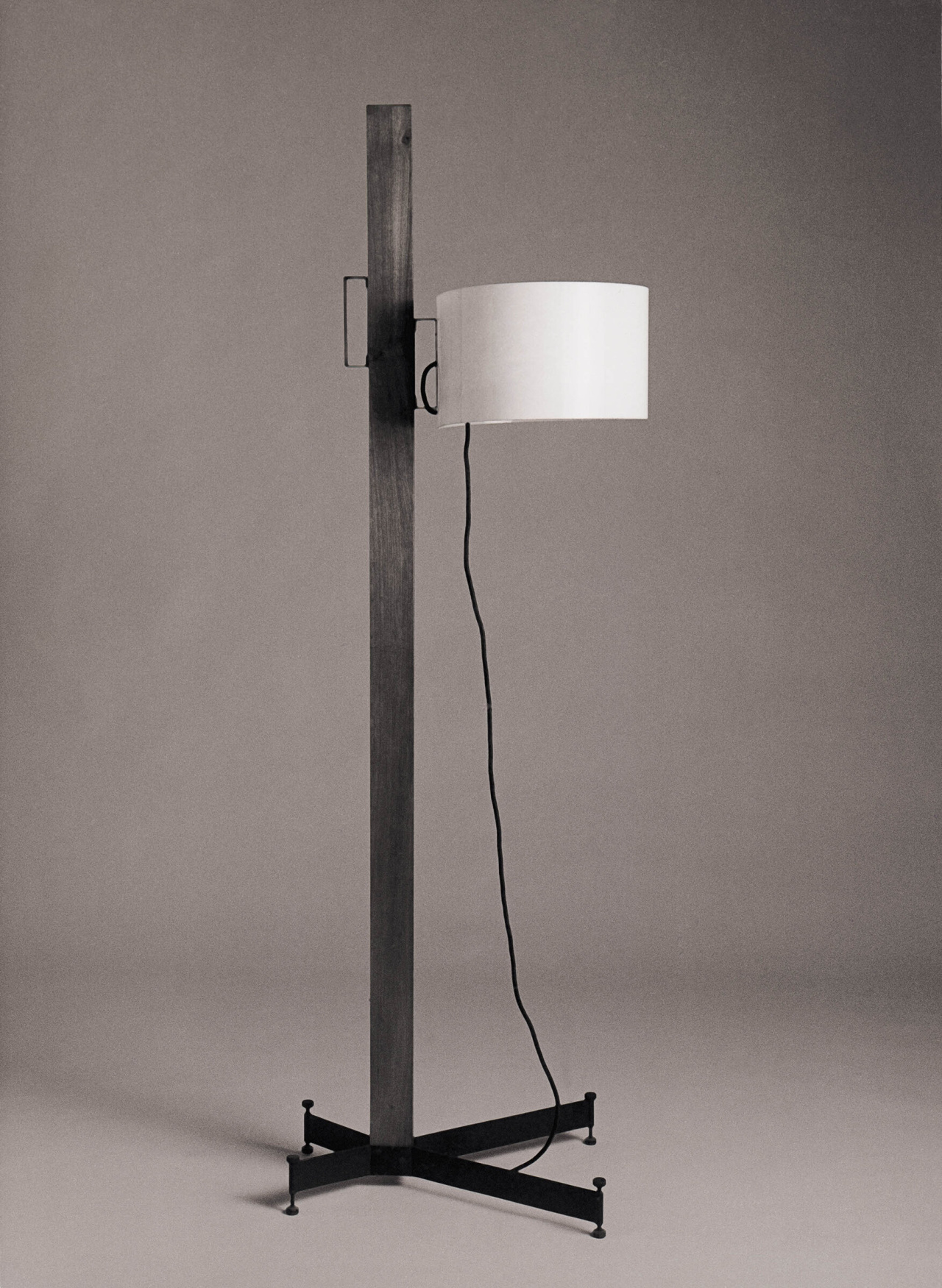
Previa, 1957
1961 - 1962
From Industrial Milestone to Absolute Synthesis: TMC and TMM
The concept reached industrial maturity in 1961 with the TMC (Tramo Móvil Cromado). Miguel split the mast into two halves, a painted lower one and a chrome-plated upper one fitted with stops, and in one stroke solved two essential problems: keeping the tube from being scratched as the shade slid along it, and allowing the lamp to be fully taken apart for easy transport. This invention (because that is what Miguel was, an inventor and a craftsman) won the Golden Delta at the first ADI-FAD Awards and became a landmark of lighting design in Spain.
Just a year later, in 1962, Miguel gave the idea another turn of the screw with the TMM (Tramo Móvil Madera). Determined to bring costs down without losing sophistication, he traded metal for the warmth of wood, the rigid shade for parchment, and the stops for a simple rubber ring that holds the shade at the desired height.
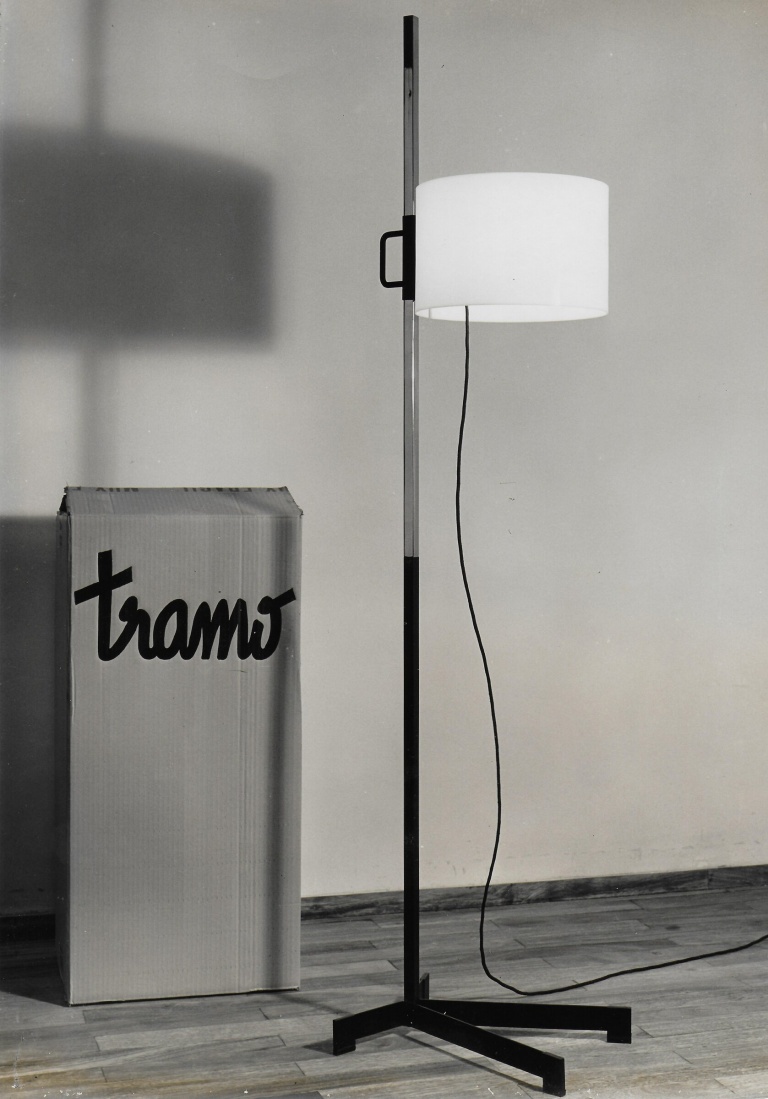
TMC 1961
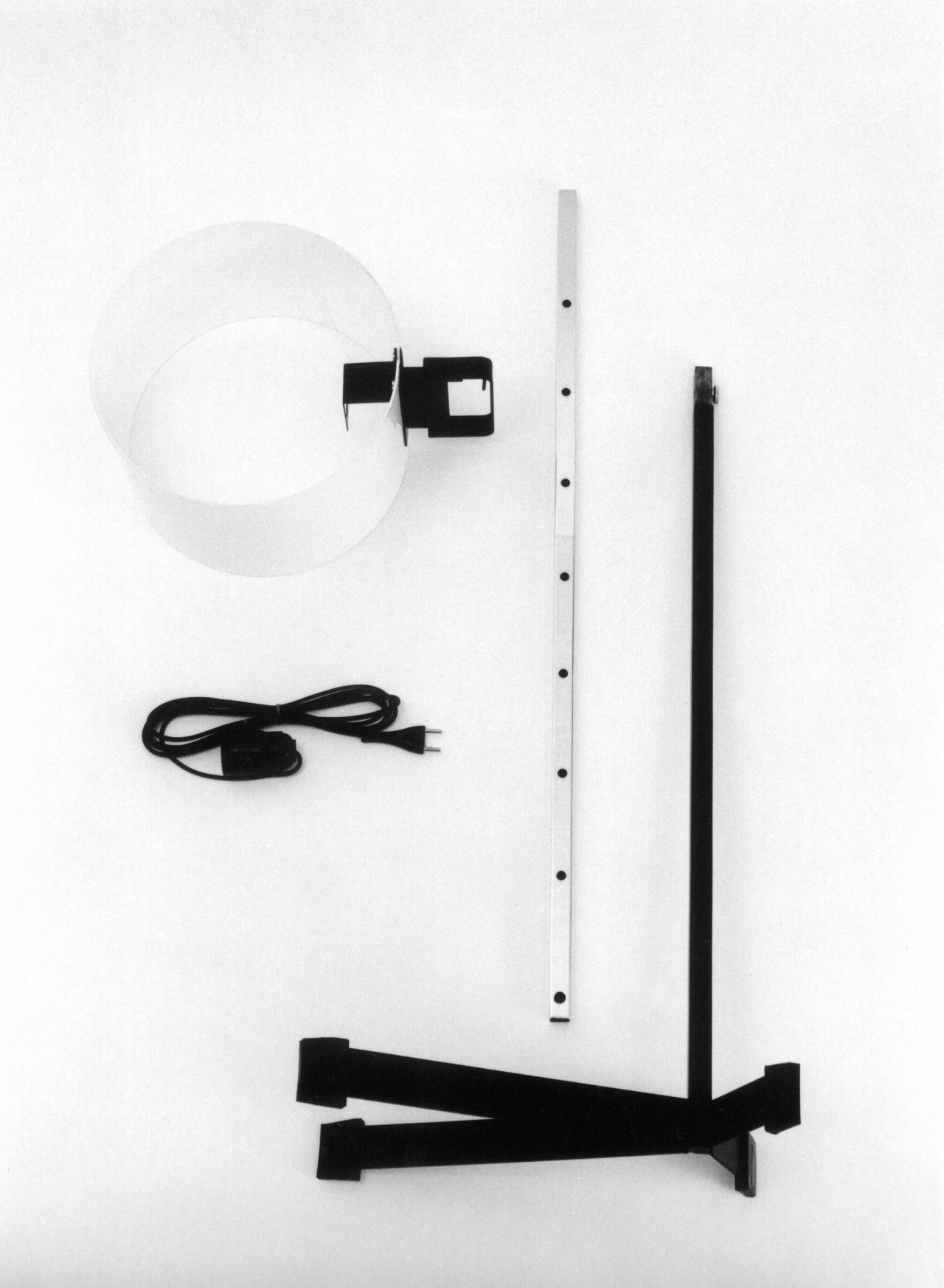
TMC Lamp Components
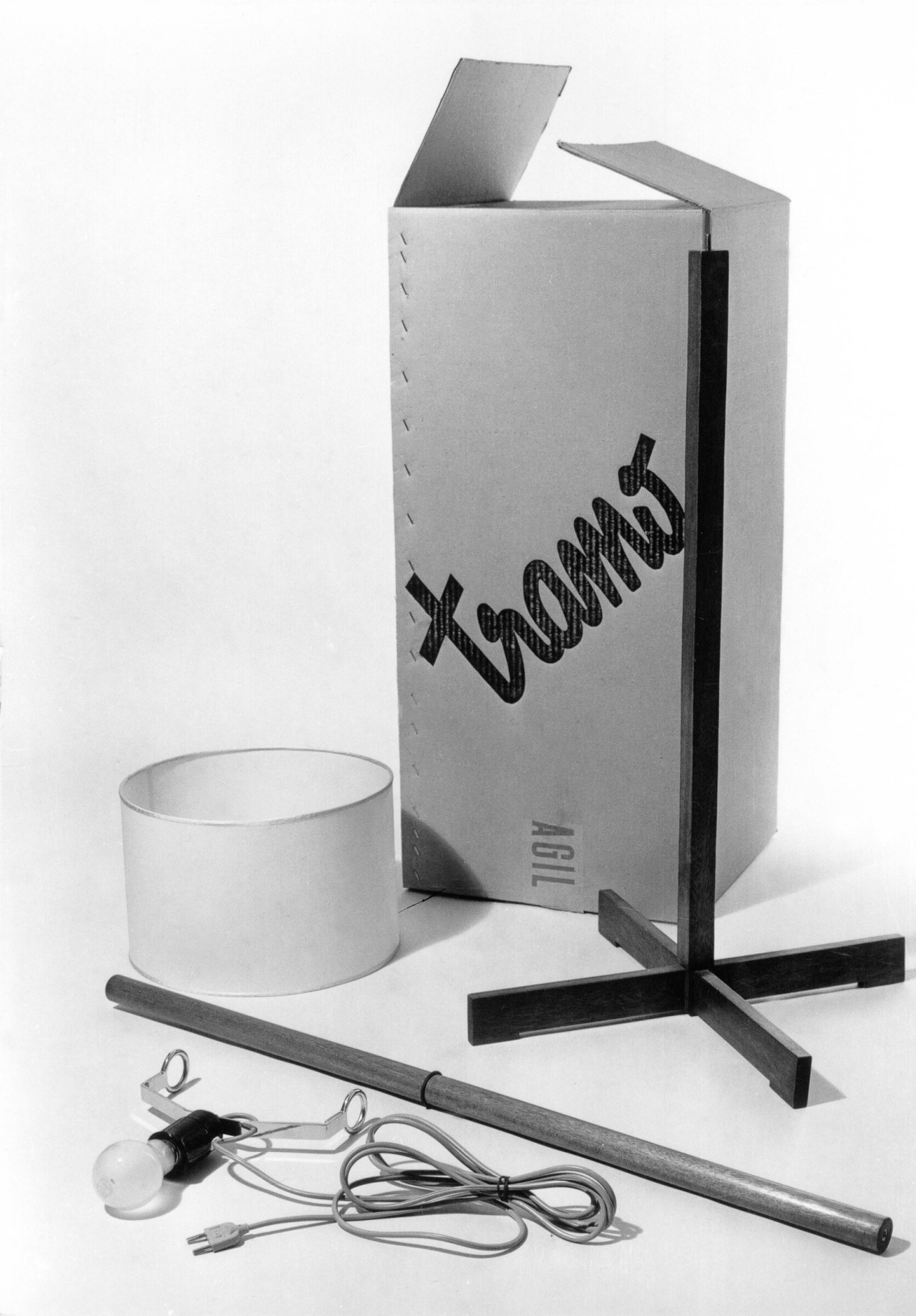
TMM Lamp Components
1960 - 1964
A New Way of Living
In Francoist Spain, furnishing a modern interior was no easy task. Foreign catalogs arrived in a trickle, and the new way of living that architecture proposed did not yet have the objects it needed to become real.
Miguel Milá came to design through that gap. Working from the Barcelona studio of Federico Correa and his brother Alfonso Milá, both advocates of rationalist architecture in postwar Spain, he went on designing the lamps and furniture their projects required.
Federico Correa’s drawings and the photographs of those interiors show uncluttered rooms with clean lines. A different way of living, with pieces by Miguel Milá already in place, the TMC among them.
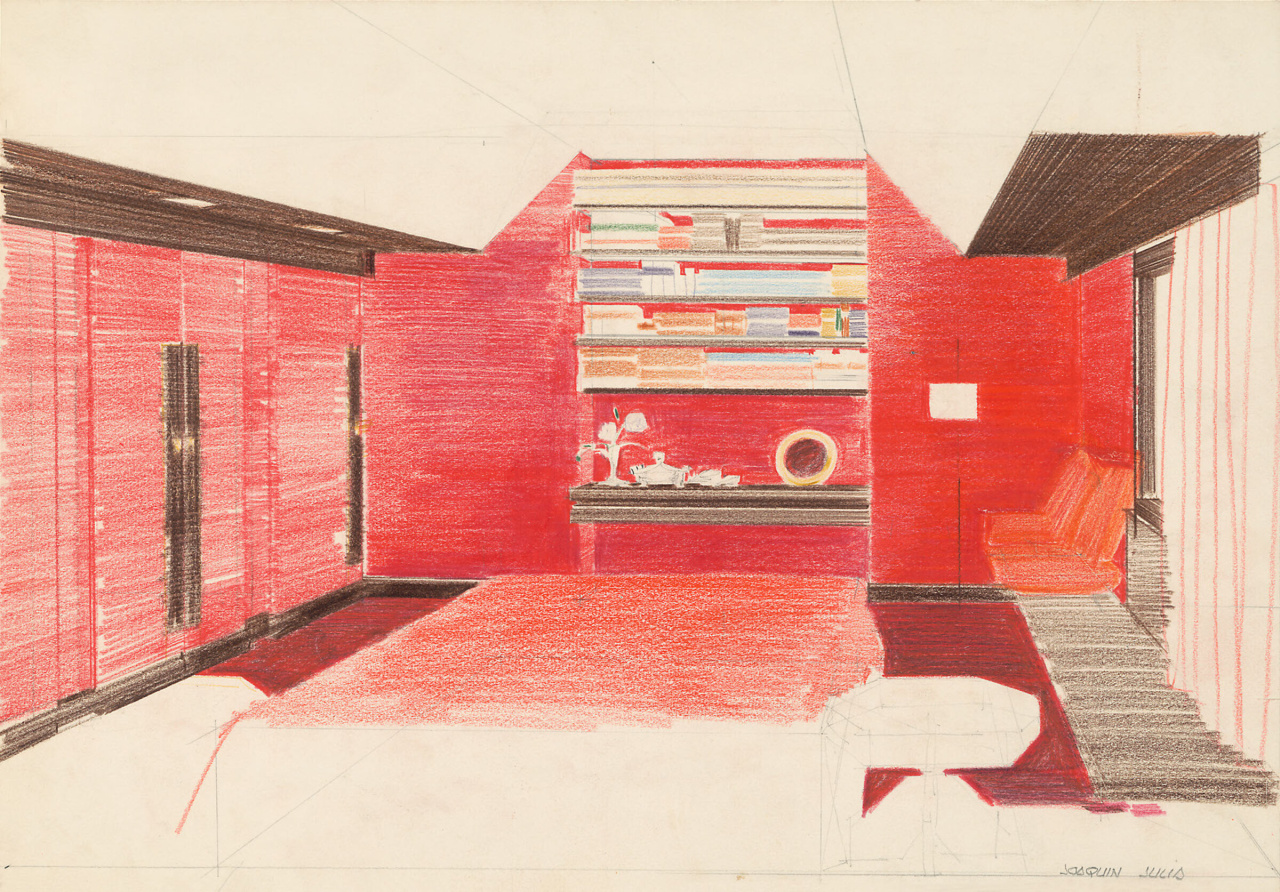
Perspective drawing of "Piso para Joaquín Julià I, Barcelona". Federico Correa. 28 × 40.5 cm.
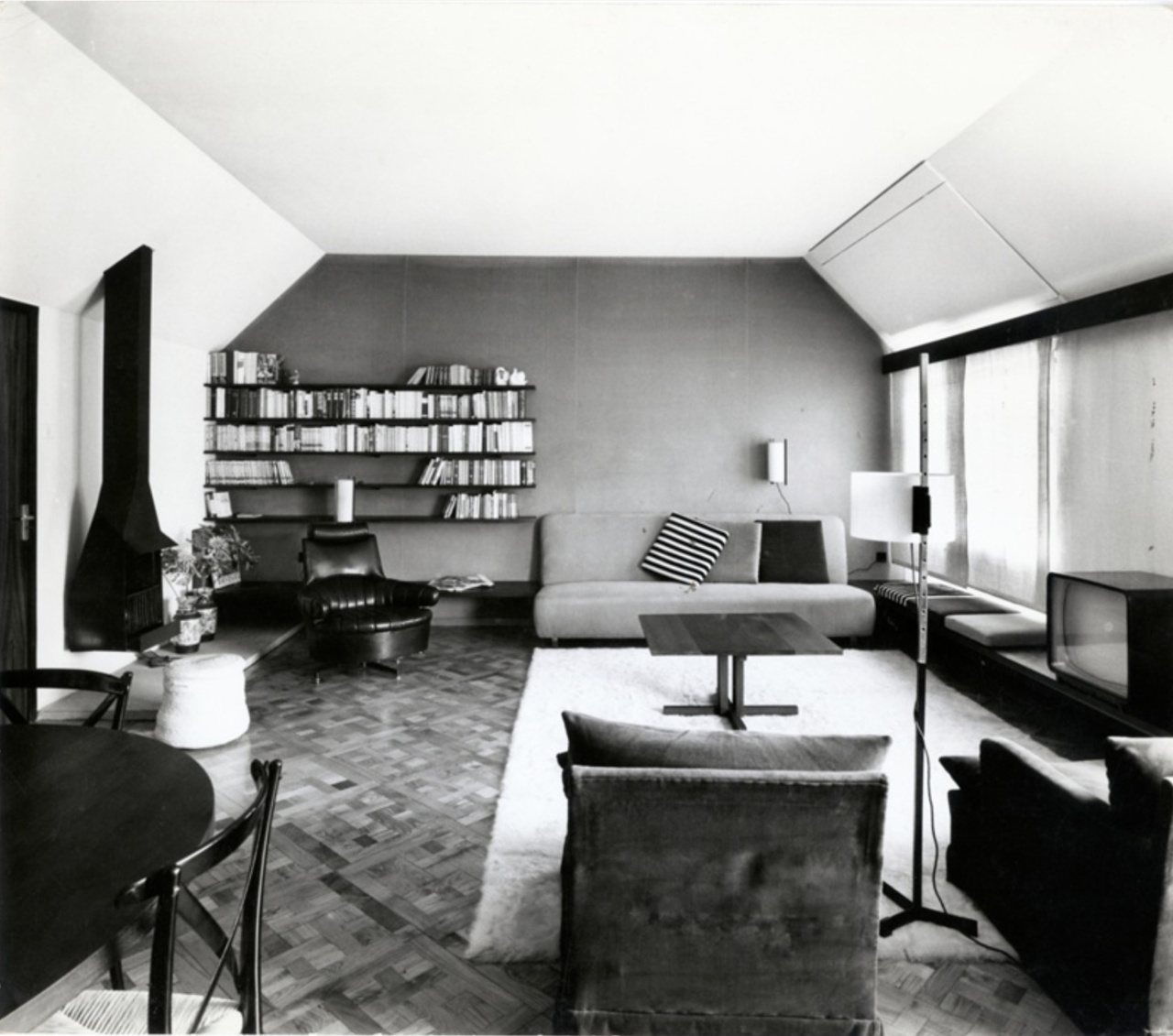
Living room of "Piso Joaquín Julià en Barcelona". Project by estudio de arquitectura Correa Milá.
© Photographic Archive O. Maspons / Arxiu Històric del COAC 1960–1964
A Shared Intuition, Many Possibilities
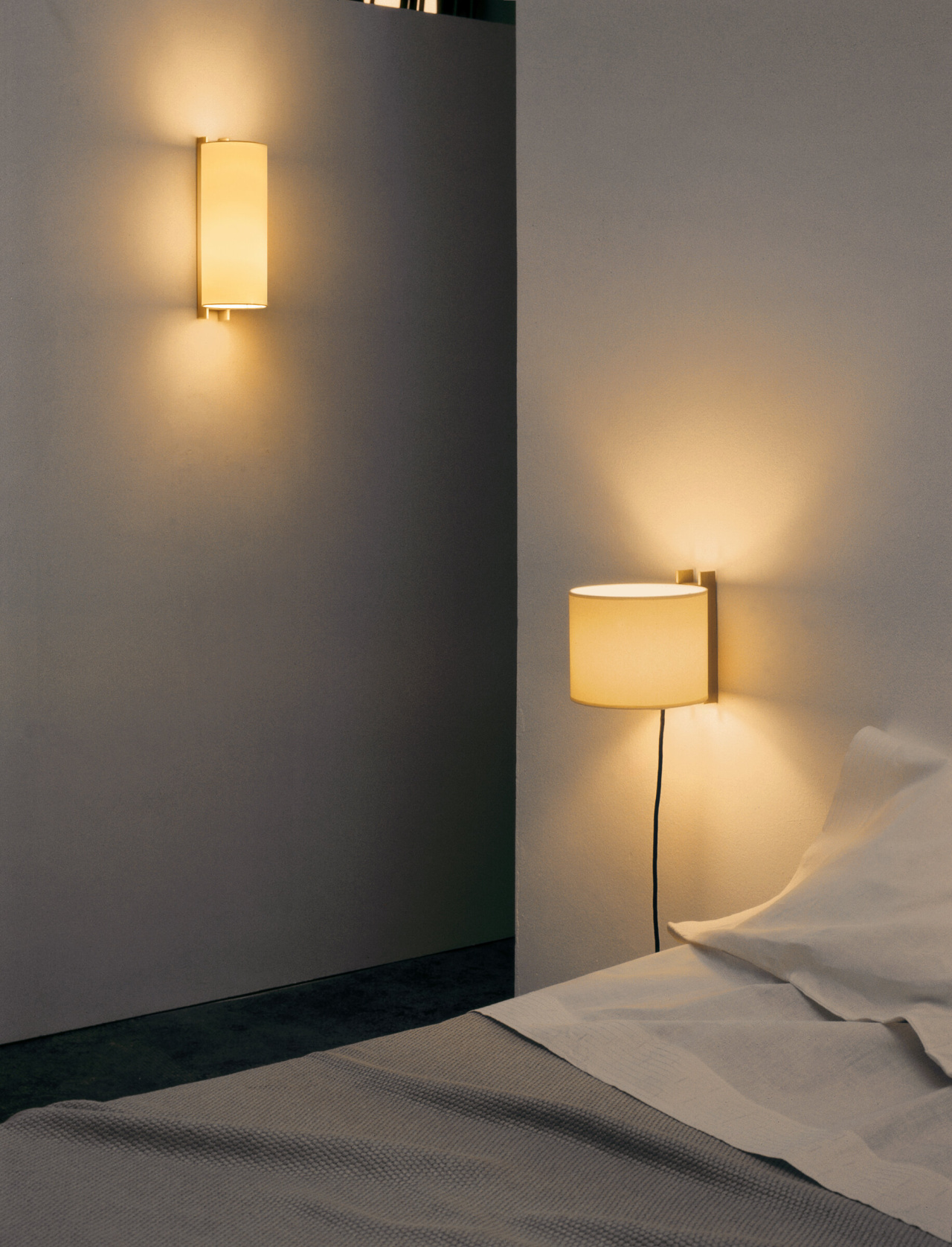
In 1964 came the TMM wall lights, in the same wood and with the same shade, designed to accompany the floor lamp in a room. The long version was wired directly into the wall. The short one could also take a plug-in cord that, as on the floor lamp, doubled as a switch.
1986
A Shared History
In 1986, just a year after Gabriel Ordeig Cole, Nina Masó, and Javier Nieto Santa founded Santa & Cole, they approached Miguel Milá about the TMM. It was the first of his pieces we brought back, and it would not be the last. New agreements and new reissues followed. Today, more than thirty of his designs have a place in our catalog.
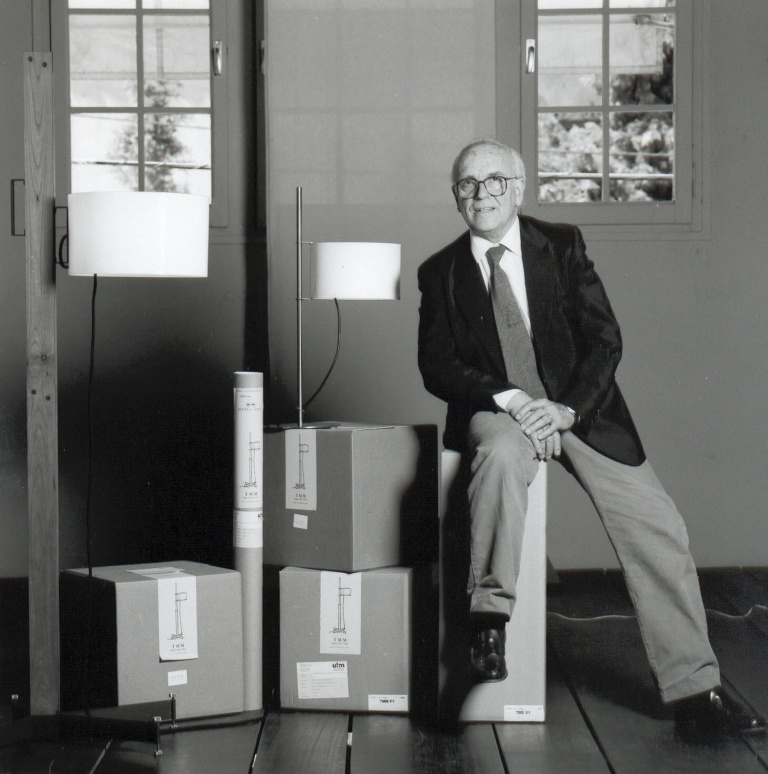
Miguel Milá alongside Santa & Cole’s packaging.
1996 - 2005
TMD, TMM Metálico and TMA
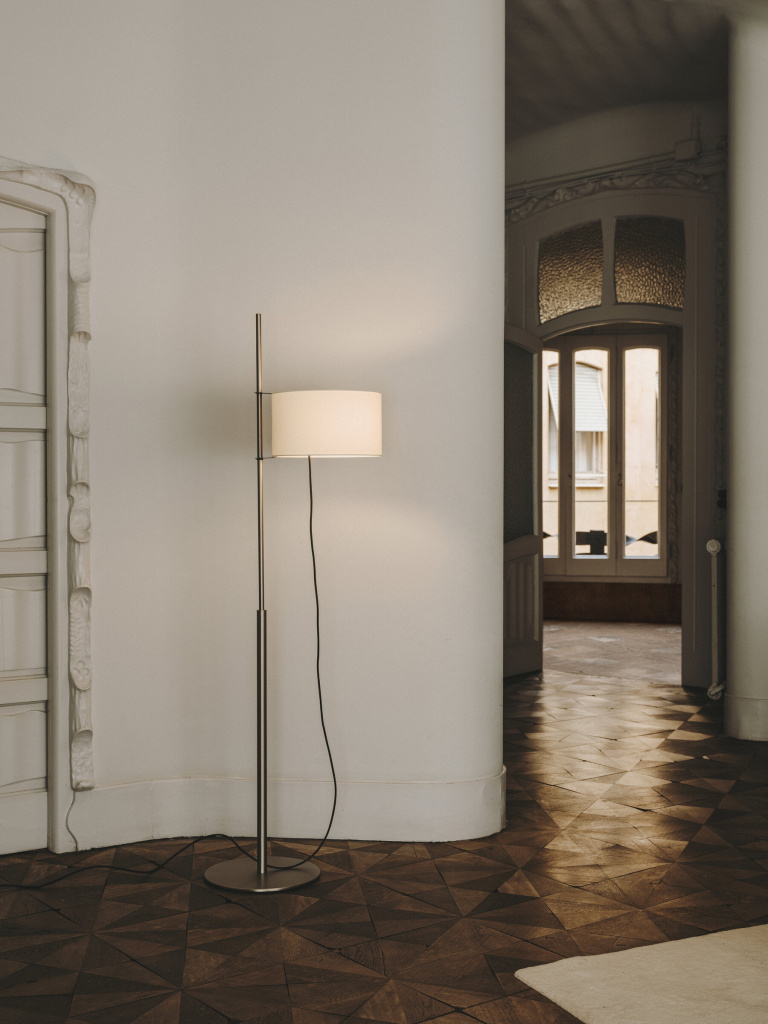
In 1996, Miguel Milá brought the height-adjustable shade to the tabletop with the TMD (Tramo Móvil Diana). In 2005, the TMD was joined by a floor version.
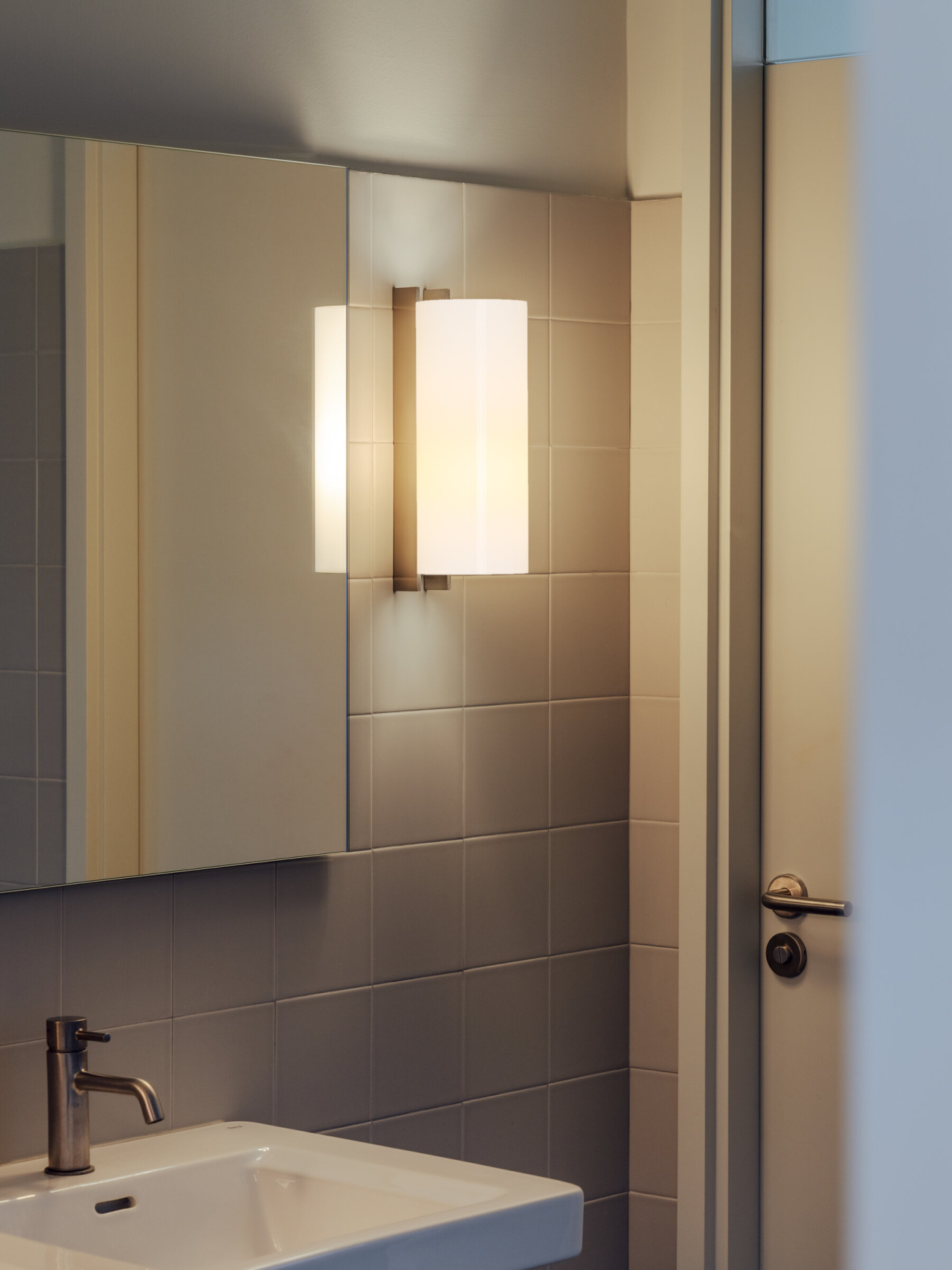
In 2002, Miguel Milá adapted the TMM wall light with a metal channel that partly wraps around a white acrylic shade. These materials hold up better in damp rooms than their wood-and-card siblings.
The TMA began life under another name. García-Garay first produced it in 1981 as the AL-2, an aluminum version of the TMM. In 1996, we reissued it as the TEMA, and in 2005 it took its definitive name: TMA (Tramo Móvil en Aluminio).
TMD
TMM Metálico
TMA
2011
The Last Refinement of the TMC
In 2011, marking the 50th anniversary of the TMC’s Delta award, we gave it its latest refinement: a system of cams and magnets that lets the shade move without drilling the tube. It looks exactly the same. It simply works better.
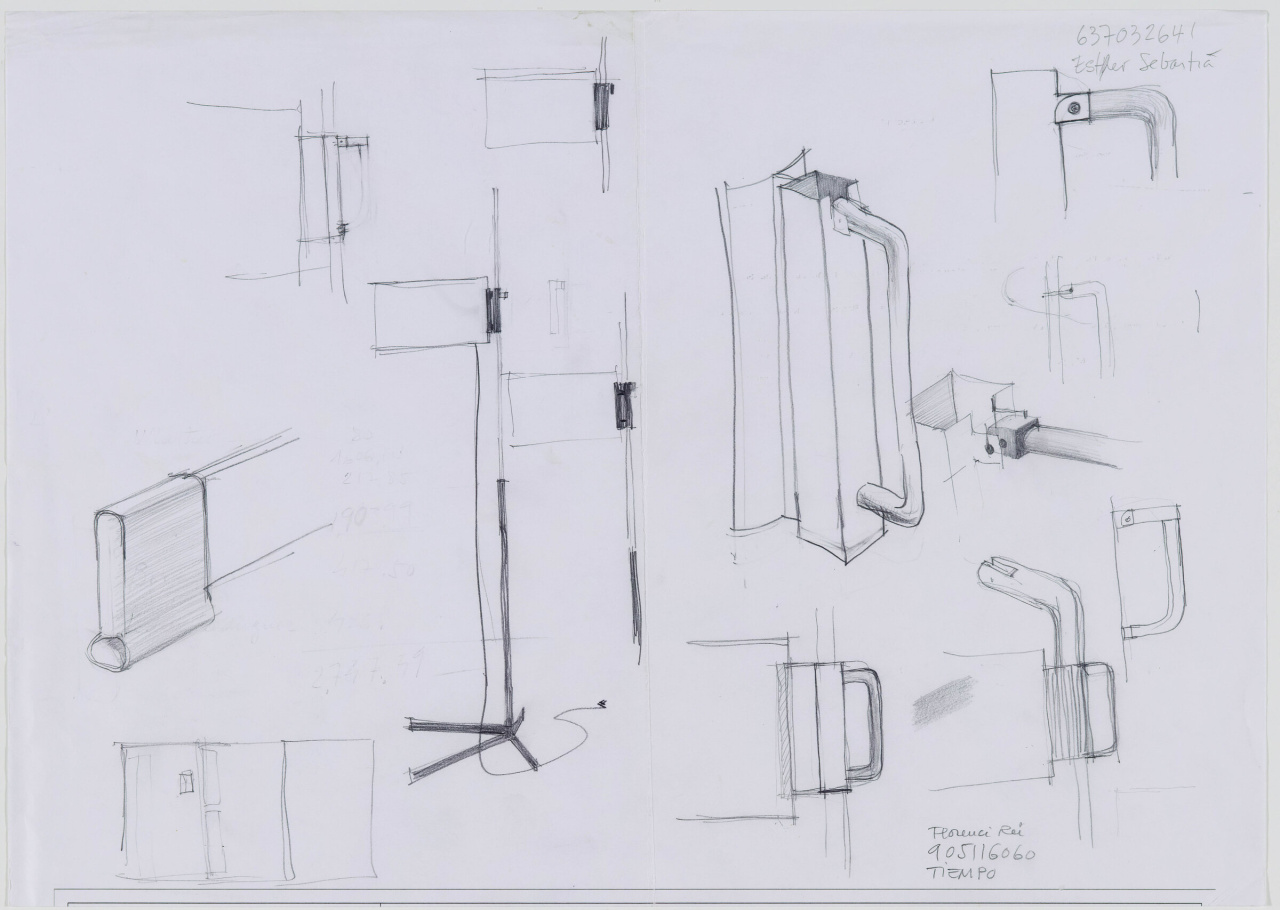
Original drawings exploring the height-adjustment anchoring system for the lampshade. 2011