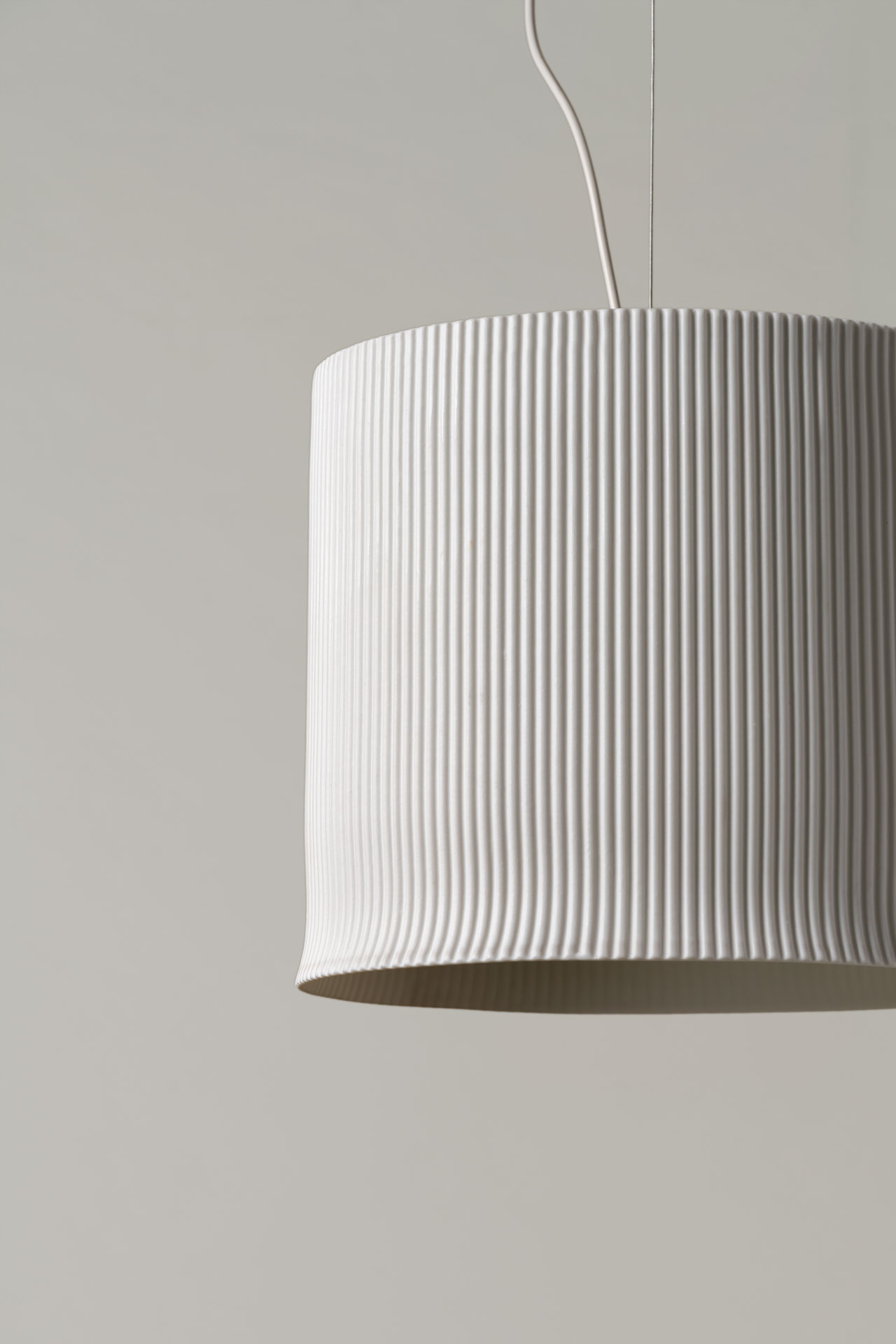
We design objects to last. Not to stay unchanged, but to age well. A patina on walnut, the yellowing of a beige parchment shade: these aren’t signs of neglect. They’re signs of existence.
What follows are simple habits to keep your pieces in good shape. Gentle, regular attention is enough for most materials. The rest, time handles.
Wood
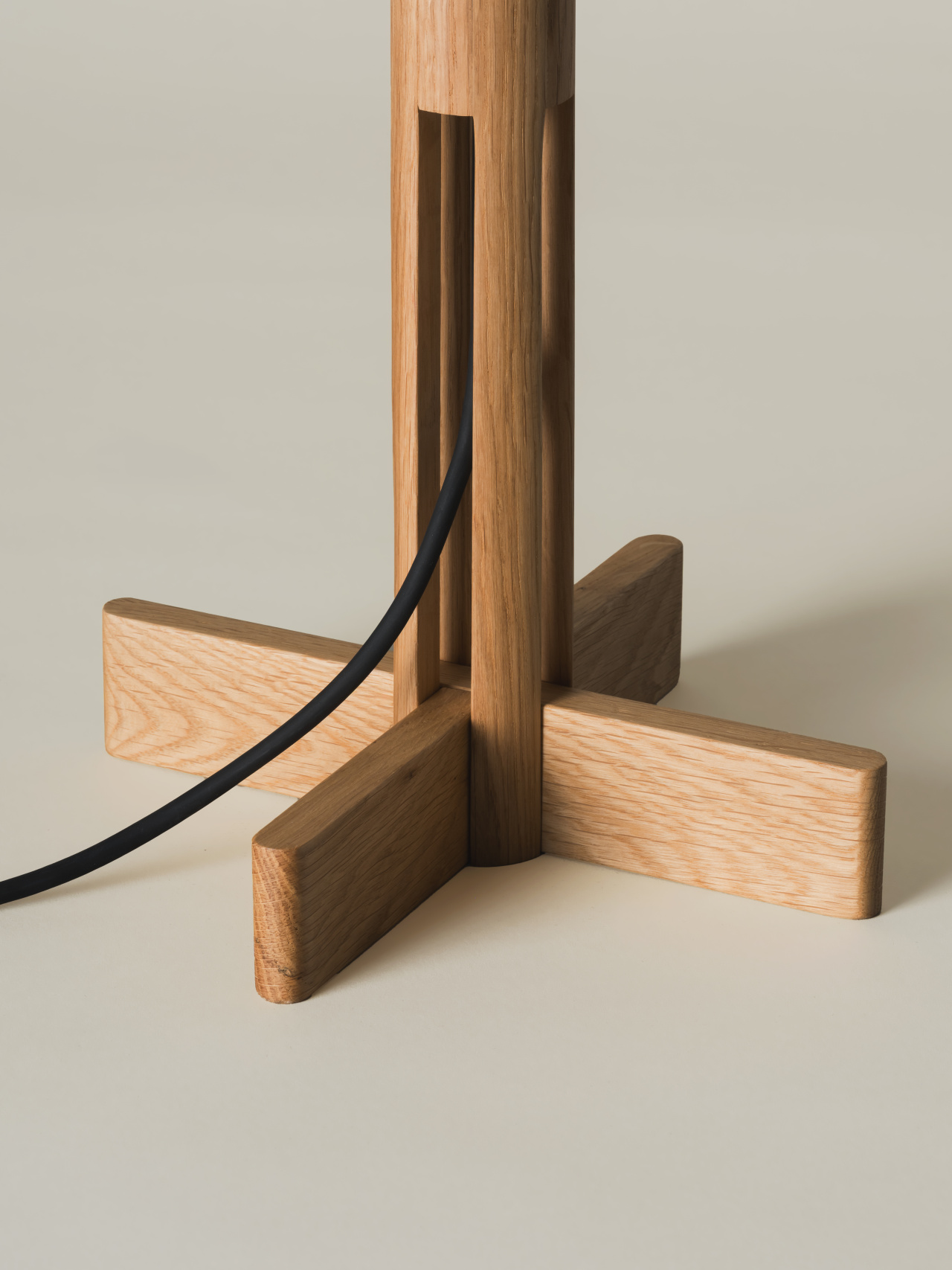
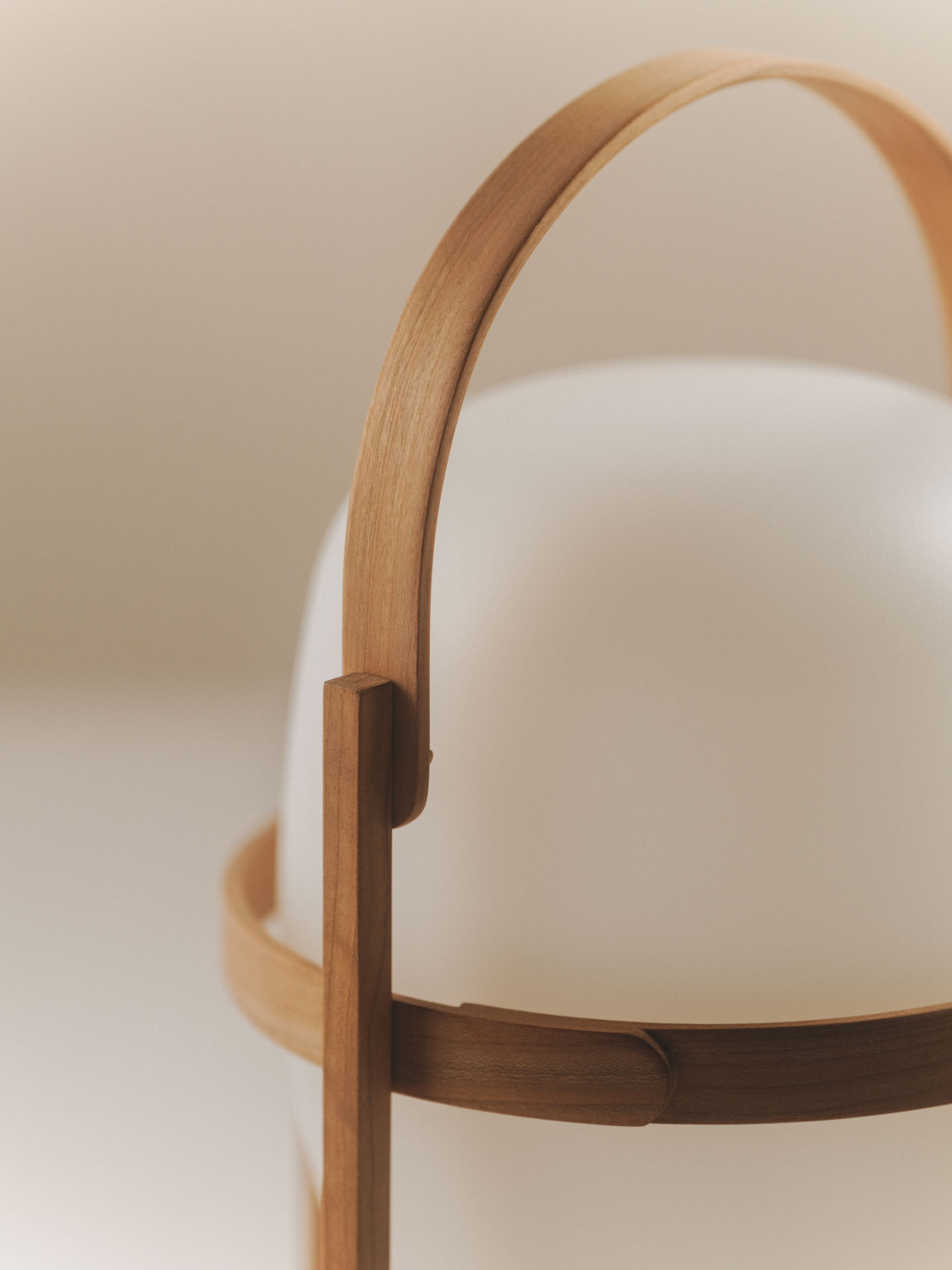
Wood responds to its environment — heat, humidity, direct sun all affect it over time, so it’s worth keeping pieces away from prolonged exposure to any of them. For cleaning, a soft slightly damp cloth following the grain, and dry straight away.
Waxed finishes benefit from a coat of colourless wax once a year: apply evenly across the whole surface, let it dry, then buff with a clean cloth.
Metal
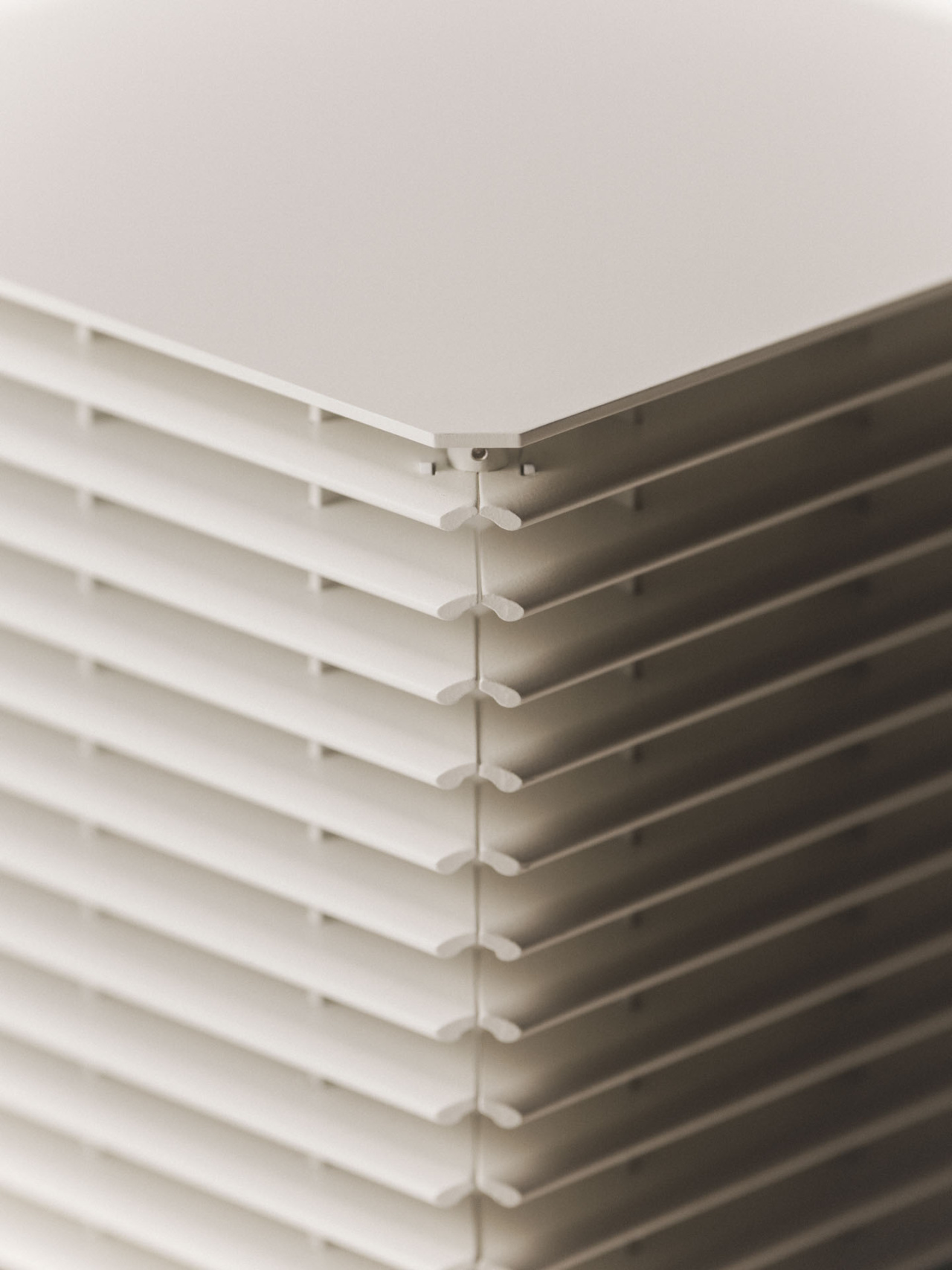
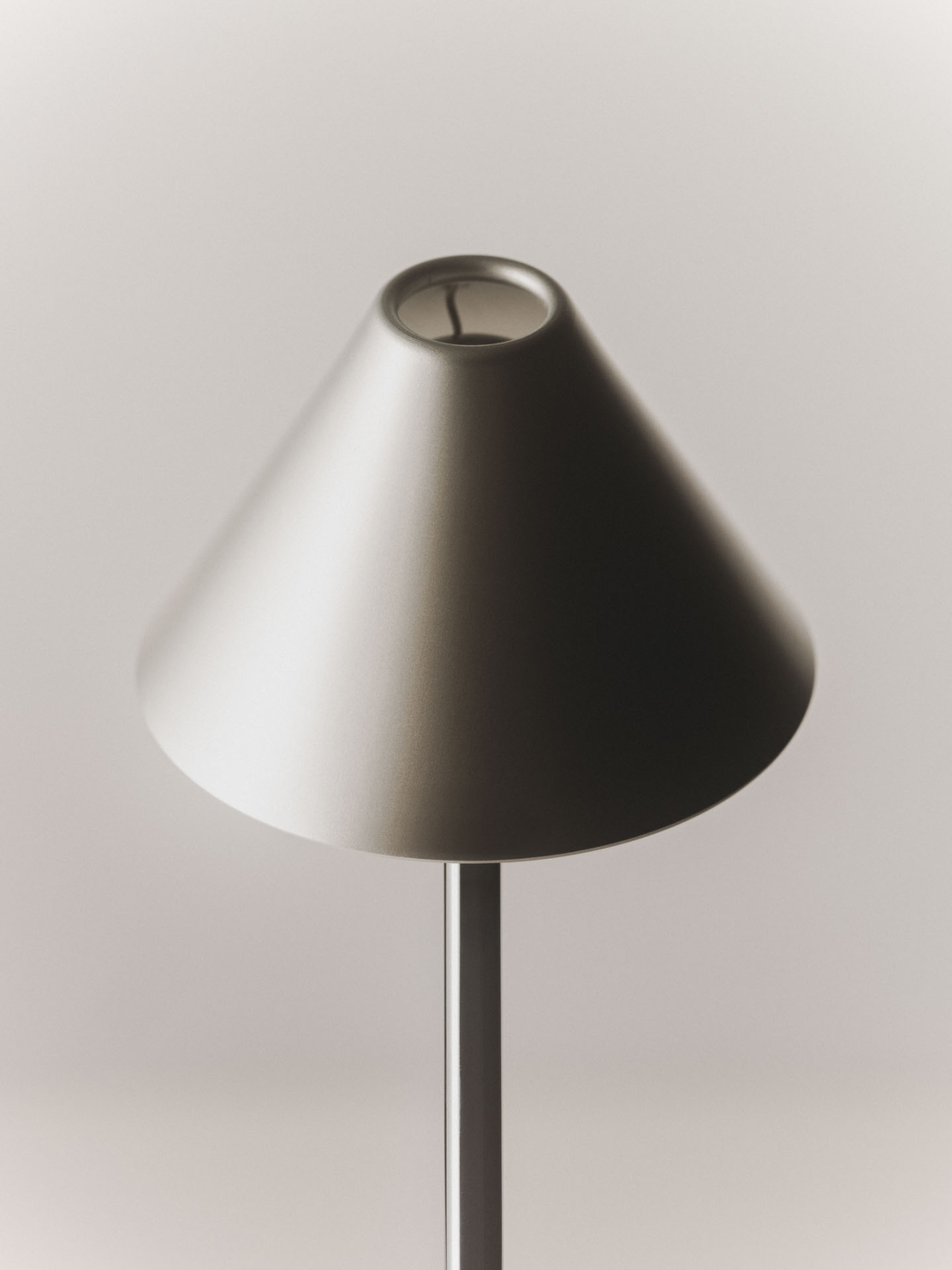
Dust with a dry cloth or feather duster; abrasives will scratch the surface regardless of finish. For stains, the approach depends on the finish: painted metal responds to a non-abrasive cleaner or neutral soap; polished aluminium to water and neutral soap (check first that the soap is metal-compatible); gold, bronze, nickel and chrome plating to a microfibre cloth with neutral soap or non-abrasive glass cleaner, then dried; anodised aluminium is the most resistant — water usually does the job, with neutral soap as backup.
Parchment and Washi Paper
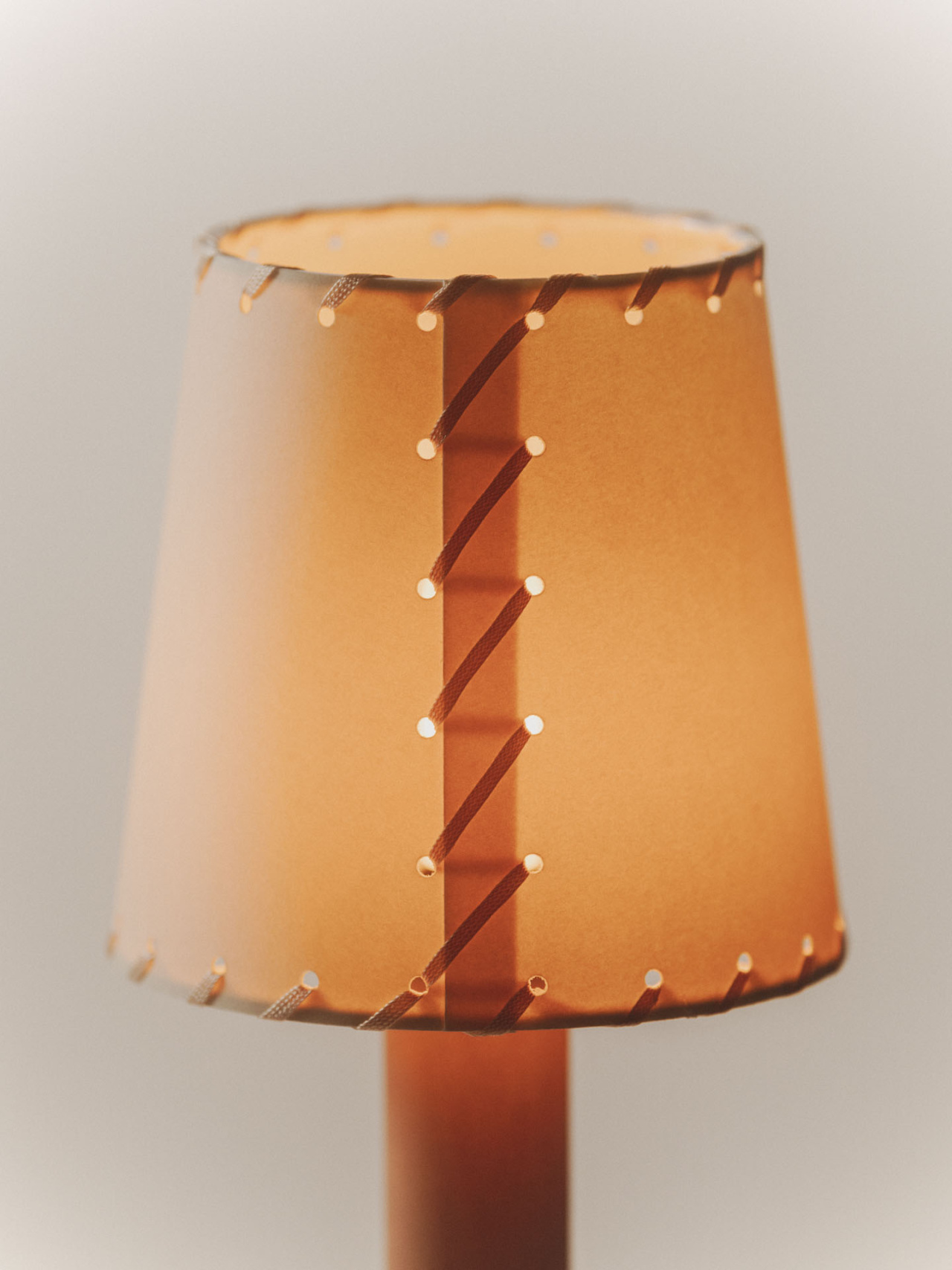
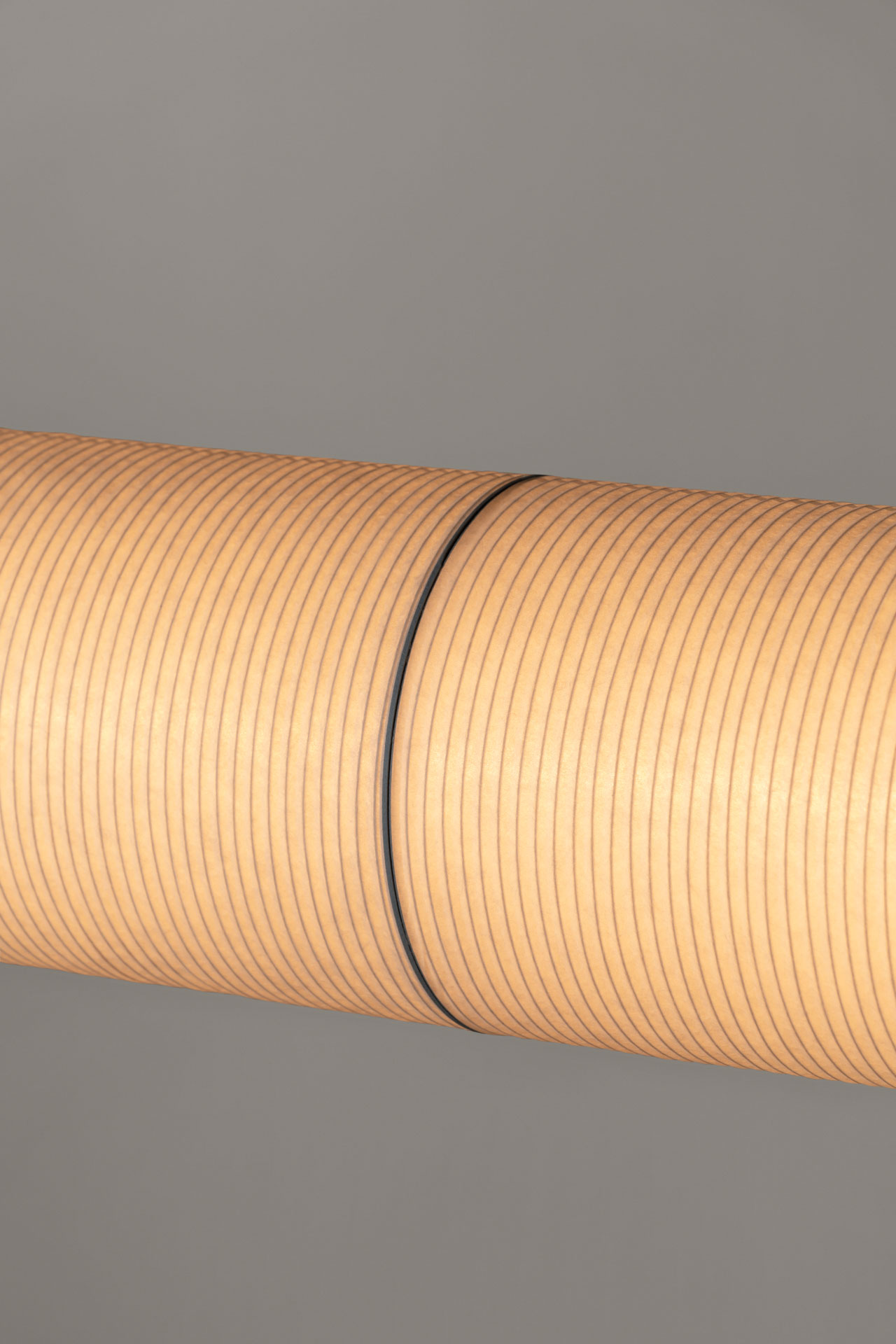
These shades are delicate and should be treated as such. A dry cloth to remove dust. For marks, a white eraser without pressing. Nothing wet.
Fabric
For linen and cotton, a soft cloth or brush lifts dust easily. Stains respond well to dry foam; if something persists, a damp cloth in circular movements.
Synthetic fabrics (polyester and nylon) are more straightforward: a soft cloth with warm water, and neutral soap if needed. With any fabric, avoid ammonia, solvents and abrasives.
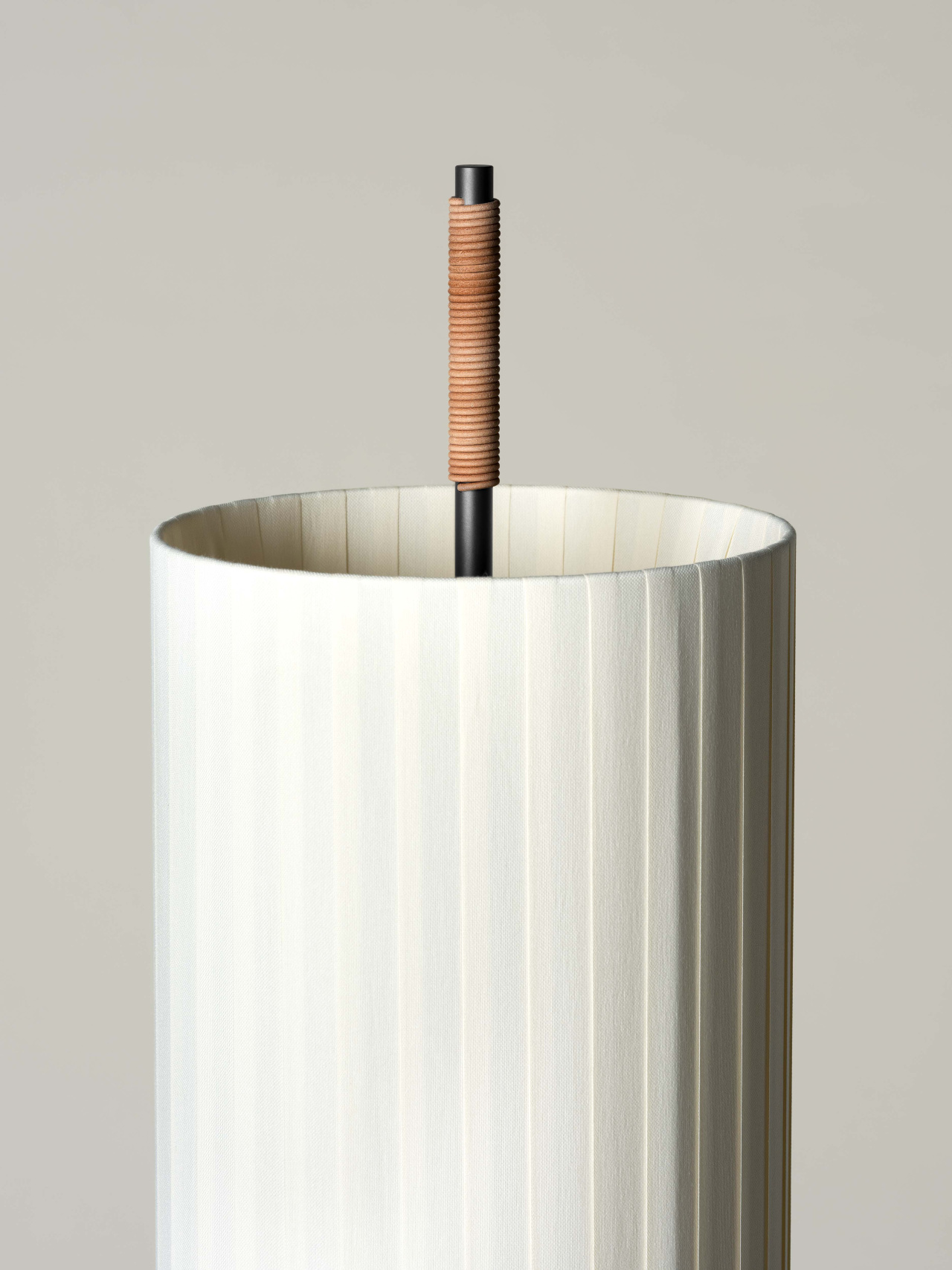
Alabaster
Soft cloth, slightly damp, with warm water and neutral soap, using circular movements.
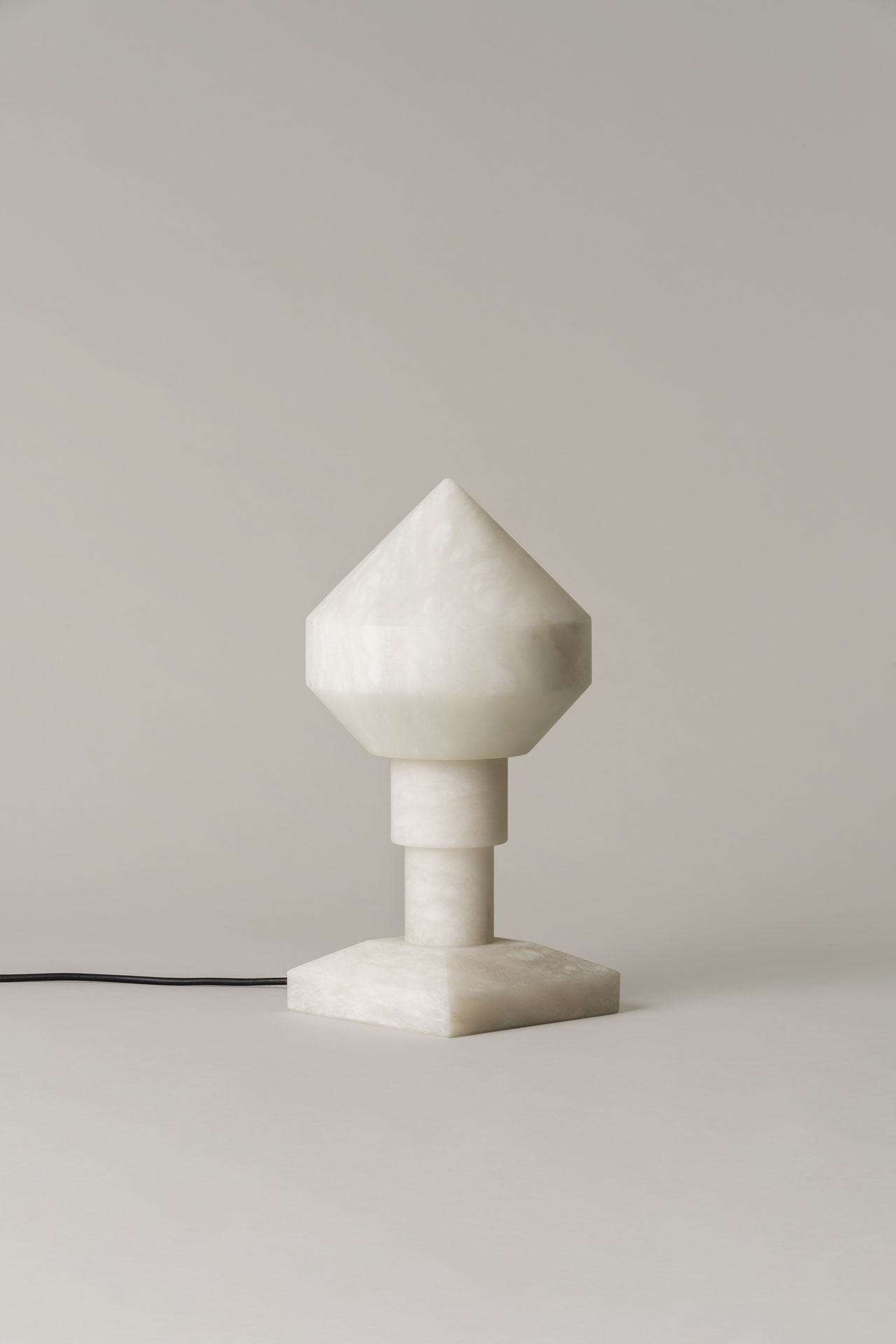
Glass and Ceramics
Nothing grainy — a smooth cloth with neutral soap or glass cleaner, and dry immediately after.