Hibi Kitasenju
Takamitsu Kitahara turns the industrial traces of a Tokyo building into a restaurant and refuge, lit by TMM wall lamps and the Arne Domus. “They gently reveal the textures of the materials and bring a sense of comfort to the space.”

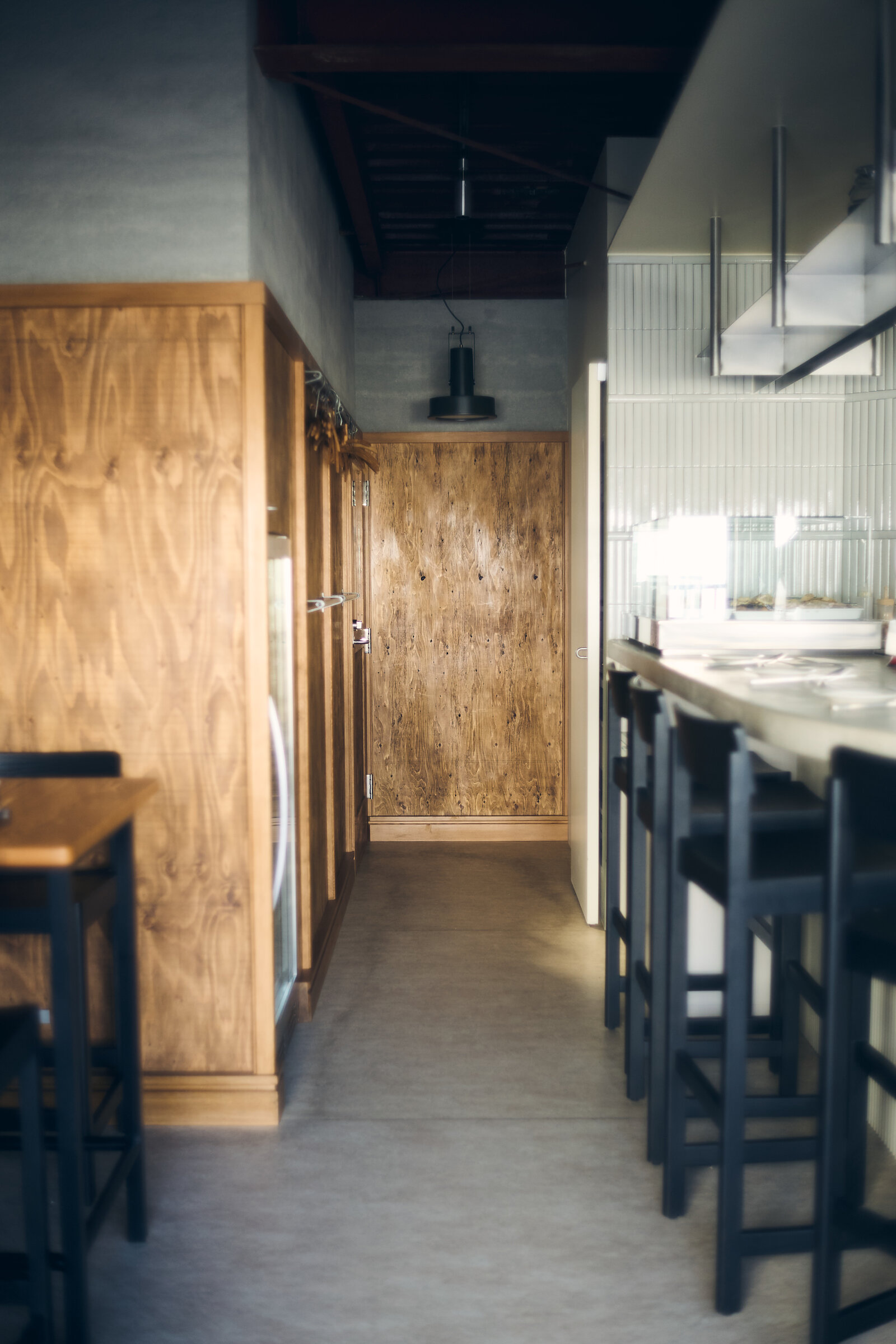
Hibi sits in Tokyo’s eclectic Kitasenju neighborhood. The restaurant grows out of the building’s layered history and the tireless energy of a city like this one. During the renovation, stripping away the old finishes uncovered hidden steel beams and corrugated metal panels. The team chose to keep them rather than cover them up. They became part of the place’s memory, so its past stays present too.
Takamitsu Kitahara leads the MEMEMENT studio, and his approach resists neutralizing anything. Different textures and contrasts are allowed to coexist. “We layered a minimalist counter, classical details on the walls, and the building’s existing industrial structure, creating different spatial compositions depending on where you sit and where you look,” Takamitsu explains.
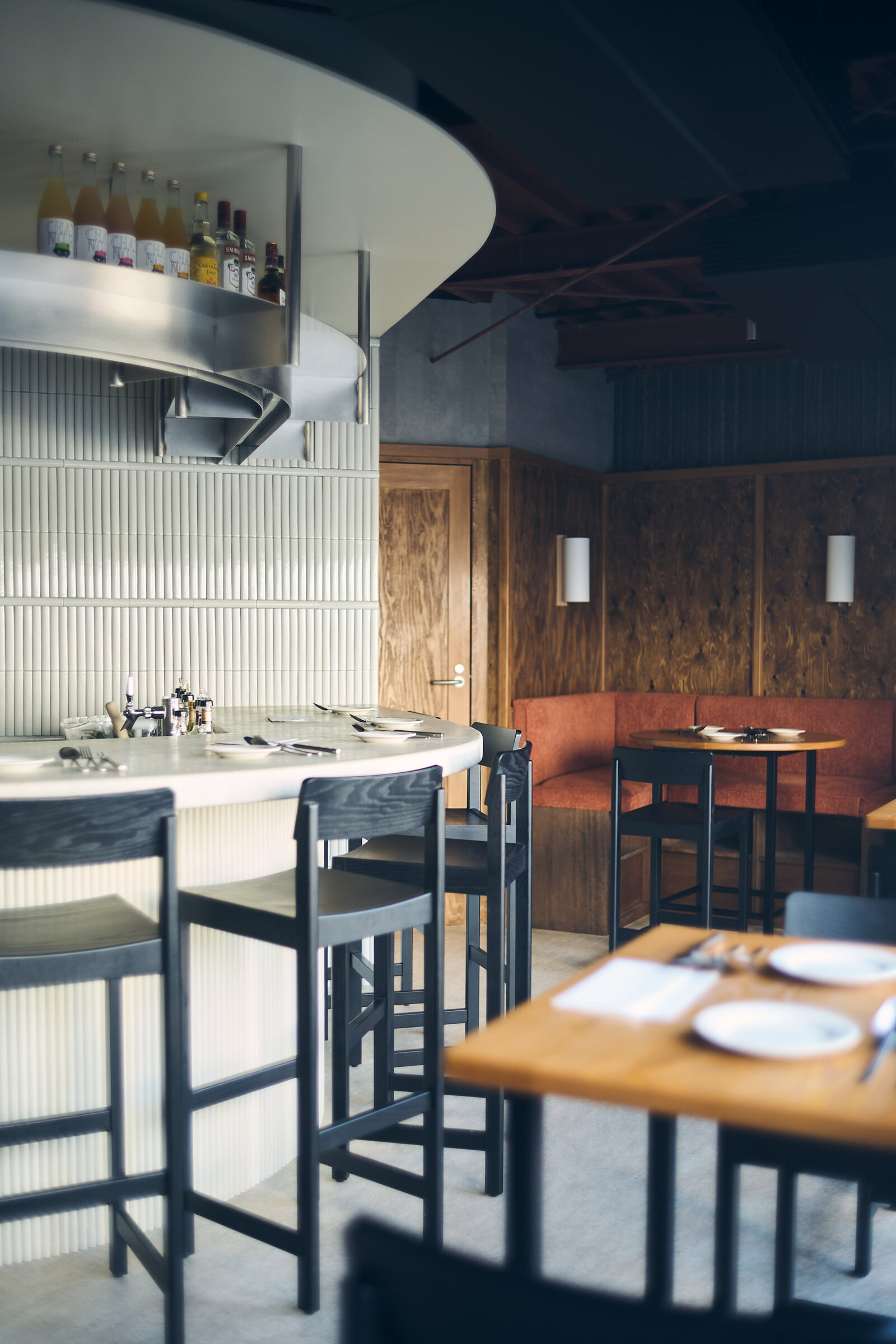
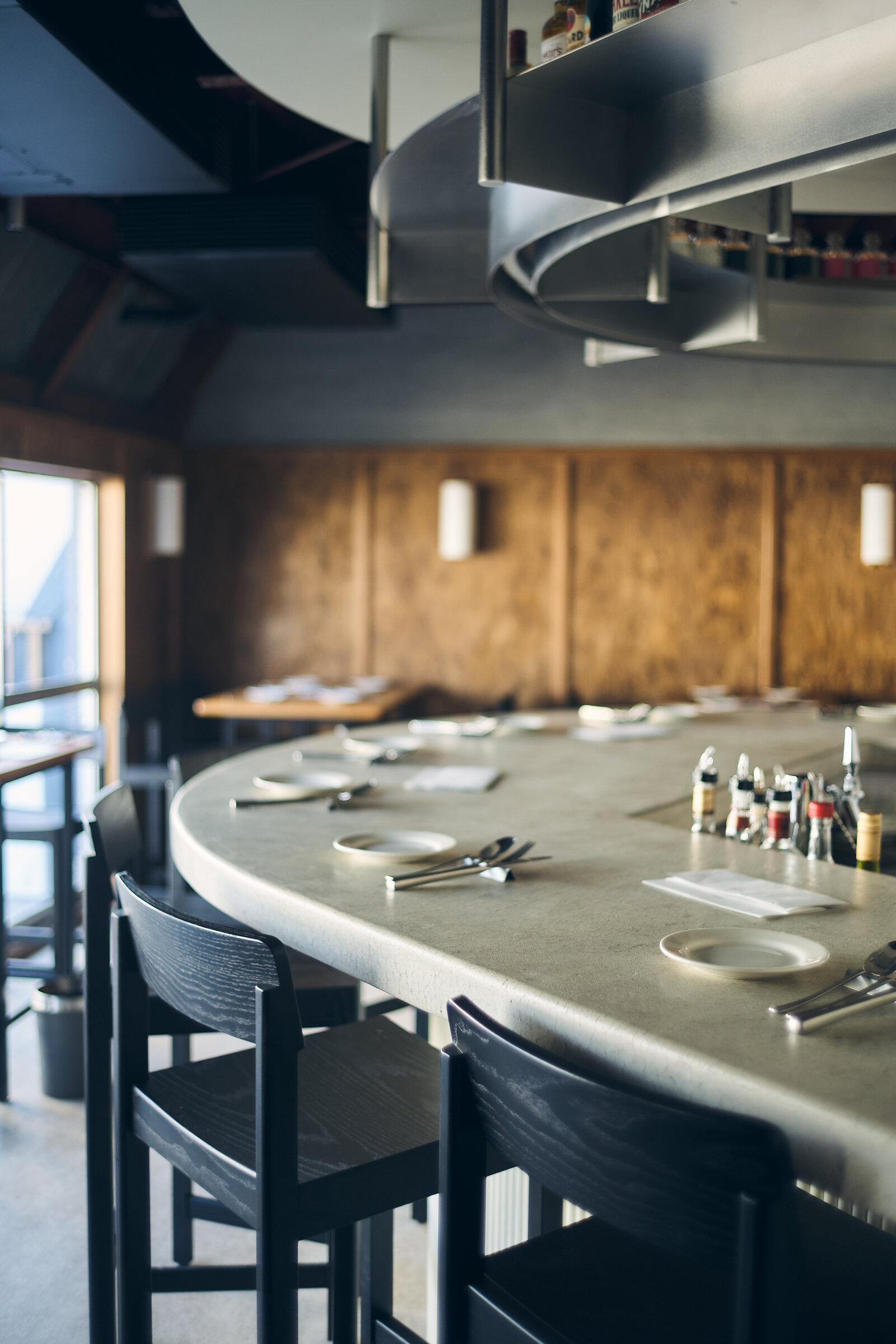
Once you’re through the door, the rush of the street settles into stillness. What’s left is a refuge built around food, wine, and conversation. At the center of the room, a circular open kitchen gathers the service and creates a lively axis where glances and movement cross, spreading a warm sense of human presence through the whole space.
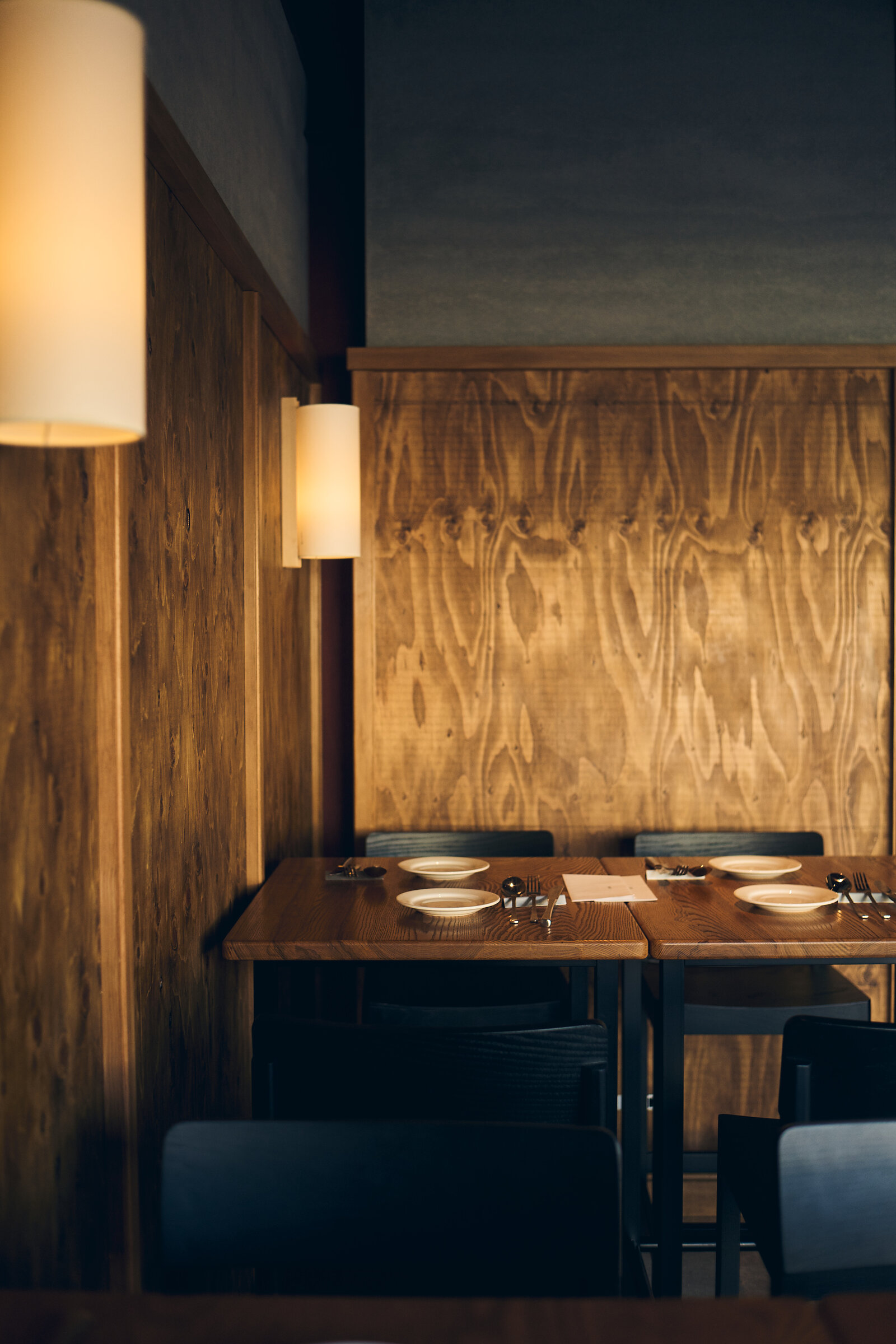
The central counter keeps to a restrained range of whites and beiges, combining vertical tiles, stainless steel, and plaster finishes. Stucco artisans worked the countertop by hand, giving it a texture that recalls unglazed ceramics and serves as a canvas for the color of each dish. Around it, wood paneling, moldings, and upholstered sofas add a classical note, while solid wood tables bring warmth and closeness. Overhead, the original steel frames and metal sheets stay exposed as a reminder of where it all began.
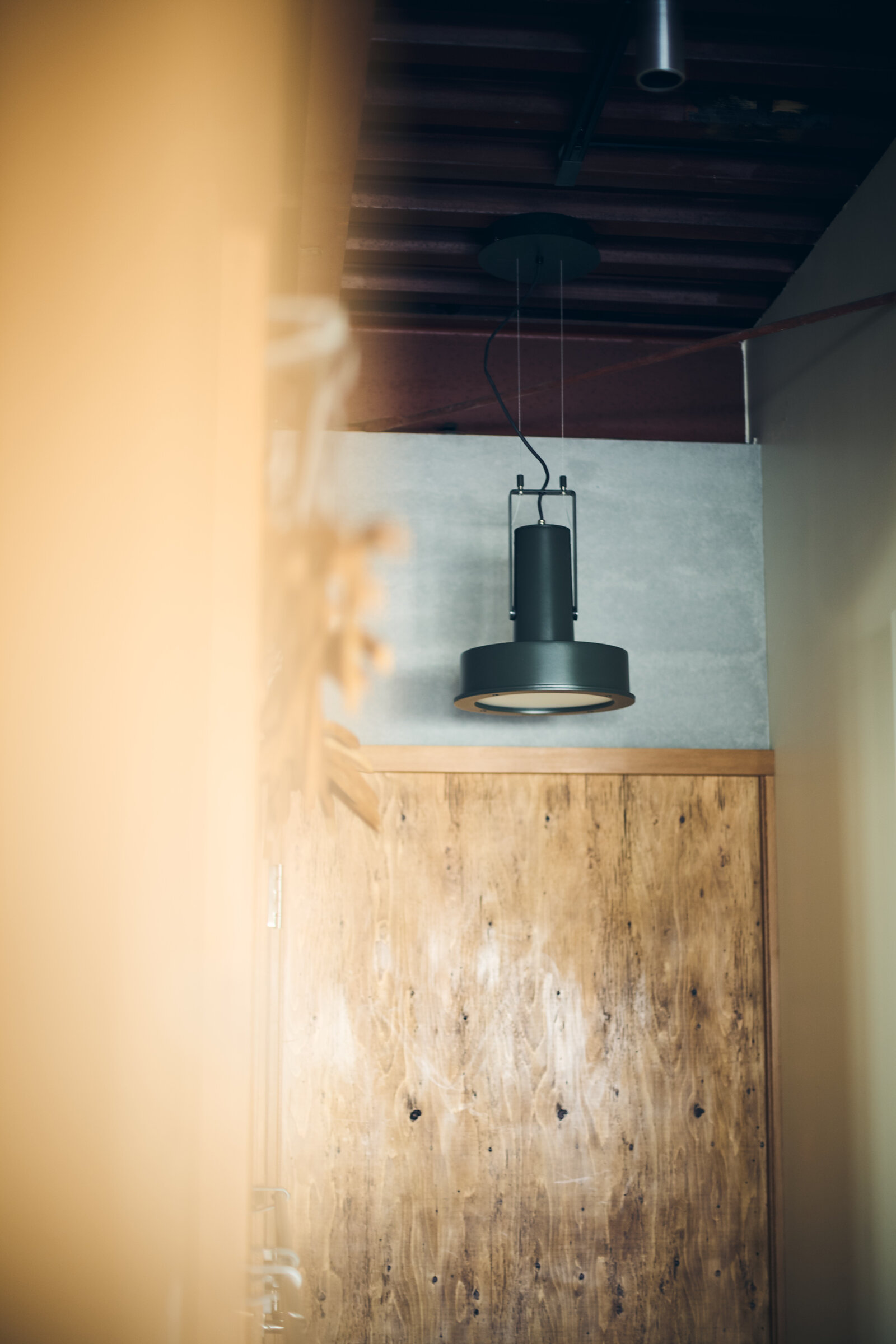
In this layered space, light is what holds everything together. The TMM wall lamps sit against the wood-paneled, molded walls and quietly link ornamental tradition with the restaurant’s minimalism. The Arne Domus welcomes guests at the entrance, and its industrial profile echoes both the exposed structure and the more pared-back elements of the interior.
For Takamitsu, choosing our lamps came down to how well they bring out the character of the architecture and materials without overshadowing them. “At Hibi, we value not only the quality of the light but also the design of the fixtures themselves. They create subtle connections between contrasting architectural elements, gently revealing the textures of the materials and bringing the space together with comfort,” the designer says. In his view, an interior is never a finished form. It’s a place in progress, still being written by the people who use it and by the passing of time.

TMM Largo 1964, Miguel Milá