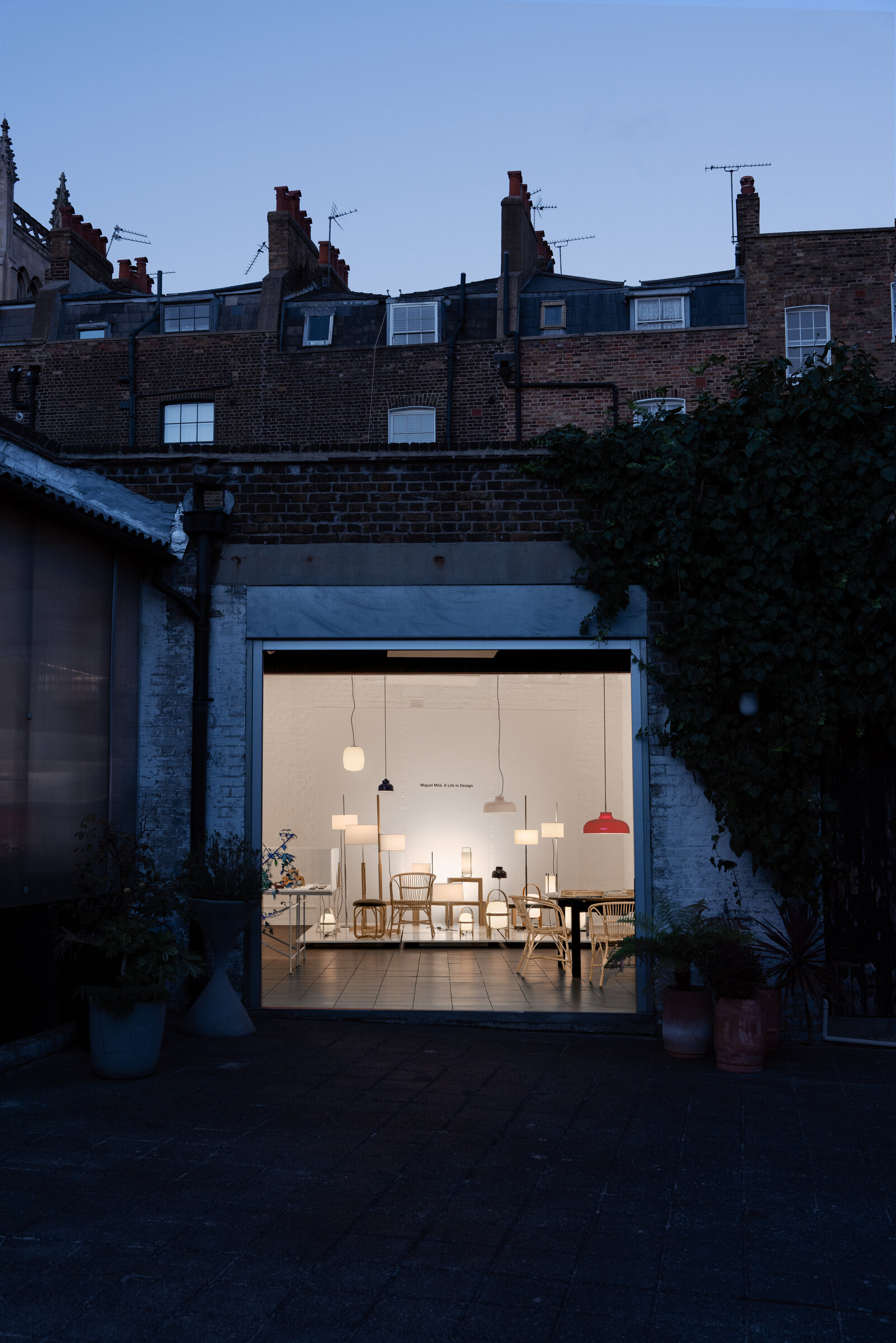
Miguel Milá. A Life in Design
at Twentytwentyone
A designer who created the things he needed, in a country that had yet to discover design, until those objects outlasted the commissions that gave rise to them.
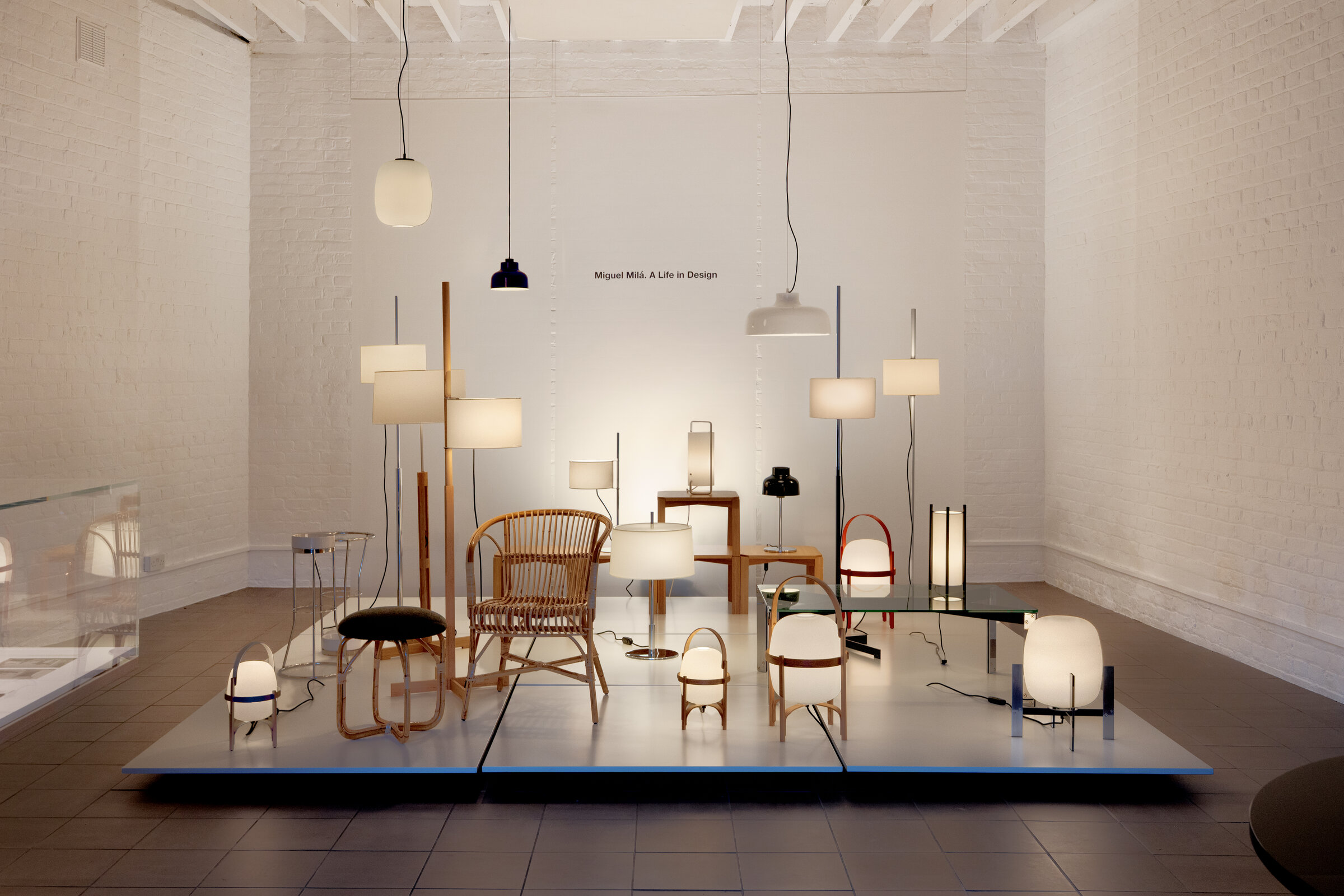
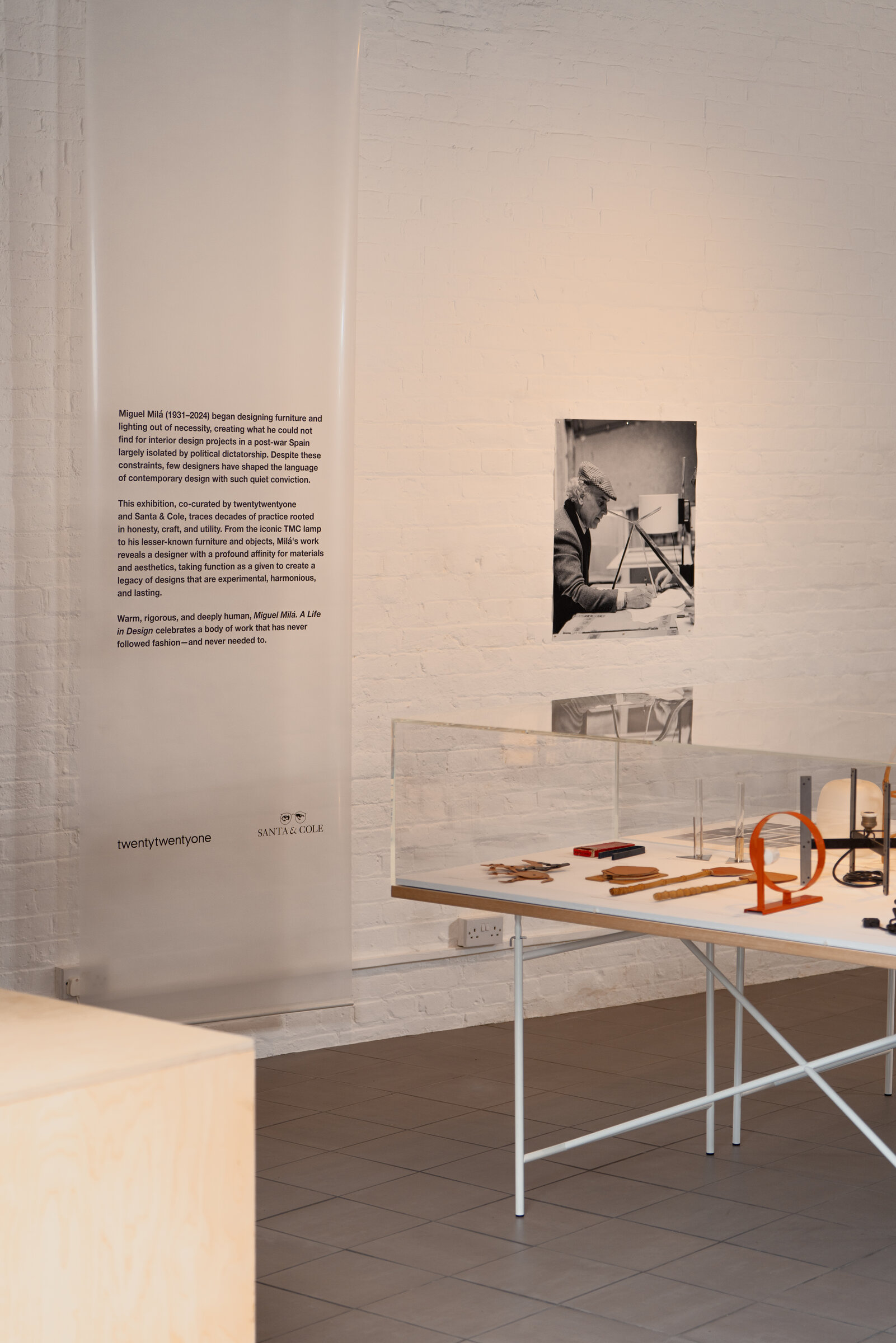
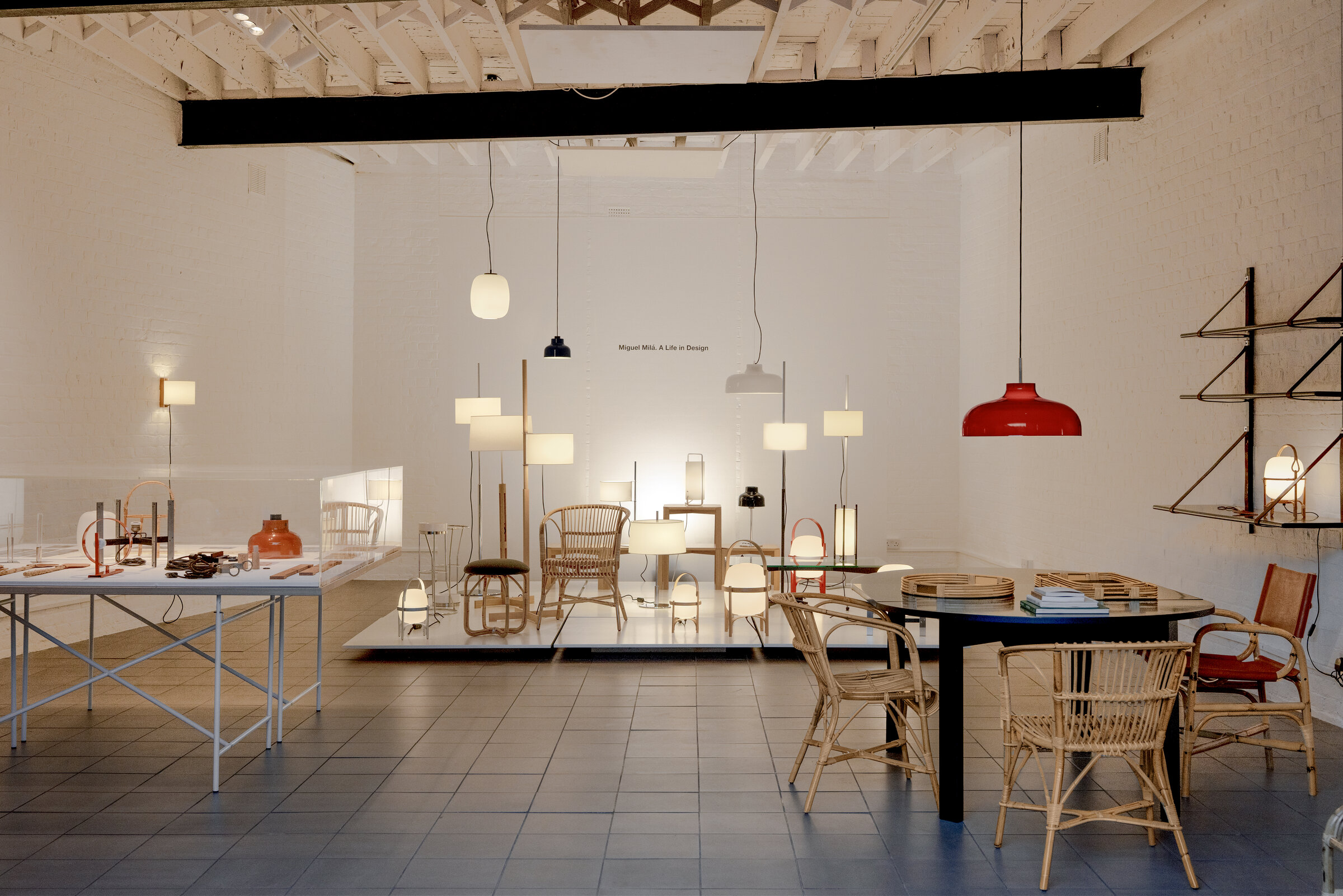
Miguel Milá (1931–2024) began designing furniture and lighting out of necessity. To create what he could not find, for interior design projects in a post-war Spain largely isolated through political dictatorship. Remarkably within these constraints, few designers have shaped the language of contemporary design with such quiet conviction as Miguel Milá.
This exhibition, co-curated by Santa & Cole and Twentytwentyone, traces decades of practice rooted in honesty, craft and enduring utility. From the iconic TMC lamp to his lesser-known furniture and objects, Milá’s work reveals a designer with a profound affinity for materials and aesthetics, taking its core function as a given. Creating an important legacy of designs, pioneeringly experimental, diverse, harmonious, influential, and lasting.
Warm, rigorous and deeply human, Miguel Milá: A Life in Design celebrates a body of work that has never followed fashion — and never needed to.
Practice
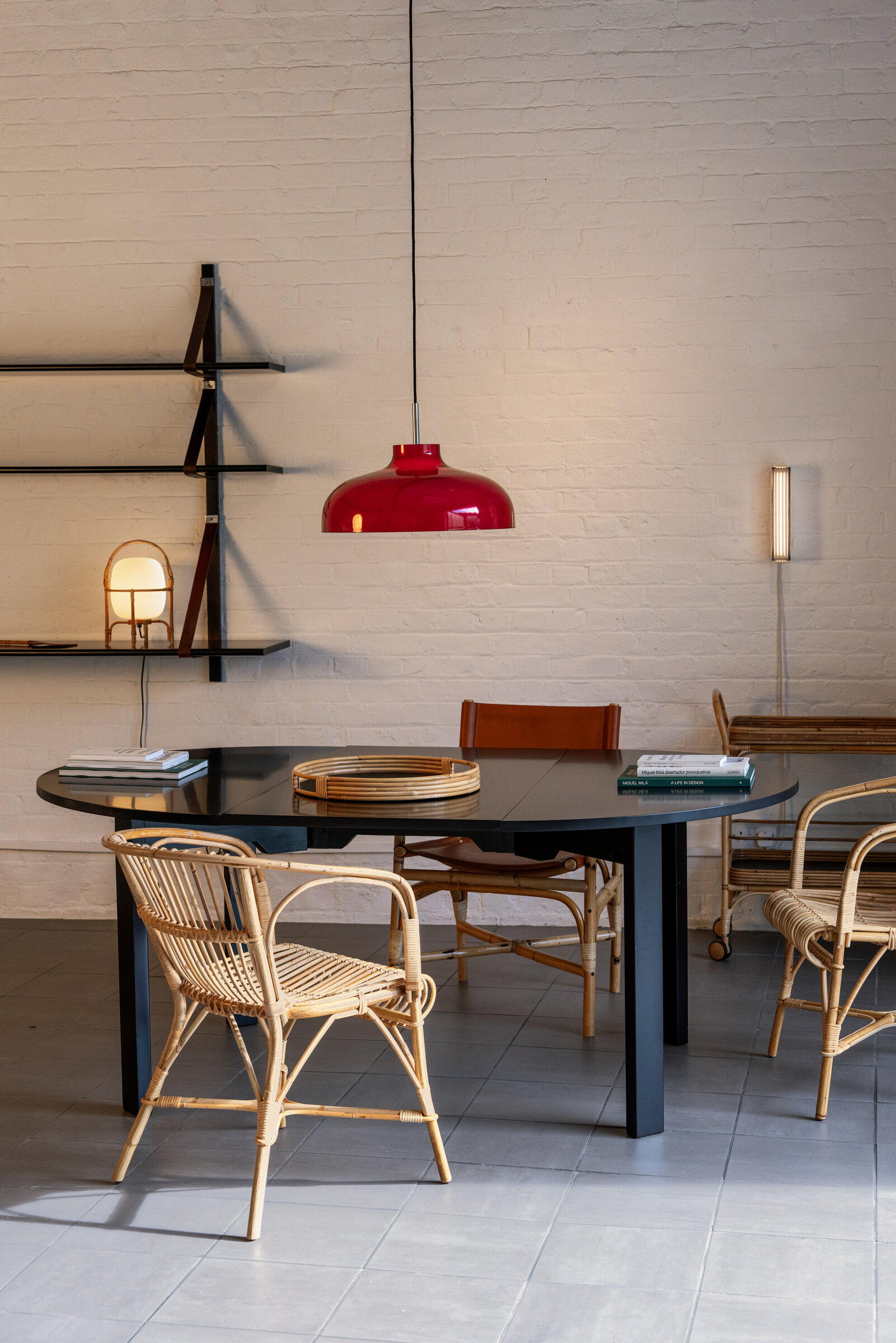
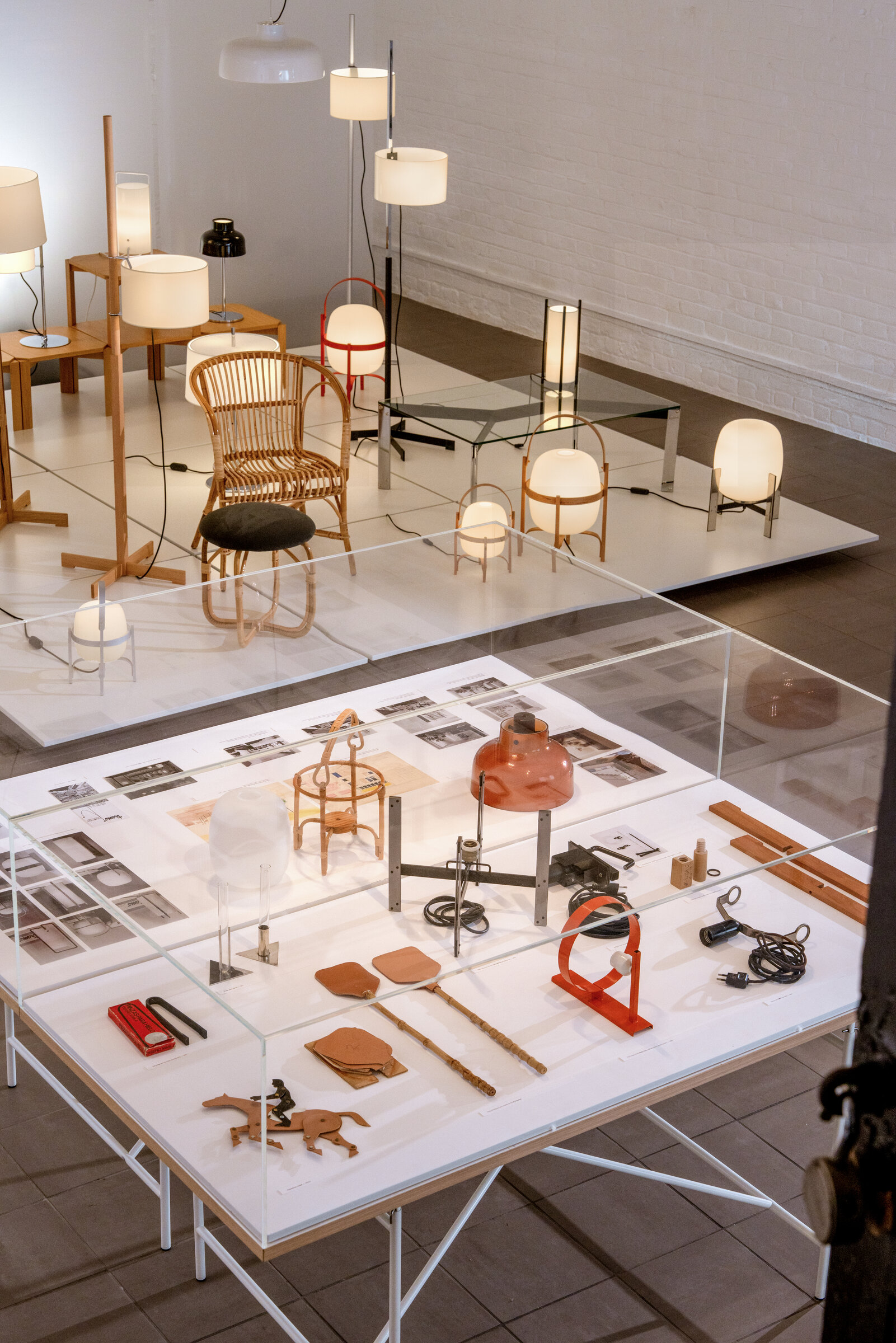
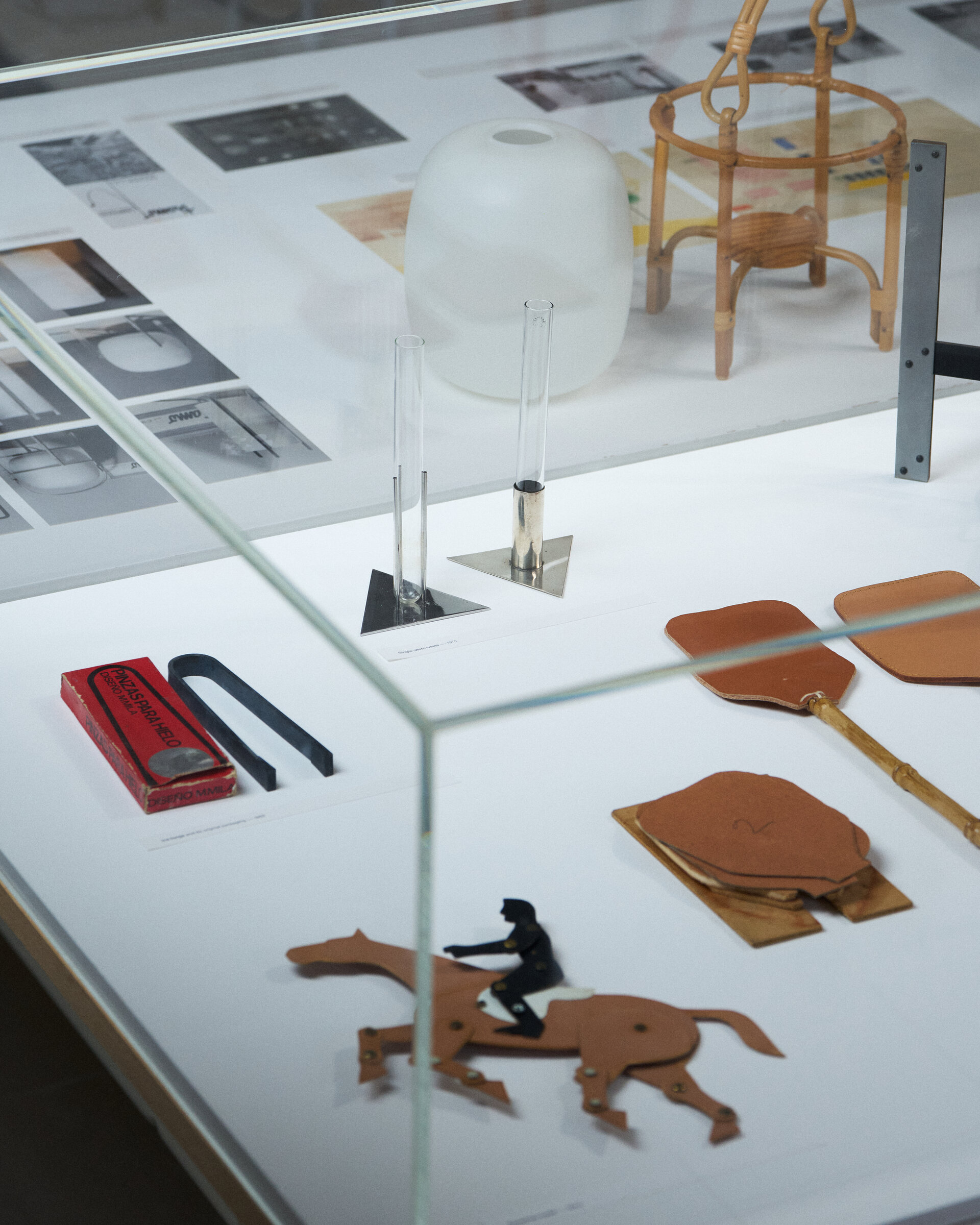
Unable to find a fly swatter his wife could bear, Miguel Milá made her one from cane and leather. He also made toys for the kids, Christmas cards for his family and friends, small objects with no client and no brief other than the pleasure of the problem. These are not footnotes to his design work; they are the same impulse, and the same enjoyment.
For Miguel, design was not an activity separate from daily life. His practice was born of a constant attentiveness to the ordinary and of the capacity to turn that observation into objects that were new, precise, and gentle.
What is gathered here speaks to the man as much as the designer. He noticed what other people used without noticing. He made things with care and without ceremony. He had the ease of someone with nothing to prove.
Context
In Franco’s Spain of the 1950s, a modern interior had a problem: there was almost nothing to put in it. Foreign design catalogs barely circulated. The objects the new architecture demanded simply did not exist.
Miguel Milá came to design through this gap. Working in the Barcelona studio of his brother Alfonso and Federico Correa, two architects committed to bringing a rational, modern sensibility to post-war Spain, he began making the lamps and furniture their interiors required. The blacksmith at the corner and the carpenter down the street were his factories.
His method, by his own account, was not methodical at all. He collected impressions, on the street, on his motorbike, and let them settle. “I’ve been thinking about it for months,” he would say when an idea finally came, “and then it seems like it arrived in a minute.” That, he called “documented intuition.”
The drawings presented are Federico Correa’s. Together with photographs of those interiors, they show what that world looked like: clean lines, spare surfaces, a new language of living. Among the objects filling them, you will recognize pieces that are still in production today. What began as a response to scarcity, a commission, a specific client, has long outlasted all of them.
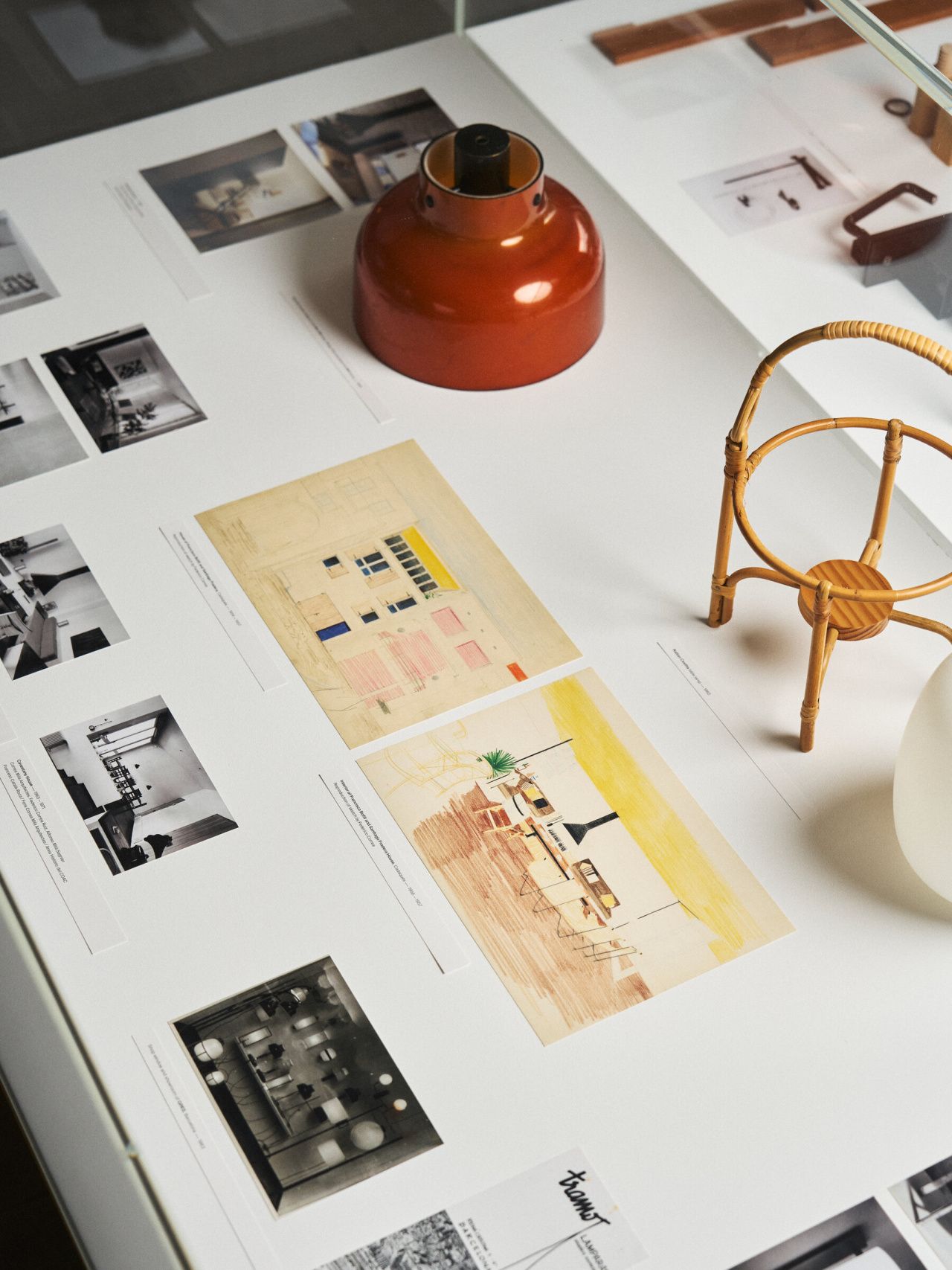
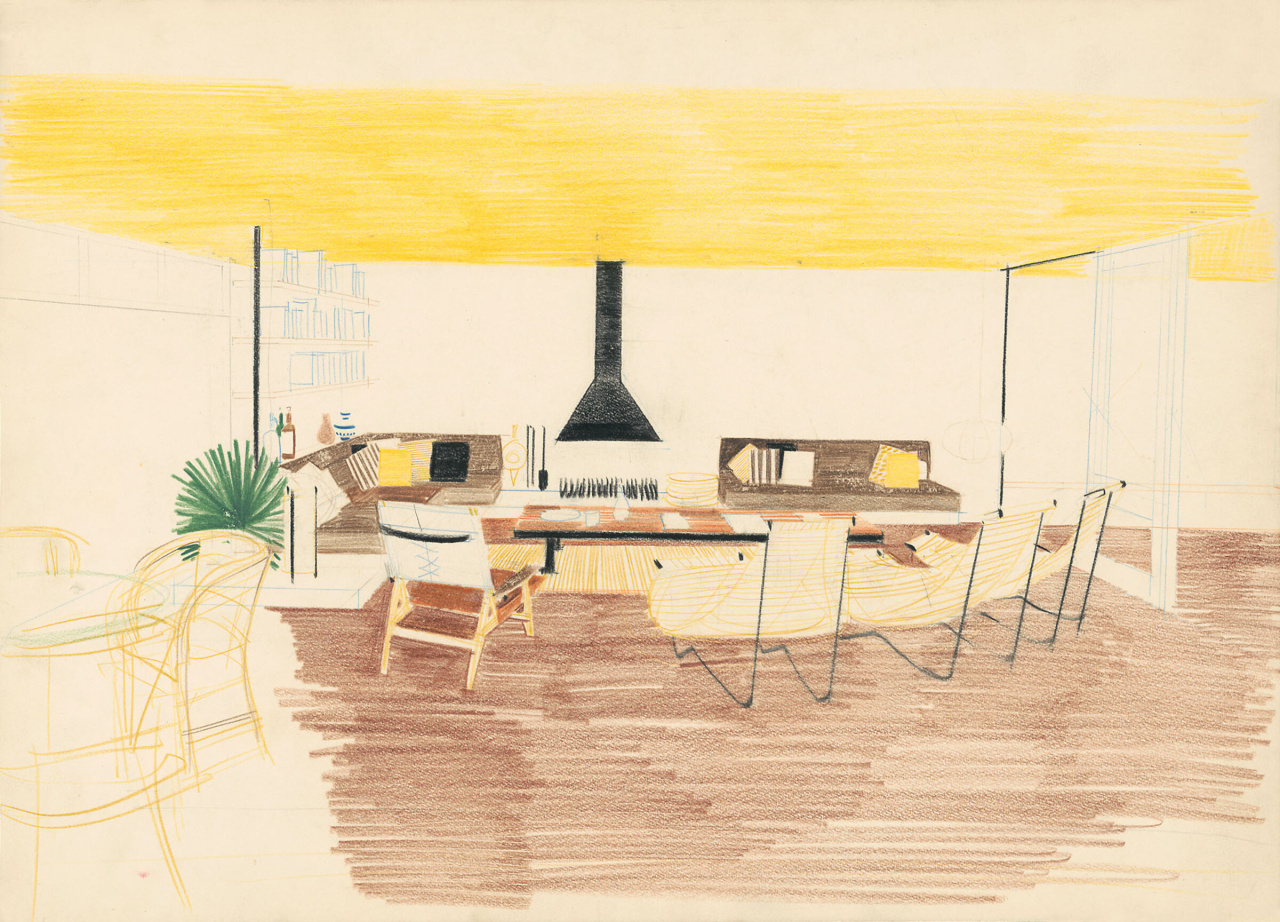
Interior de la casa de Bofill y Fradera, Cadaqués 1956 – 1957, Federico Correa
Industrialisation
In 1957, following the success of some of Miguel Milá’s early lamps, including the Previa, he and two architect friends decided to establish a company that would produce and market their own designs. Miguel wrote the word “Tramo” on a piece of paper. That was the meeting. That was the company.
Tramo was an ironic acronym, as Milá intended, for trabajos molestos (“bothersome tasks”). As a child, he had already turned the name into a small business: he would take on the chores that fell to the youngest in a large family, the thankless errands no one else wanted, and charge his siblings and relatives for the trouble.
Tramo, the company, was the moment the commissions became editions. His lamps stopped being made for one room in one house and became objects that could travel: boxed, labeled, sent. “It was a great luxury,” Milá recalled, “to have printed boxes. I felt like an industrialist.”
Milá left Tramo after three years. Over the decades, his designs have been produced by a range of editors. Santa & Cole has cultivated the most extensive catalog to date.
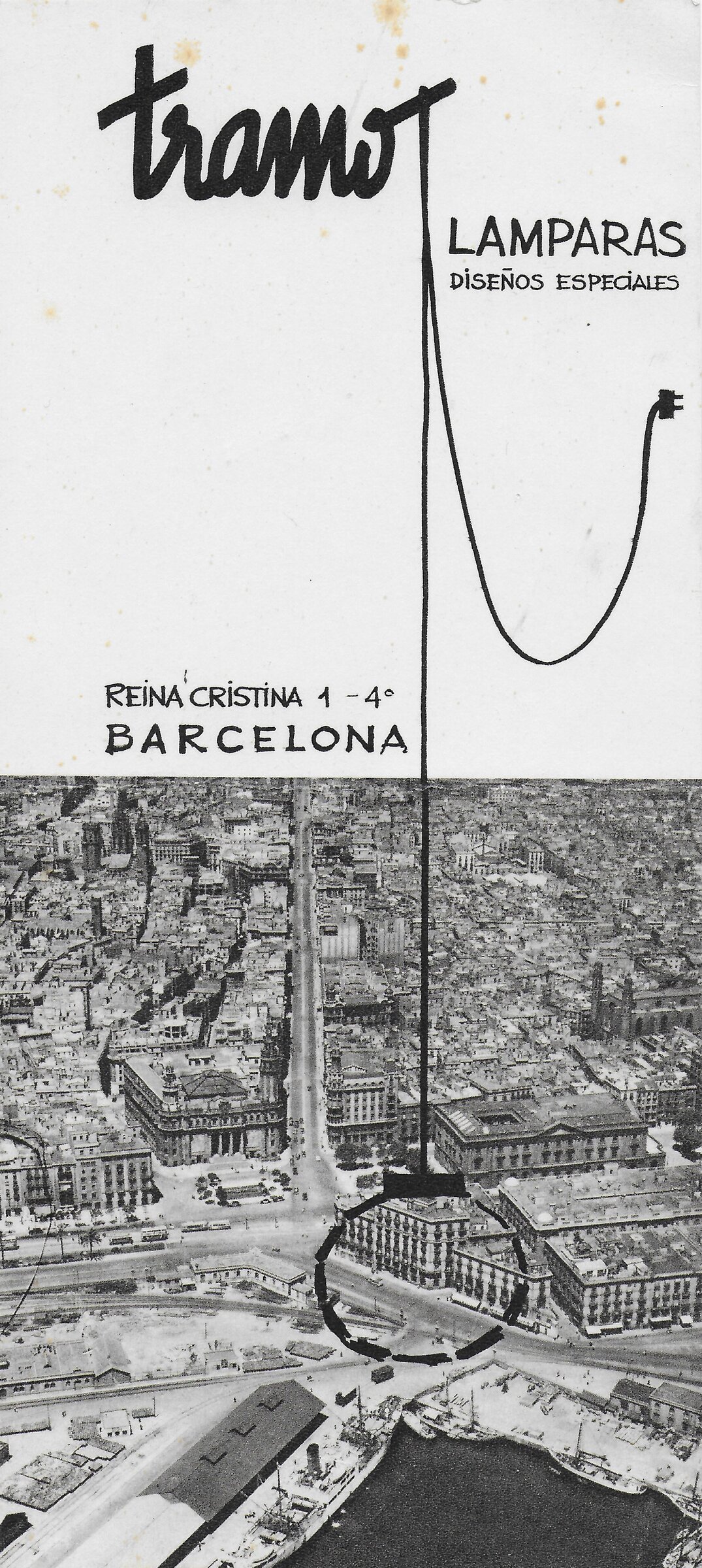
TRAMO card, 1959 (21 × 9 cm)
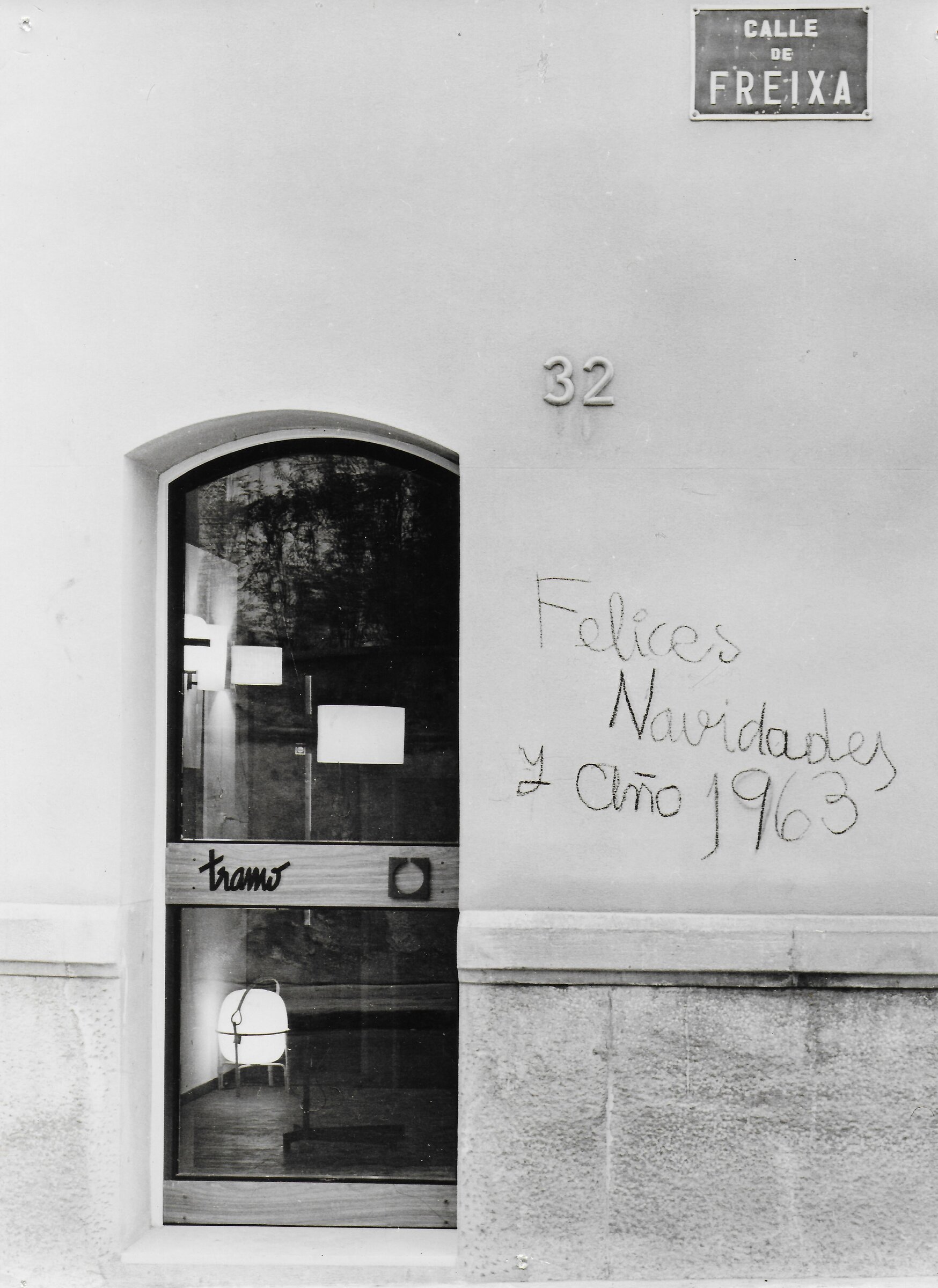
Photograph of the entrance door to the TRAMO workshop, 1963
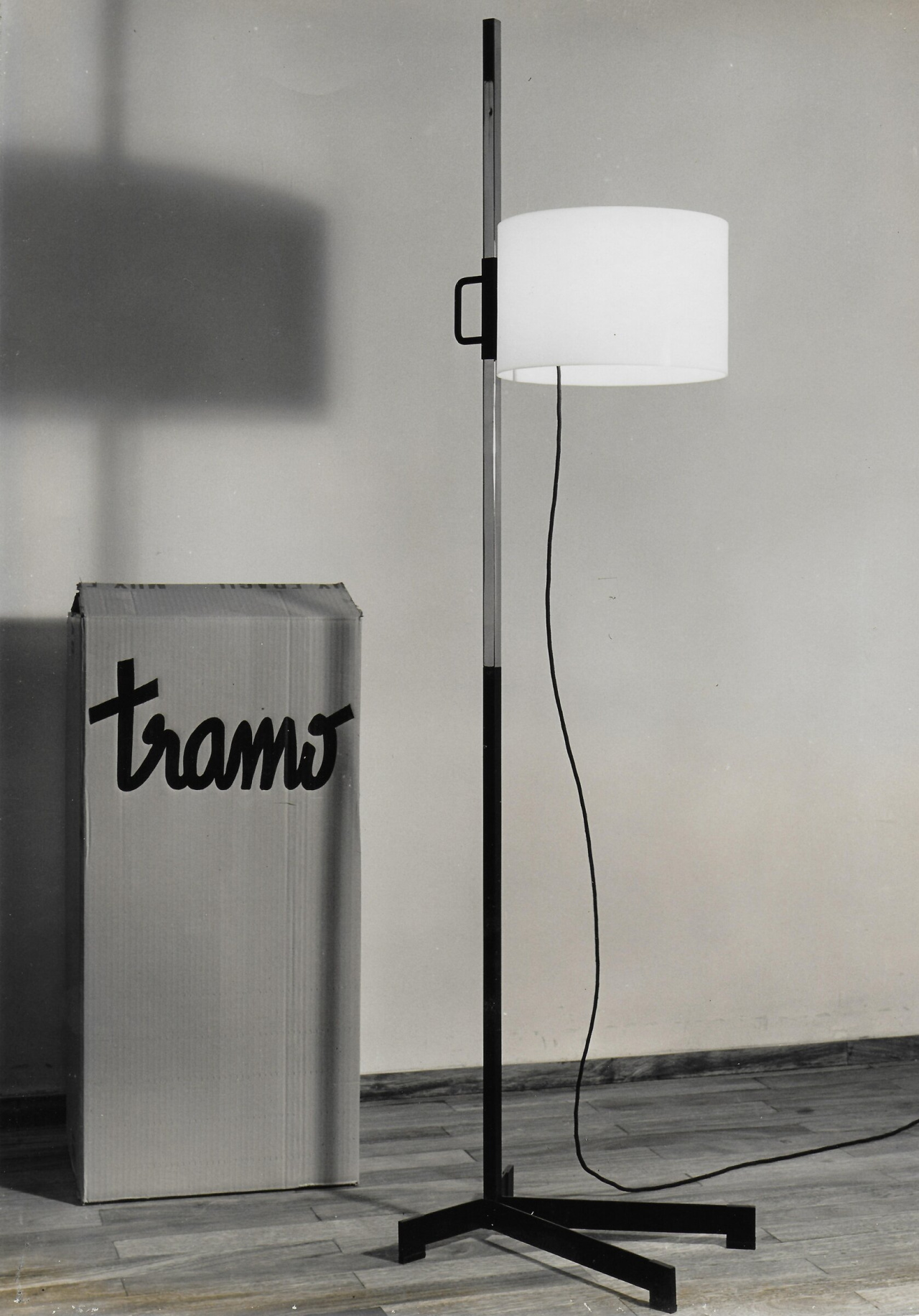
TMC 1961, Miguel Milá
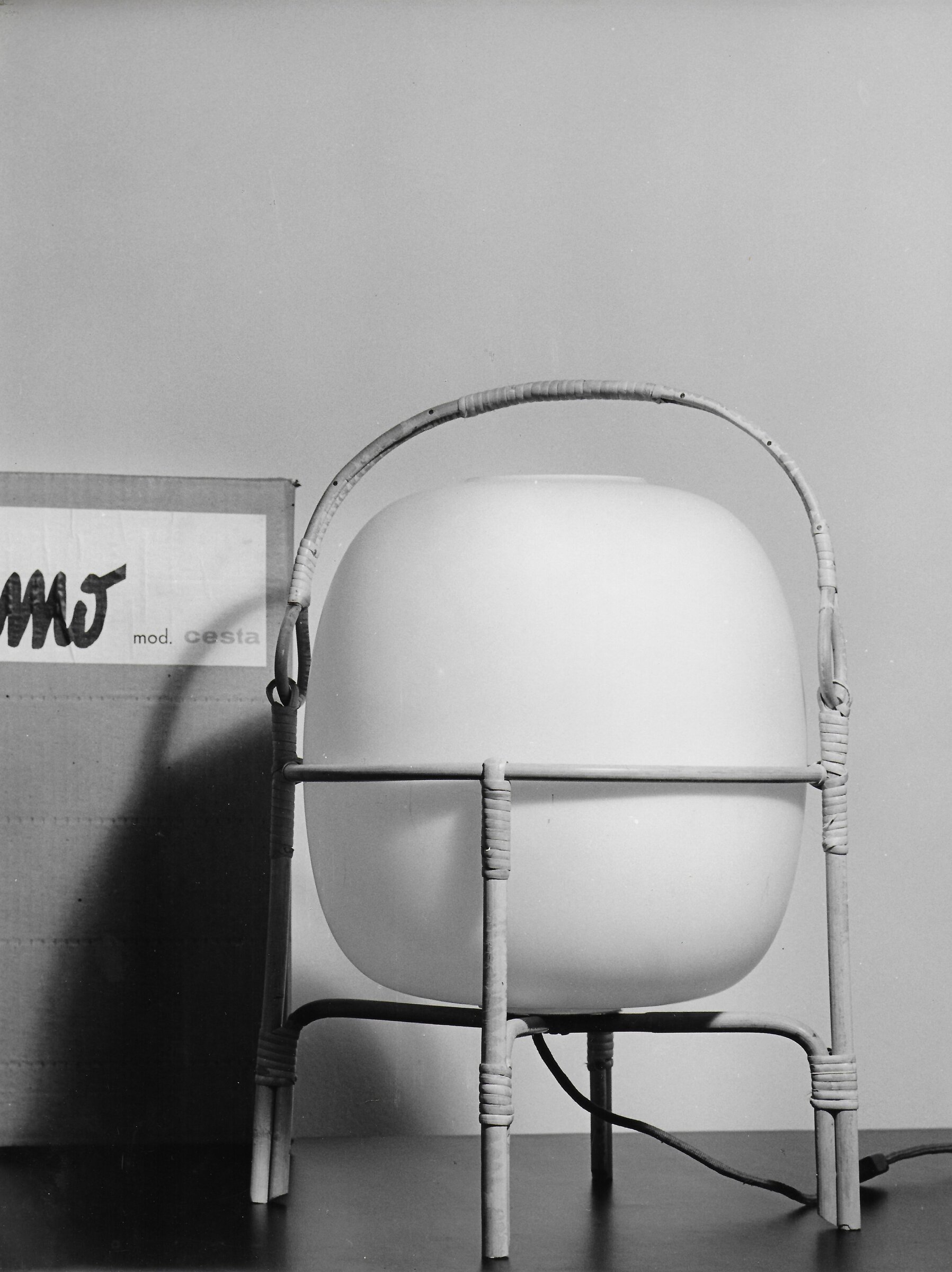
Cesta 1962, Miguel Milá
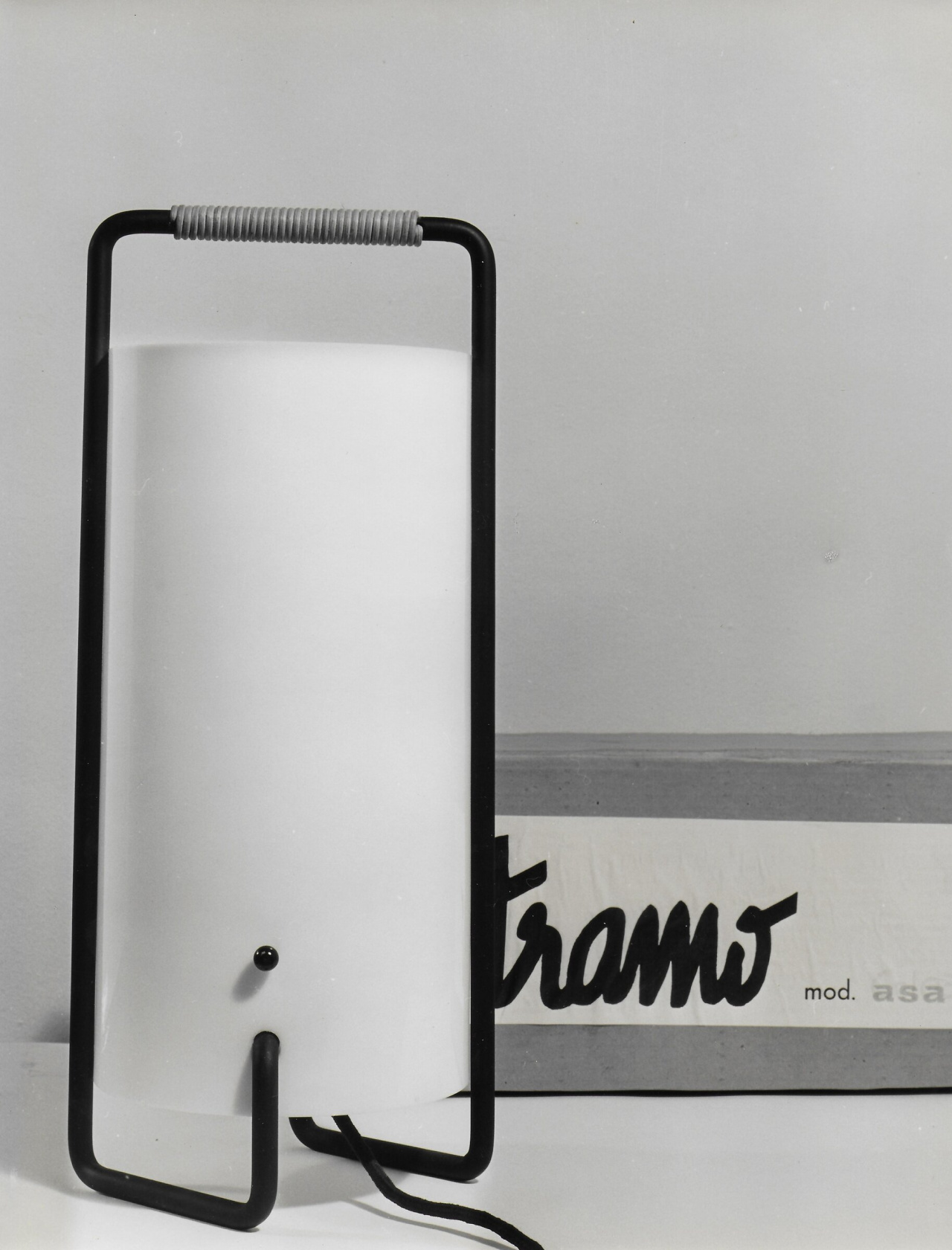
Asa 1961, Miguel Milá
“Milá has known the recipe for naturalness in objects ever since he picked up a pencil, as instinctively as a good cook is able to combine ingredients to make more out of their flavors.”
Jasper Morrison