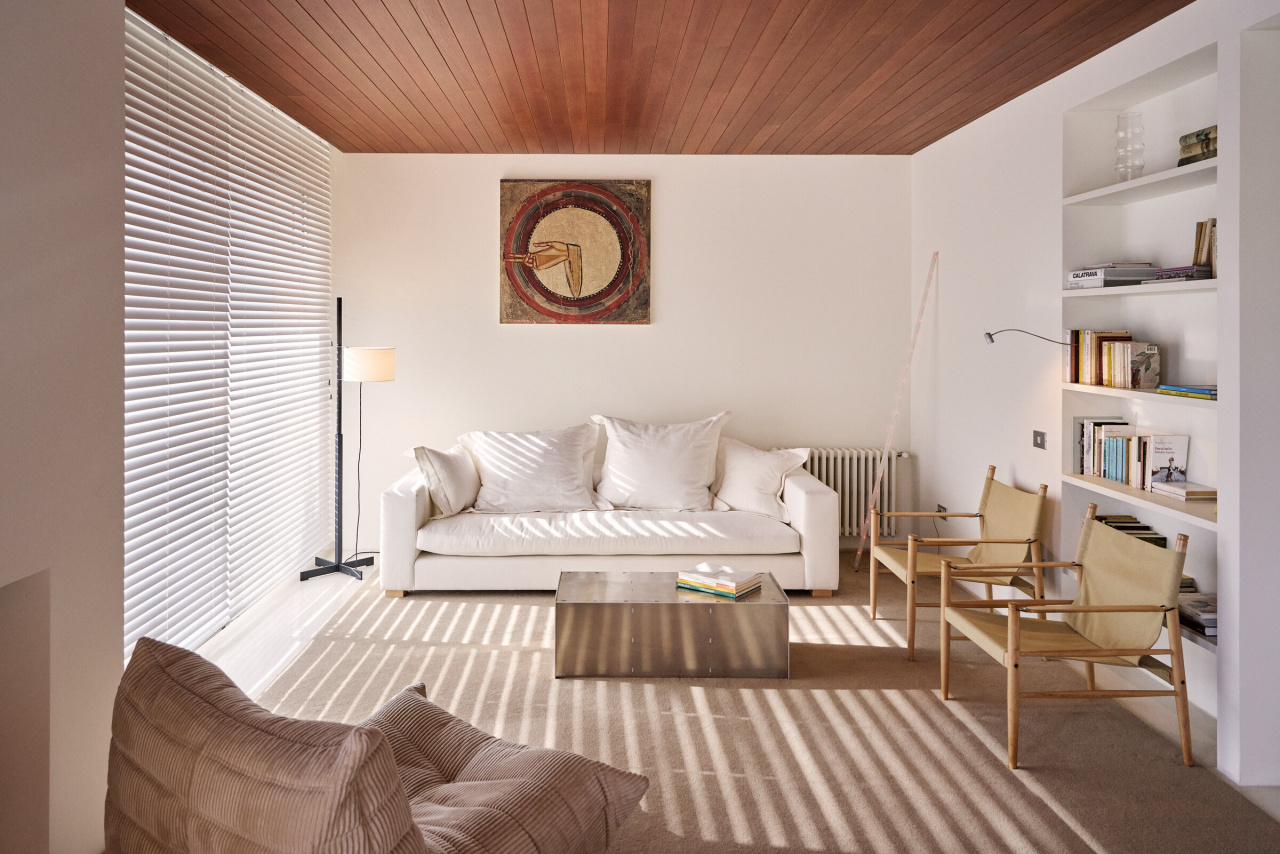
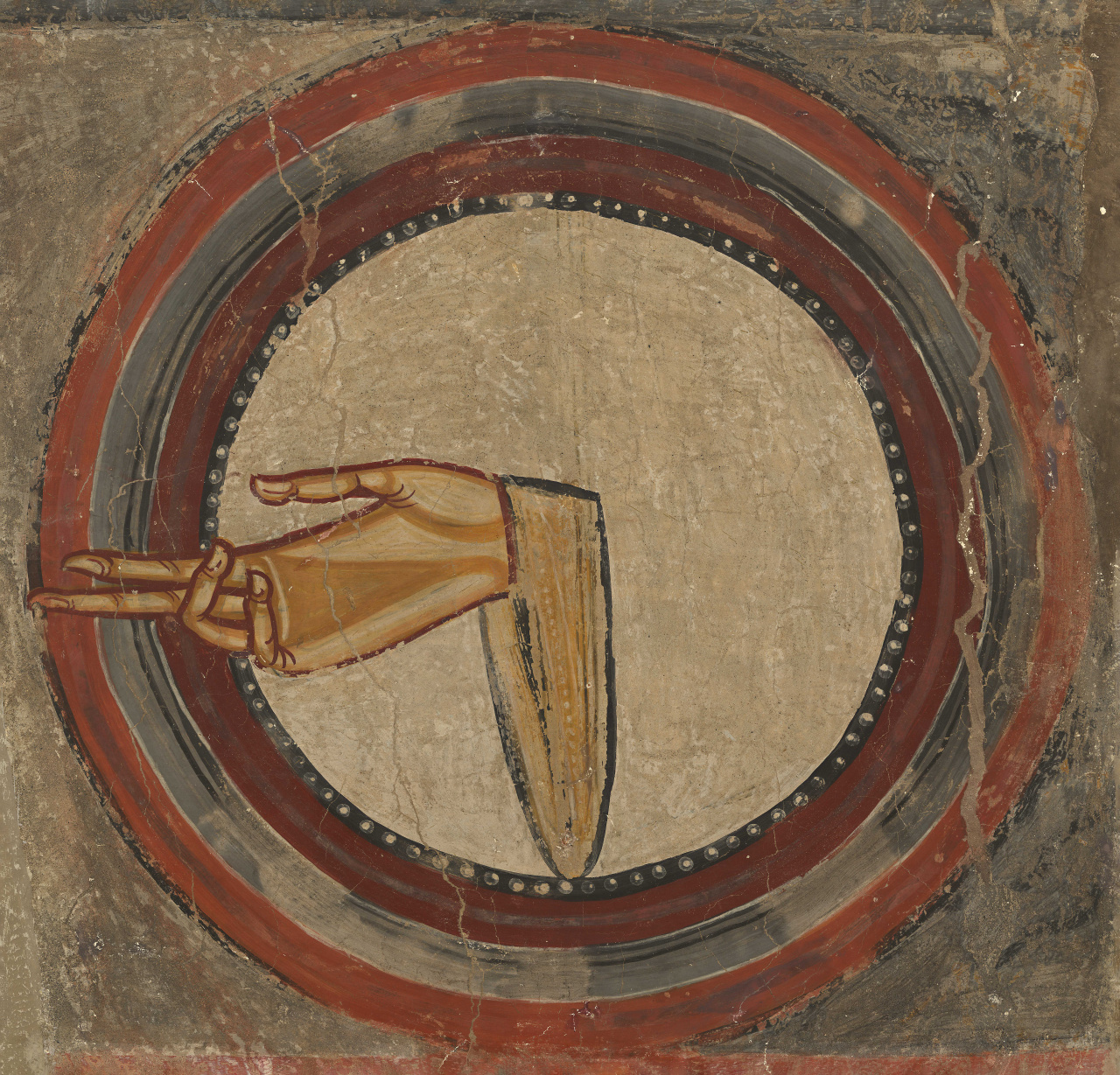
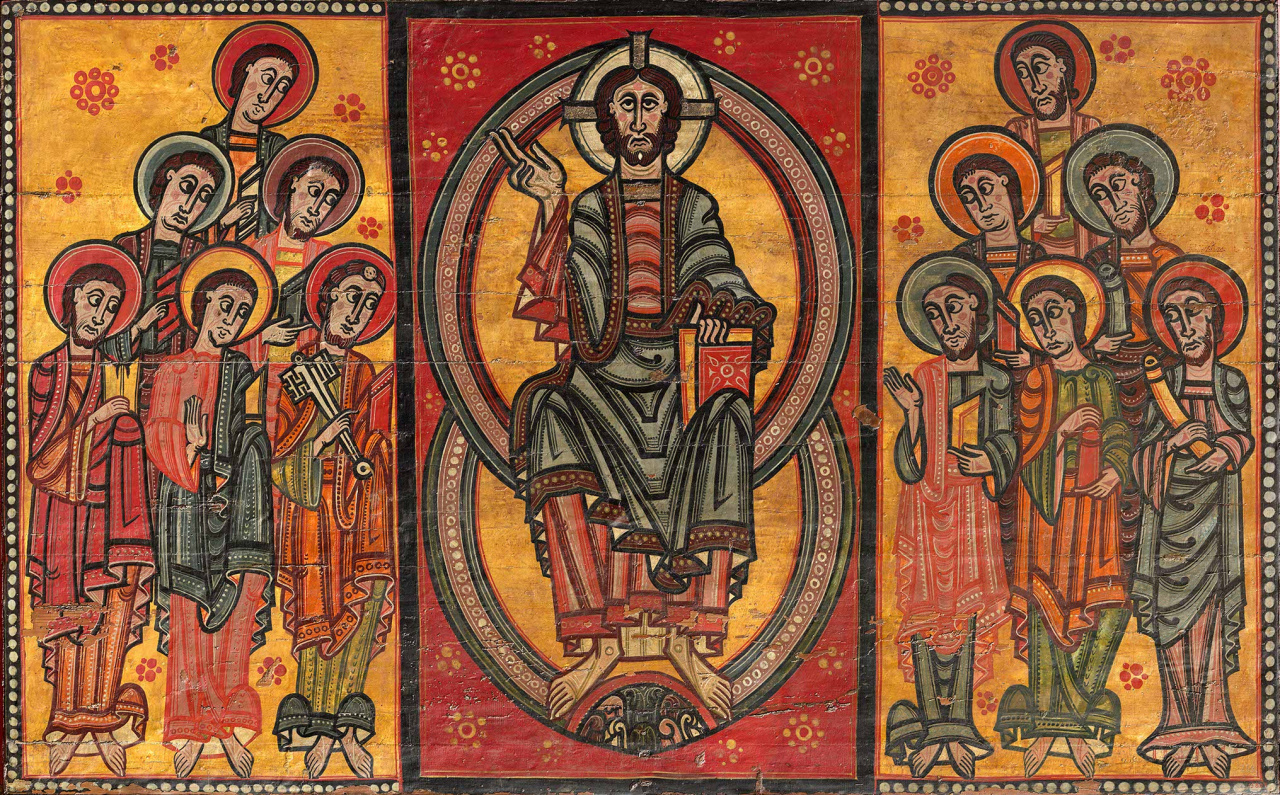
Neoserie — Mano de Dios de Sant Climent de Taüll c.1123, Maestro de Taüll.
A Haven for Art. MNAC Neoseries
The new Neoseries collection allows museum works to be experienced in new contexts.
Ovid told of a Cypriot sculptor who carved, in ivory, a woman of such beauty and delicacy that he named her Galatea. He dressed her, contemplated her, and spoke to her as if she were alive. Moved by such devotion, Aphrodite granted a miracle: the statue ceased to be a mere representation and came to life.
Within this story lies one of art’s great questions: what makes a work truly alive? Form and technical perfection are not enough. There is something harder to name—an irreproducible presence, a particular vibration that Walter Benjamin called aura: that singularity belonging to the original work, to its time and its history. For a long time, we believed that reproducing an artwork necessarily meant losing that aura, and that any replica was a lesser version compared to the untouchable prestige of the original. Yet the real interest lies in how aura can transform and extend itself.
The Hand of God from the apse of Sant Climent de Taüll continues to speak to us nearly a thousand years later. One need not have stood before the fresco to recognize it. Its power does not depend solely on the original, but on its capacity to keep being seen and to continue generating emotion in new contexts.
Neoseries allow that presence to find new places in which to manifest, without replacing the experience of the original. As in the myth of Pygmalion, they reactivate what makes the work perceptible and alive.
We present A Haven for Art. MNAC Neoseries, the first Neoseries selection from the Museu Nacional d’Art de Catalunya, one of the most important cultural institutions in our country and a benchmark for the study and dissemination of Catalan art.
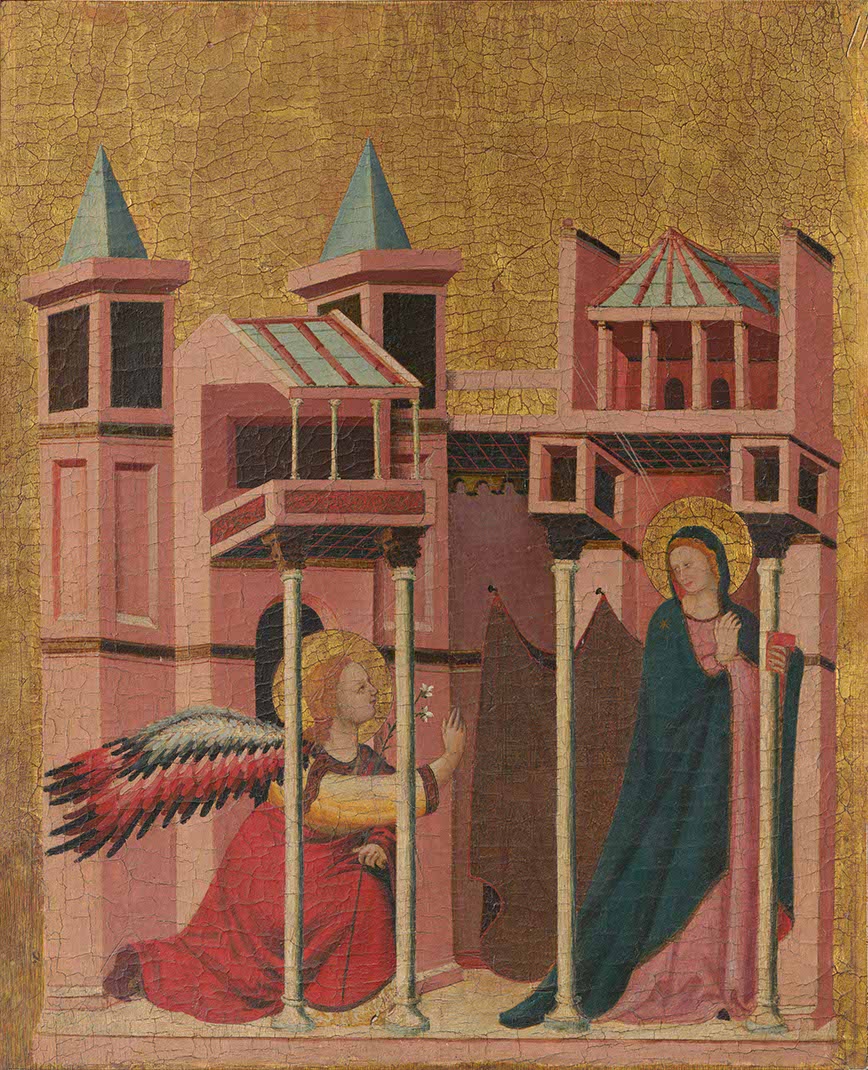
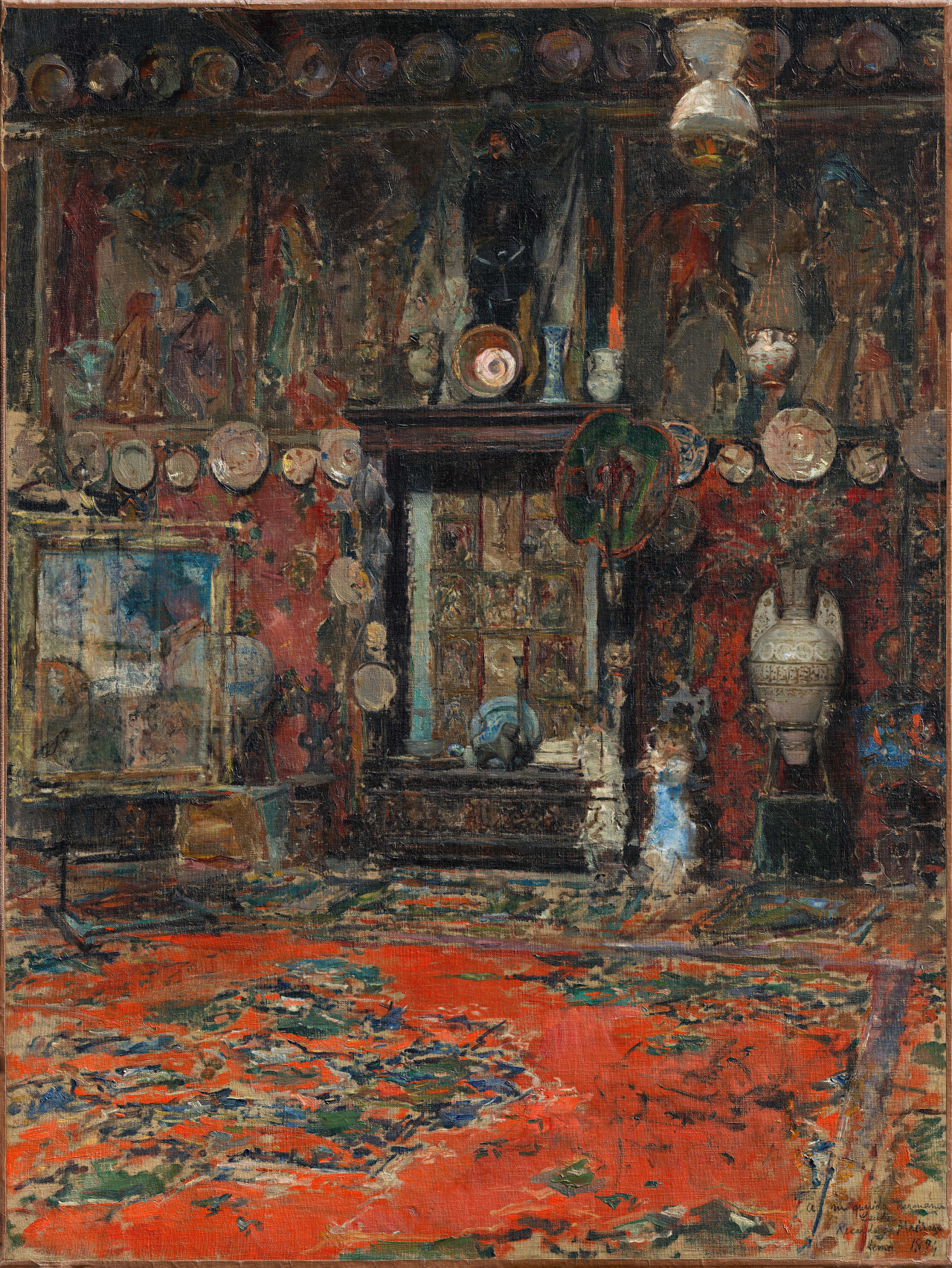
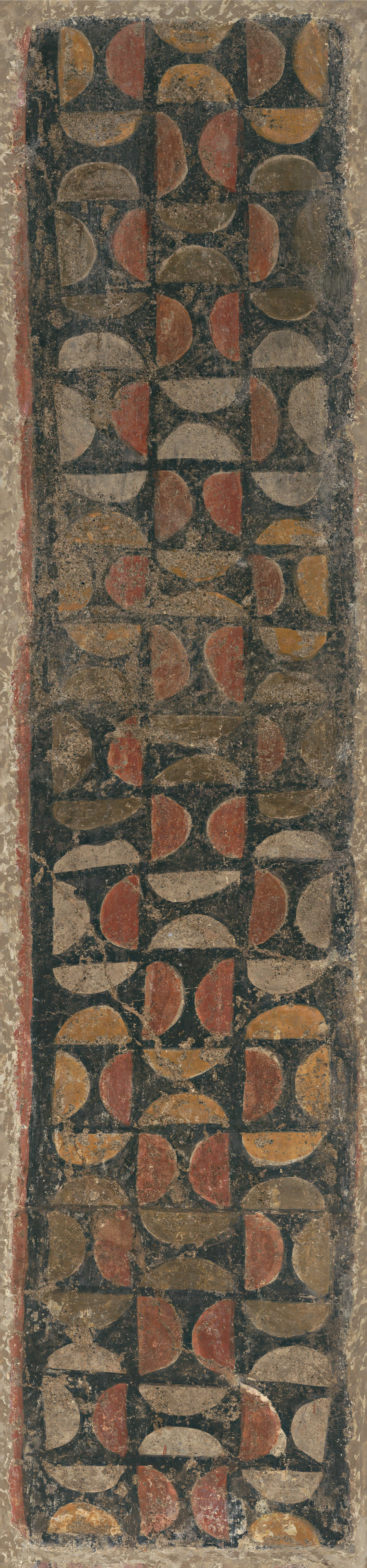
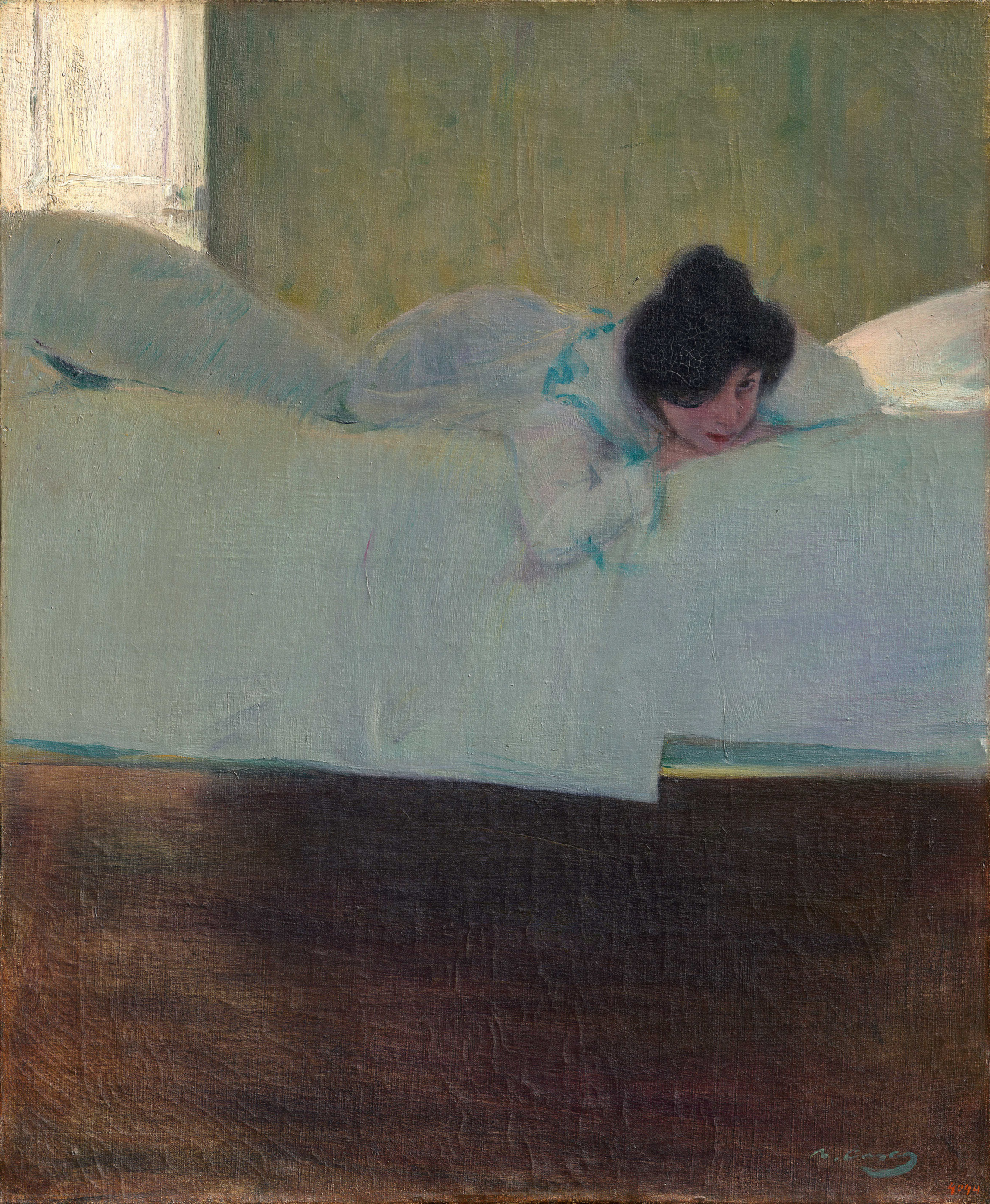
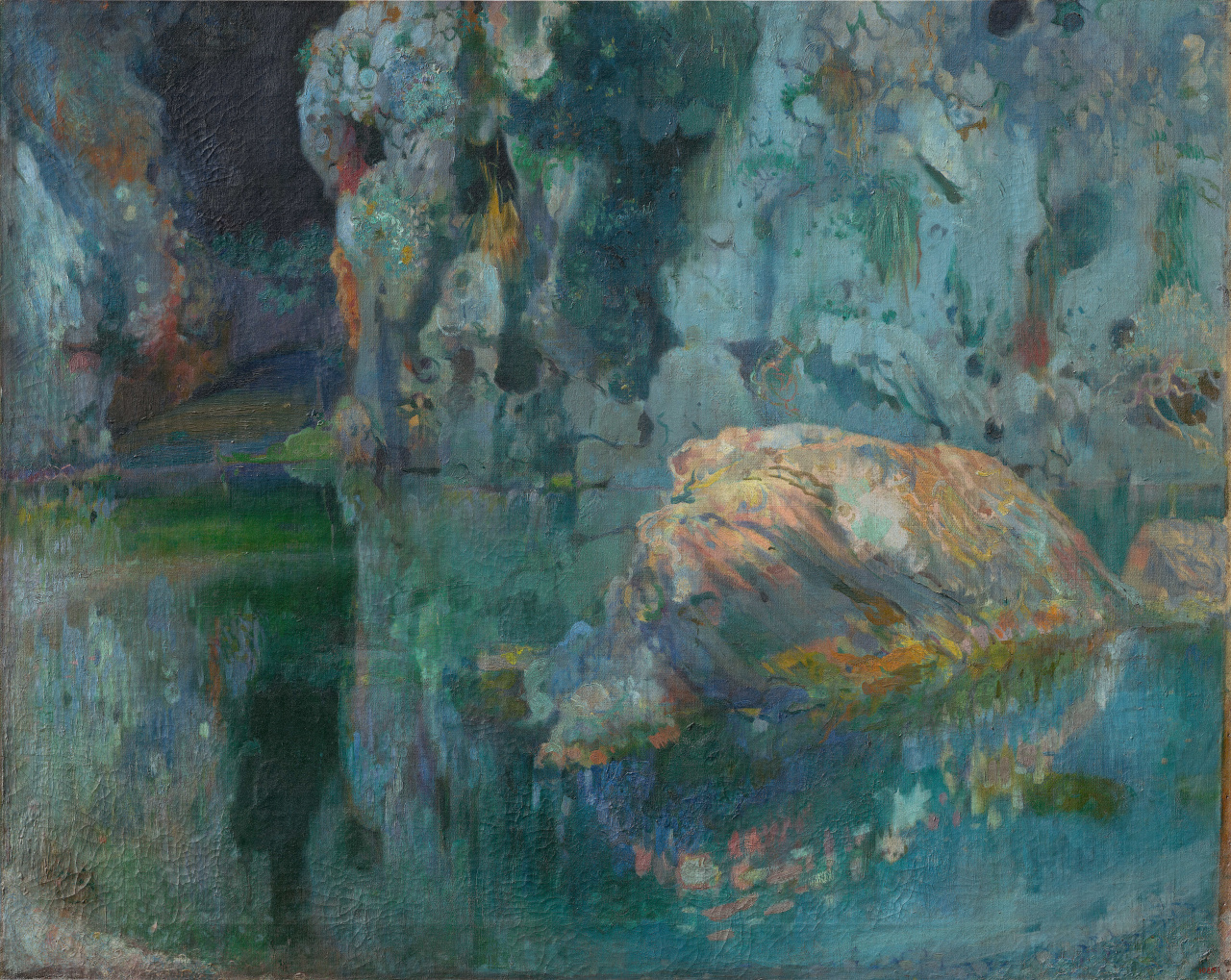
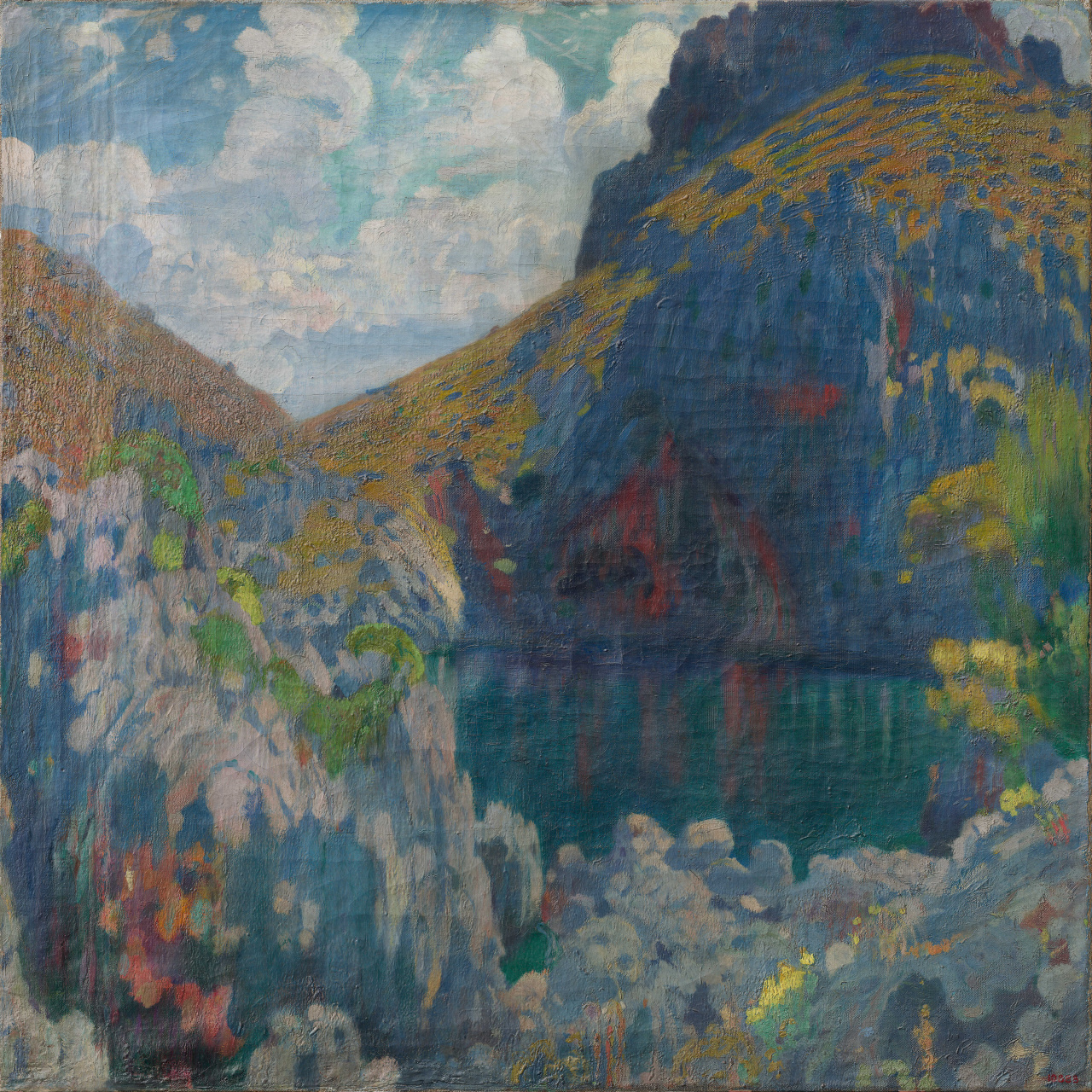
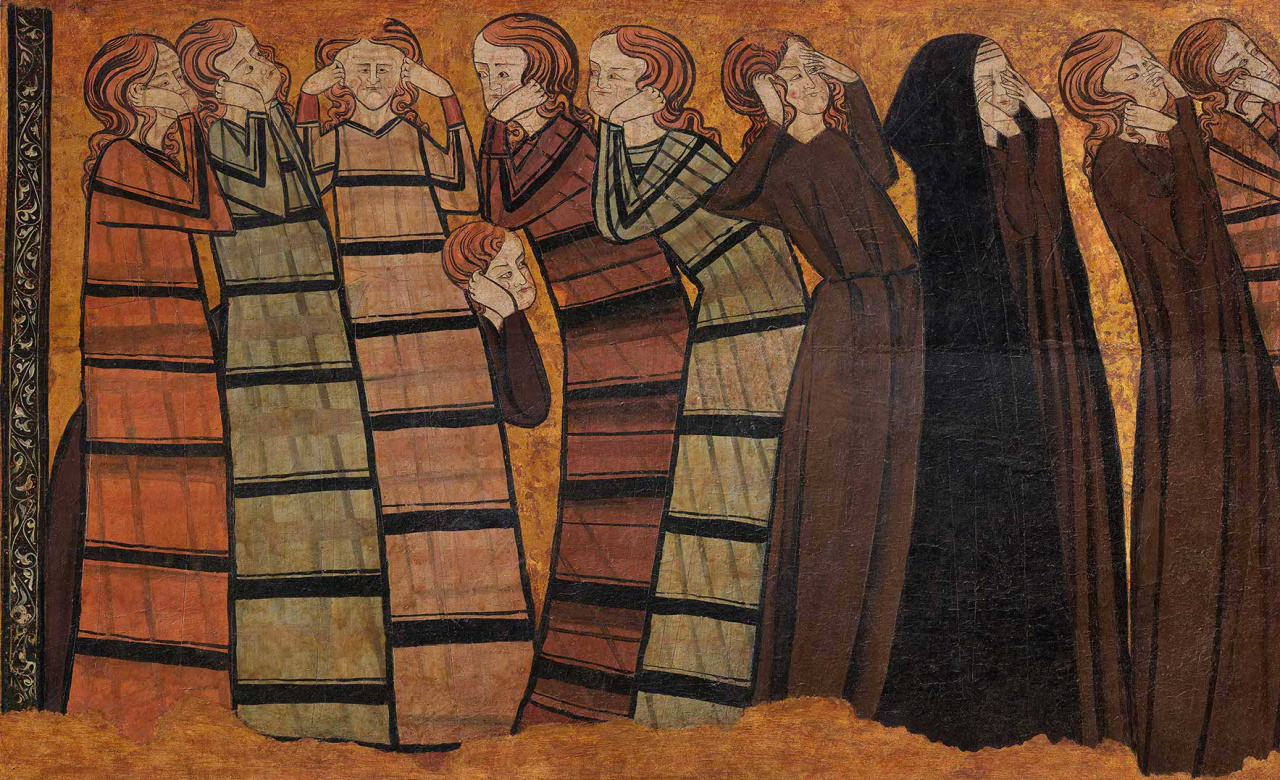
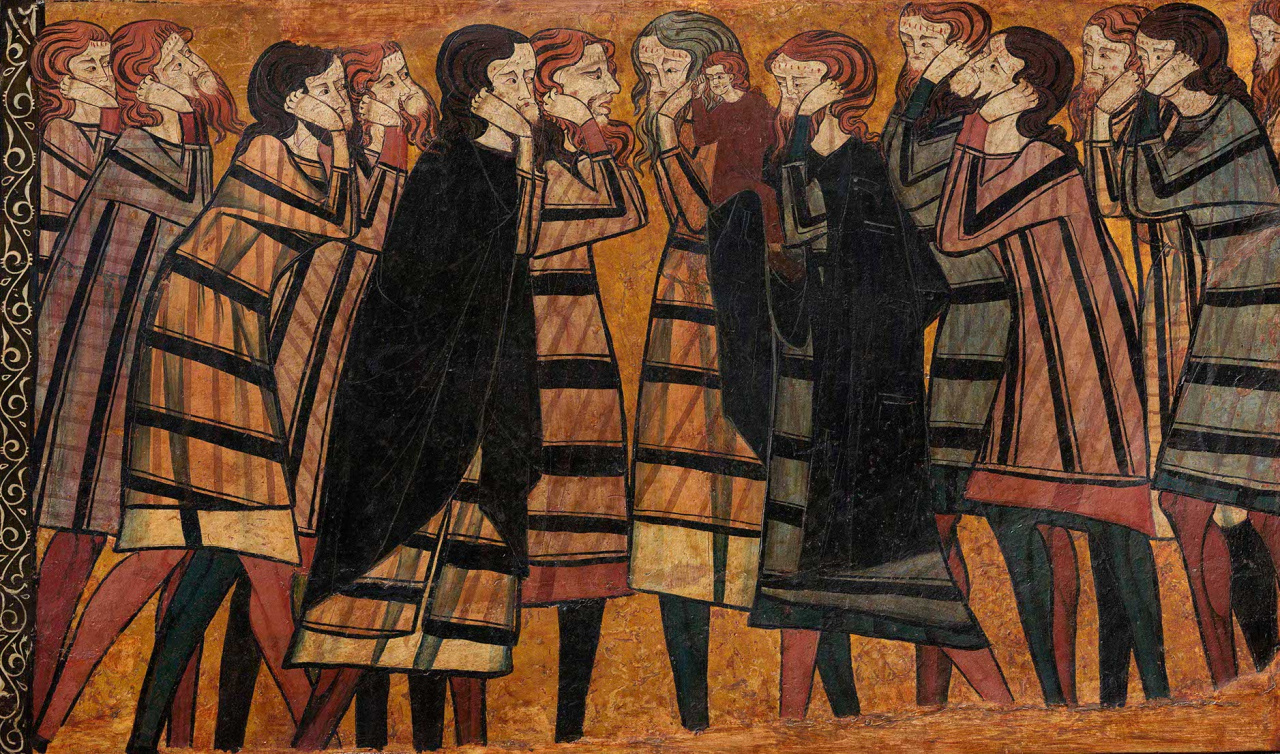
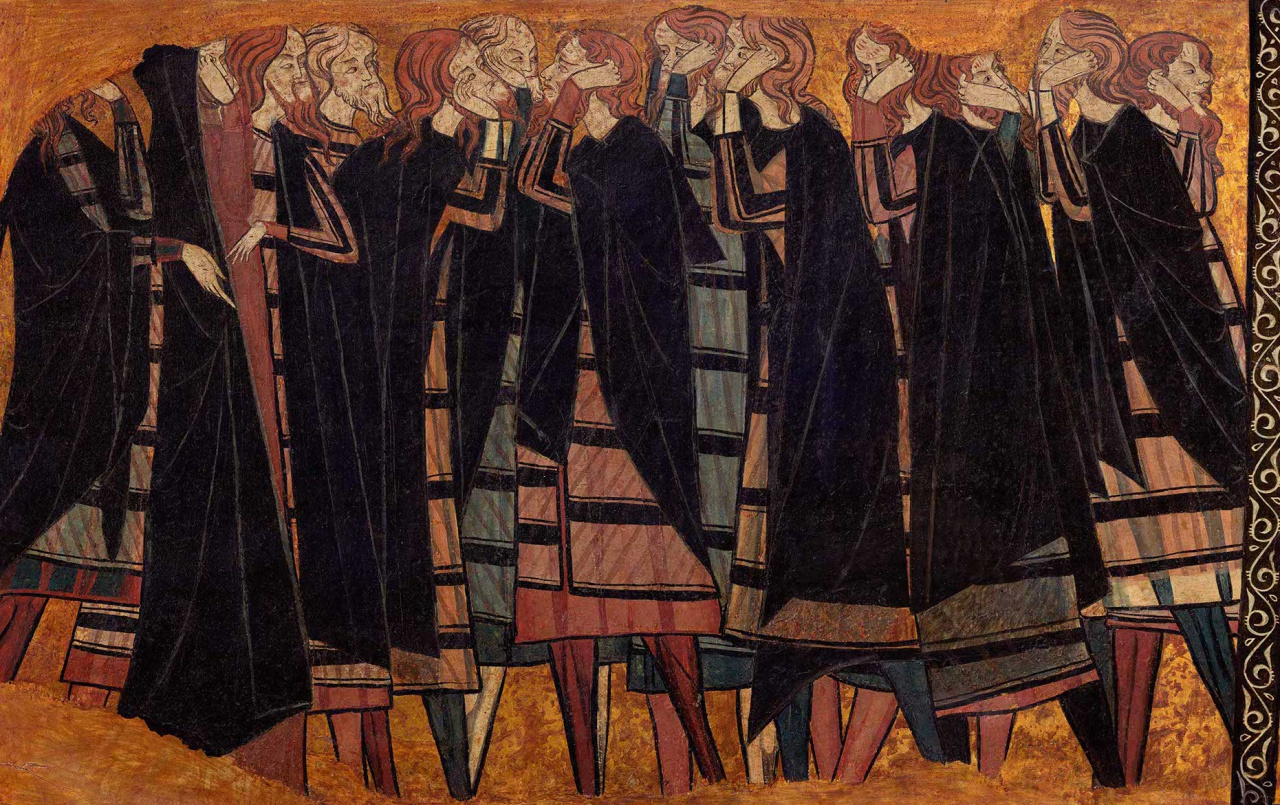
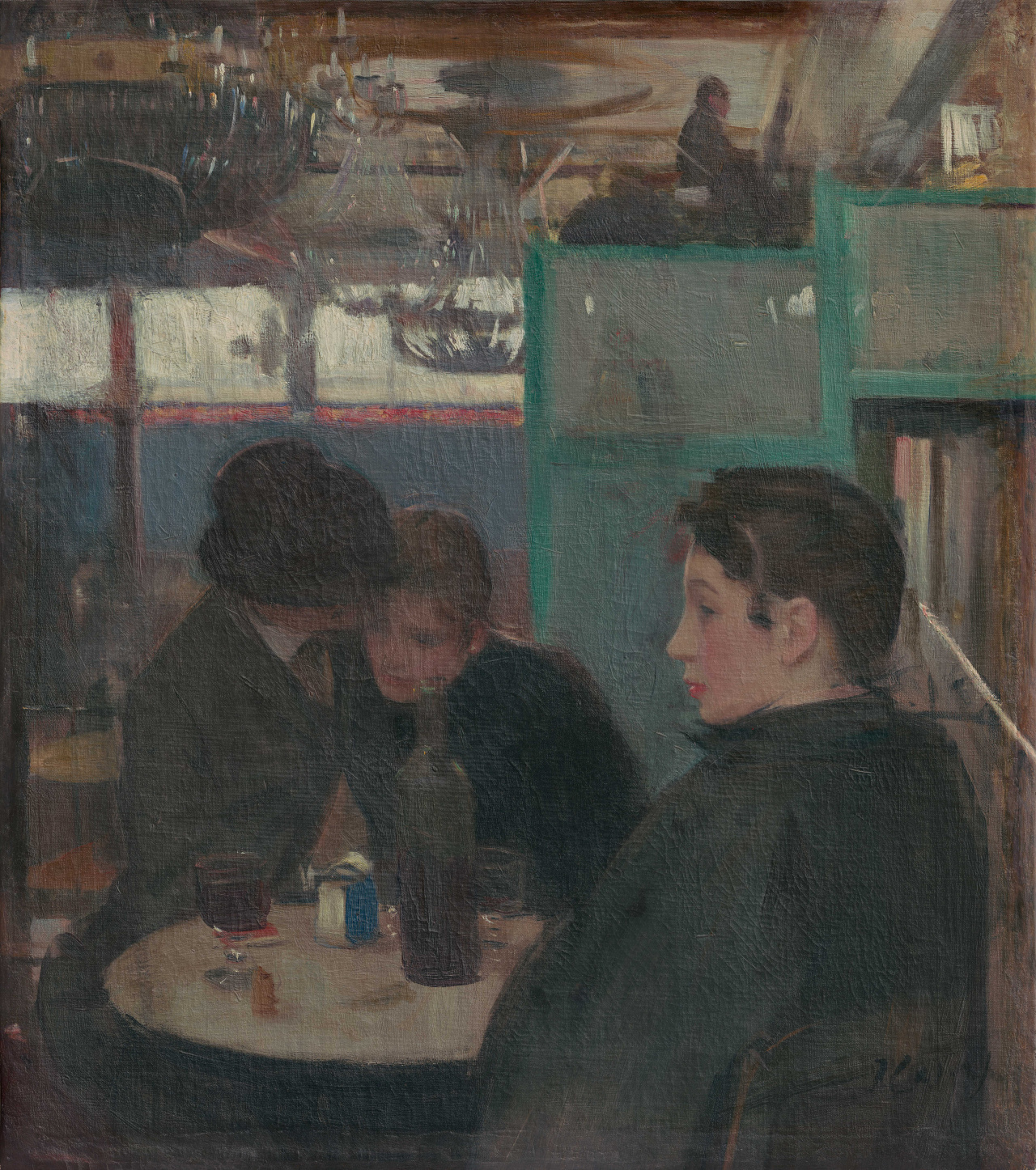
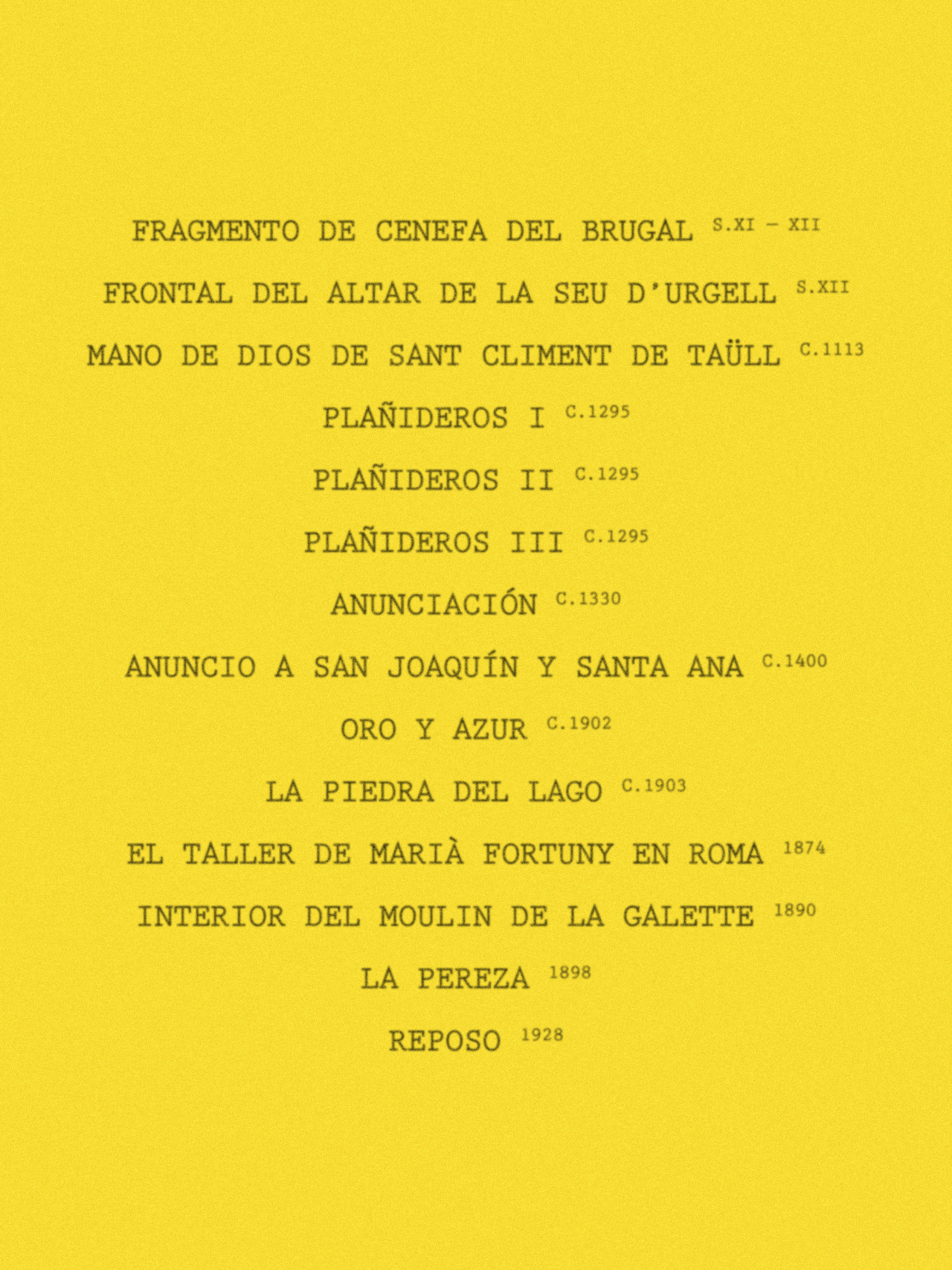
This selection brings together 14 works spanning from the 11th century to the early 20th century, highlighting the museum’s two main strengths: on one hand, medieval art—especially Romanesque—of which the MNAC holds the largest collection in the world; and on the other, Catalan modernism, an internationally recognized movement for its fusion of applied arts, architecture, and painting. Featured works include the Hand of God from the iconic apse of Sant Climent de Taüll, The Rock in the Pond by Joaquim Mir, the Fragment from Burgal, several anonymous Annunciations, Laziness by Ramón Casas, and Marià Fortuny’s Studio in Rome painted by Ricardo de Madrazo.
Thanks to the use of cutting-edge technology, these facsimile editions of great masterpieces reproduce the volume, texture, and color of the originals with extraordinary fidelity. This level of precision is achieved through advanced photometric digitization, capable of capturing not only the image but also the materiality of the work. Each piece is produced on demand, certified, and numbered.
As a novelty, in this edition Romanesque and Gothic altarpieces have been reproduced on authentic wooden panels, respecting the original materiality and further ensuring the quality of each piece.
The selection of works presented as Neoseries reinterprets the MNAC collection through a contemporary lens, establishing cross-disciplinary dialogues between paintings, periods, and visual languages. In this way, Neoseries connect heritage with current sensibilities, reaffirming its relevance. They also represent perhaps the only way to experience museum works that are entirely off the market. Without requiring an extraordinary budget, they allow us to live alongside certified, high-quality works by great masters.
With the aim of bringing art into a new phase of production and expanding its emotional reach, Neoseries democratize access to beauty, allowing art to transcend museum walls and become part of our homes and everyday lives. In doing so, new spaces of contemplation are created, and art expands its possibilities for dissemination and experience. At the same time, collaboration with museum institutions involves the transfer of these high-precision digital archives, which act both as backups of the artworks and as tools for the preservation of cultural heritage.
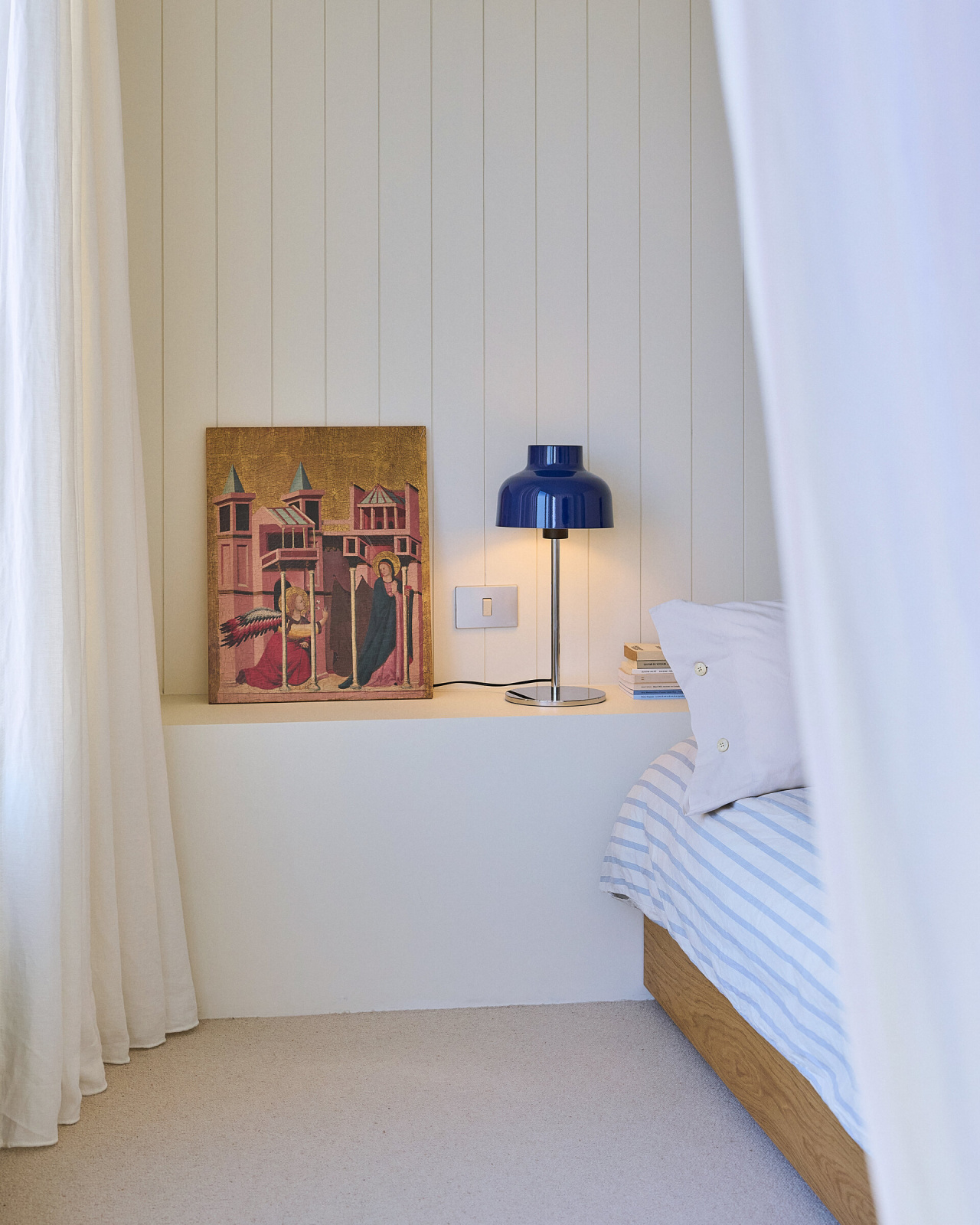
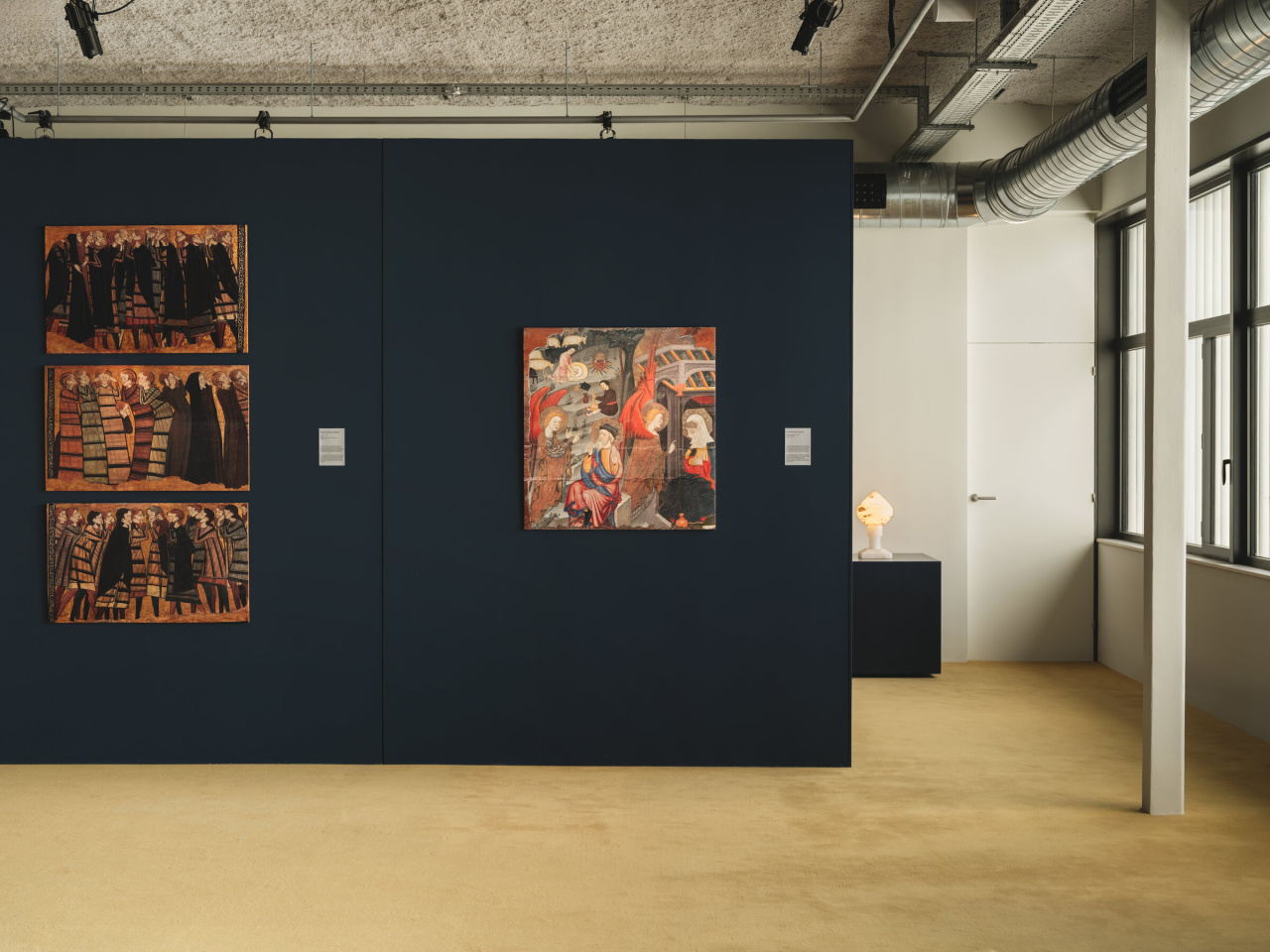
Neoserie — Anunciación c.1330, Mestro de la Madonna Cini.
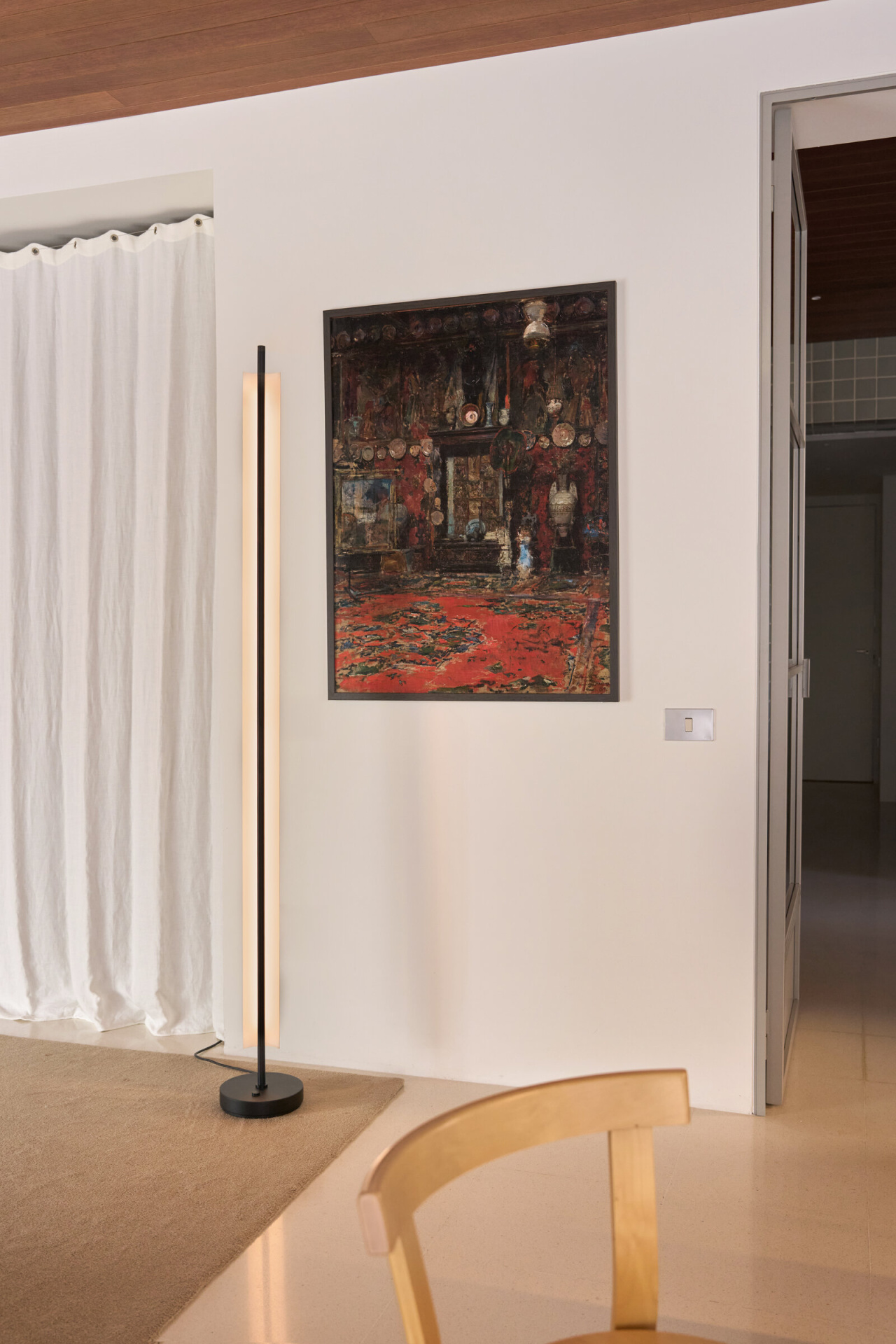
Neoserie — El taller de Marià Fortuny en Roma 1874, Ricardo de Madrazo.
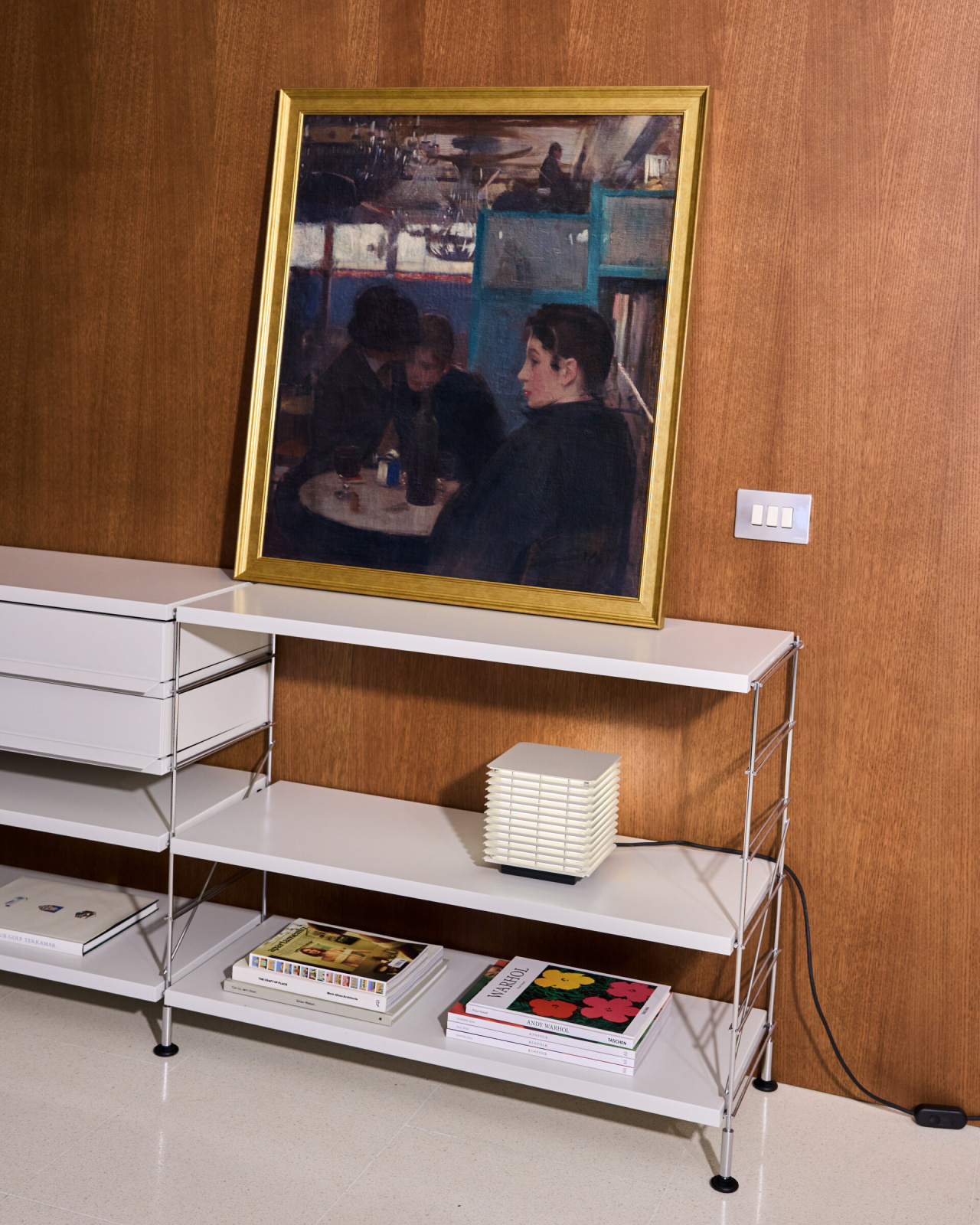
Neoserie — Interior del Moulin de la Galette 1890 – 1891, Ramón Casas.
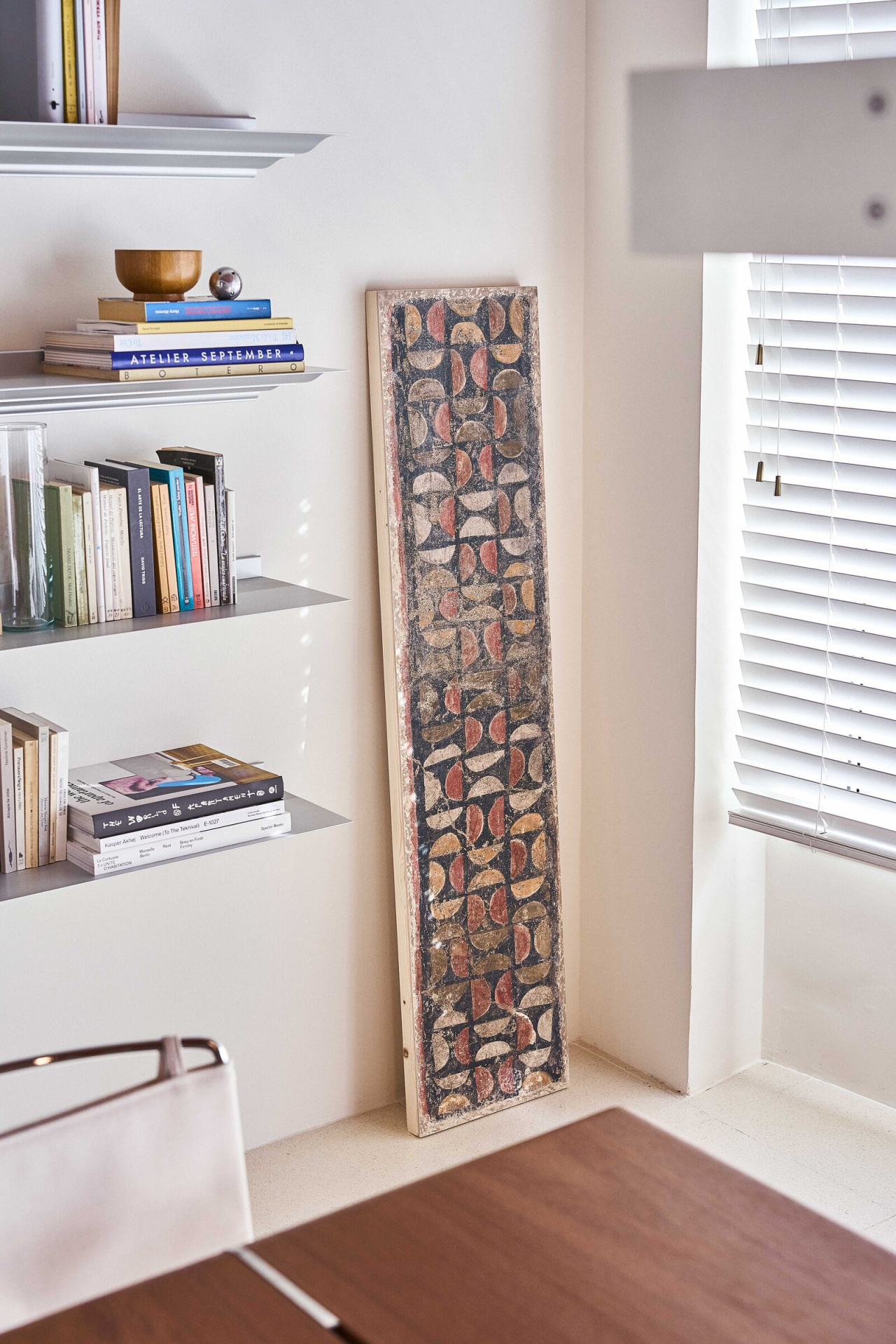
Neoserie — Fragmento de cenefa del Burgal s.XI – XII, Maestro de Pedret.
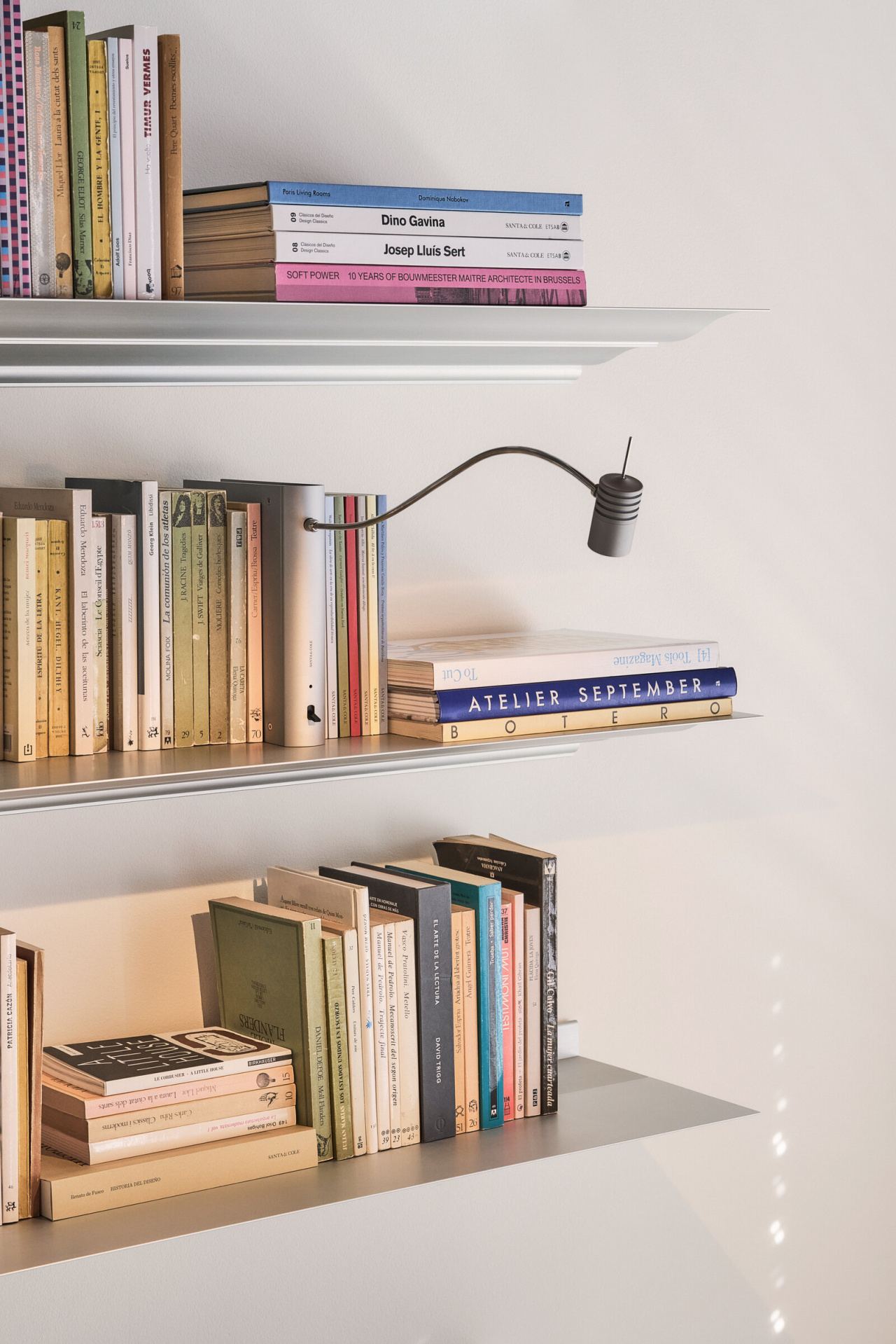
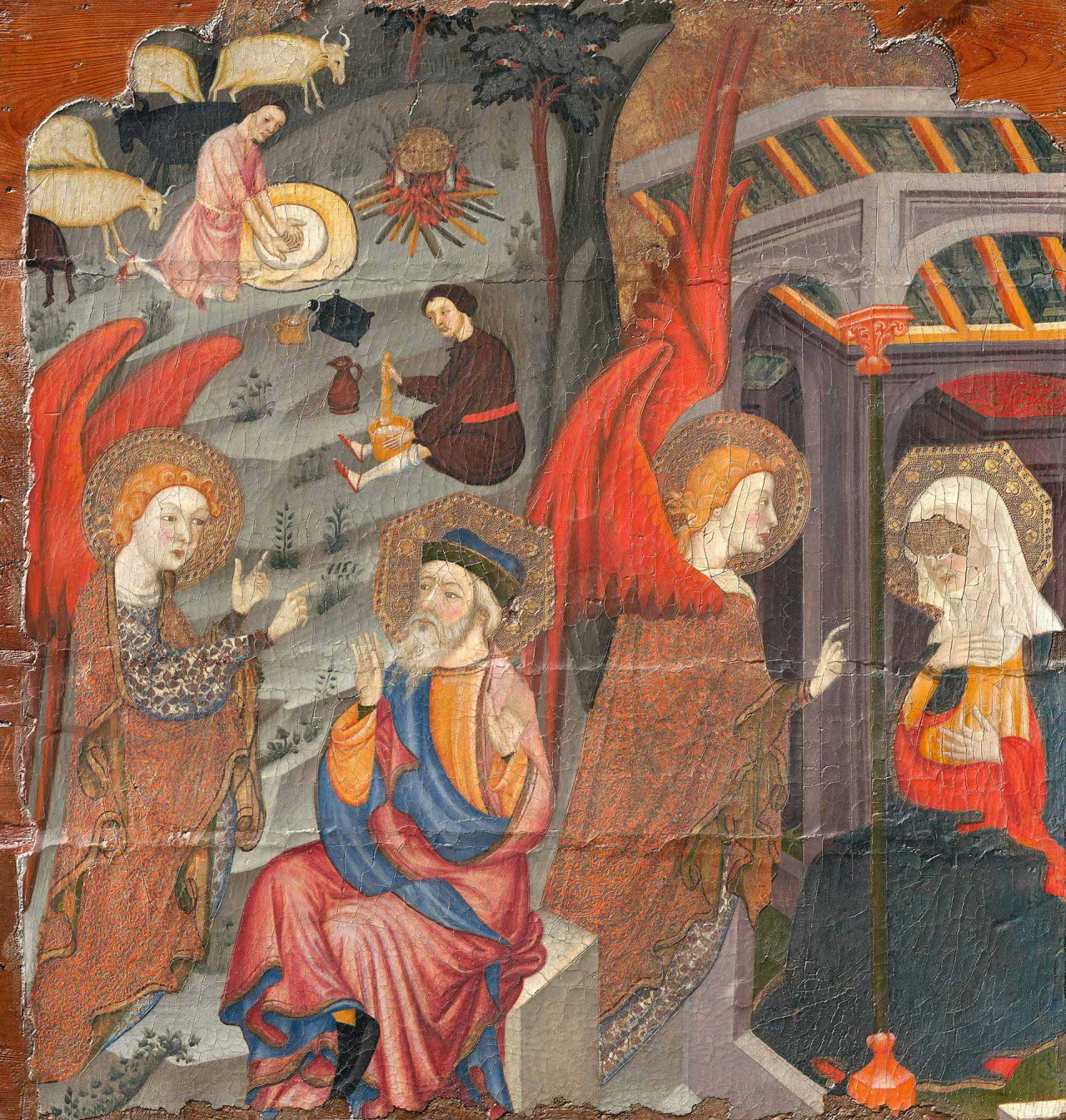
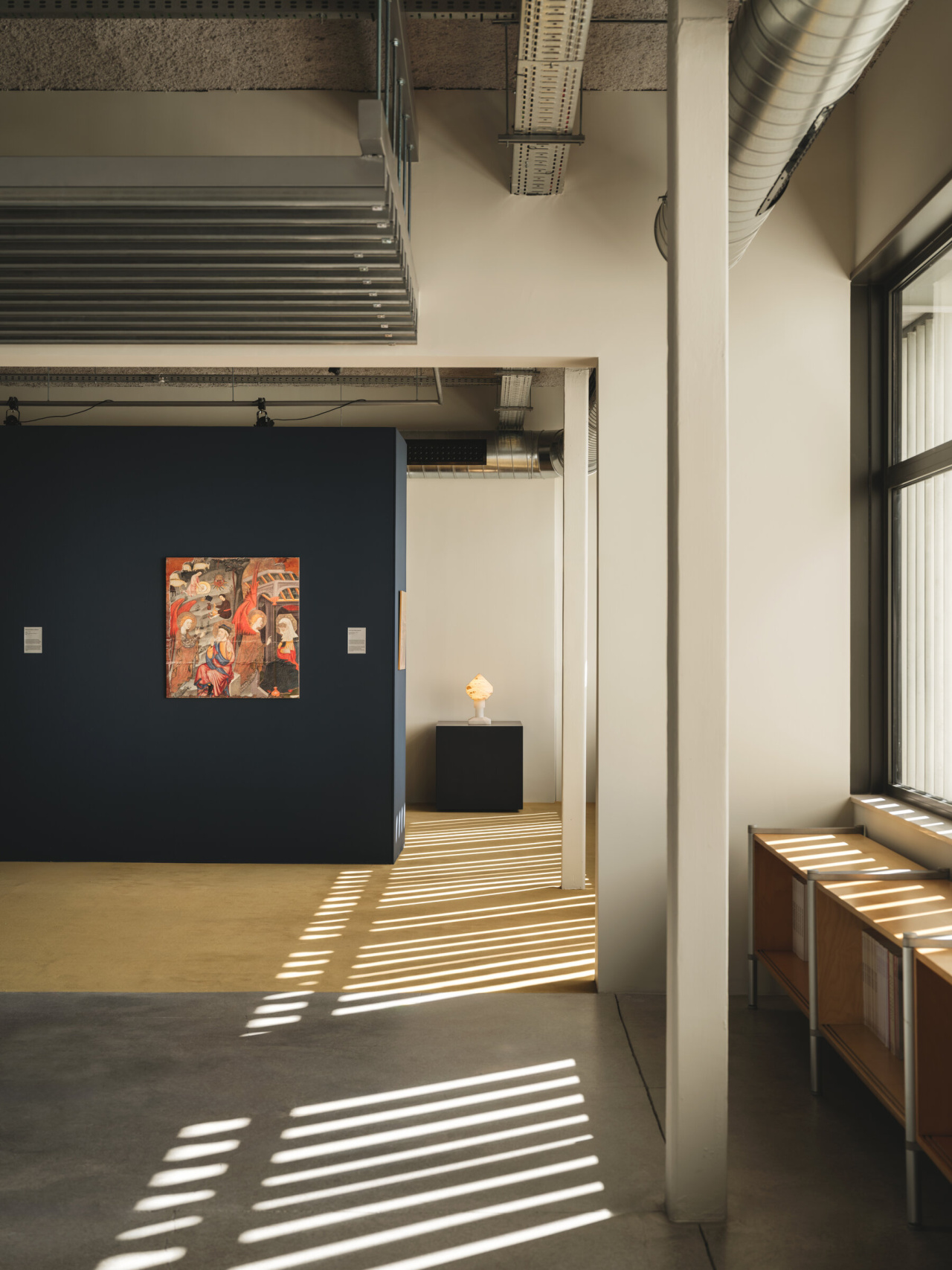
Neoserie — Anuncio a san Joaquín y santa Ana c.1400, Maestro de Cinctorres.
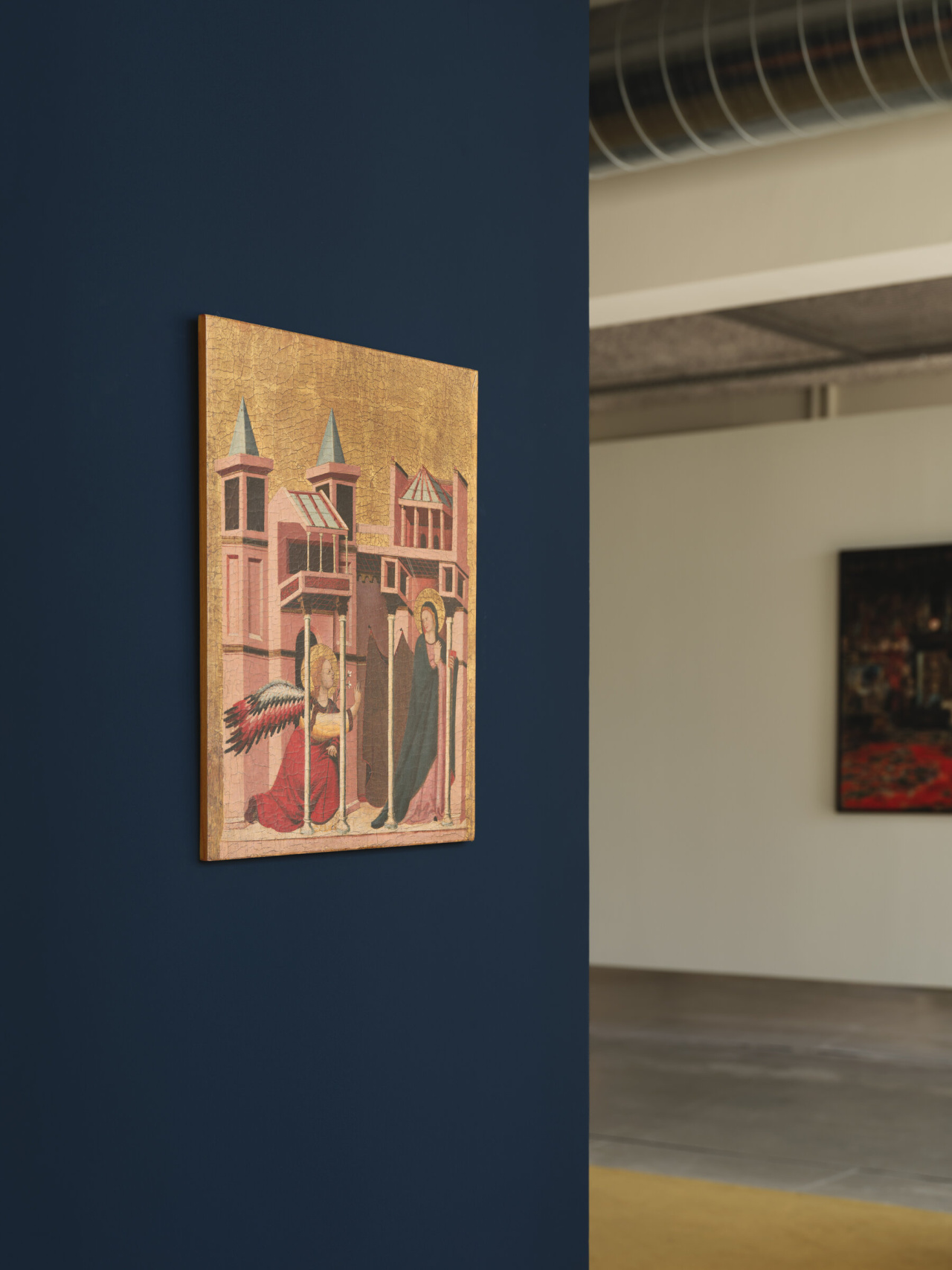
Neoserie — Anuncio c.1330, Maestro de la Madonna Cini.
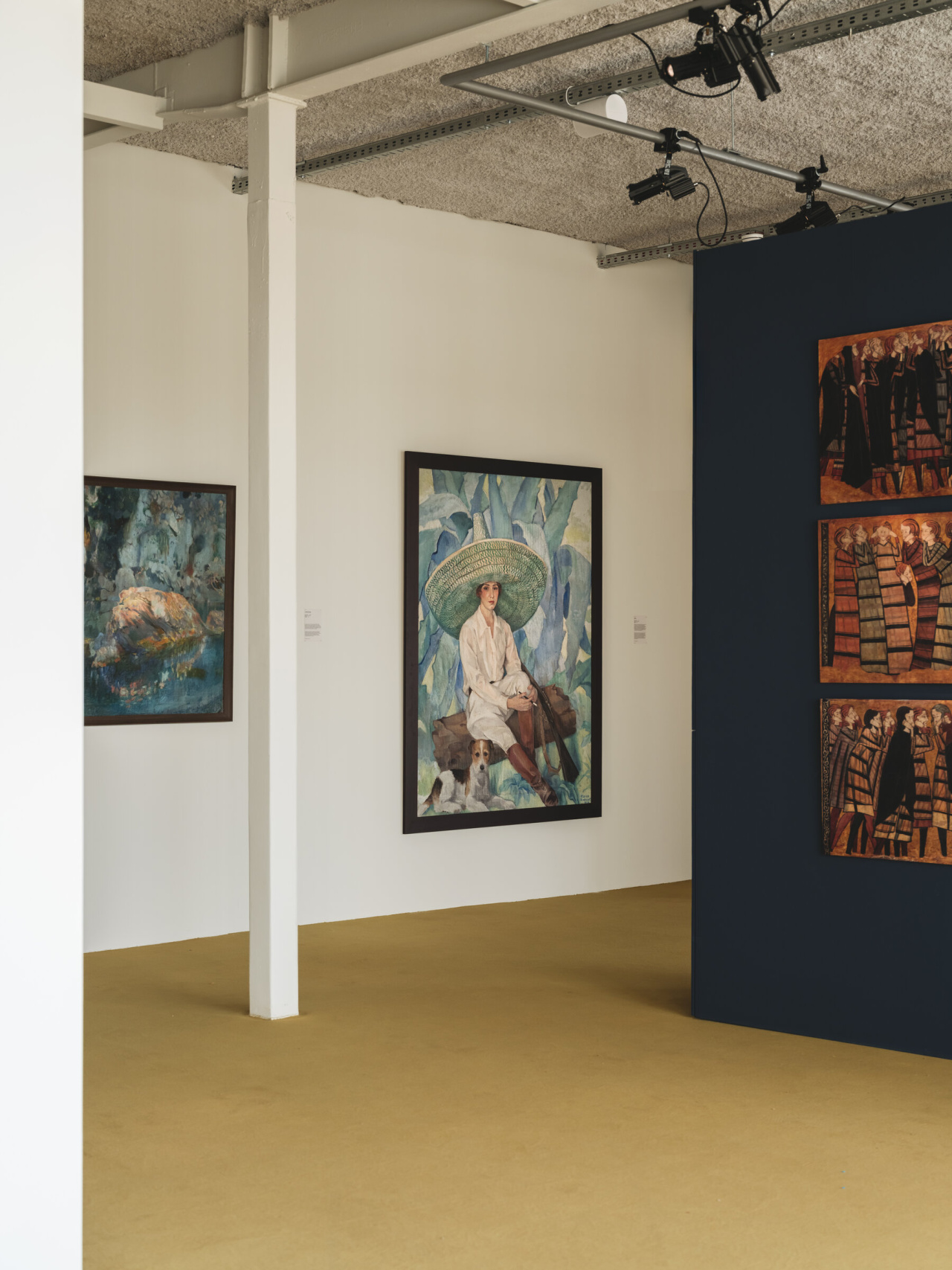
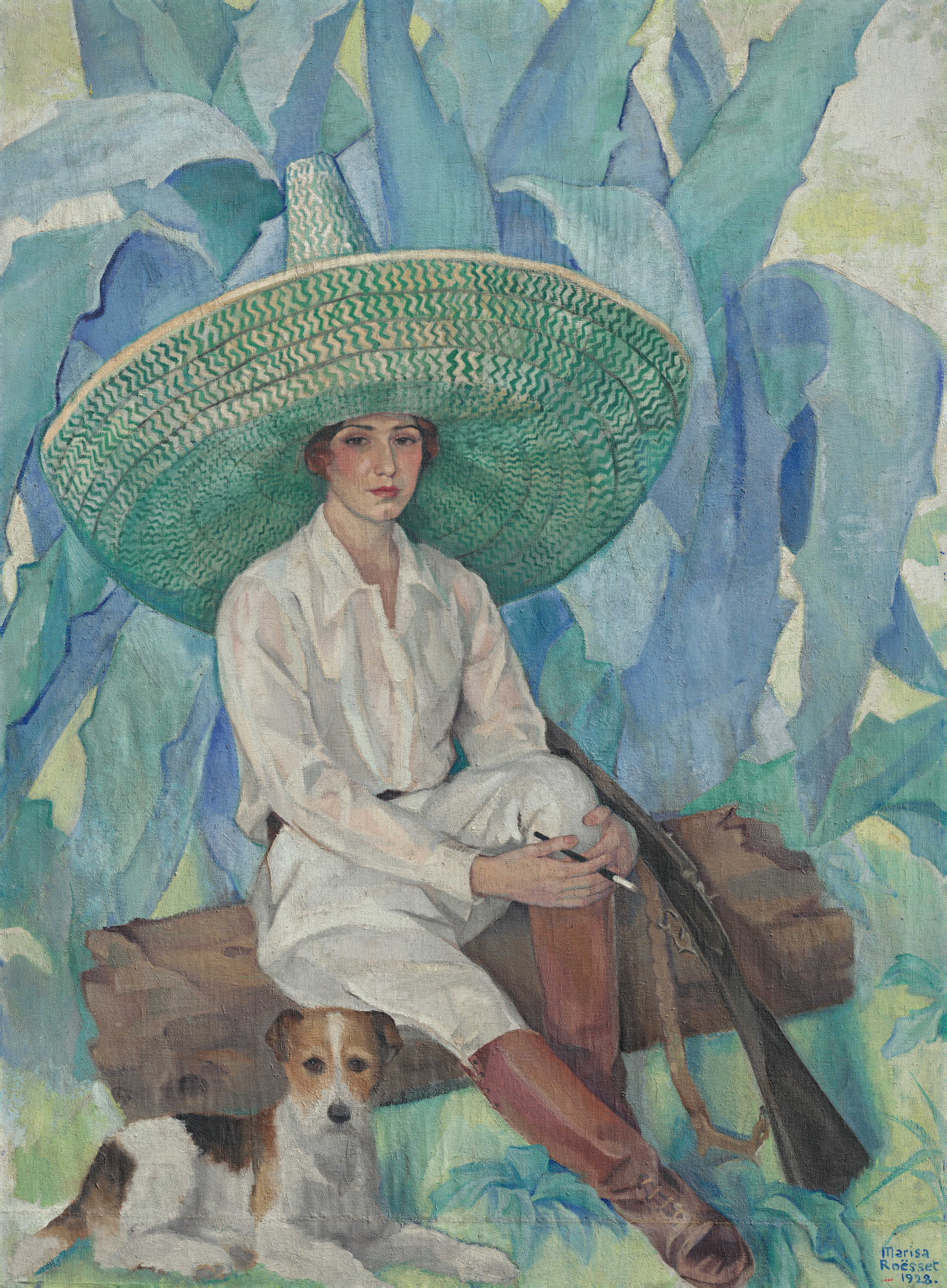
Neoserie — Reposo 1928, Marisa Roësset.