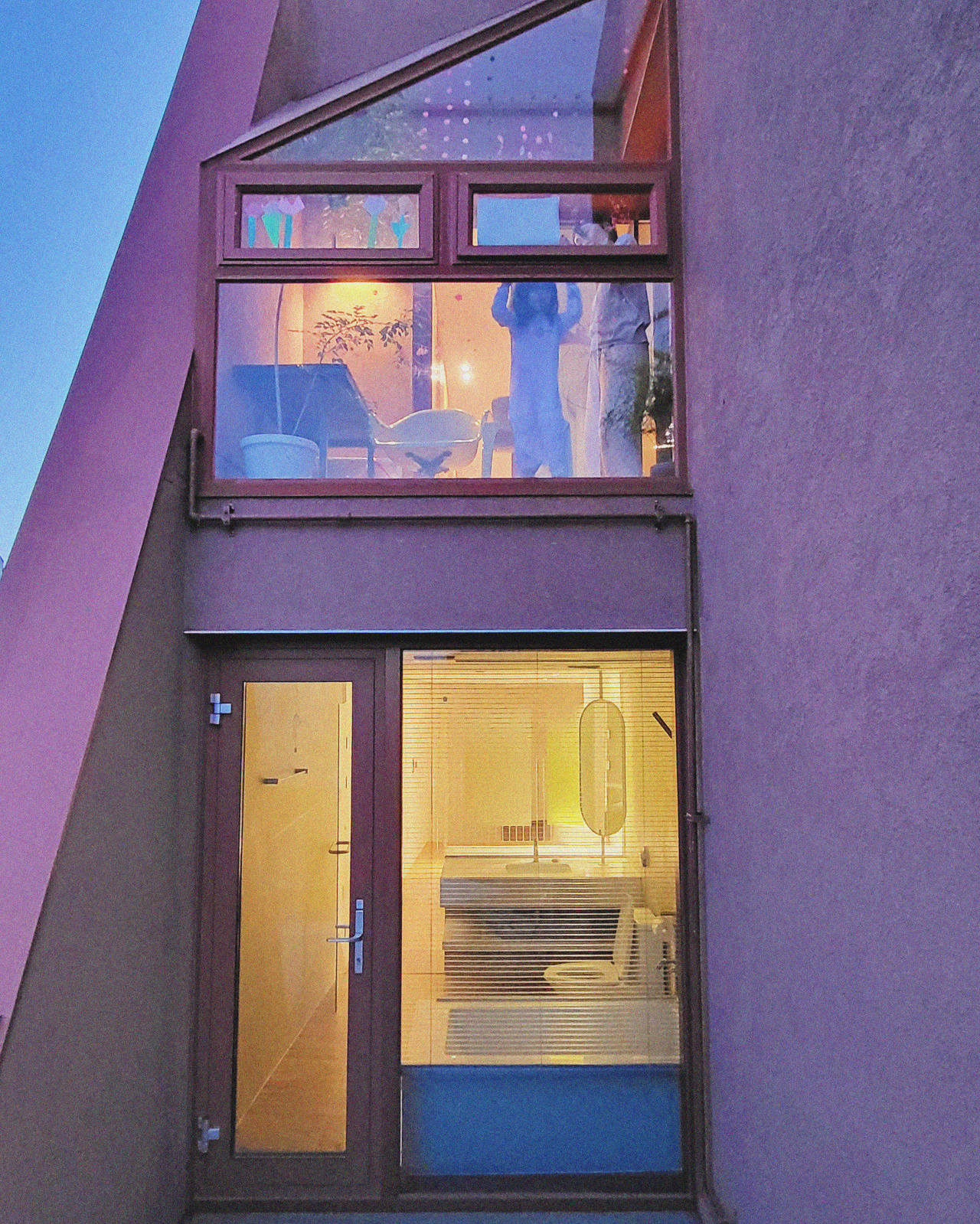
MOVAN house by SEO Min-Bum and JEON Sun-Hye
Seoul, South Korea
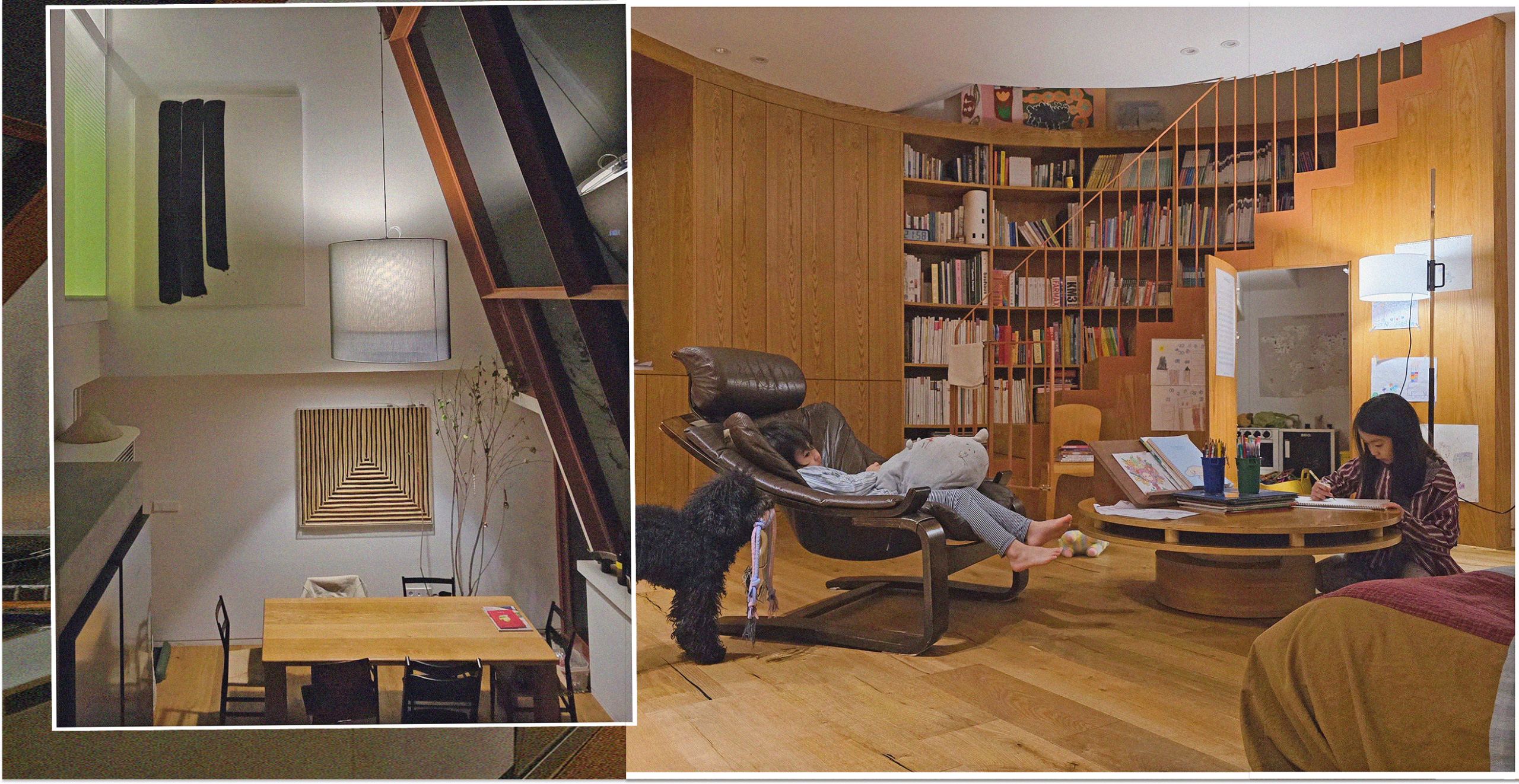
A chronicle by SEO Min-Bum
Our first home as an official couple was a small apartment in the heart of Itaewon, one of Seoul’s craziest neighborhoods at the time. We didn’t have much money to renovate, but we did our best to create a lifestyle that felt like ours. A few years later our daughter was born, and the apartment felt perfect for the three of us. Then three years later… our son arrived. With four of us, the space slowly became too small.
After a long discussion, we decided to sell and move somewhere bigger. I was stubborn about the price and had no buyers for almost a year, even though everyone told me to lower it. But I believed that if you truly want something, it will eventually happen—and it did. One buyer came, loved it immediately, and the process was quick and clean. That’s when our small plan became a bigger one. Instead of another apartment, we decided to find an old house and renovate it for our next chapter. After countless visits, we finally found the perfect one.
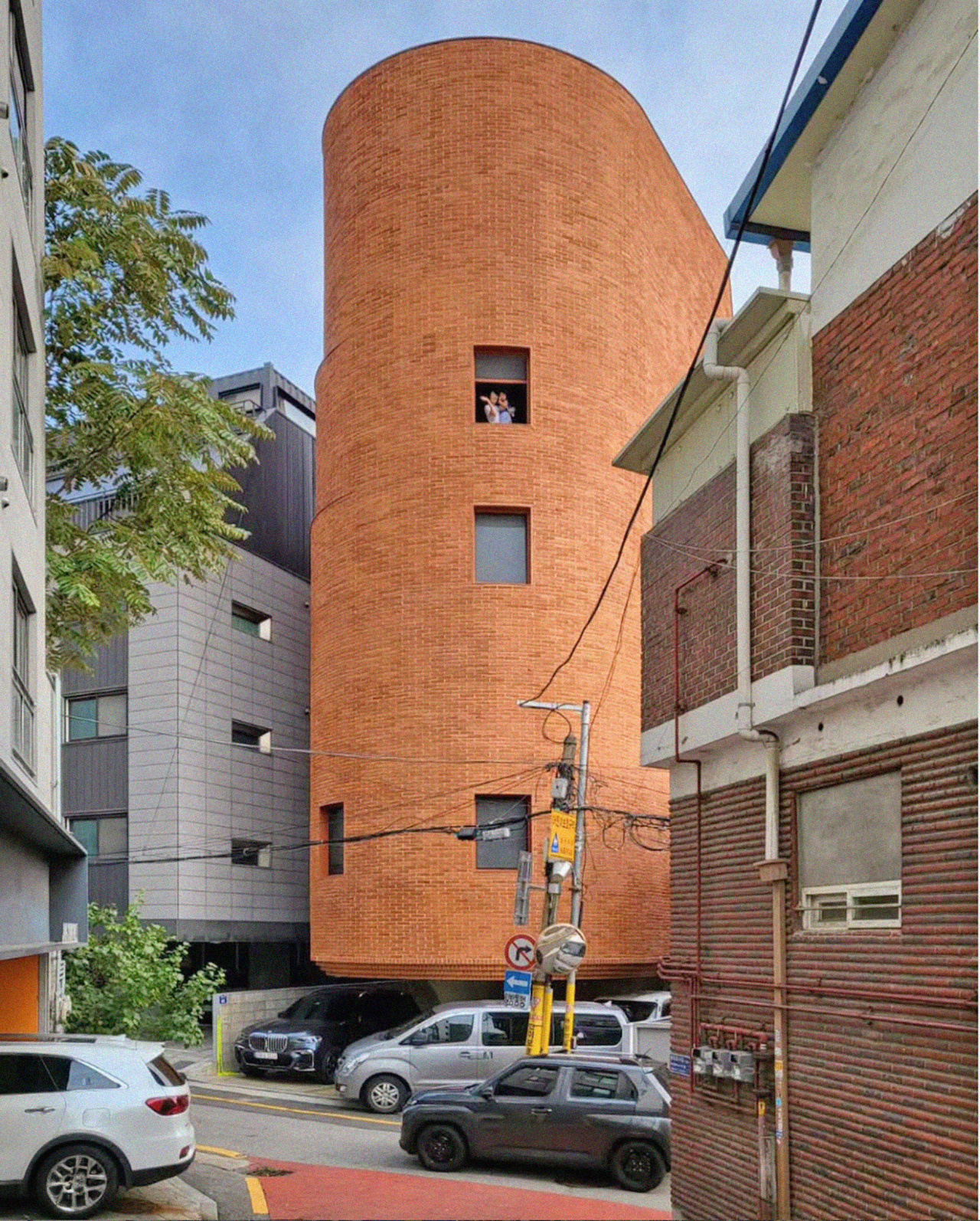
The goal of the MOVAN house project was not only to design a unique home, but also to experiment with ideas we had always been curious about. We wanted to break the code.
As a professor, I’m always trying new approaches in my lectures, and my wife continuously creates change by adding details to her jewelry. As designers, the idea of a fixed “frame” has always been difficult for us to accept. Rather than following predetermined formats, we wanted to create the kind of home we truly wanted. We didn’t start this project by imagining a stylish house to show others. What mattered more was how we would experience it ourselves and what kind of inspiration we could receive from living here.
That’s why we chose structures and interior ideas that are rarely attempted in typical homes. Even if some attempts failed, we believed the process would teach us something new.
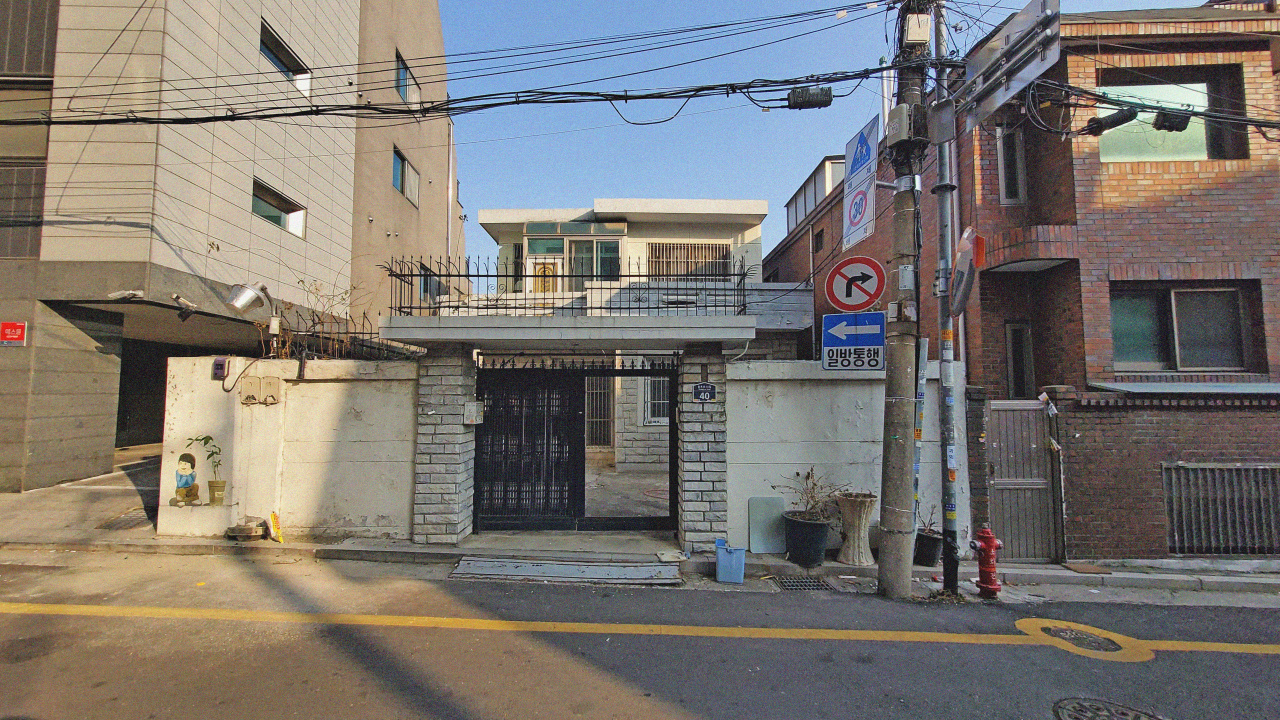
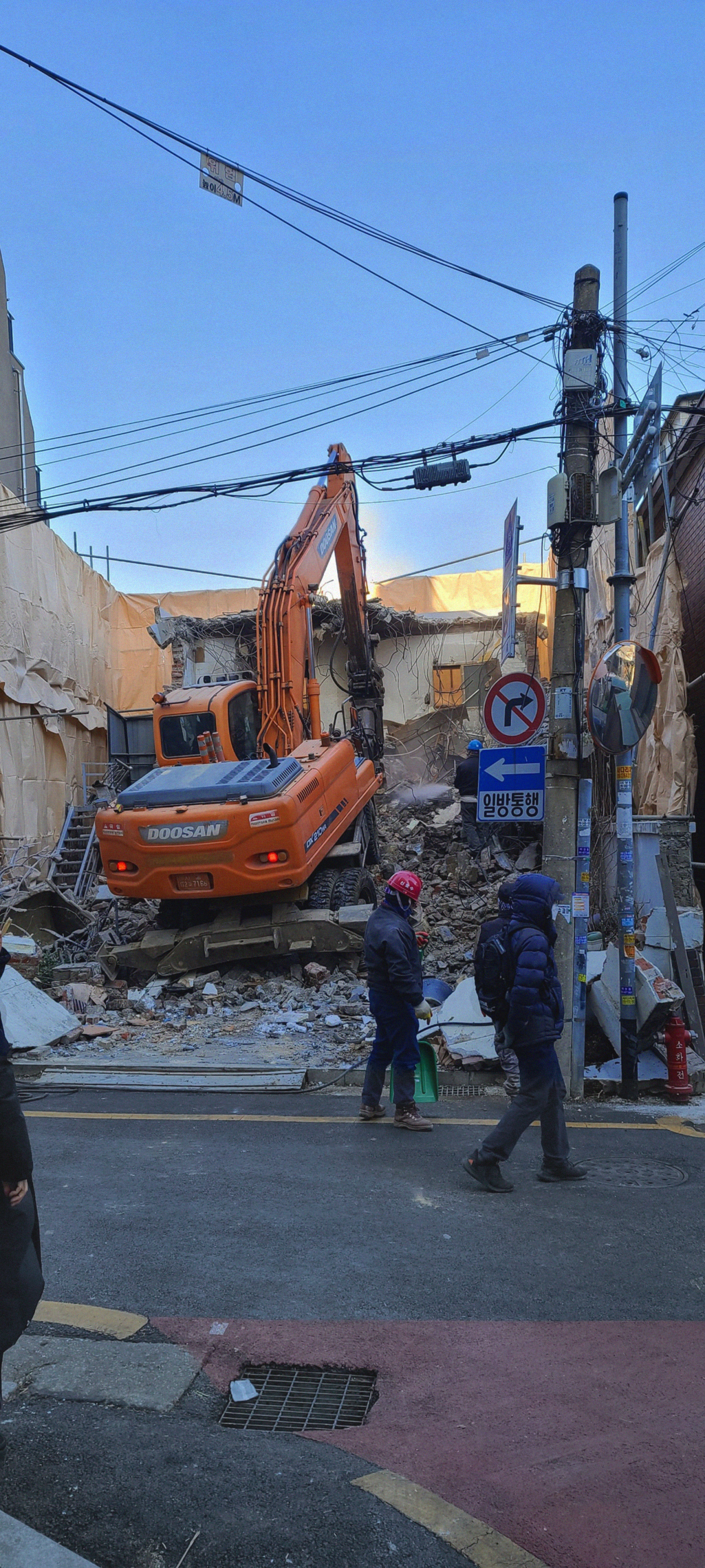
Movan House under construction
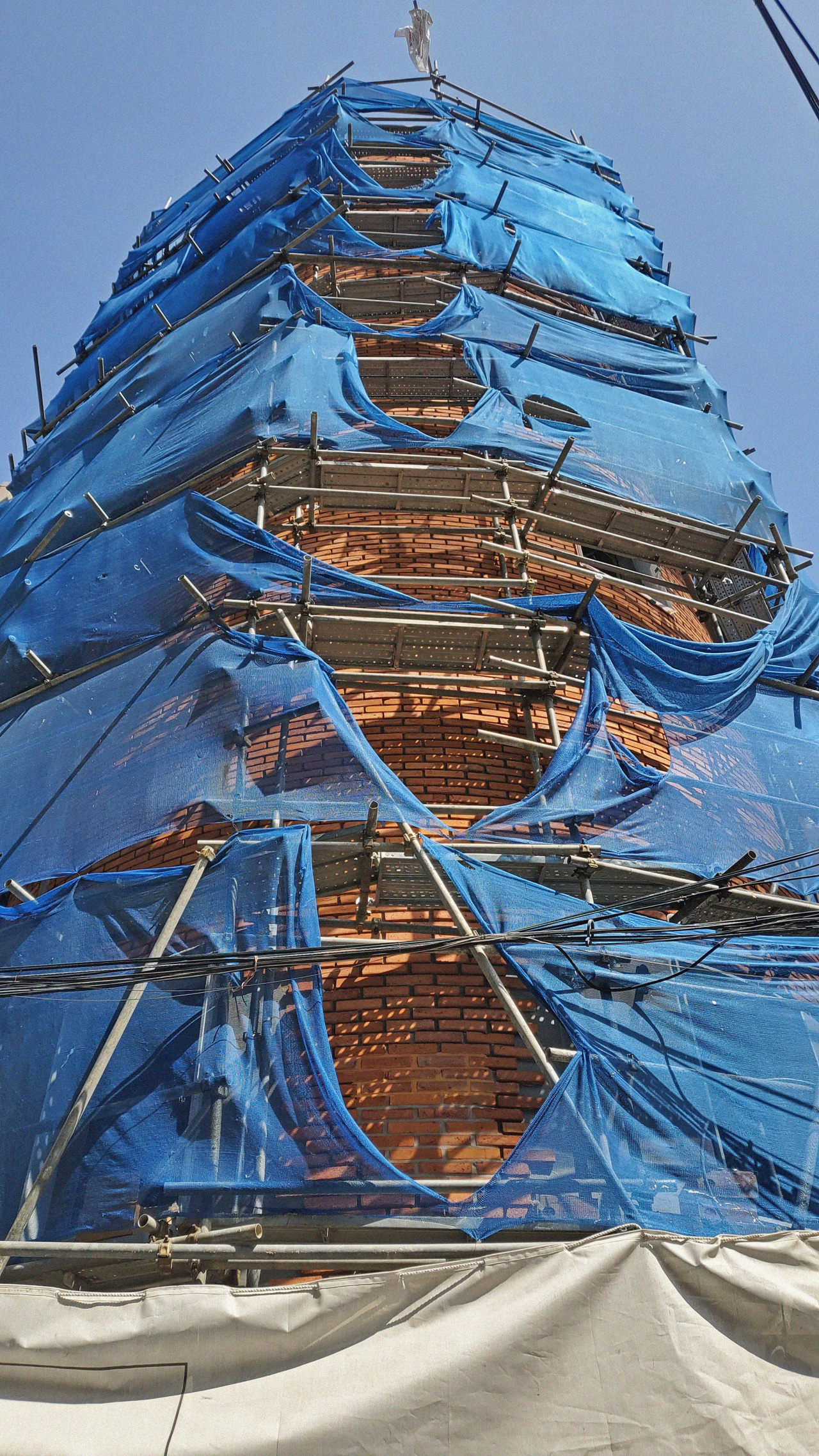
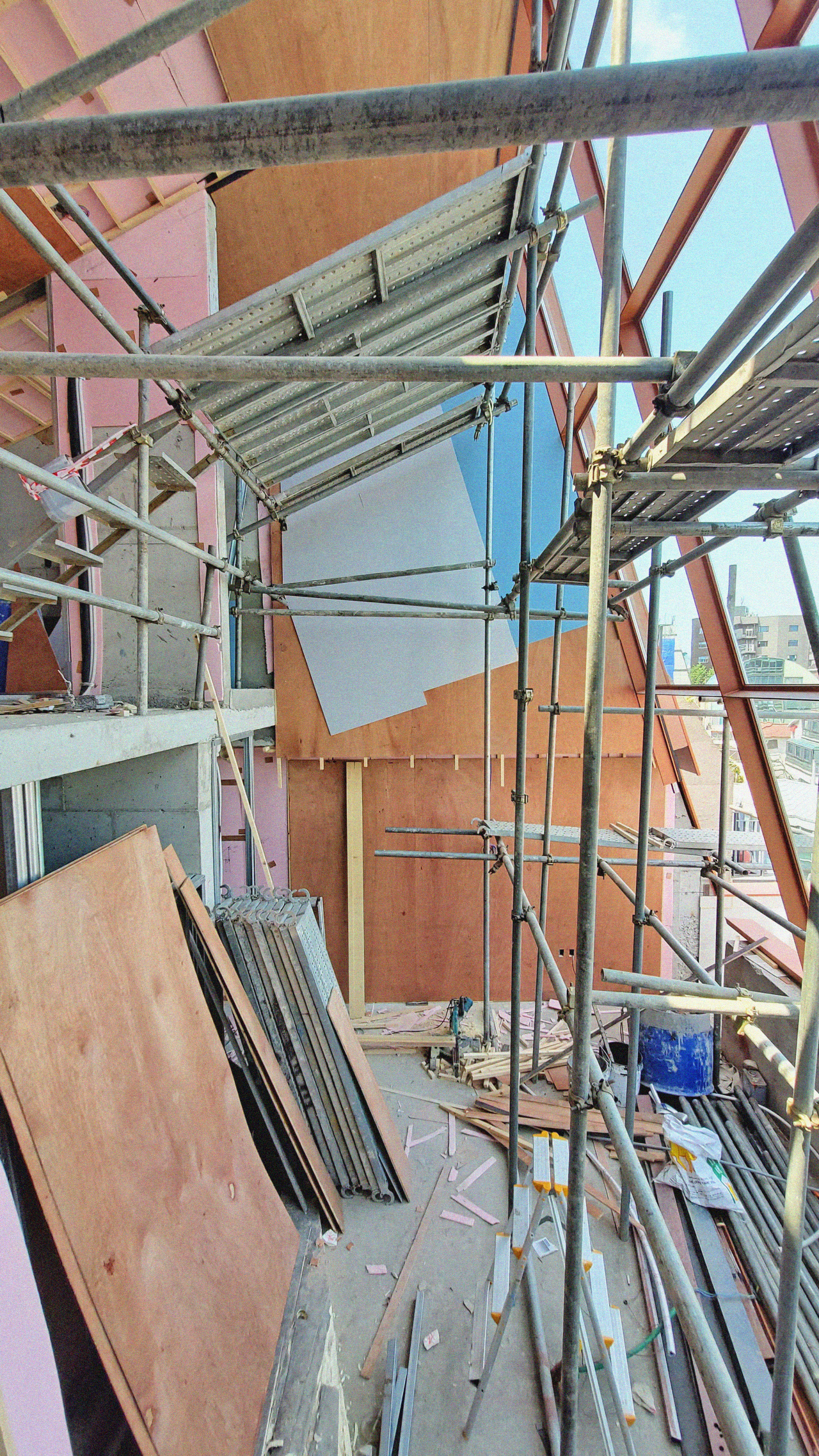
One of those attempts is the large vertical window in the kitchen.
Unlike typical Korean houses where large windows face south, our vertical window faces north. The south side faces an alley, so we kept smaller windows there to maintain privacy. We wanted to step away from familiar methods and try our own approach. The ceiling in that space is over seven meters high, which is very rare in Korean residential houses. The site wasn’t large, we decided to build higher from the beginning and create a sense of openness we had always dreamed of. Due to the inclination of the window structure, every window ended up having a different shape. Normally windows like these are installed with a crane, but the site conditions didn’t allow it. In the end, the construction team had to carry the glass panels up the stairs by hand.
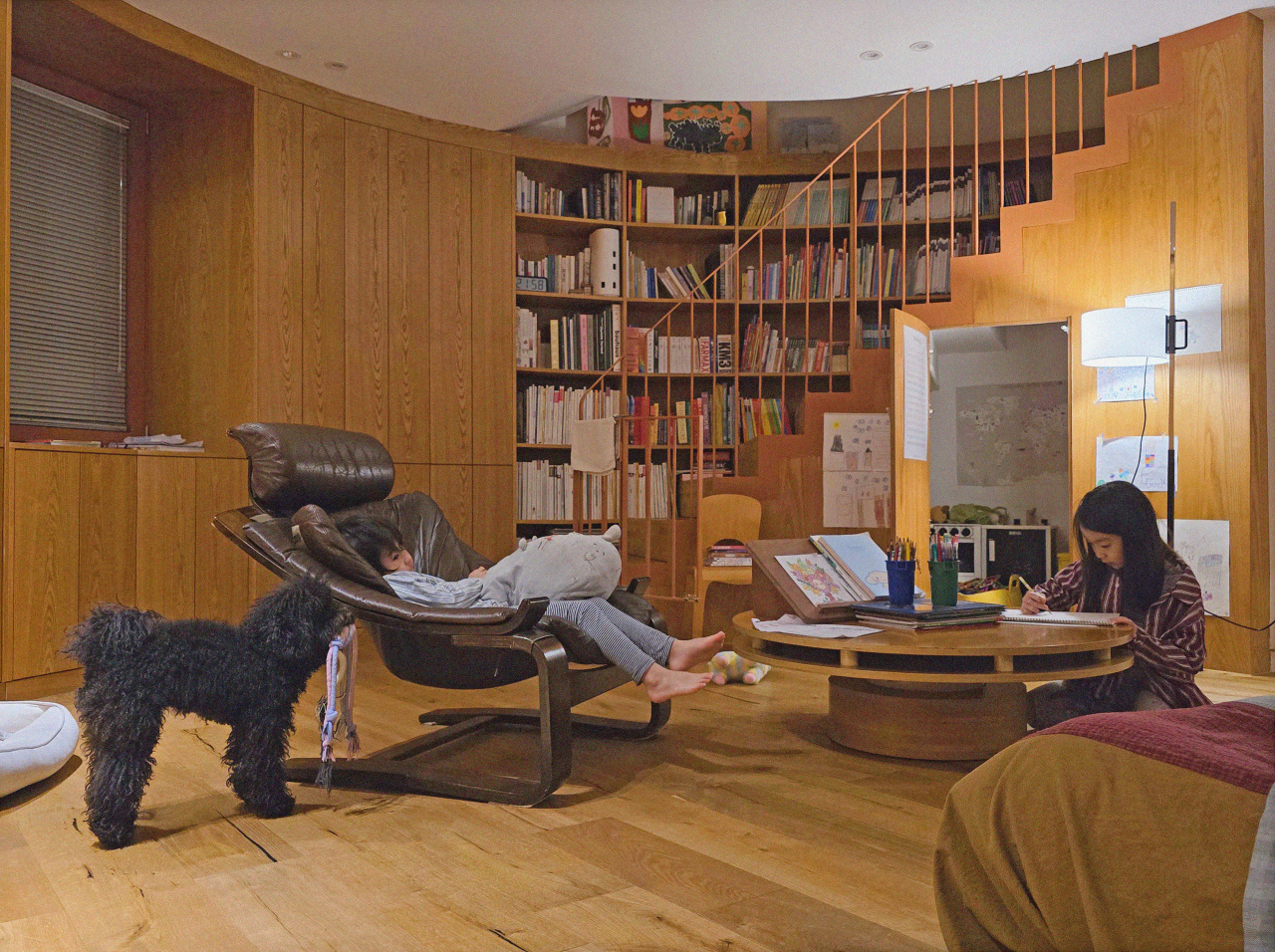
We also custom-made all the furniture. For us, a house holds the stories of a certain period in our lives. That’s why it’s difficult to rely only on numbers or standards. Instead of following general guidelines, like the size of door handles or the weight of a chair, we tried to decide everything according to our own senses. The process was complicated and demanding, but small details such as the shape of a door knob or the size of a bathroom window slowly made the house feel more and more like ours.
Instead of creating a house centered entirely around children, we wanted our kids to naturally exist within a space where adult life is also respected. So we kept the spaces connected within the overall flow of the house while making sure the materials and circulation remained safe.
Children adapt much faster than we expect.
TMC 1961, Miguel Milá.
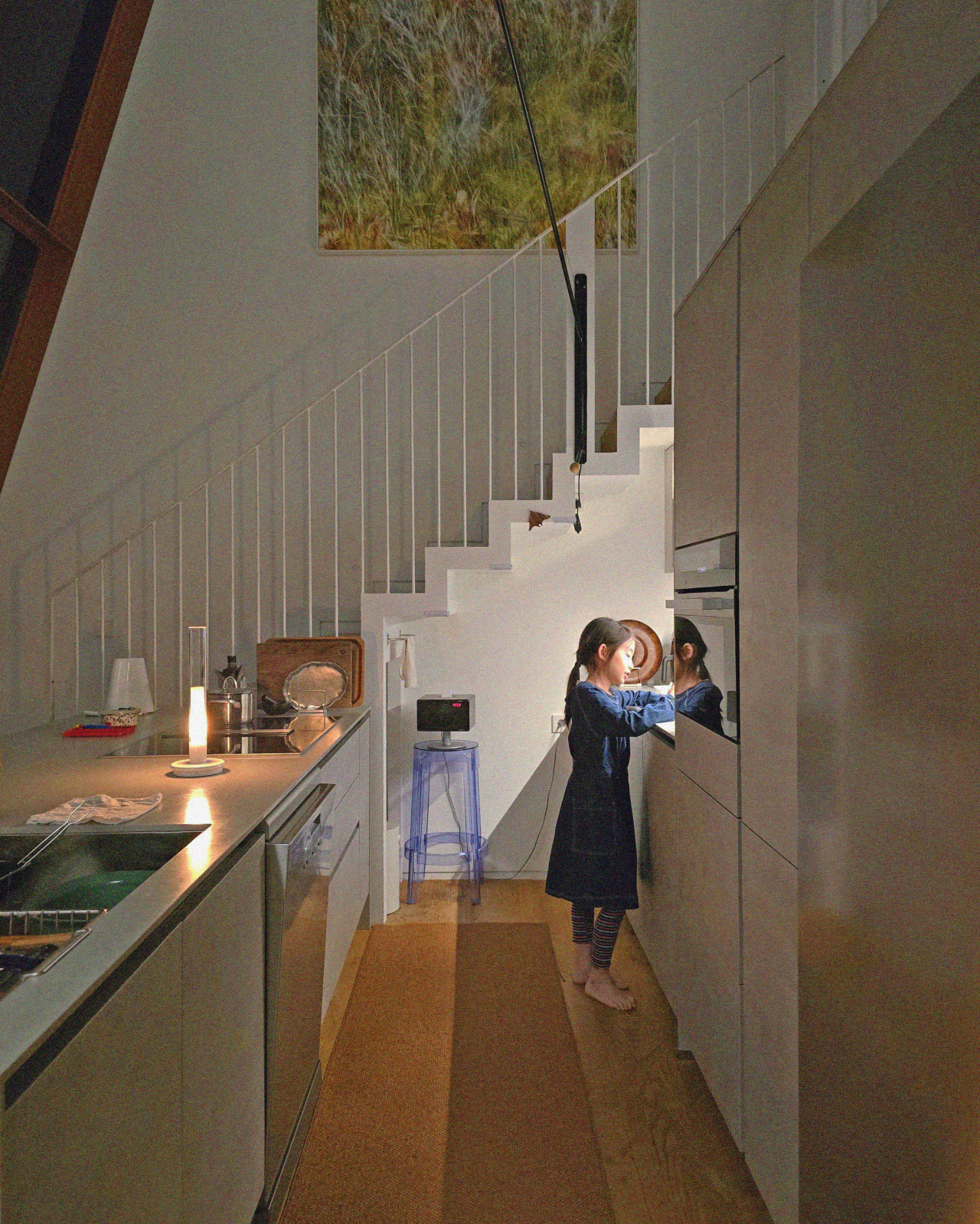
Sylvestrina 1974, Enric Sòria, Jordi Garcés.
The building process was so intense that even after moving in, it took time before we could fully appreciate the house. But when friends came over and told us how beautiful it was, we began to feel that building it was truly worth it. It was a time of big change in our lives, and we learned a lot through it. In many ways the house still feels like a work in progress. What is certain, though, is that living here has made us care less about how others see the house and more about how we experience it ourselves.
This home increasingly feels like a place to discover ourselves, not just a place to live. We also enjoyed discovering how spaces begin to resemble the people who use them. In the end, space seems to absorb the mind of the person living in it. For example, the dining room, where our kids and I spend the most time, feels very much like my wife. It’s bright, simple, elegant, and natural. On the other hand, the room I use is darker and feels more like a place for solitude.
Just as people have different personalities, each space seems to develop its own character.
I usually begin with the overall picture and then fill in the details. My wife does the opposite, she starts with small details and gradually builds the whole. When our opinions differed, we tried to think not about who was right, but about what feeling each choice would leave in our daily lives.
The hanging lighting from Santa & Cole is a good example. My wife had always dreamed of installing a hanging lamp like that, but finding one suitable for a seven-meter-high kitchen was almost impossible.
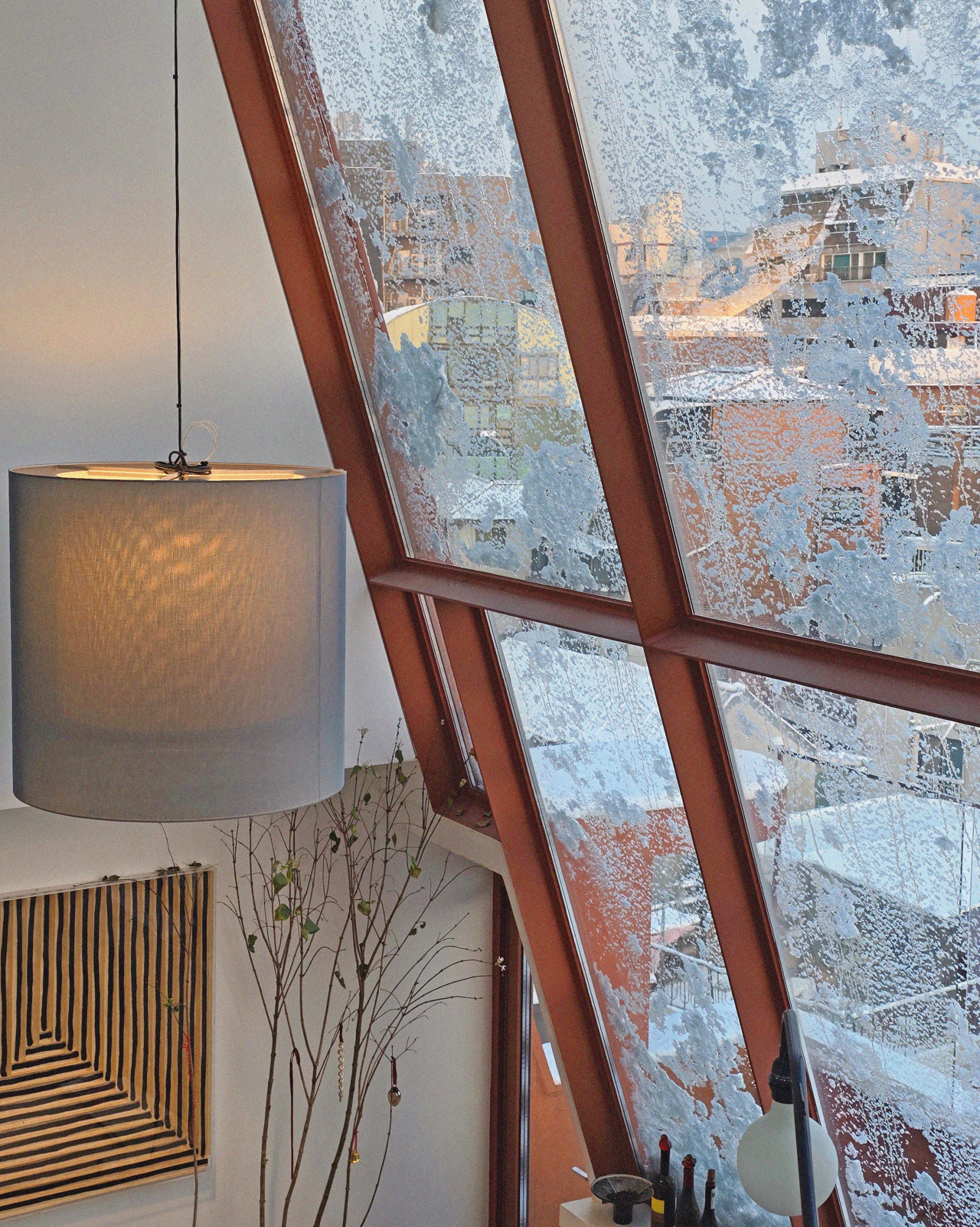
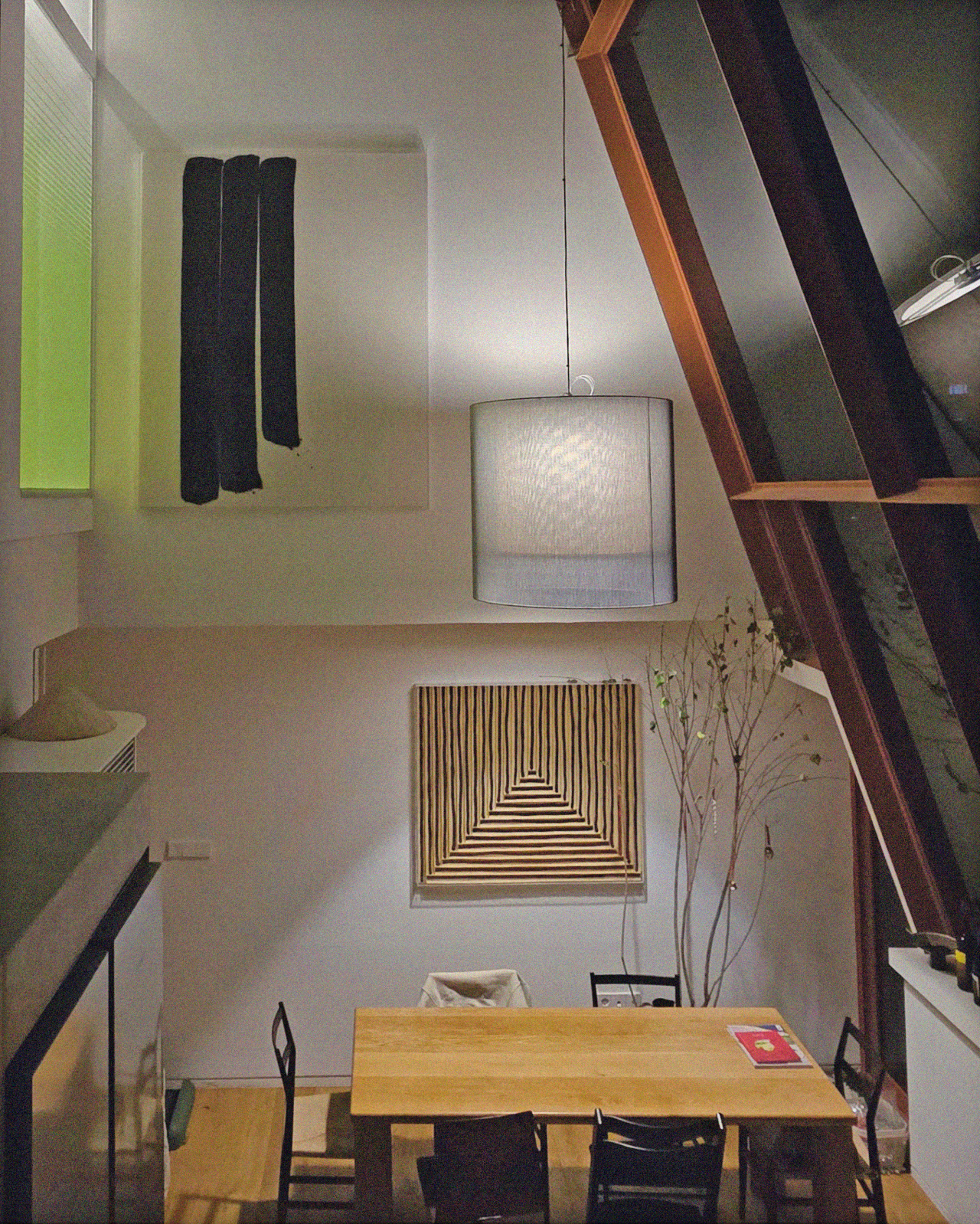
Moaré 2003, Antoni Arola.
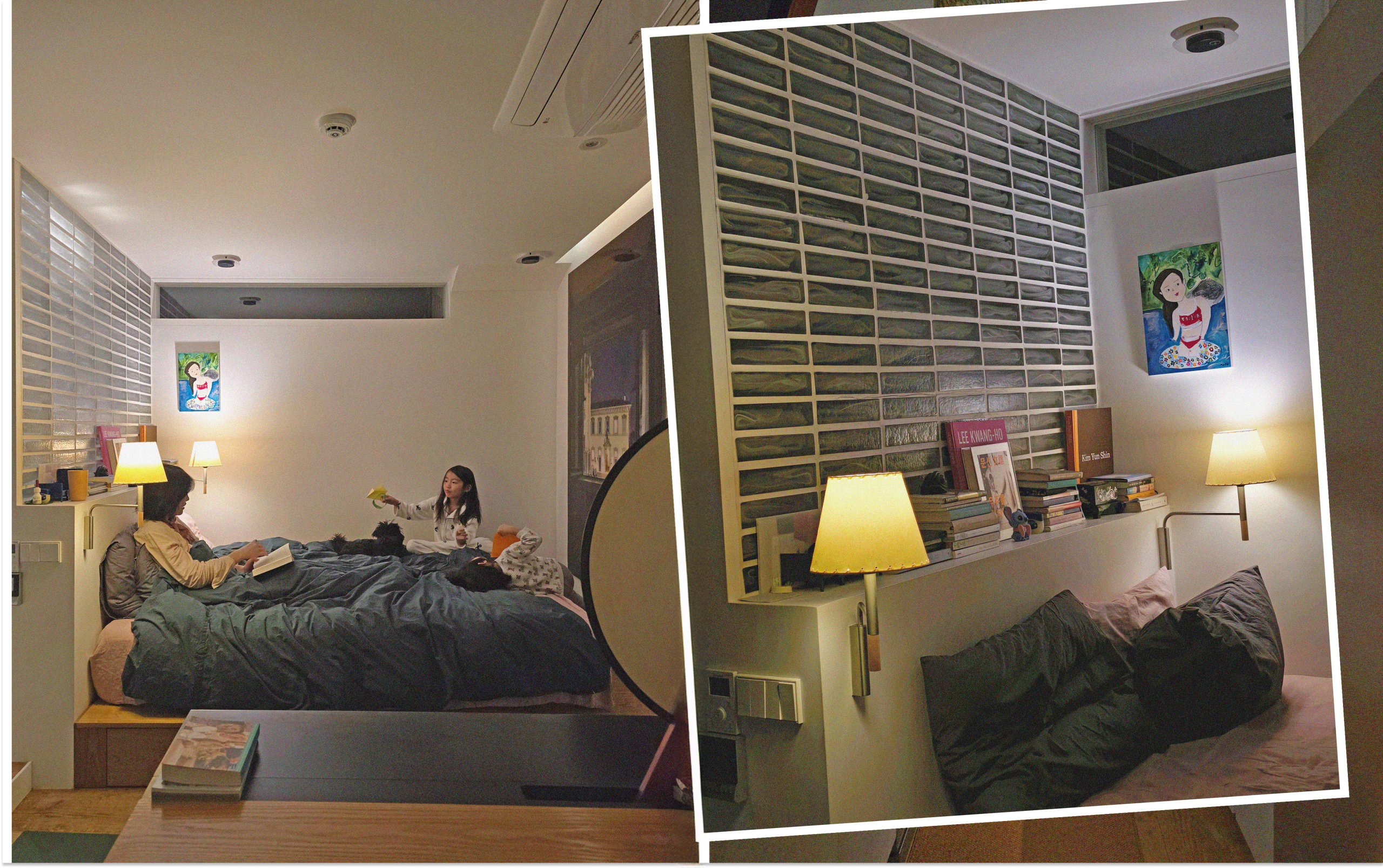
BC 1995, Equipo Santa & Cole
Eventually she found the perfect design from Santa & Cole, a brand she had always wanted in her dream house. Thankfully we were able to negotiate a three-meter line, and we designed a small device to hang the lighting. The entire process had to be custom-made by hand.
You have to build experience and get to know yourself. You need to understand what you truly like, what makes your eyes light up when you see it. Once you understand that, you can slowly place those preferences into your space.
Sometimes it can feel like you are the only person in that space. But when someone else looks at it and says, “This space feels just like you,” it probably means you are already living happily in that place.