LL731
Barcelona, Spain
Renovation of the Casa Jaume Bach Esteve
The Jaume Bach Esteve house is an early 20th-century building located in the Poblenou district of Barcelona. Architect Raimon Batlle i Magañas designed it in 1903 in a very austere modernist style. From a decorative standpoint, the façade stands out for its sculpted lintels and corbels beneath the balcony, both featuring floral reliefs, wrought-iron grilles, cast-iron railings, and wooden doors.
Starting from this foundation, the architecture studio responsible for its renovation, Aramé Studio (Andrea Arriola Fiol and Adrián Mellado Muñoz), approached the project with deep respect for the original architecture. They transformed it with a kind of restrained sobriety, allowing the existing structure to retain its presence while introducing a precise and contemporary language. The house, originally composed of two separate apartments, spans 250 m² and reimagines the building as a single-family home with a studio distributed across two floors.
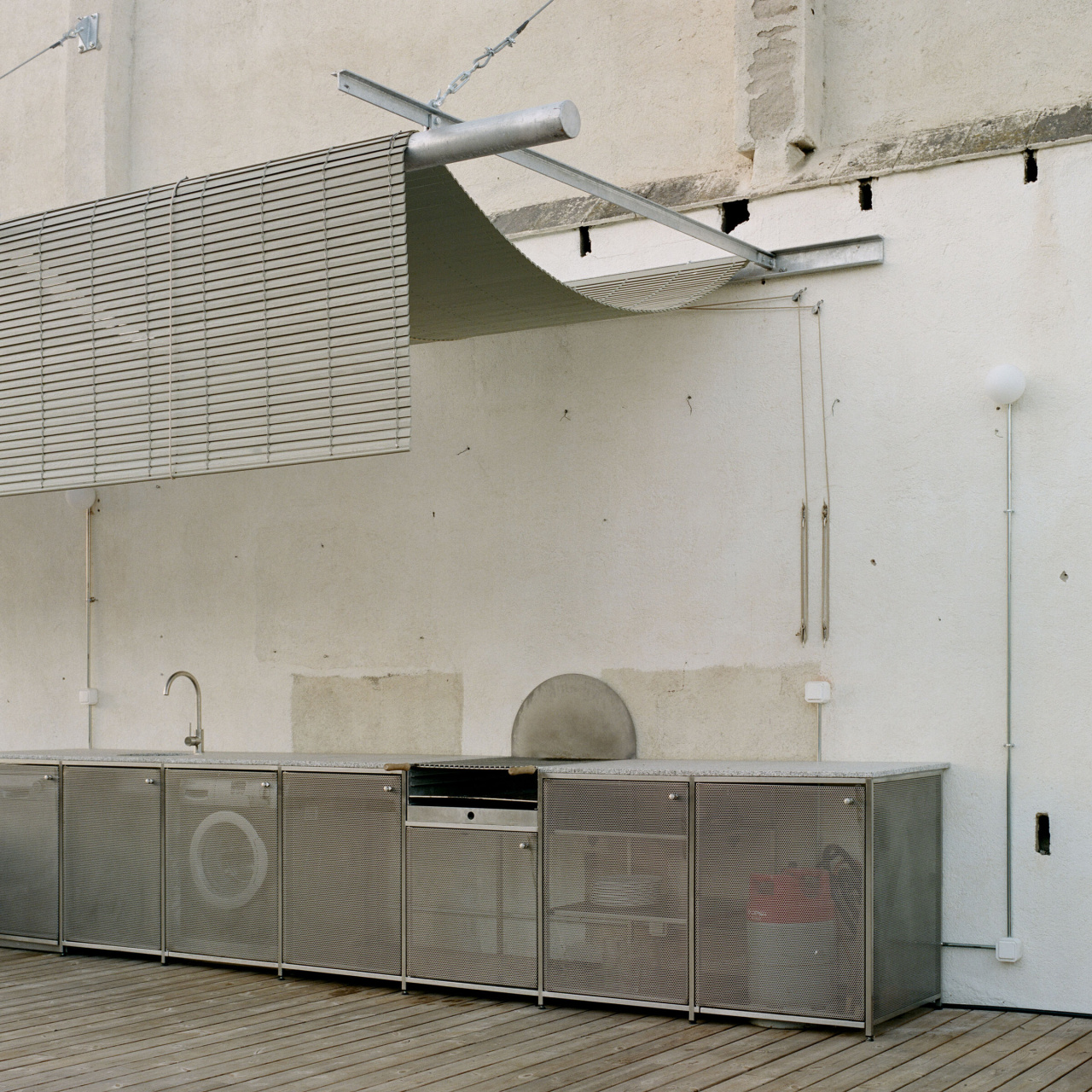
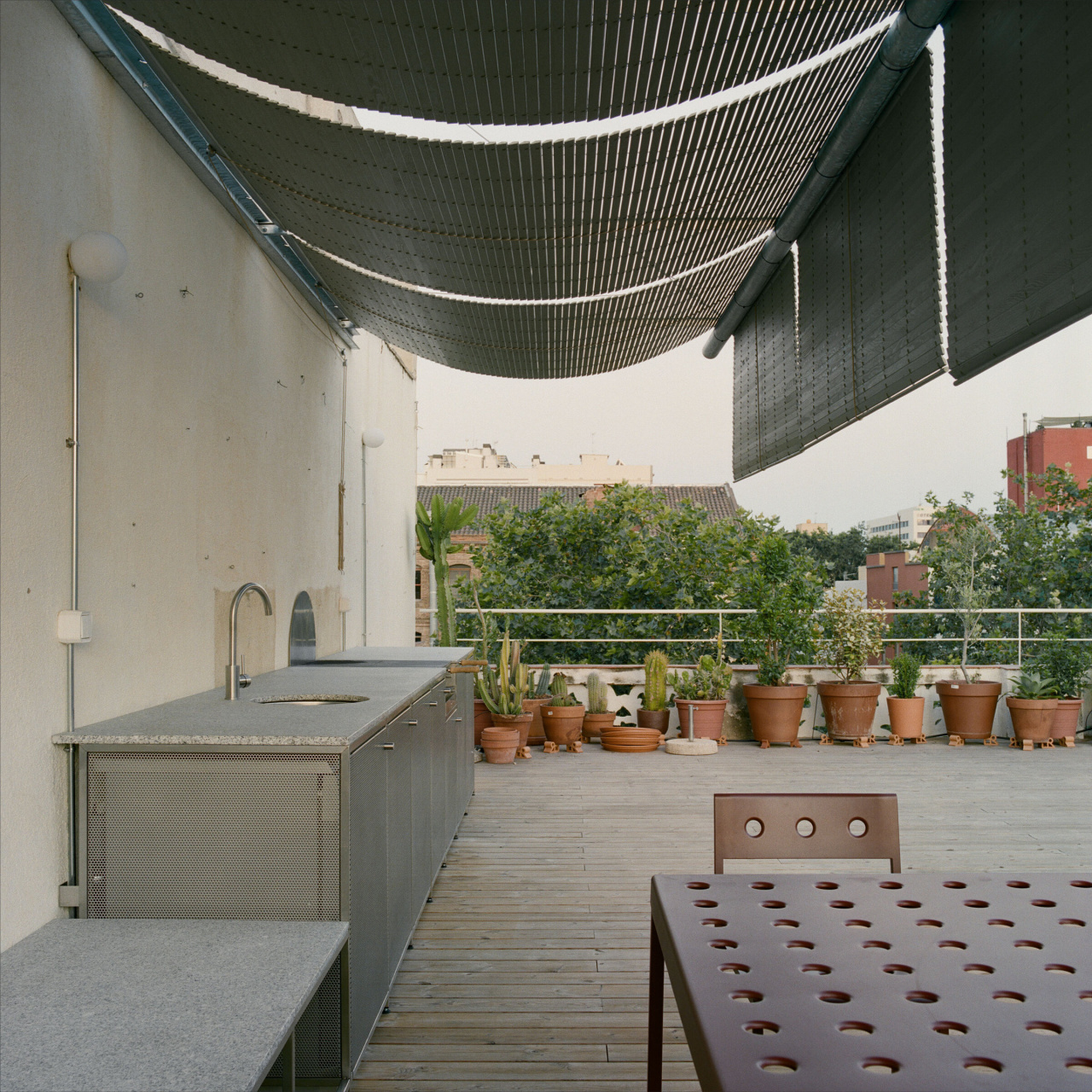
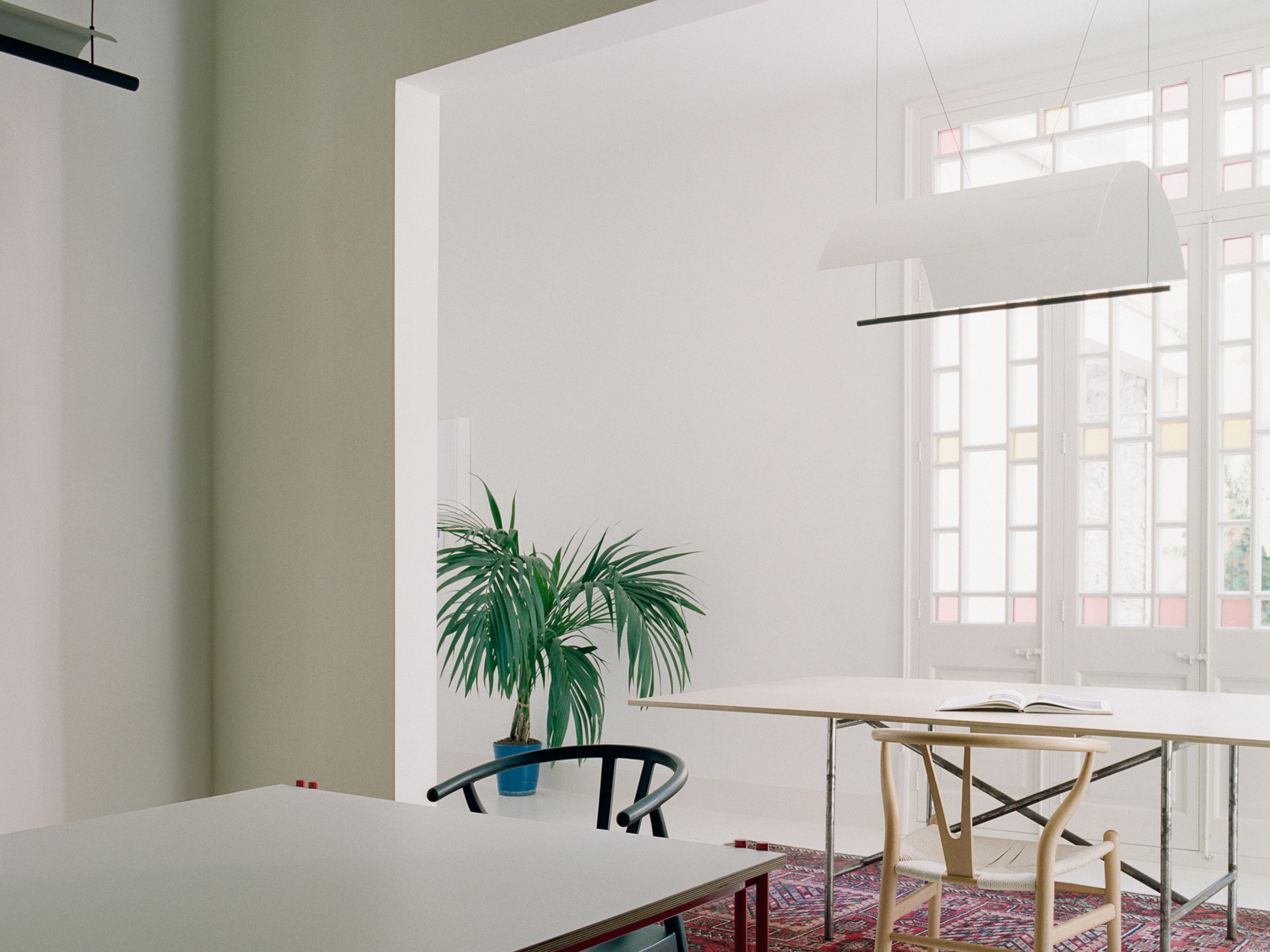
The overall minimalist aesthetic prioritizes clarity over spectacle. Inside, a decorative silence prevails, almost monastic, with light, fluid, and generous spaces through which air always seems to circulate. Stainless steel surfaces, wood, custom-made elements, simplicity, craftsmanship, and a neutral, clean palette extend throughout the rooms like sculptural interventions. In contrast, the whitewashed vaults in the stairwell speak of history and the past. Upstairs, the terrace extends the project’s austere and functional logic, with unfinished walls and adjustable shutters. Downstairs, above the wooden table, hangs a Lámina Mayor by Antoni Arola.
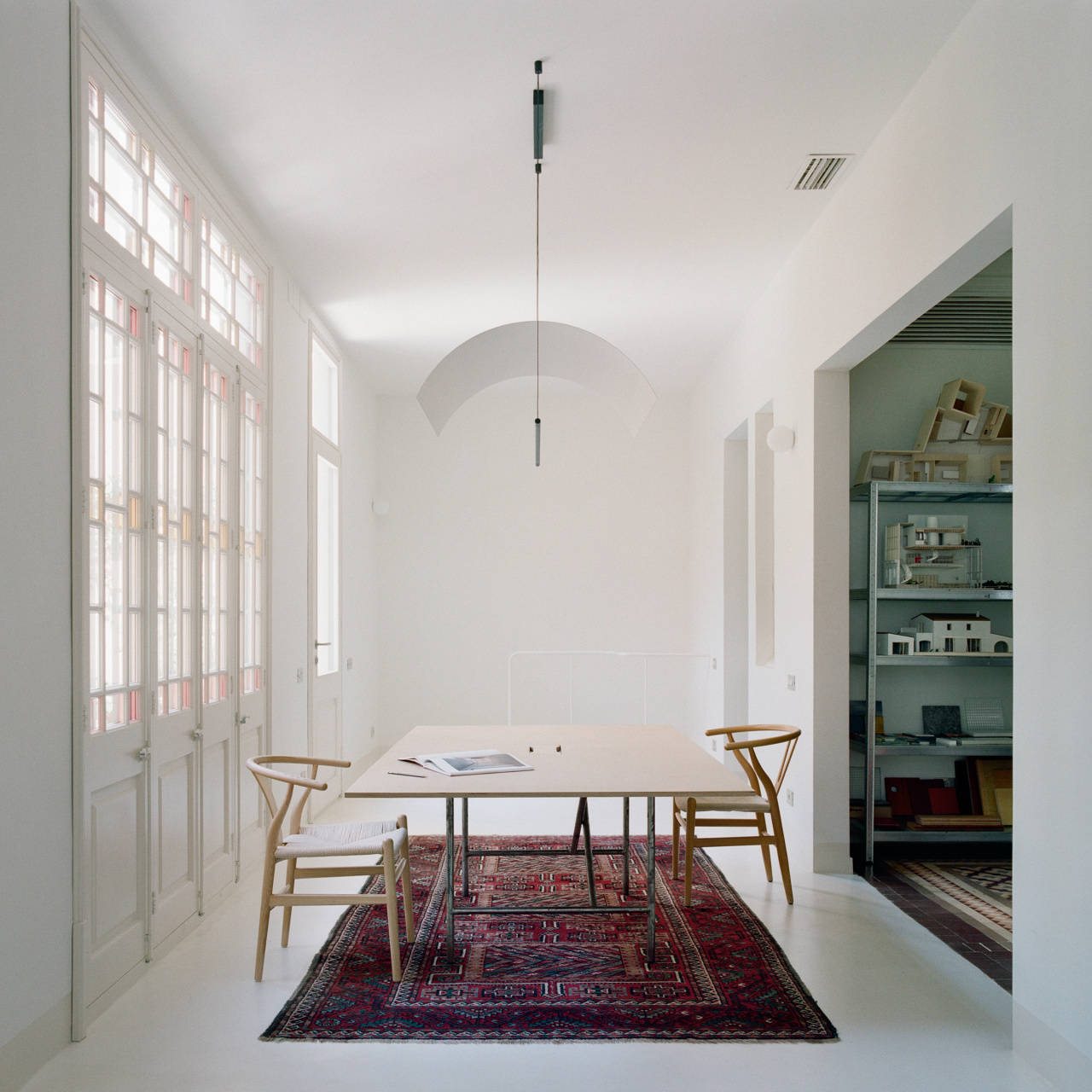
Lámina Mayor
Beneath a thin white sheet, an underline of light, subtle yet effective. Here, light does not merely illuminate — it structures and defines the environment in a gesture that is at once subtle and powerful.
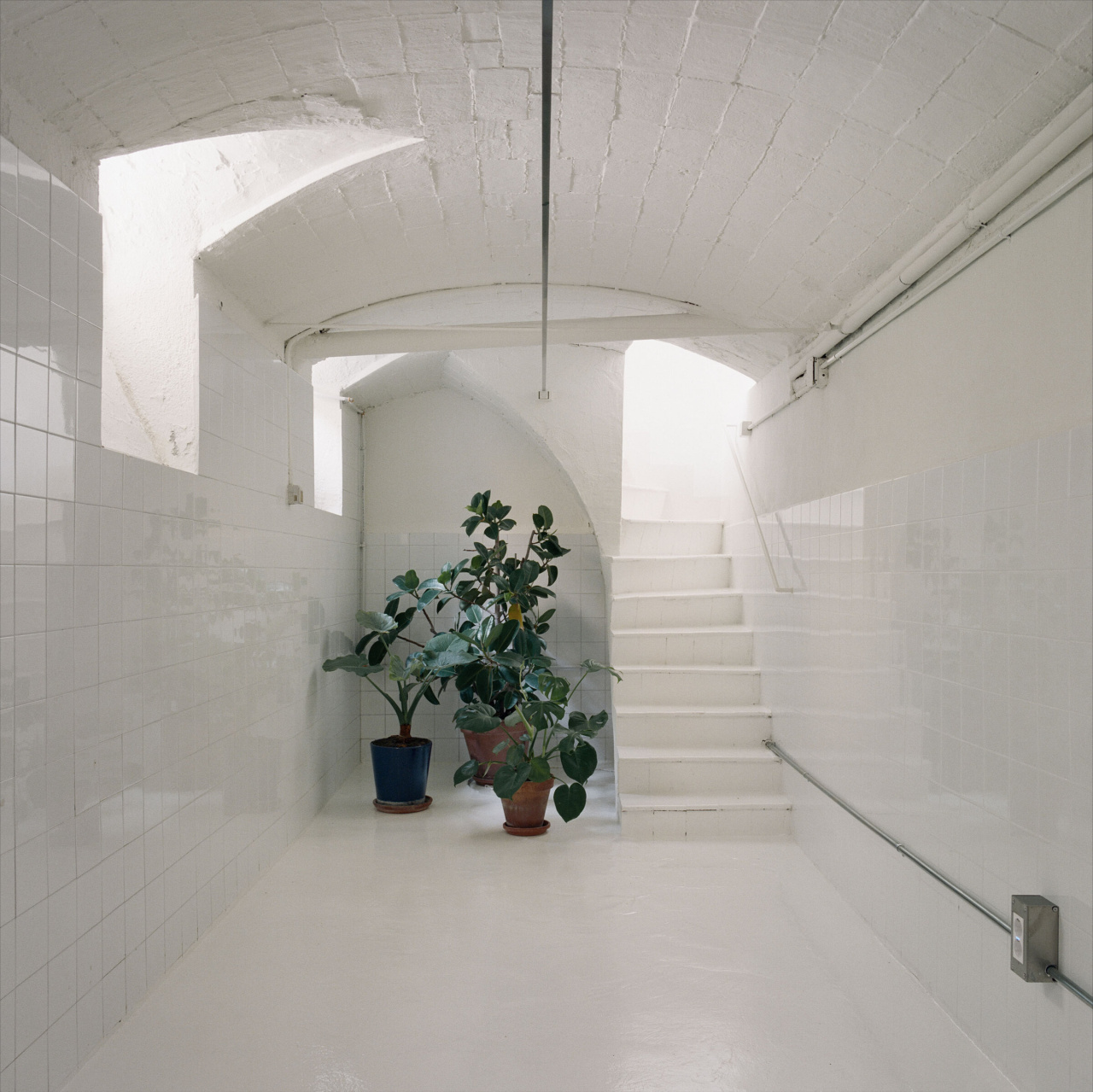
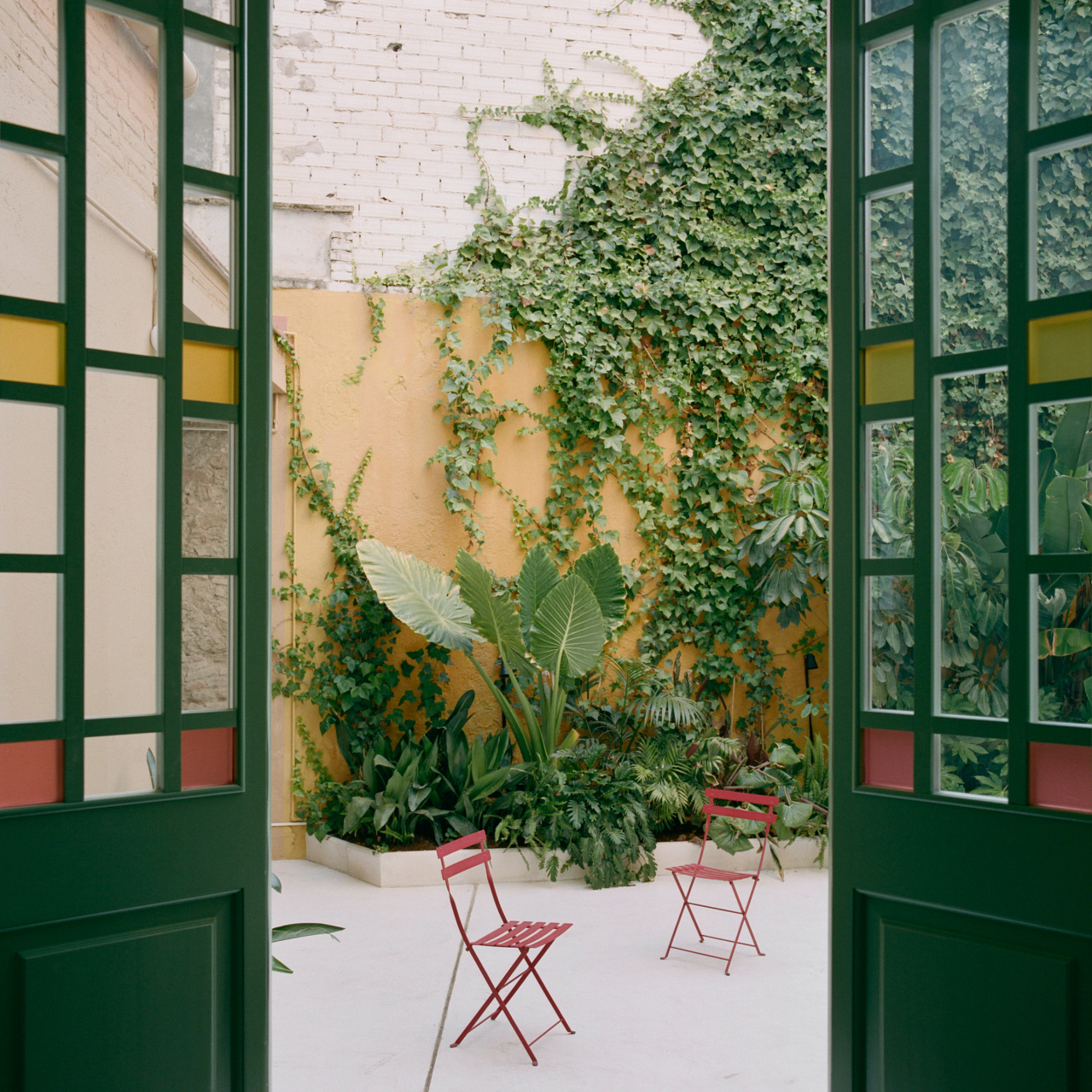
The project is conceived as a continuous sequence of rooms without fixed partitions, generating a flexible and adaptable space where furniture defines the function of each area rather than walls. The central theme is the blend between old elements and new interventions, coexisting in a natural tension that enriches the identity of the space, which now feels both rooted and free.