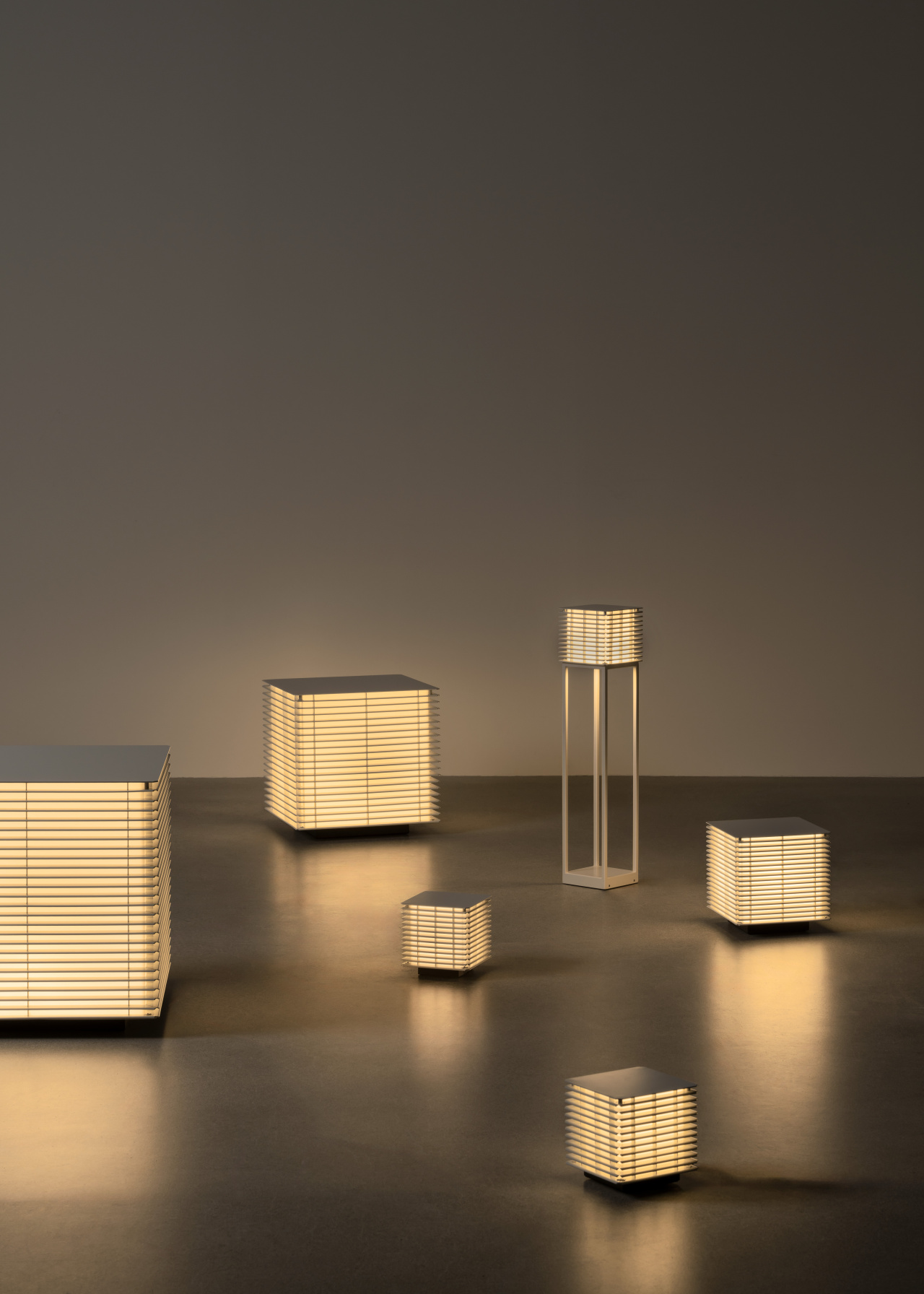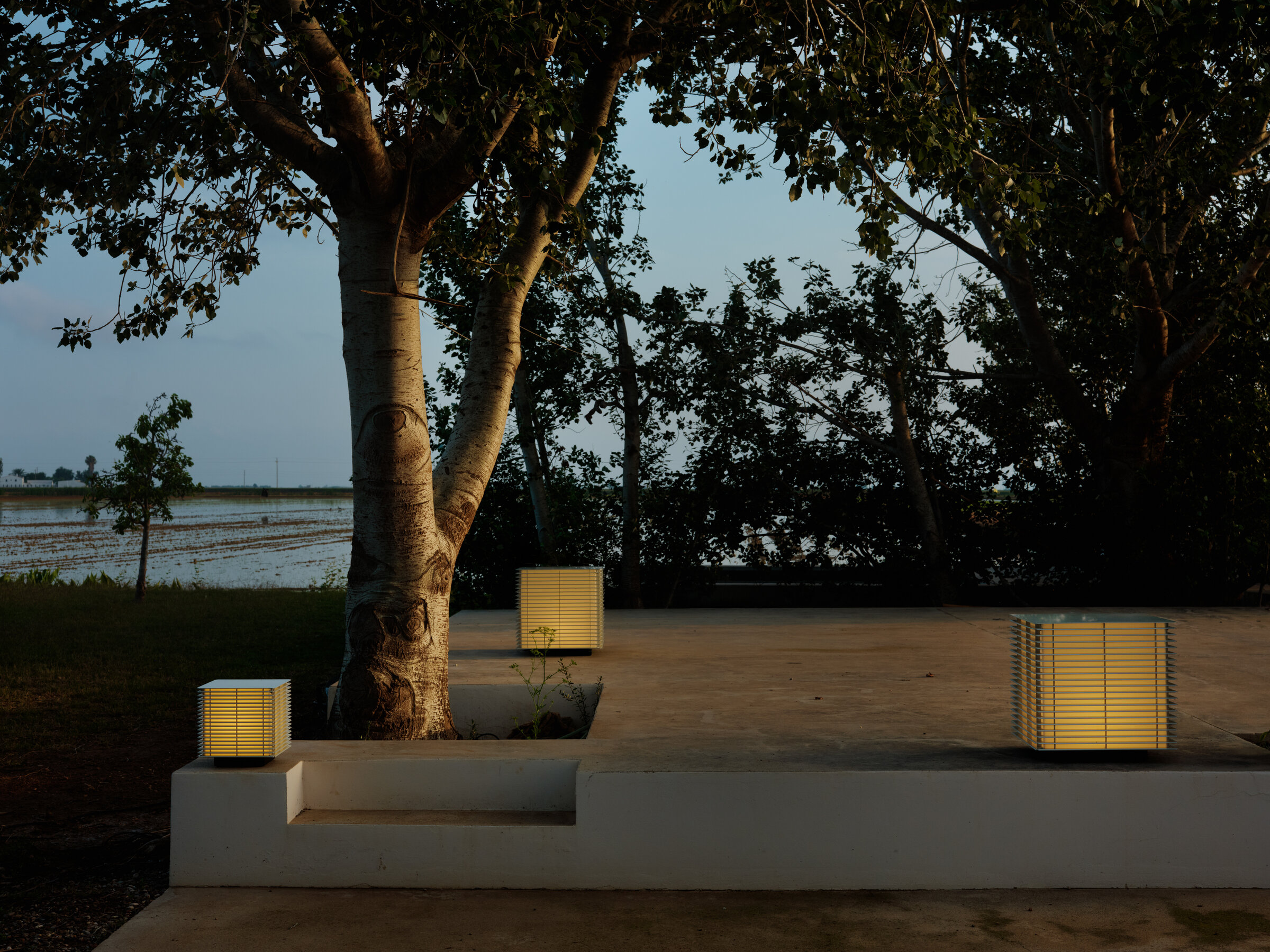
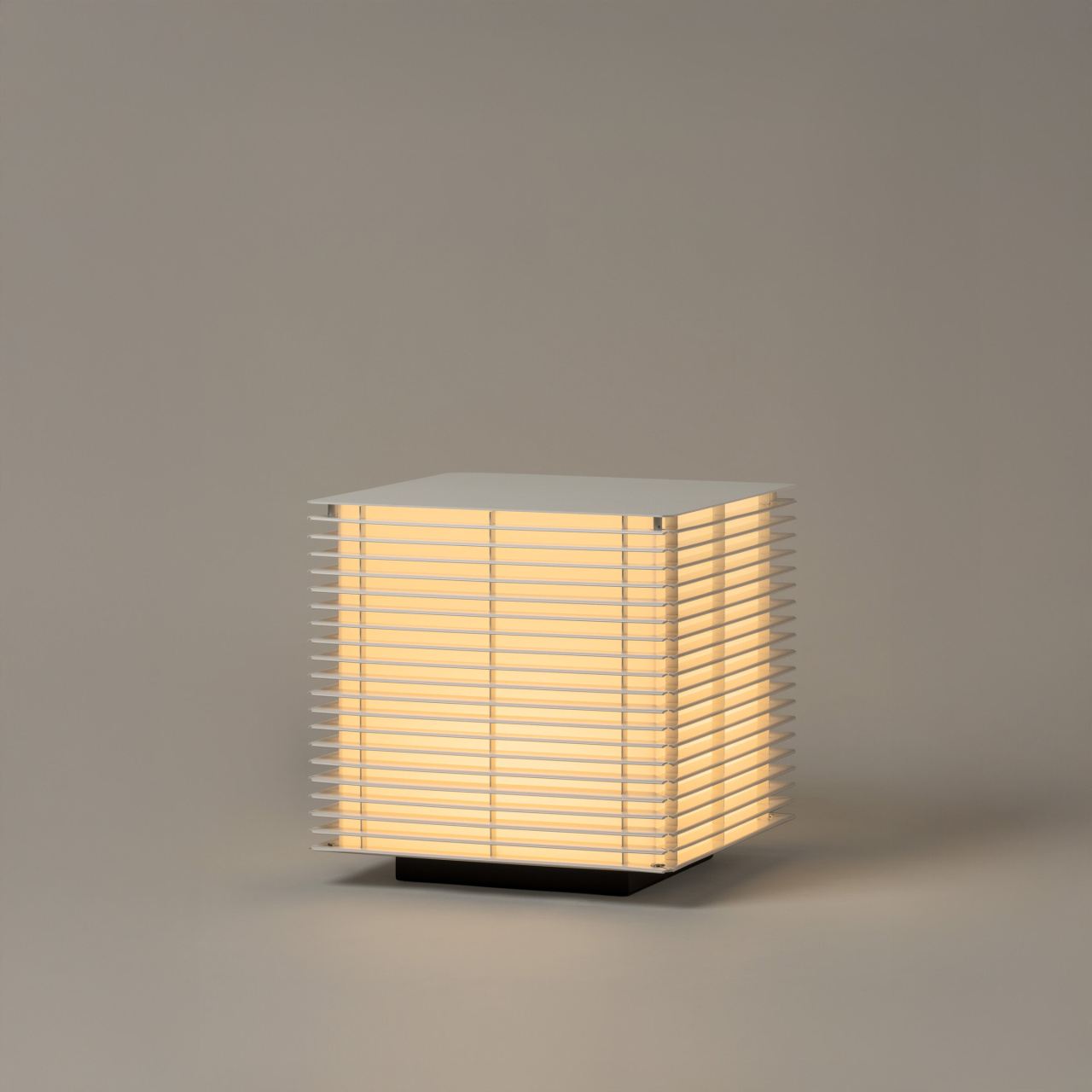
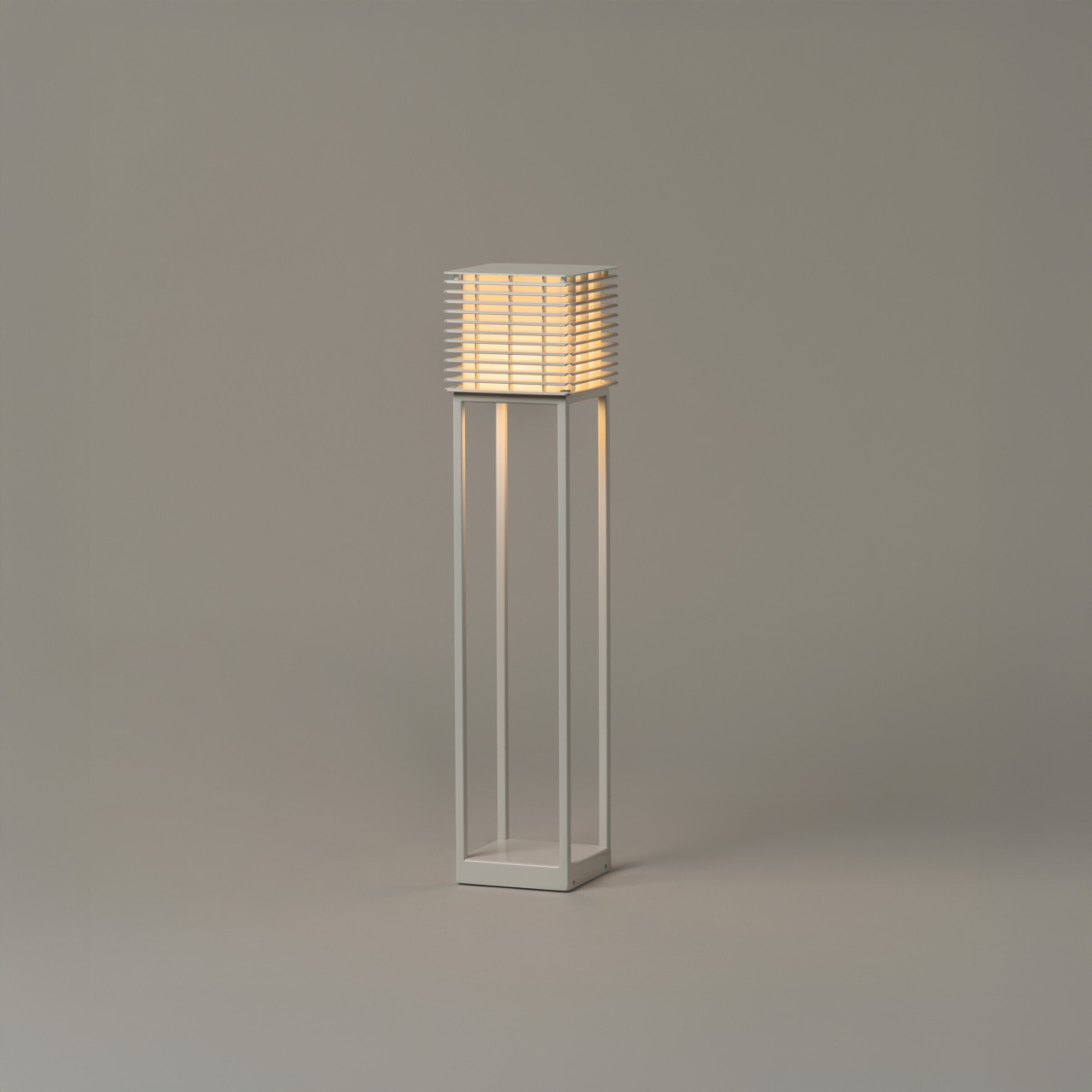
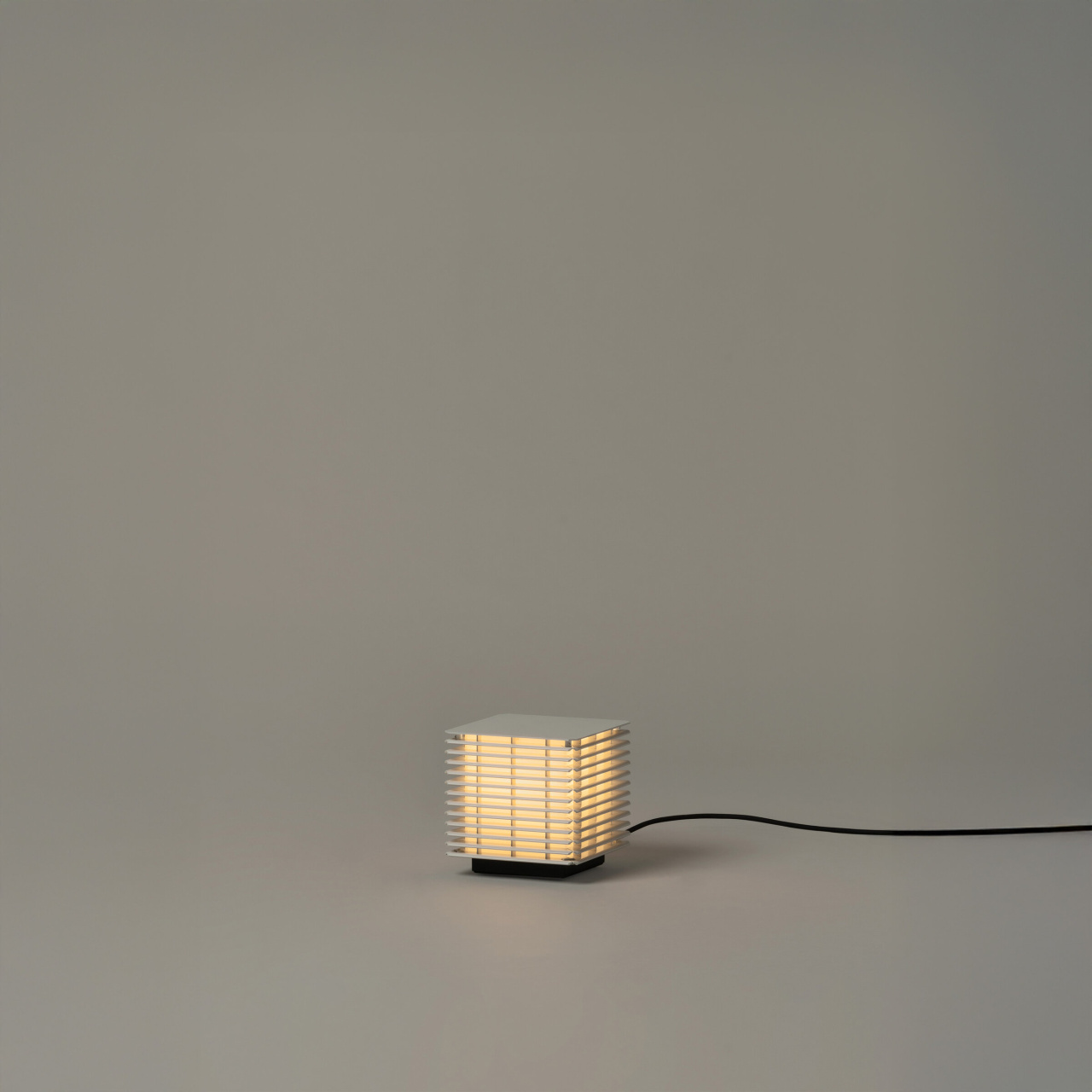
Introducing Shiro, a design by Antoni Arola from 1998. Shiro, which translates as “white” in Japanese, carries deep significance in the country’s philosophical tradition, evoking emptiness, honor, purity, and calm. Far from simply being the absence of color, Shiro represents a void brimming with potential, an expression of contained energy. A spiritual openness that invites contemplation and discovery.
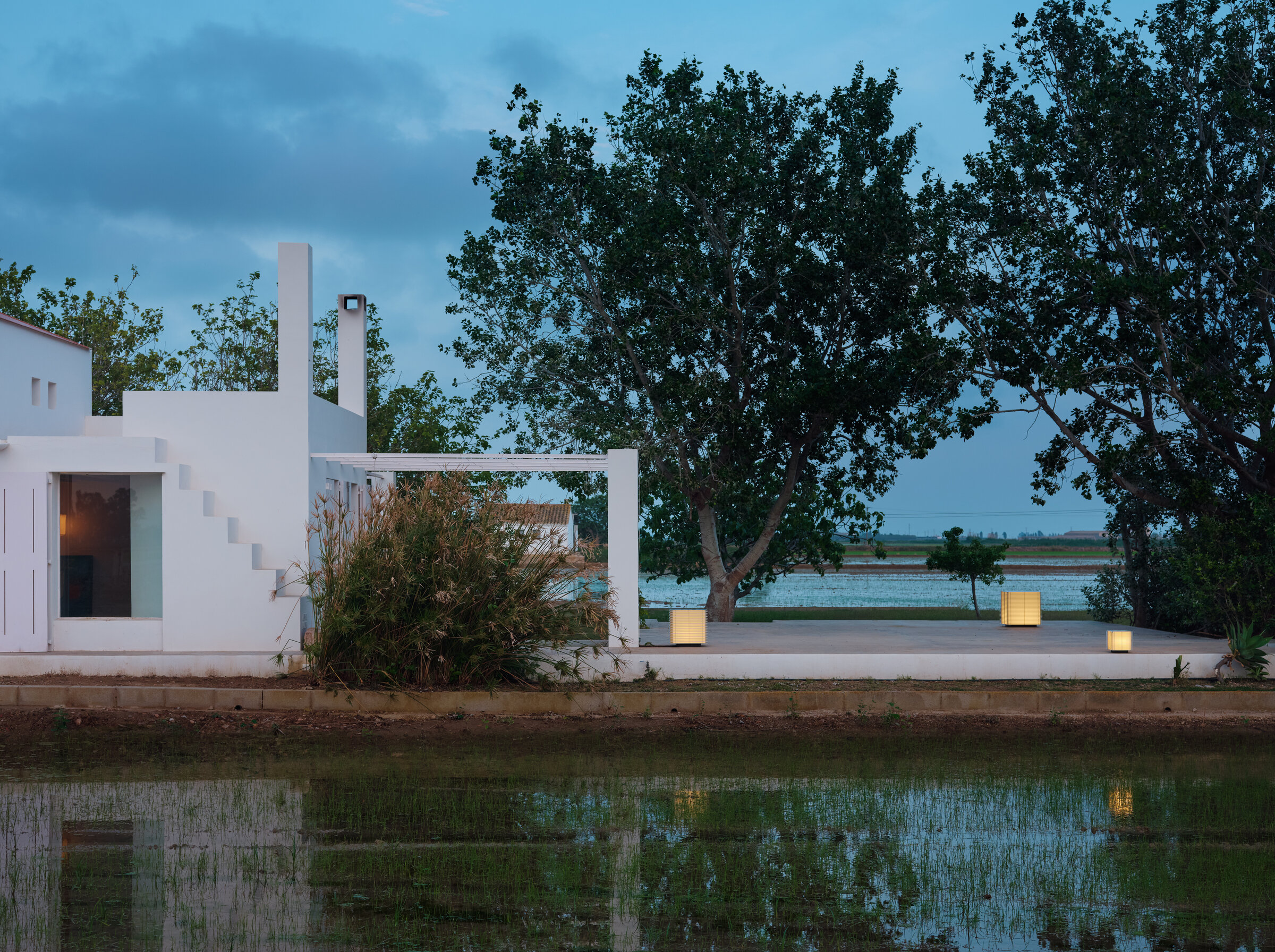
Designed for both indoor and outdoor settings, this lamp draws inspiration from the delicate relationship between nature and the architecture of “yukimi shoji”, traditional Japanese sliding panels that, from the intimacy of the interior, evoke the presence of the outside world.
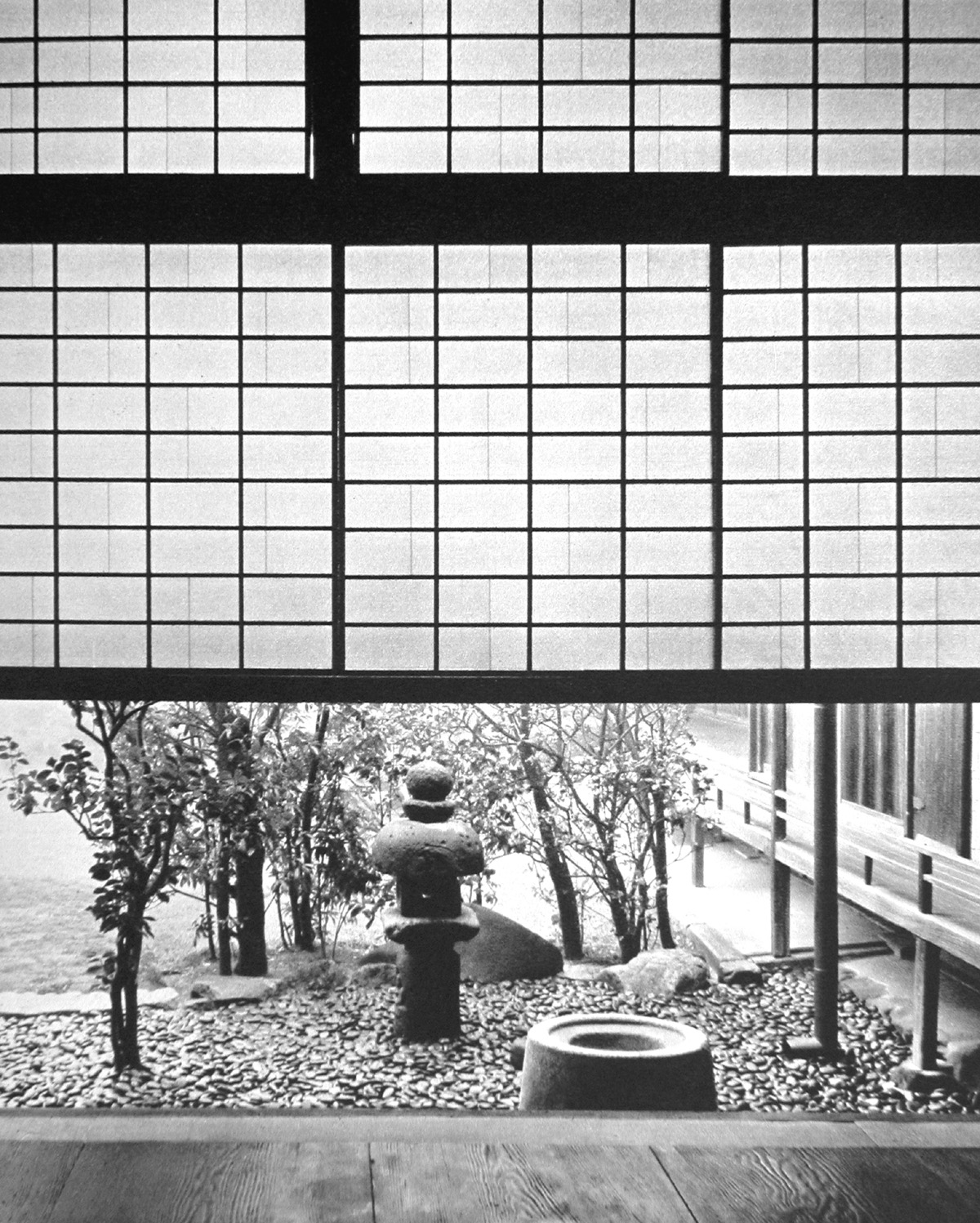
Takeji Iwamiya, Daitoku-ji, Kyoto (atrib.), c. 1950s. © Estate of Takeji Iwamiya.
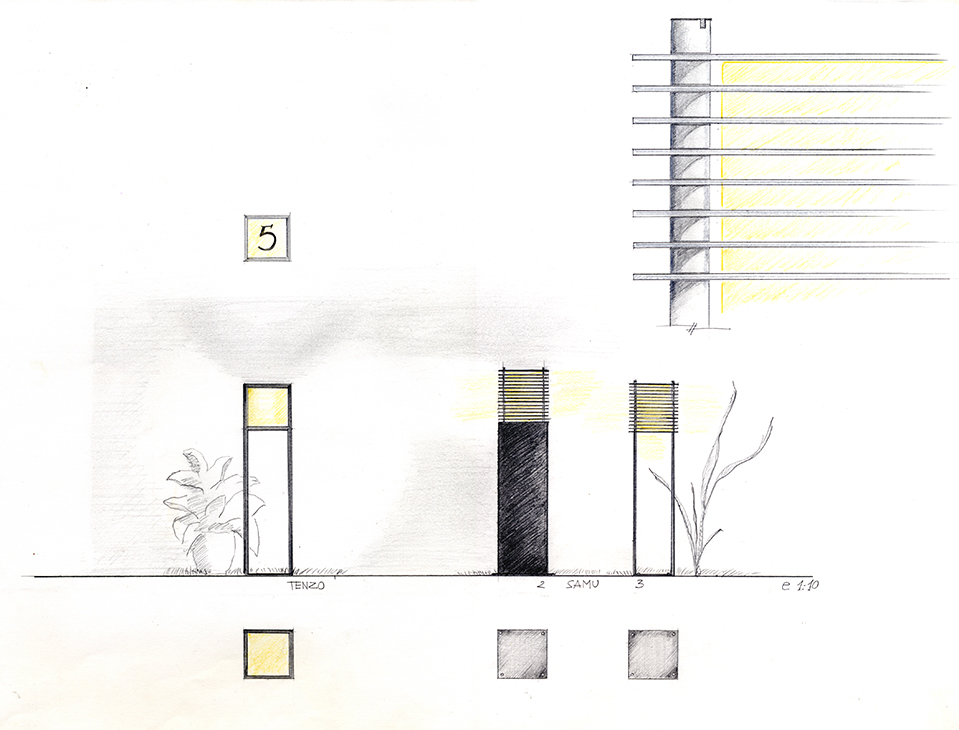
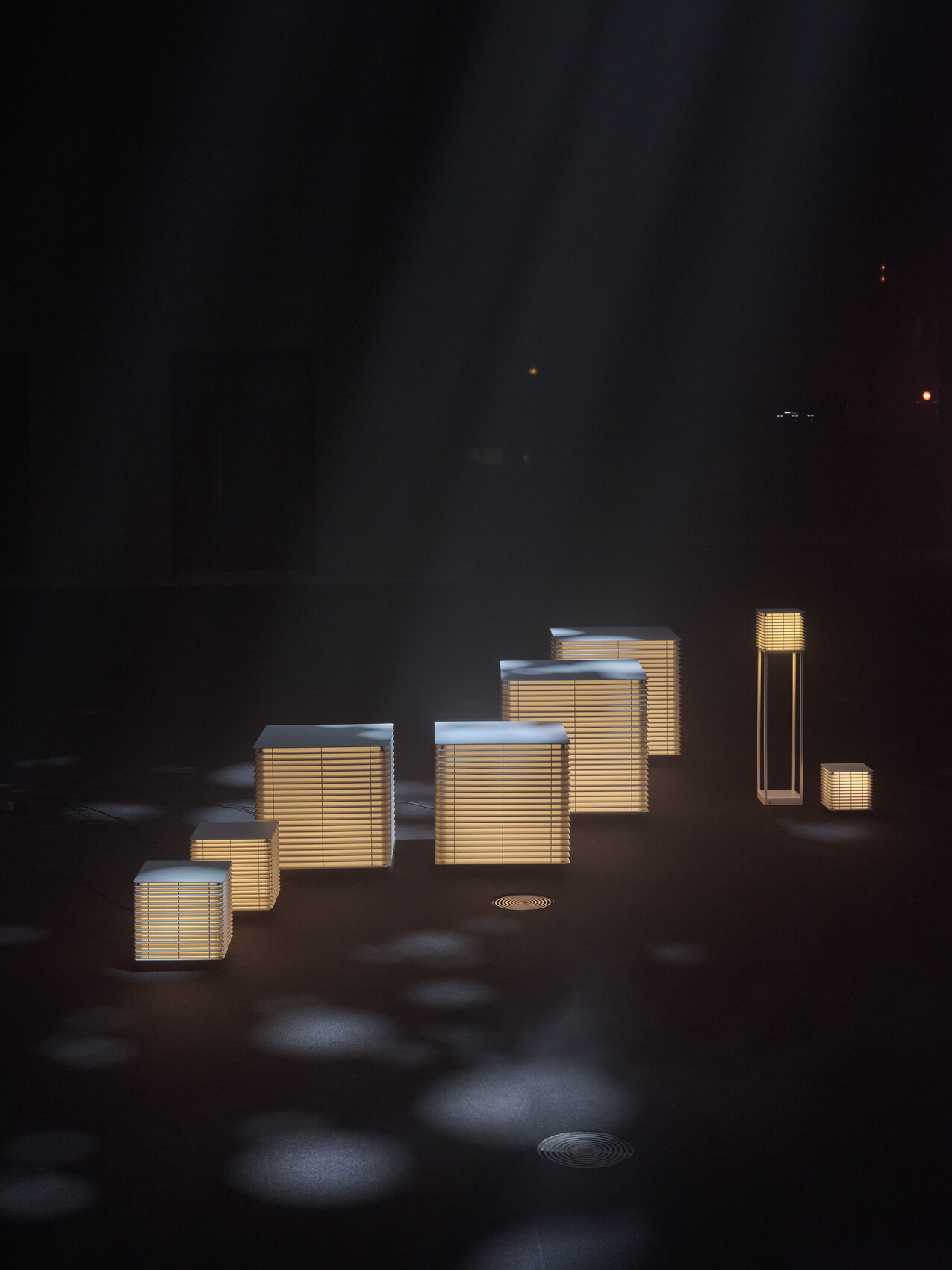
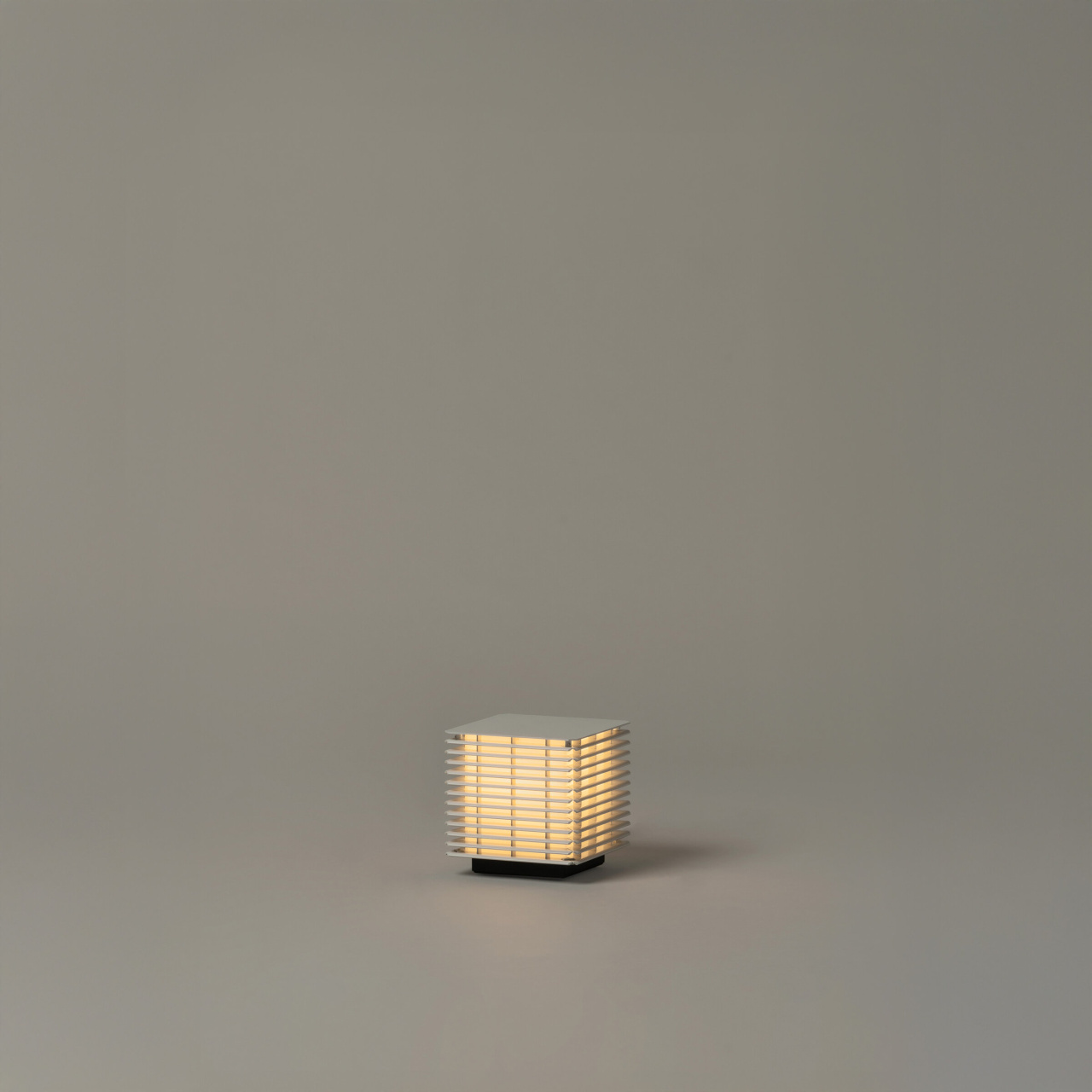
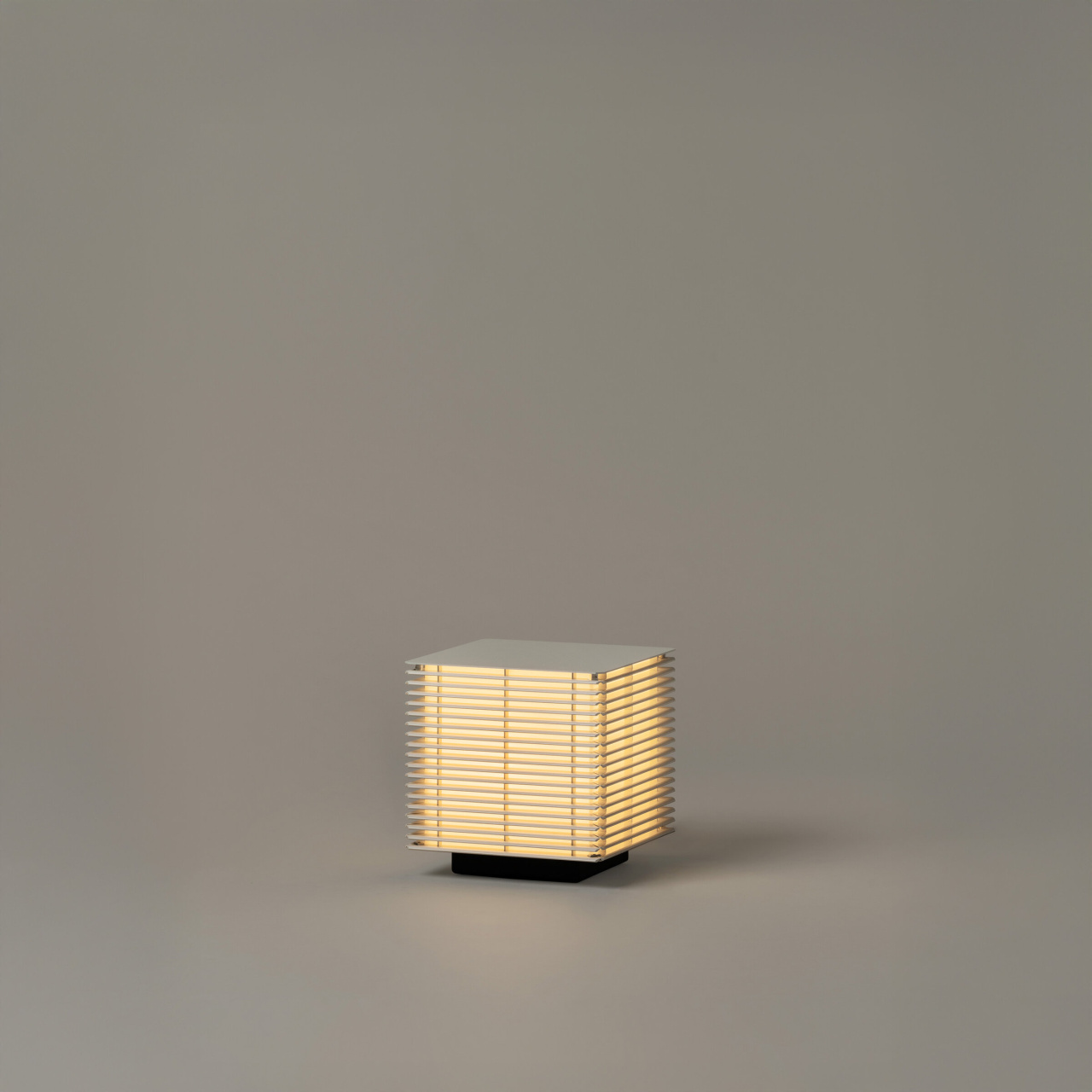
Shiro’s rational, refined structure doesn’t confine but filters light through slats arranged in a cubic form. The result is a soft, grazing illumination that opens a suspended moment between inside and out.
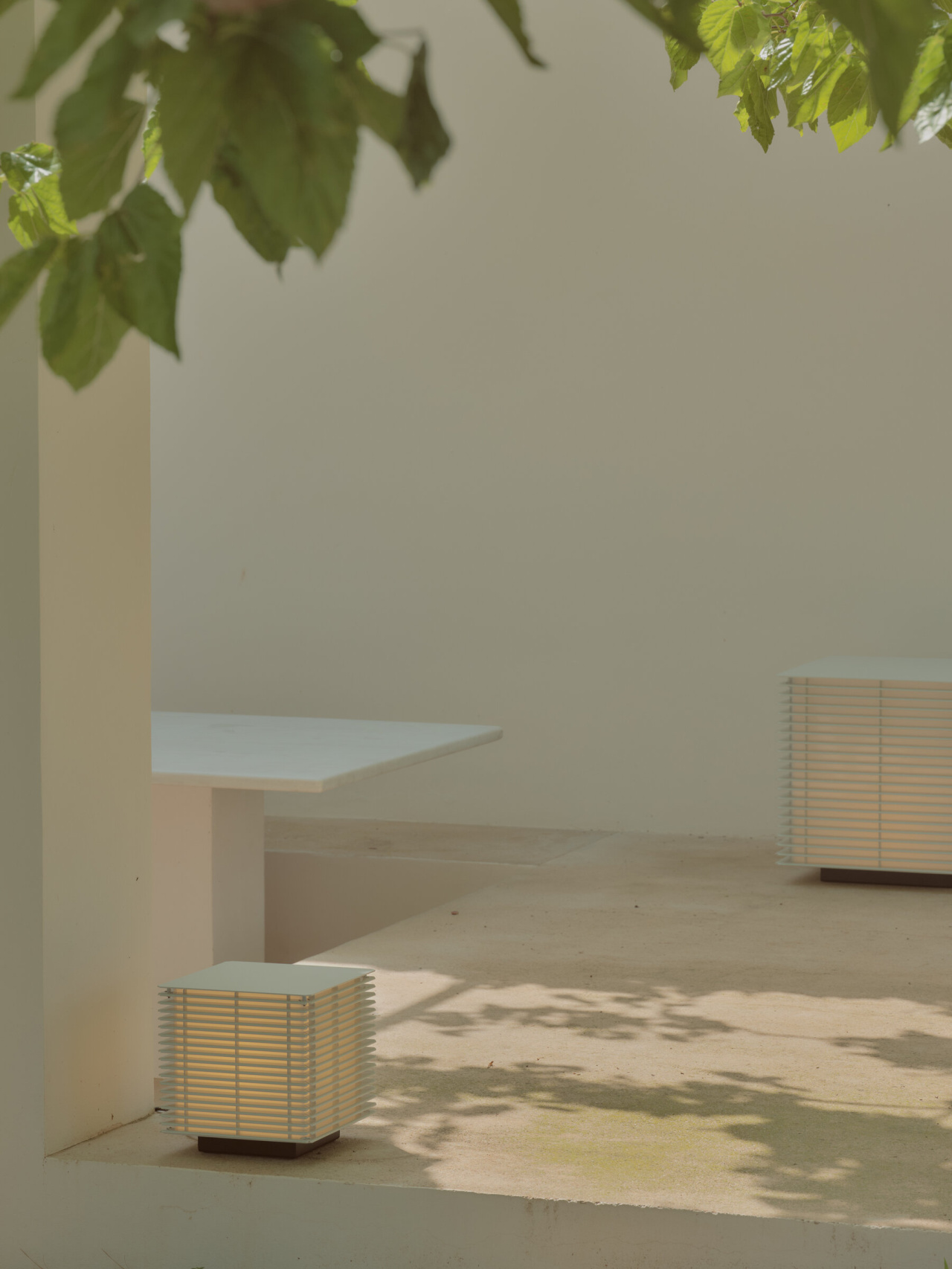
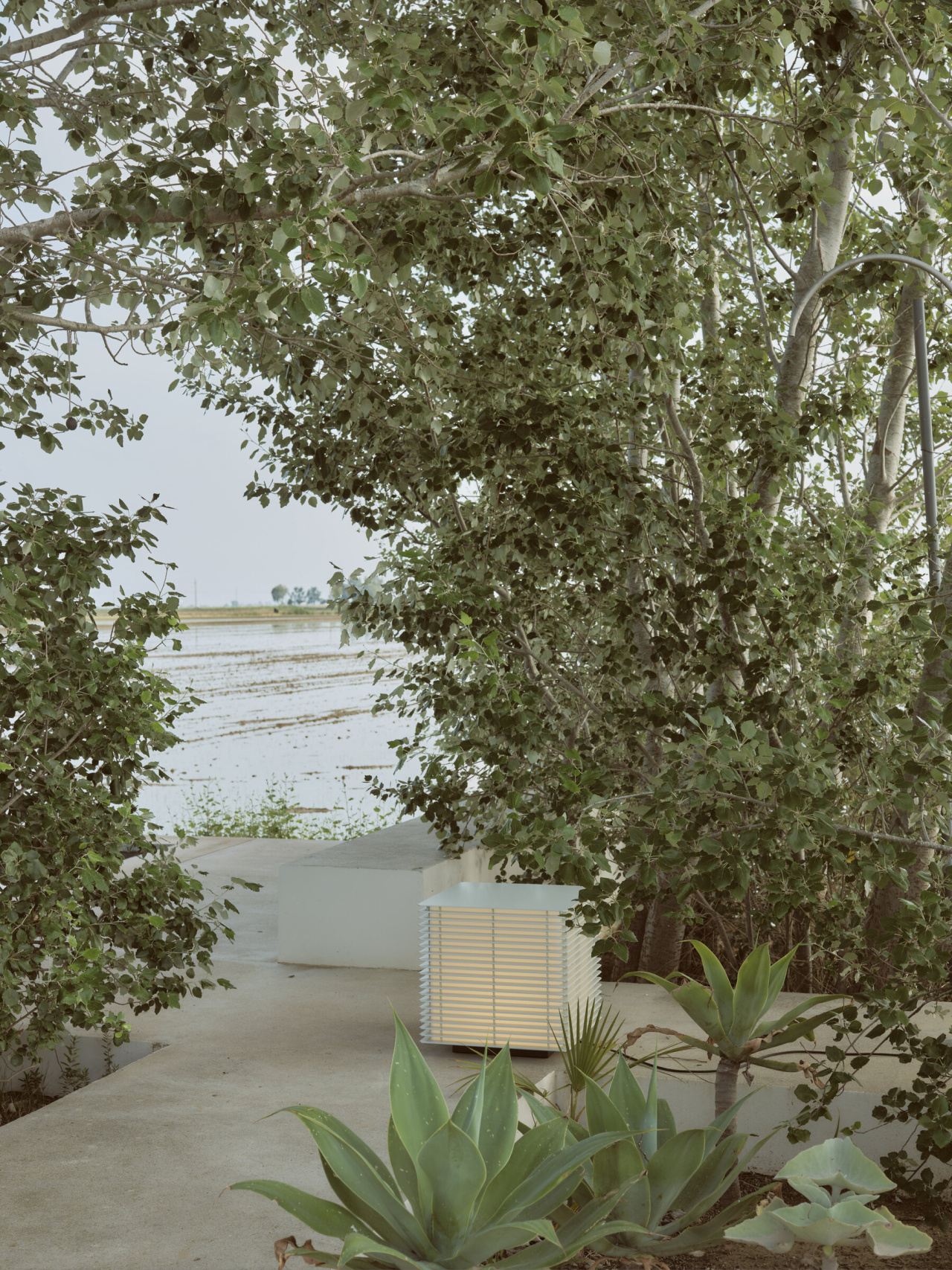
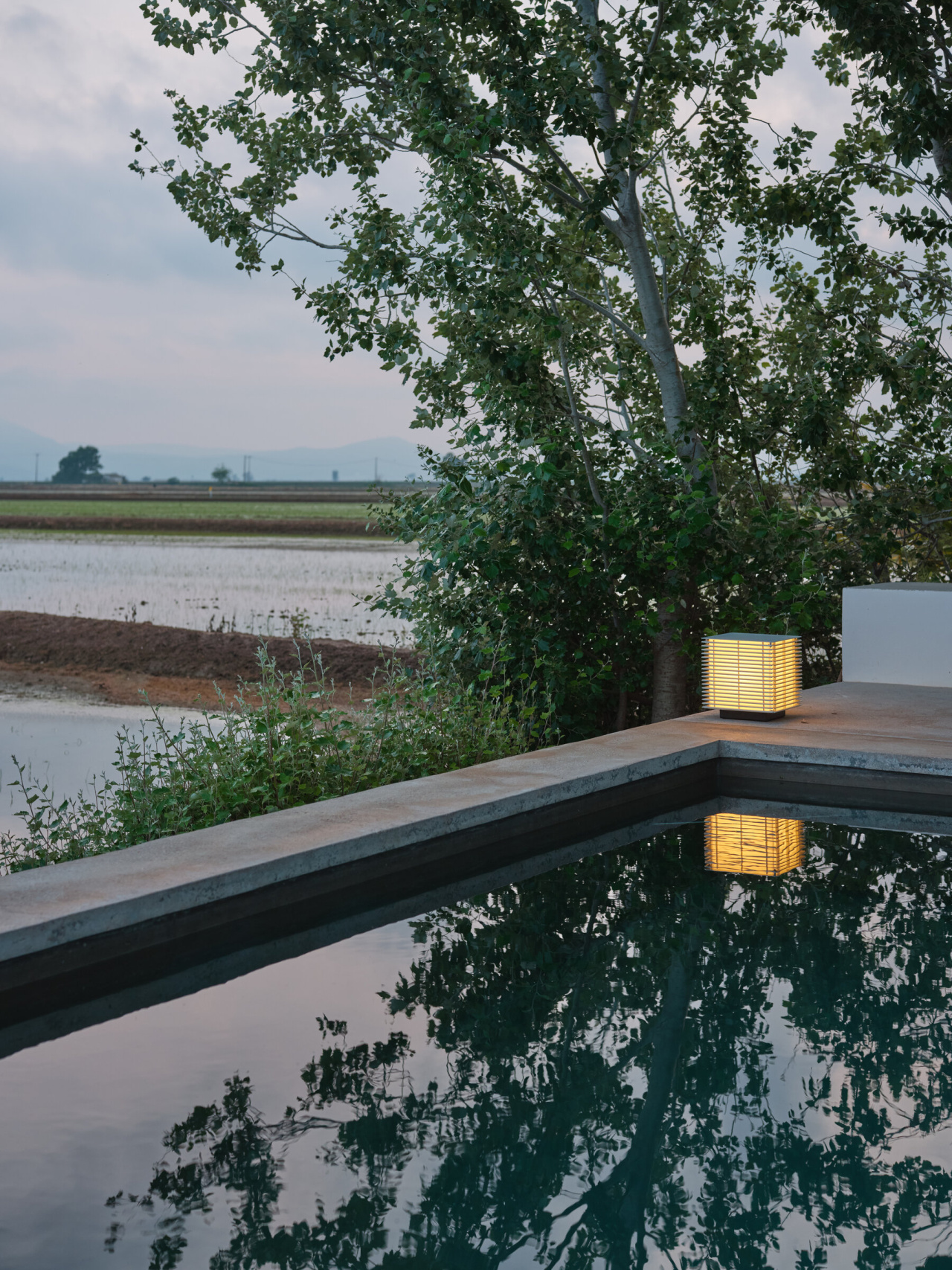
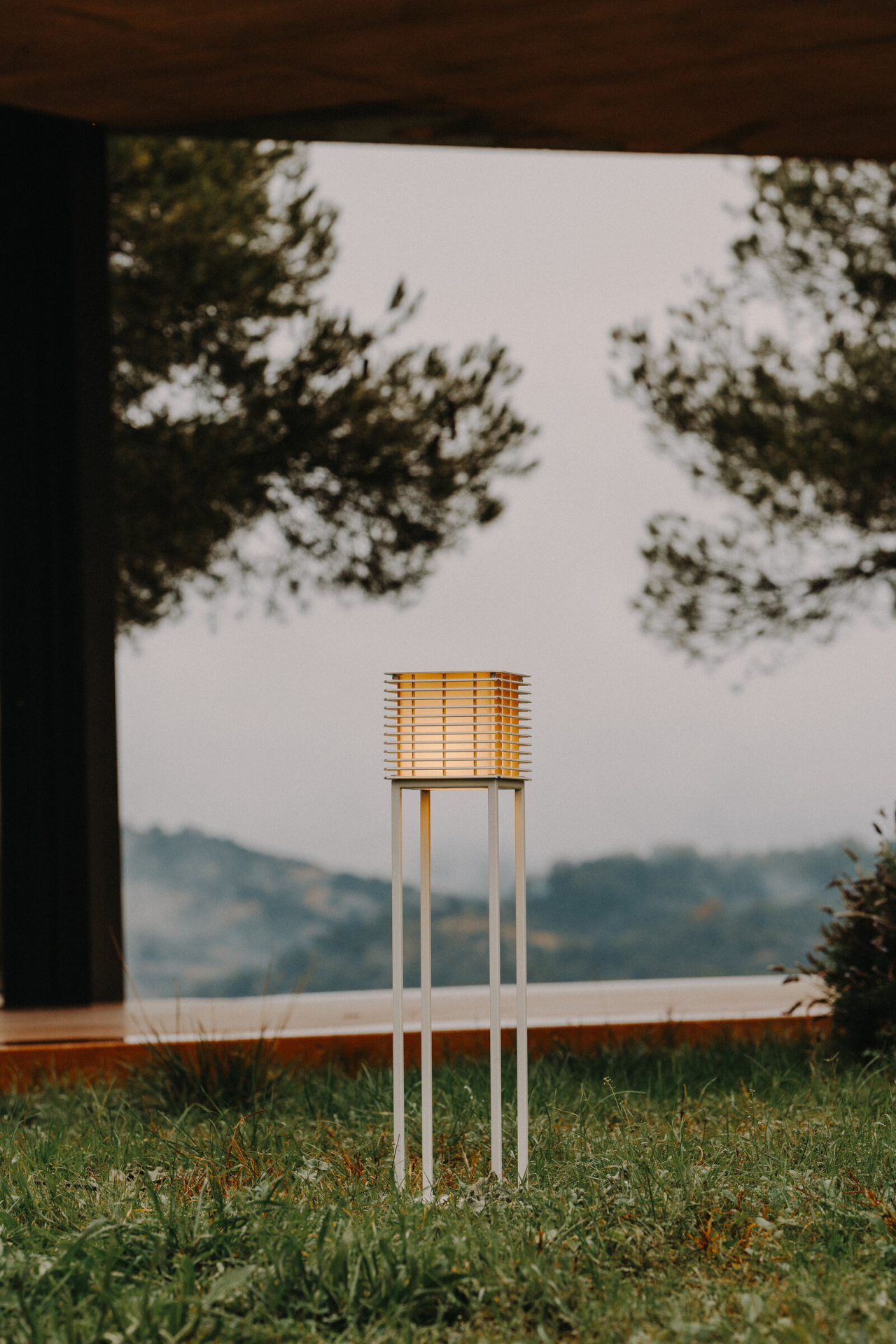
“The contrast with the shapes of the plants led me to design a very rational, clean object: a cube made of louvers. The influence of traditional Japanese architecture is clearly present. They are, after all, true masters of the relationship between architecture and the garden.”
Antoni Arola
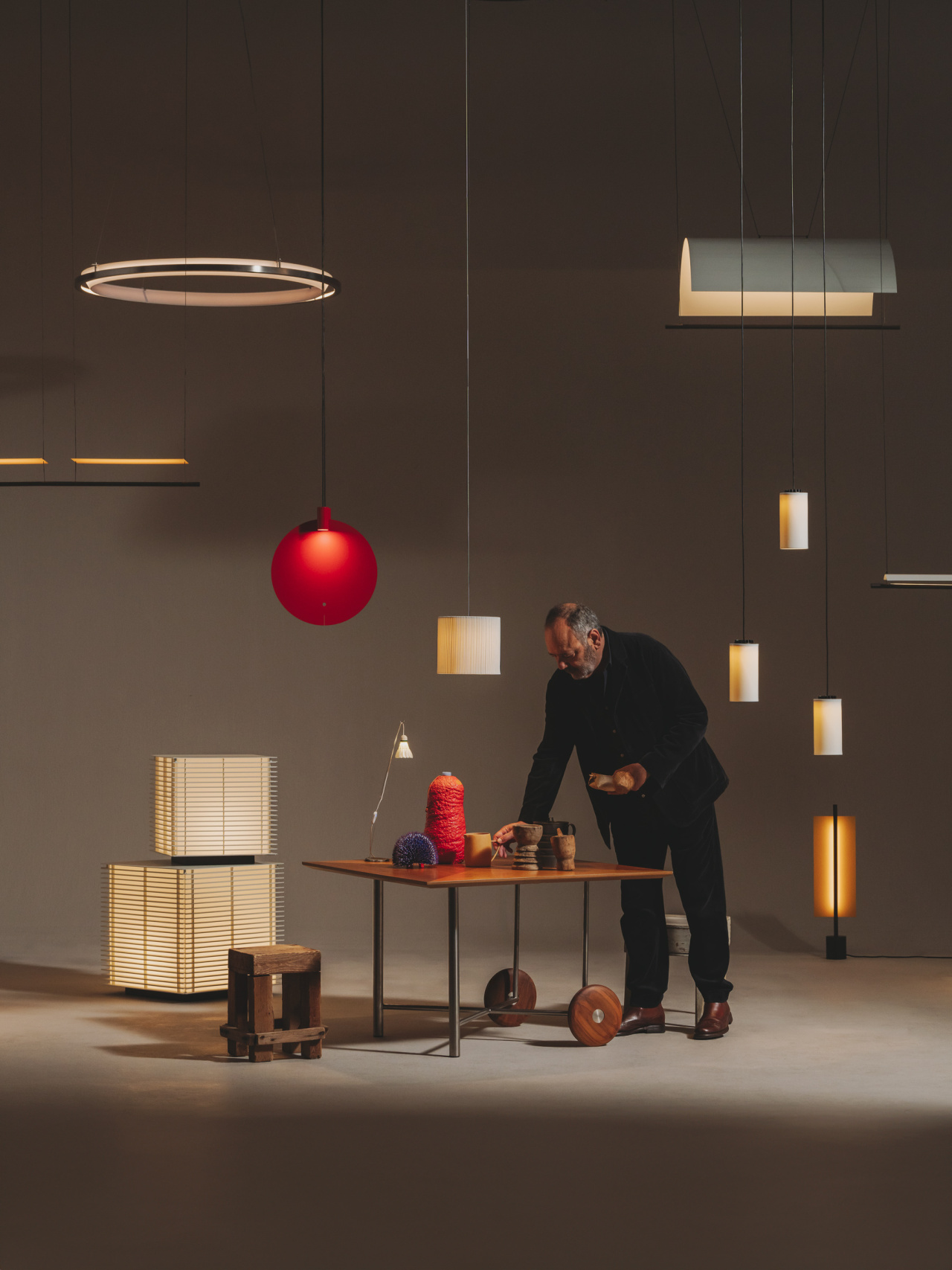
Antoni Arola
Born in Tarragona in 1960 and trained at Barcelona’s Eina School of Design, Antoni Arola—recipient of Spain’s National Design Award in 2003—is one of the most influential voices in contemporary Spanish design. His intuitive approach has allowed him to move seamlessly between designing perfume bottles, lighting pieces, and large-scale interiors.
After working with established names like Lievore, Pensi, and the AD studio, he founded Estudi Arola in 1994 and began exploring lighting with a hands-on, experimental mindset—one where craftsmanship takes precedence over industry. Arola sees light as a sensitive material, somewhere between the physical and the emotional. His work weaves together space, temperature, rhythm, and atmosphere with technical rigor and poetic intent. “The designer is just a catalyst,” he says. “Everything is in the air. You just have to make it real.”
More than objects, his lamps create spaces you can inhabit—environments where light and architecture are one and the same. It’s a kind of mastery that goes beyond form, shaping what the naked eye can’t see into tangible experience.
Arola draws from faraway cultures—African, Japanese—finding symbols and ways of life that become visual language. His outlook is shaped by a sculptor’s hand, a love of drawing, and a constant conversation with contemporary art. He designs the way one observes: with depth, focus, and a kind of spiritual curiosity.