Jordi Garcés
Barcelona, 1945
Born in Barcelona in 1945, Jordi Garcés studied architecture at ETSAB, where he graduated in 1970. During his studies, he worked at Oriol Bohigas’ studio, where he met Enric Sòria, his collaborator until 1996. Together, they developed a rationalist approach to architecture, grounded in geometric rigor and functional clarity. Key projects from this period include the transformation of the Santa Llúcia asylum into the Museum of Science (1978–1980), the Picasso Museum (1981–1987), and the Vall d’Hebron Sports Pavilion (1990–1991), which received the FAD Architecture Award.
Working independently, Garcés went on to design projects such as the IMAX cinemas (1993–1994) and the Rubió i Balaguer Agora at Pompeu Fabra University (1994), which was awarded the Ciutat de Barcelona Prize in 1996.
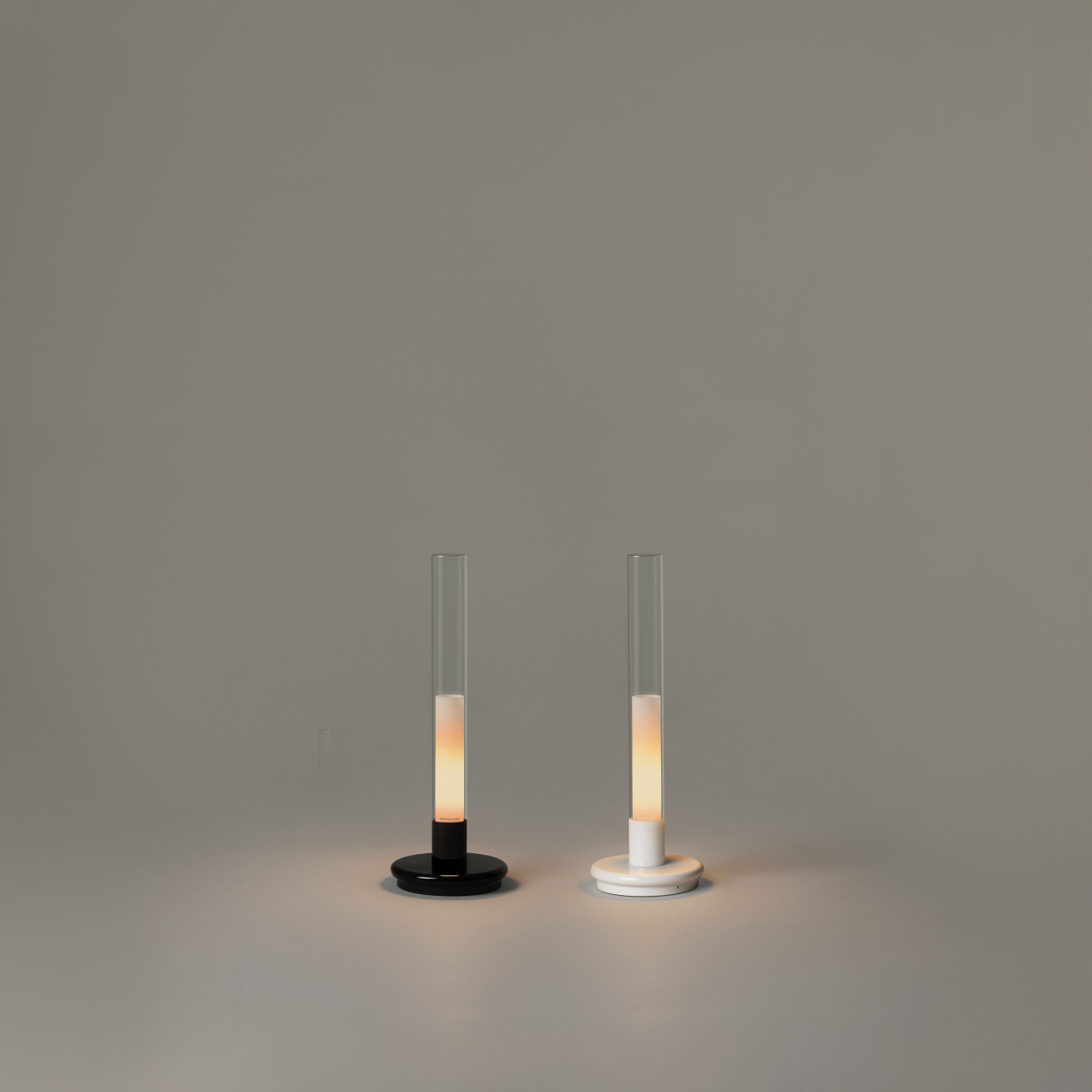
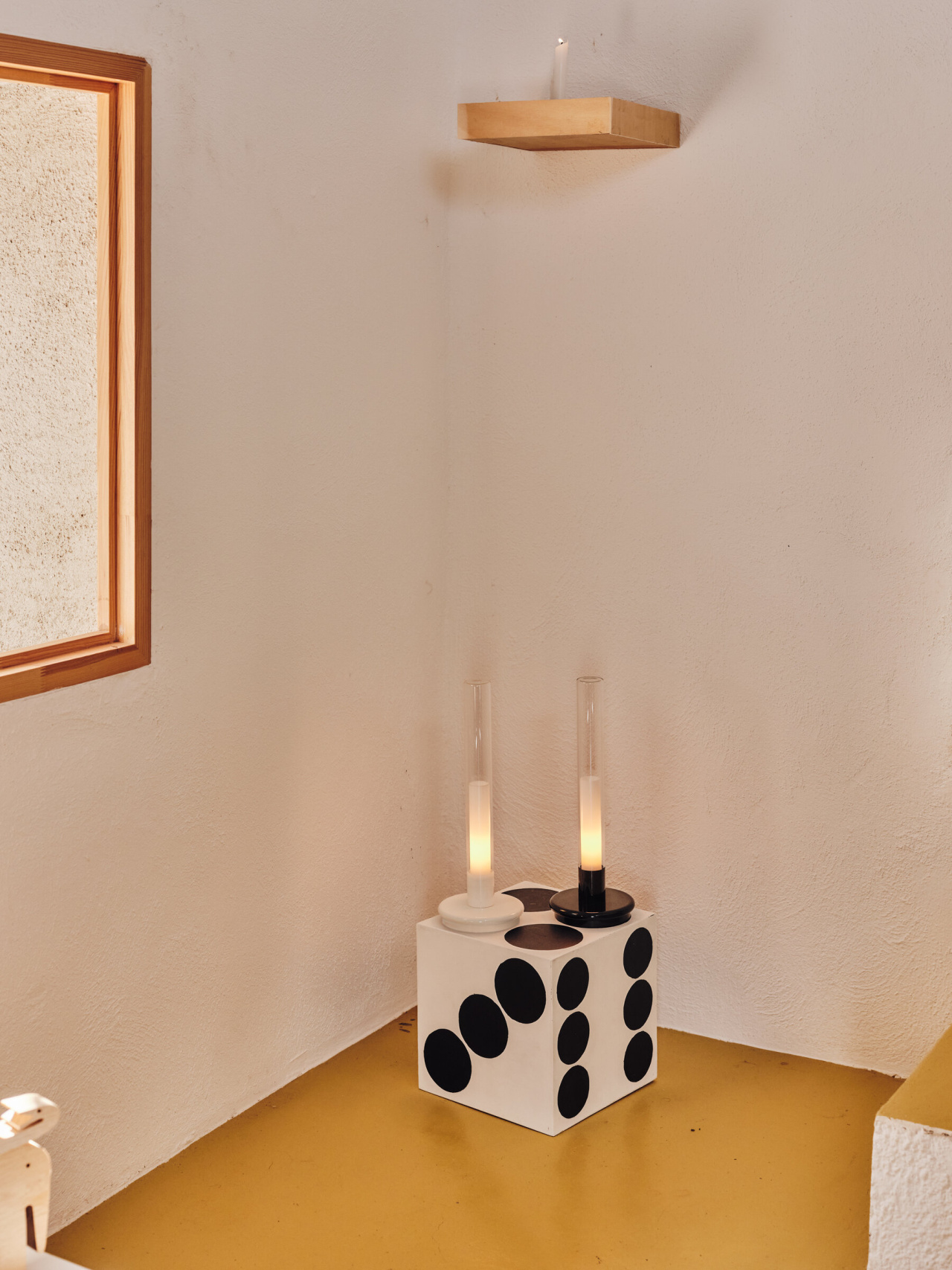
Beyond architecture, Garcés co-designed the Sylvestrina table lamp with Sòria—a piece defined by its pure lines and inspired by traditional oil lamps. In 2019, Santa & Cole reissued the design in a portable version with a rechargeable battery, bringing it back into everyday use with a contemporary sensibility.
Jordi Garcés also maintained a strong academic presence. He taught design studios at EINA (1971–1973) and later at ETSAB, where he was a tenured professor from 1990 until his retirement in 2015. In 1987, he earned his PhD from the UPC and served as a visiting professor at the École Polytechnique Fédérale de Lausanne.
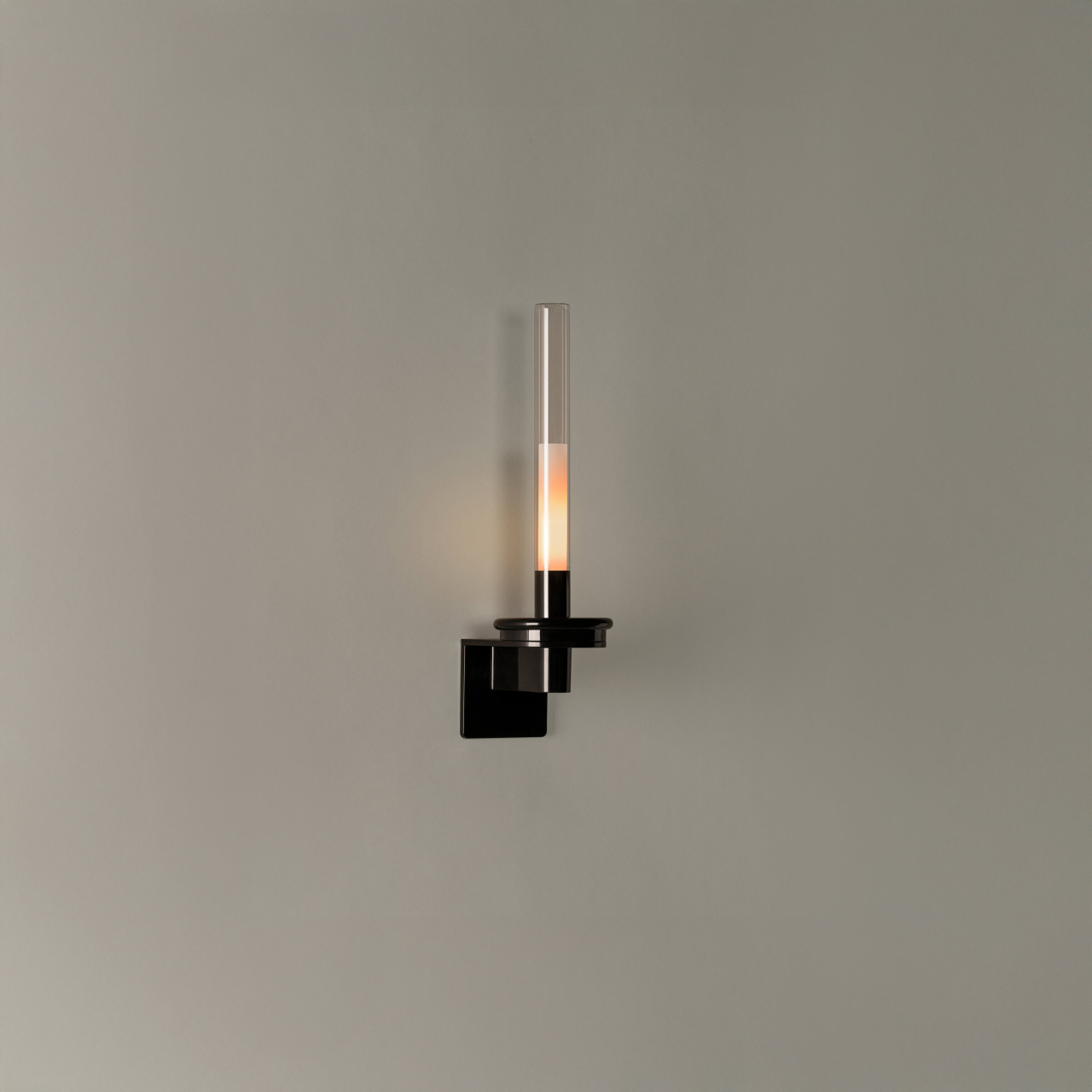
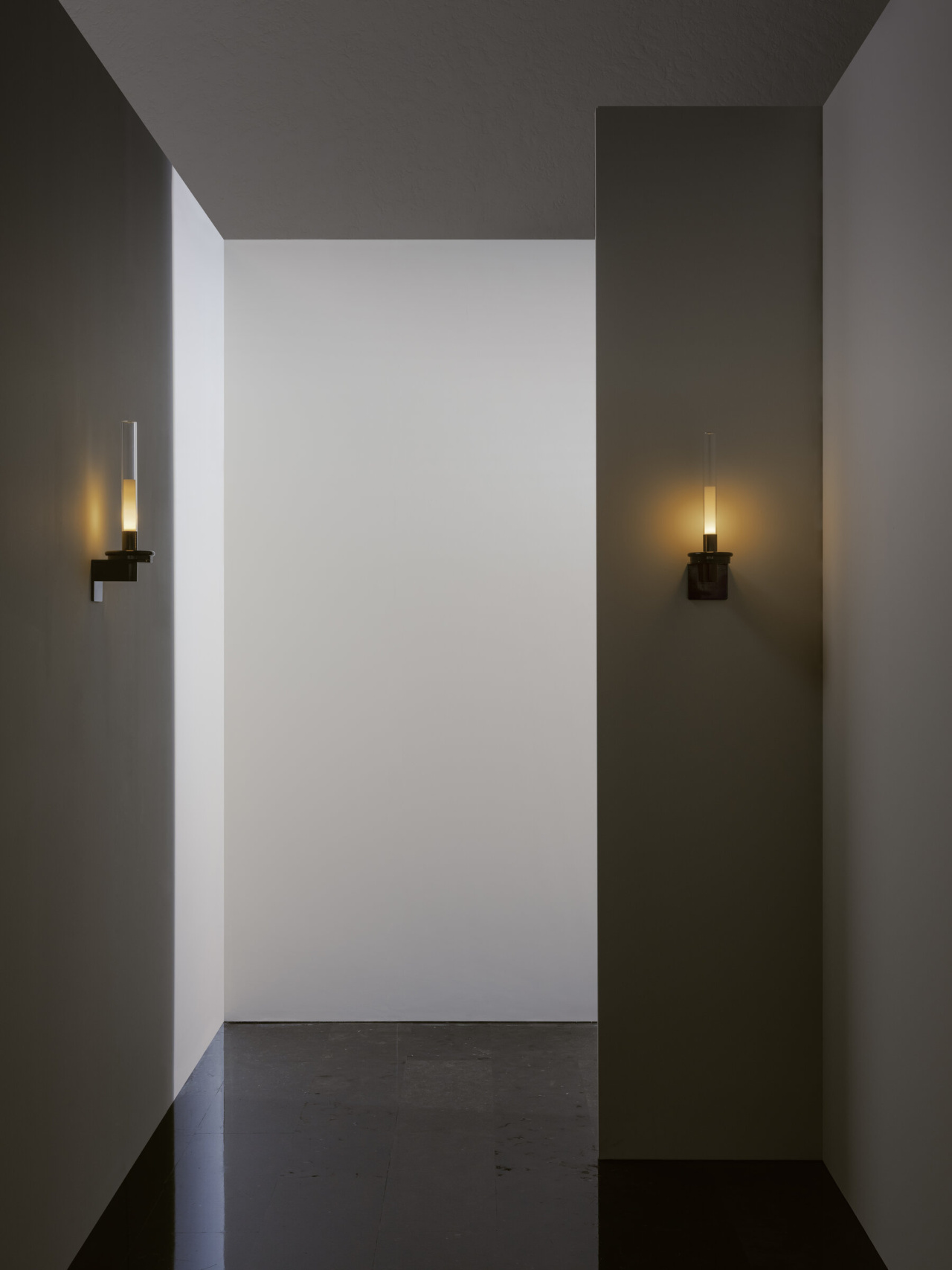
Sylvestrina