Ilmari Tapiovaara
Hämeenlinna, 1914 — 1999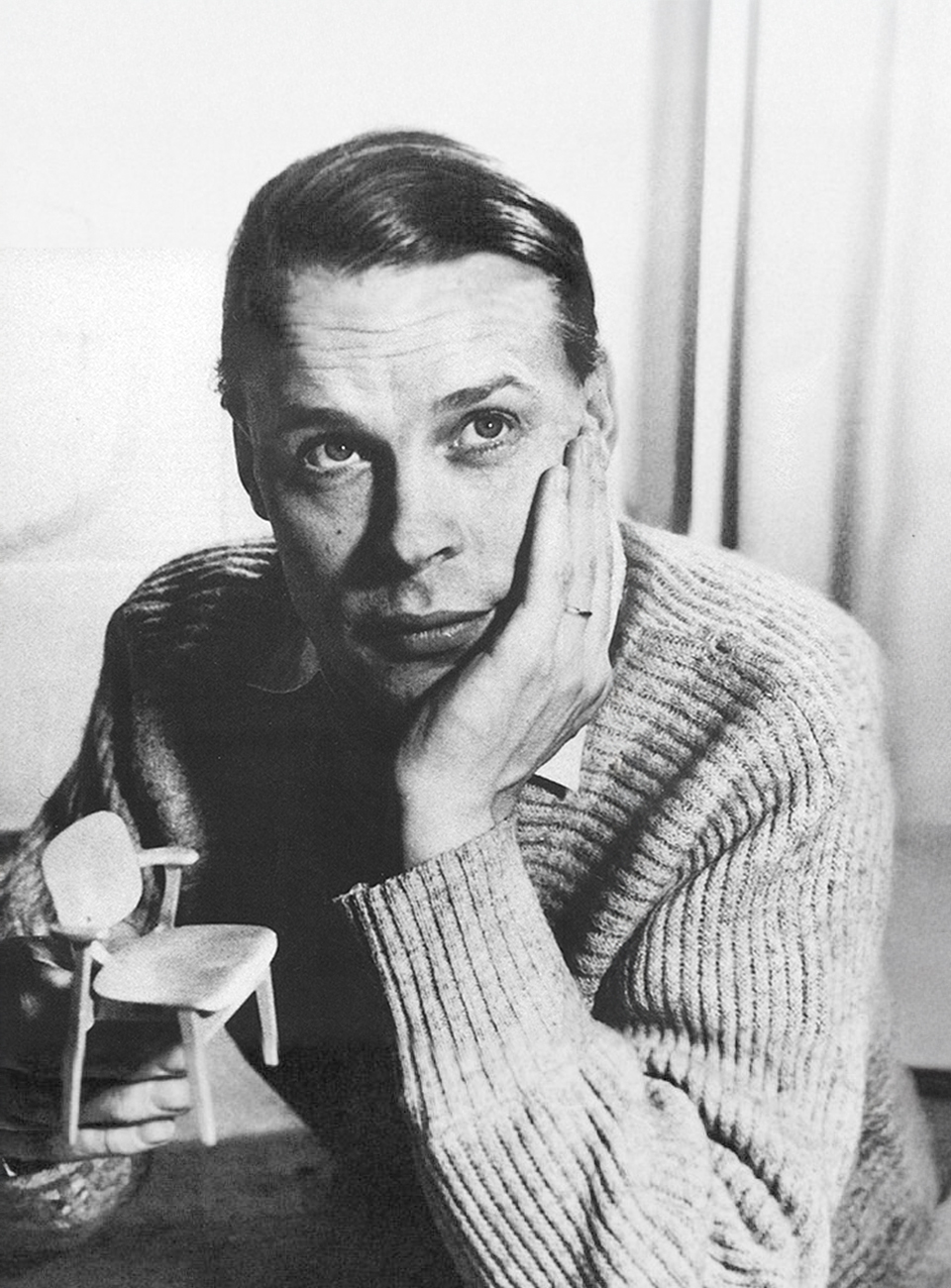
A pioneer of Finnish industrial design, Ilmari Tapiovaara grew up in the forest, one of twelve siblings in a household deeply connected to wood—his father a forest ranger, his grandfather a cabinetmaker. Summers spent immersed in nature left a lasting impression on his design philosophy. “Nature is the best and closest manual for the industrial designer,” he often said.
He studied at the School of Applied Arts in Helsinki, where he encountered social functionalism, the Bauhaus, and the Modern Movement through figures like Alvar Aalto. In the late 1930s, he continued his training at Le Corbusier’s studio in Paris, where he grasped the cultural power of design as an exportable product.
During the war years, Tapiovaara never stepped away from design—he put it to urgent use. With the front line distant and static, Finland focused on rebuilding infrastructure. At the National Planning Office, he designed furniture and public buildings—hospitals, canteens, shelters—delivering quick, efficient, and sustainable solutions. His work met the needs of a country in reconstruction, where local wood was a primary resource. Out of this necessity emerged a new design vision: accessible, human, and deeply functional.
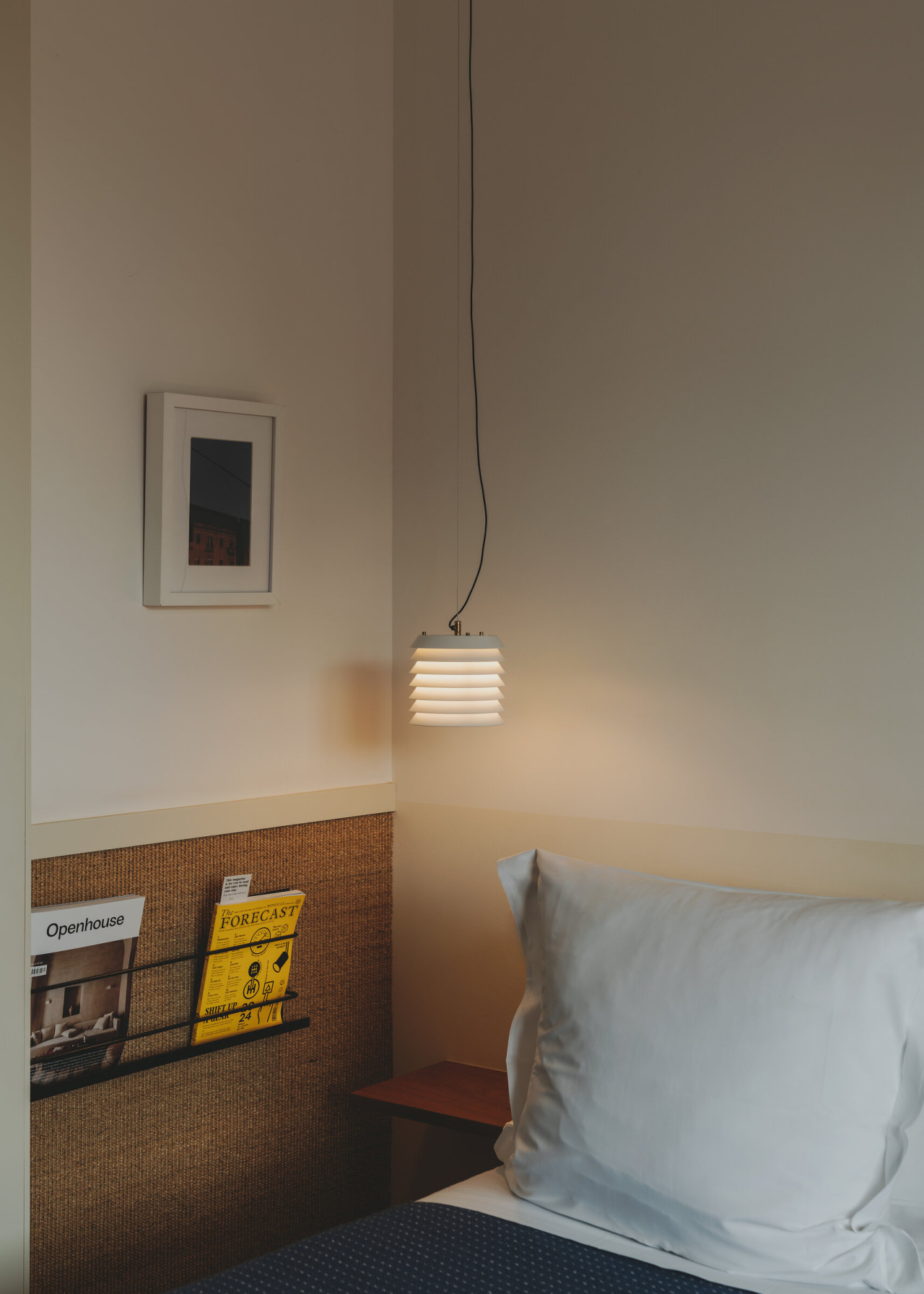
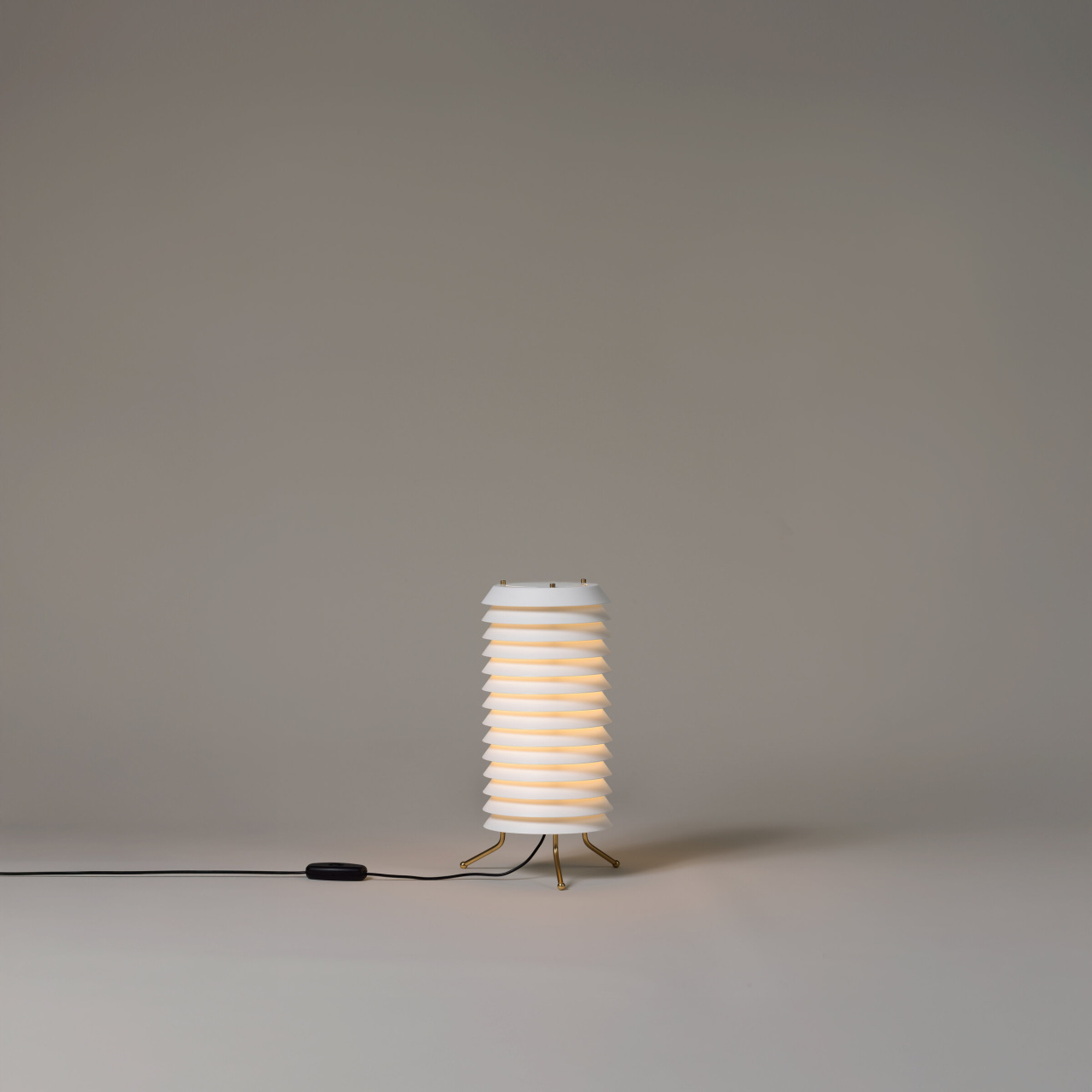
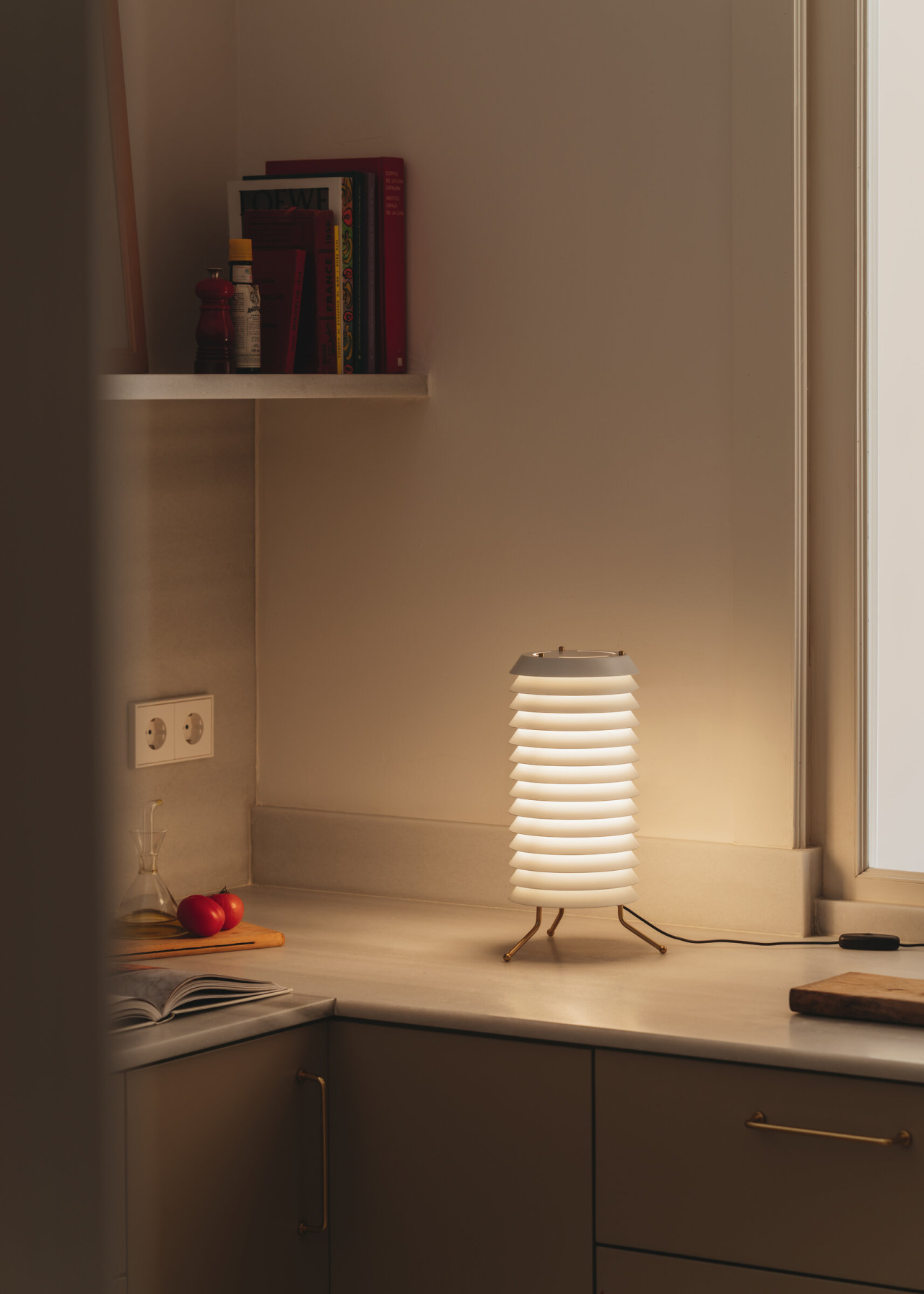
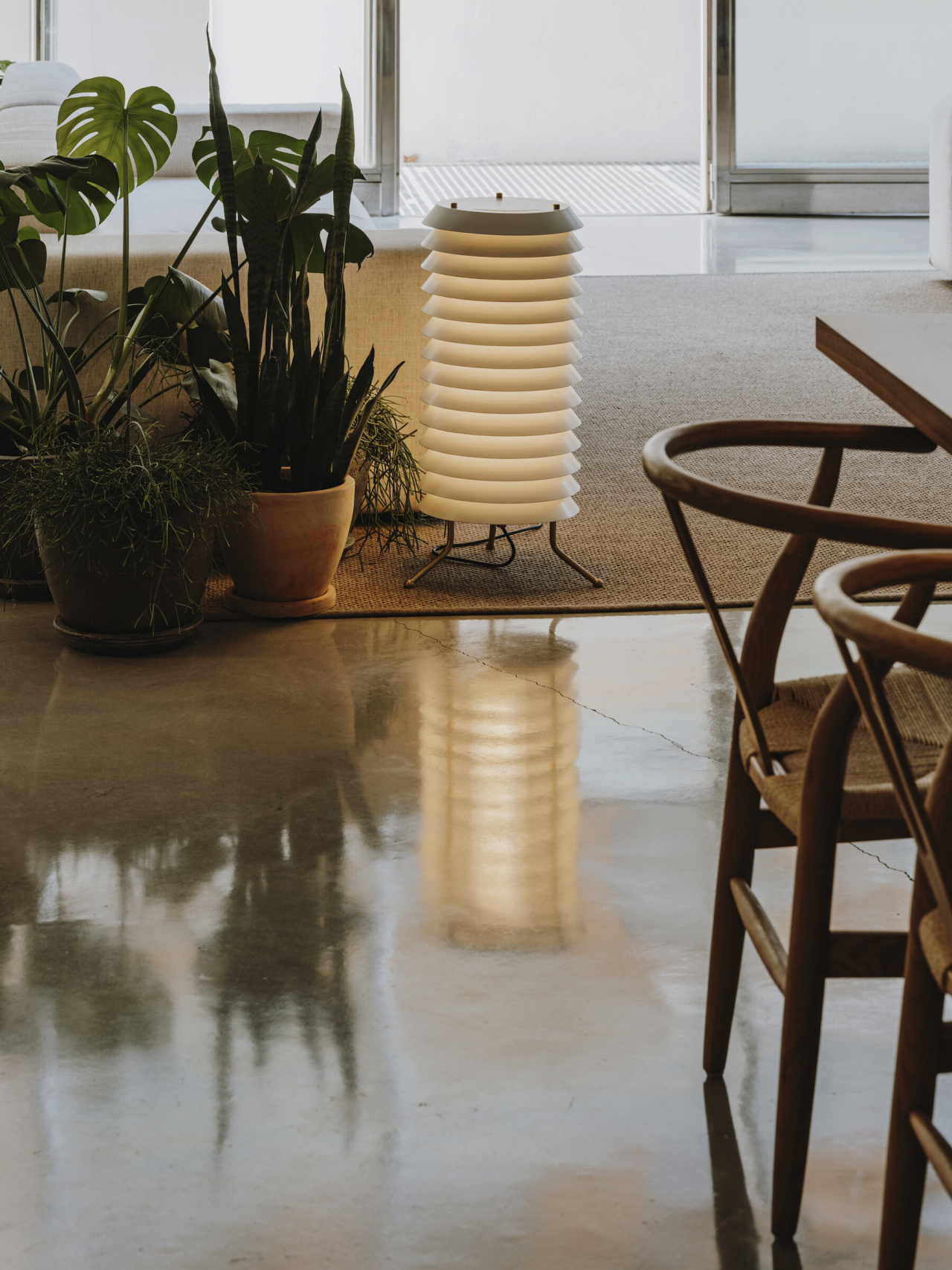
As Europe moved into postwar recovery, Tapiovaara turned his focus to the new industrial challenges: serial production, efficiency, and export logistics. He sought lightness, strength, and essential beauty, while embracing the idea of multiplicity—how many versions might emerge from a single piece. This led to timeless works such as the Domus chair (1946), the Otto cutlery set (1986), and his only domestic lamp, Maija (1957), inspired by the warm glow seen through windows on cold Baltic nights. Each piece subtly nods to tradition while achieving a poetic clarity through form.
Internationally recognized, Tapiovaara dedicated part of his career to teaching, both in Finland and the United States. He championed a design practice grounded in respect for nature, deep material knowledge, and a solid philosophical foundation. “Without an ideological basis,” he said, “design is useless.”
Ilmari Tapiovaara passed away in 1999, having laid the foundations of Finnish industrial design.