Enric Sòria
Barcelona, 1937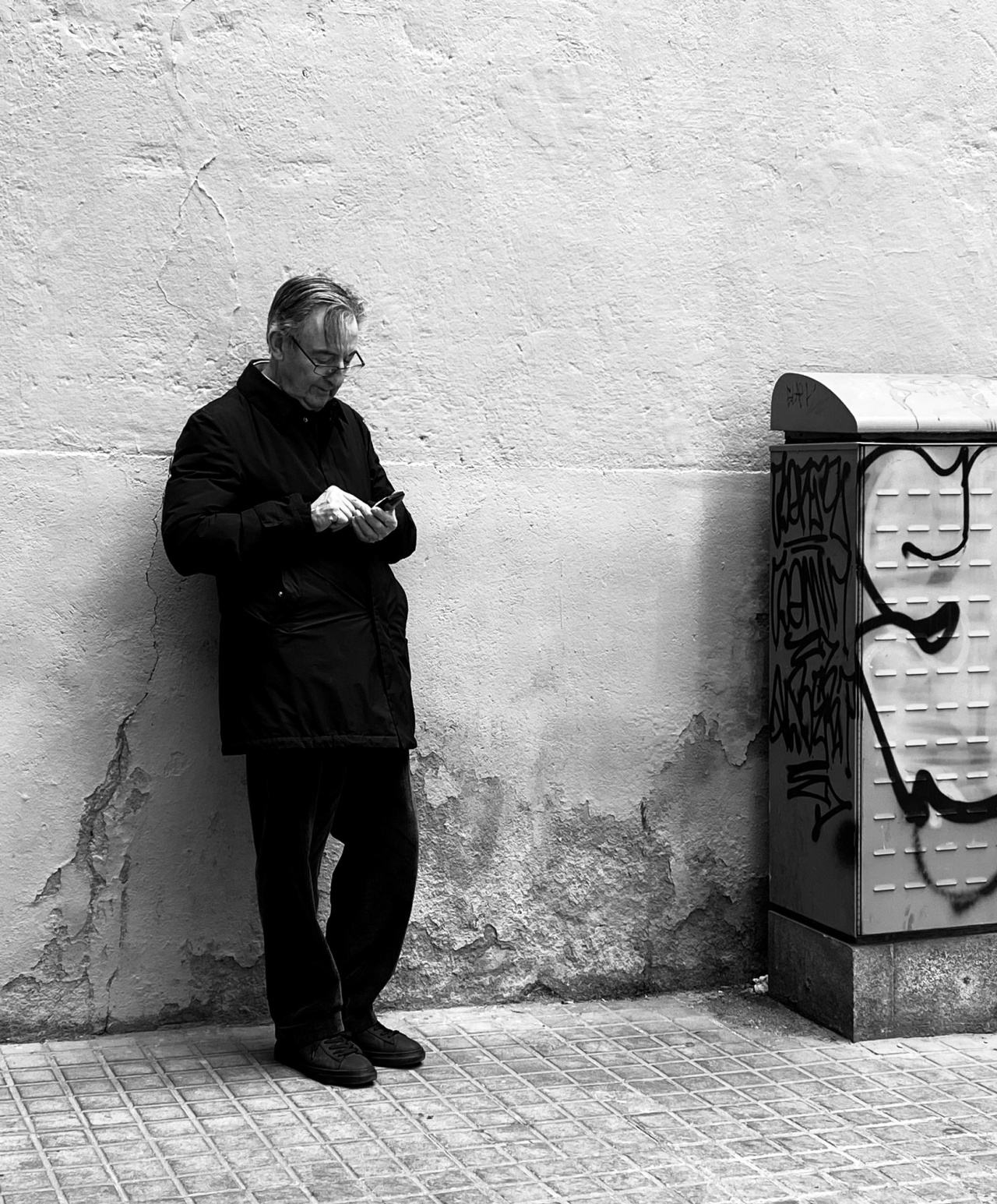
Born in Barcelona in 1937 and trained at the ETSAB, Enric Sòria is a defining voice in the urban and cultural transformation of the city. After graduating in 1970, he joined the office of Oriol Bohigas, where he met Jordi Garcés. Their collaboration, which lasted over two decades, produced a sober yet expressive architecture rooted in public service.
Guided by a shared rationalist vision—shaped by the International Style and enriched with eclectic and artistic influences—they completed key civic and cultural buildings such as the Museum of Science (1978), the Picasso Museum (1981–1987), the Palau d’Esports in Vall d’Hebron (1991, winner of the FAD Architecture Prize), and the Rubió i Balaguer Agora at UPF (1994), which received the City of Barcelona Prize. In 2014, Sòria received the award again for his conversion of the Born Market into a cultural center.
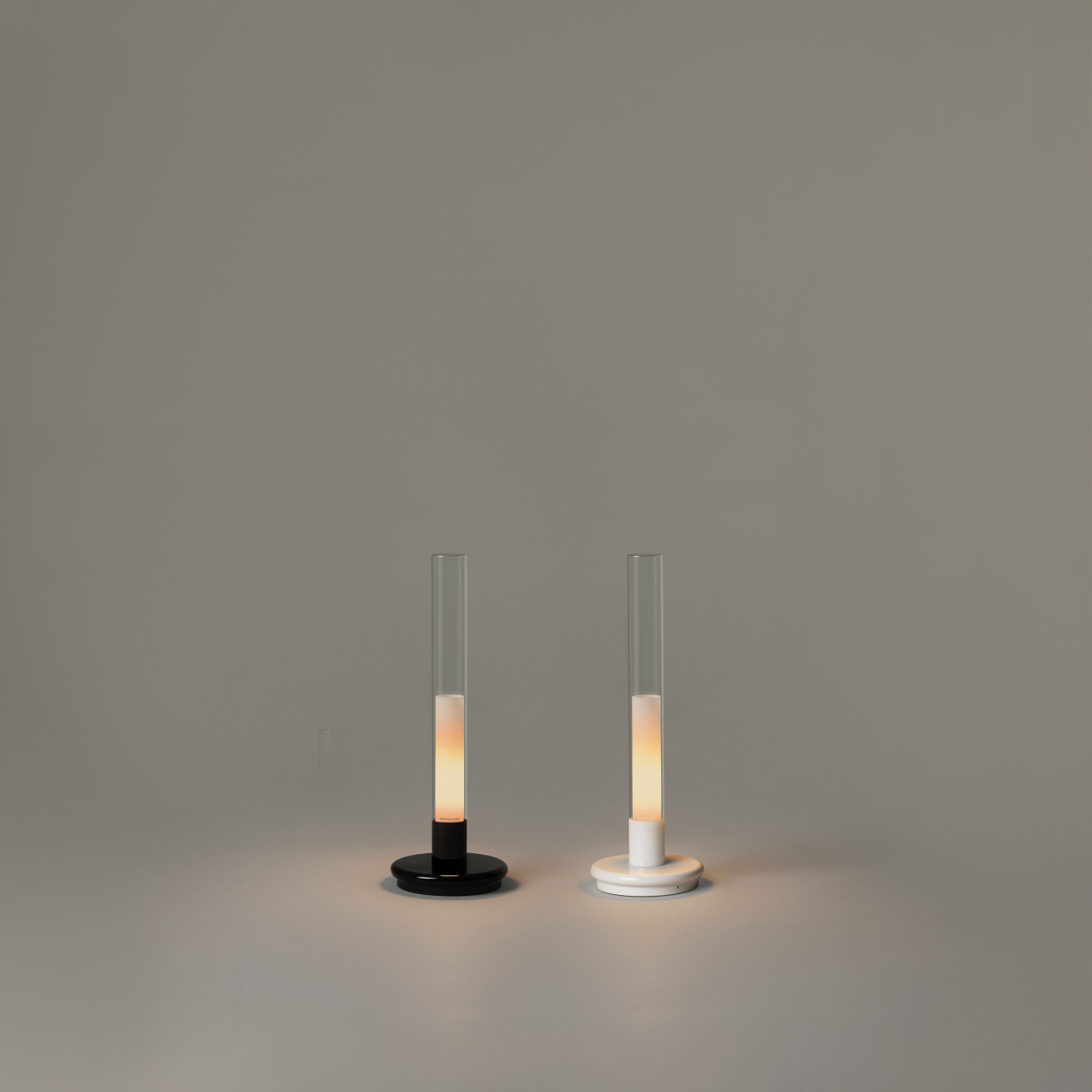
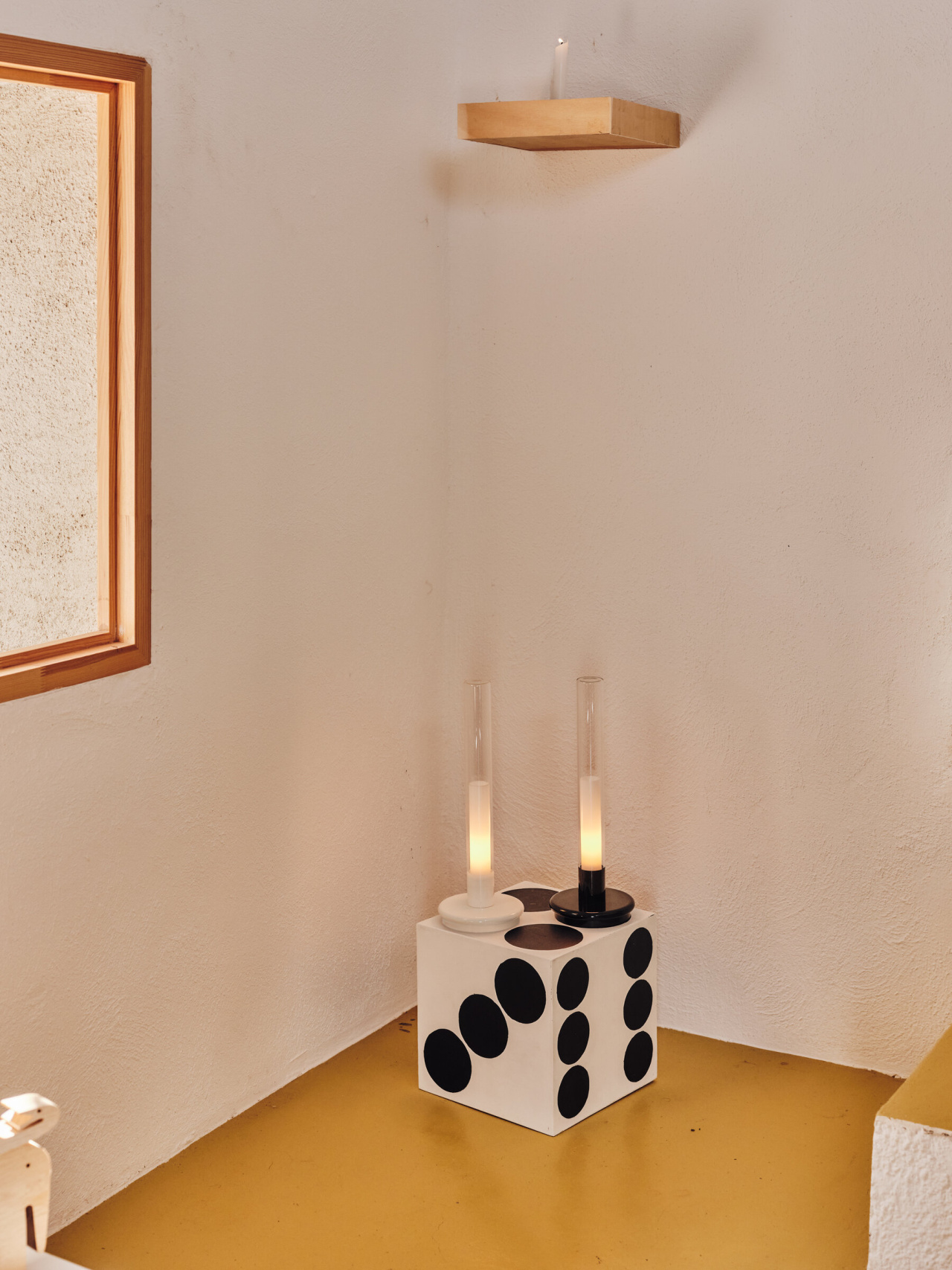
Beyond architecture, the tandem’s work also includes designs such as the Sylvestrina lamp, created with the same quiet refinement that defines his buildings. Sòria has also had a notable career as an educator, teaching at institutions like ETSAB, ELISAVA, the University of Navarra, and Ramon Llull University, where he has conveyed a thoughtful and committed understanding of what it means to build and teach architecture.
Today, he continues to work from his own practice, with the same clarity and restraint that have long distinguished his career.
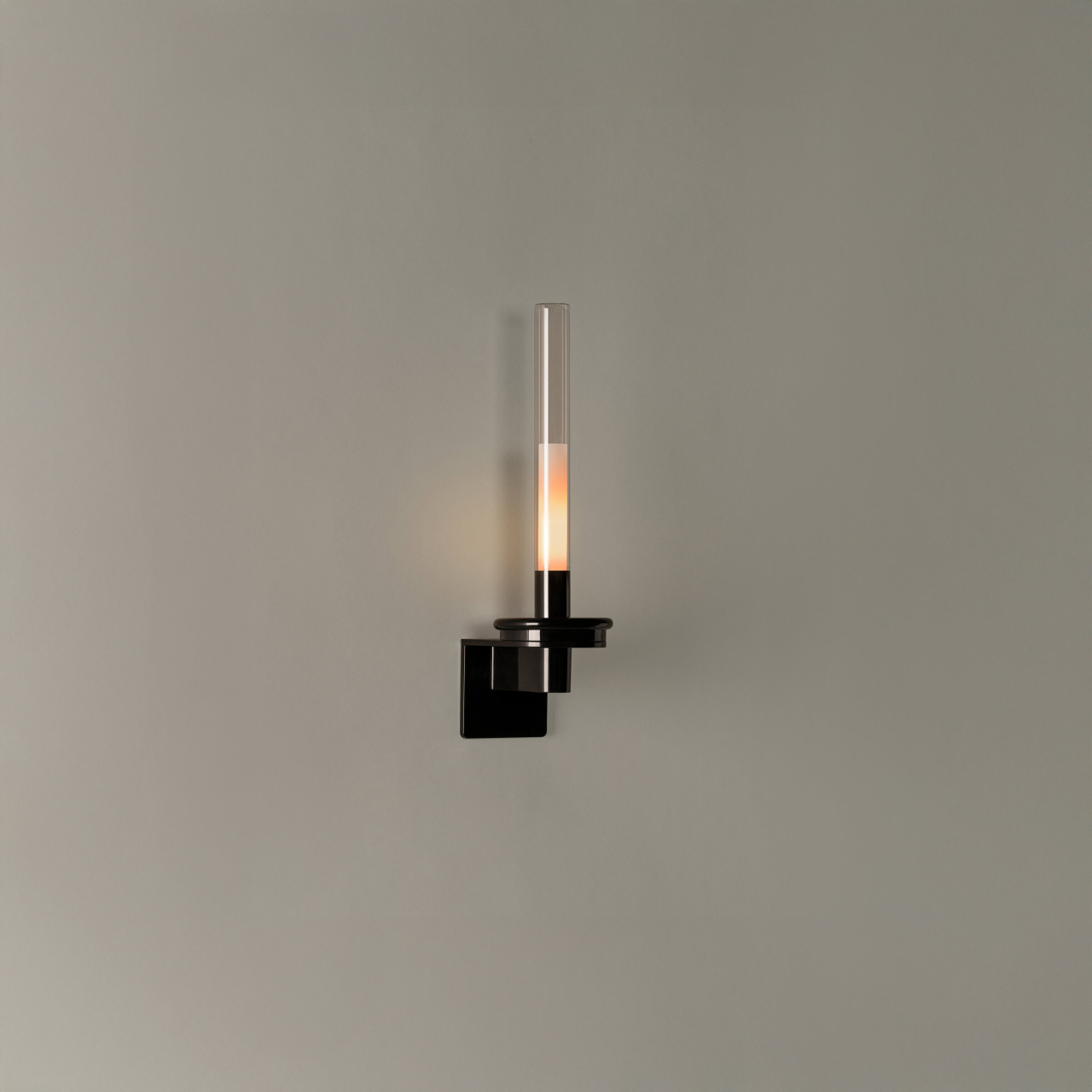
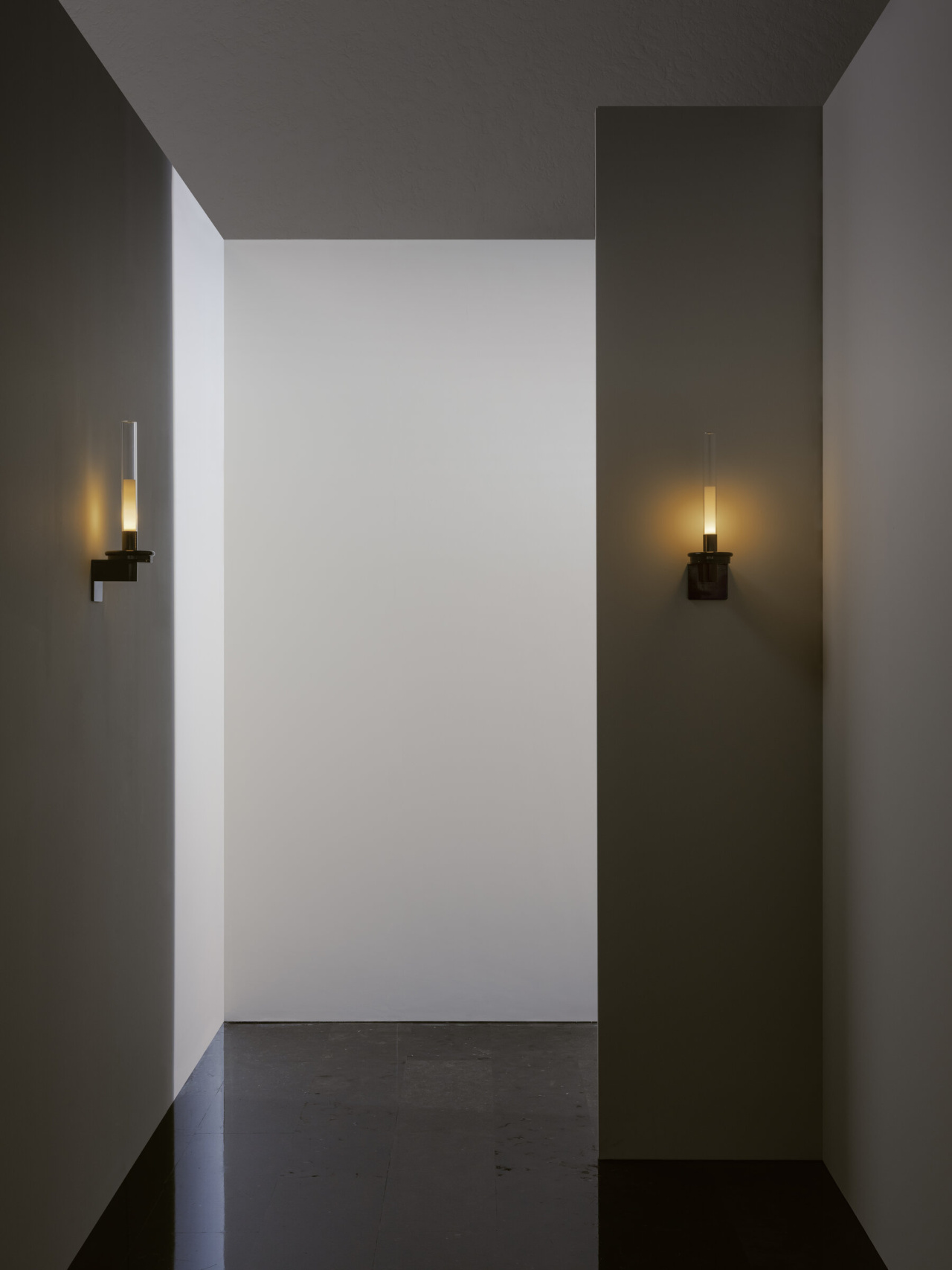
Sylvestrina