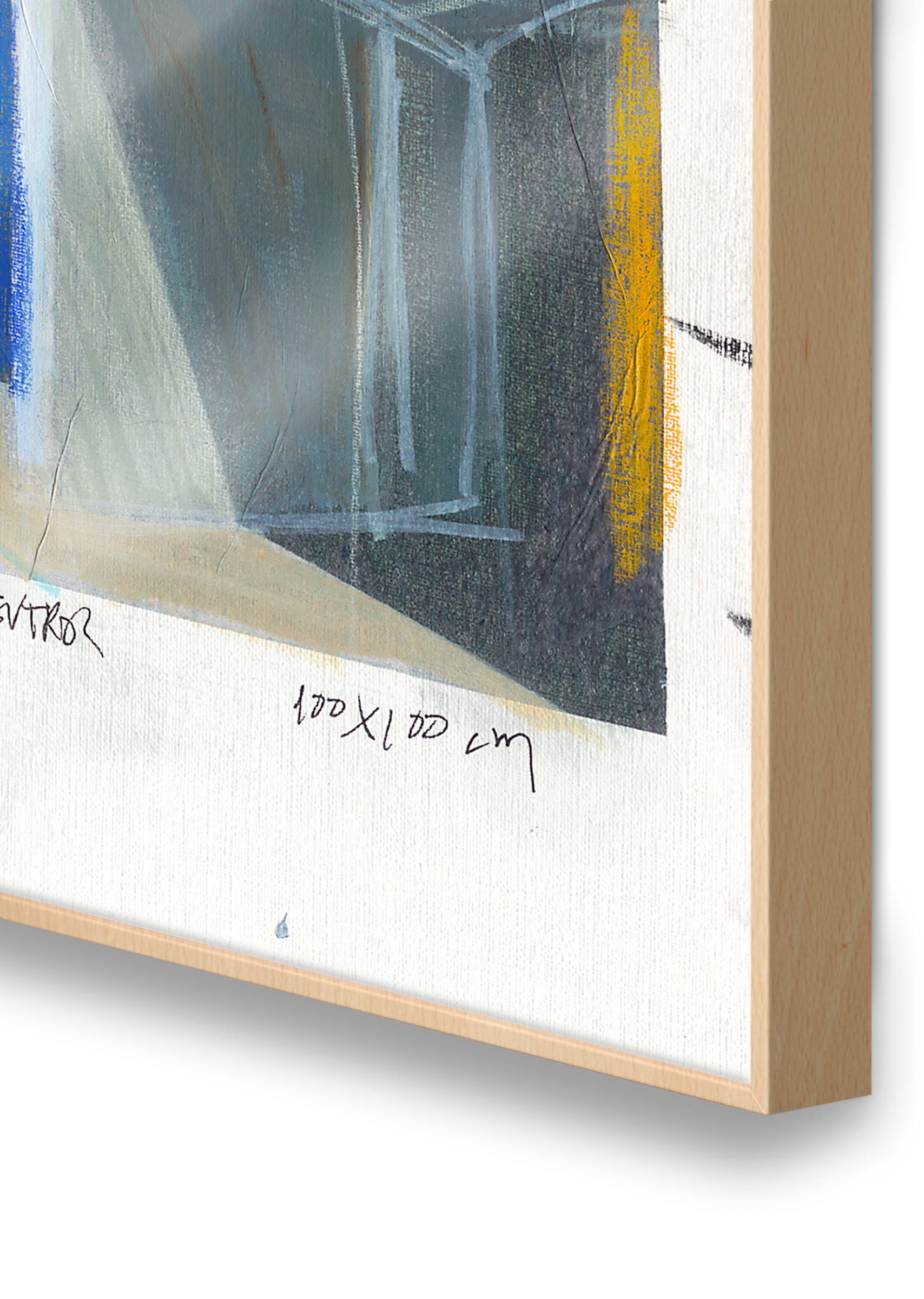
Black Aluminum Frame
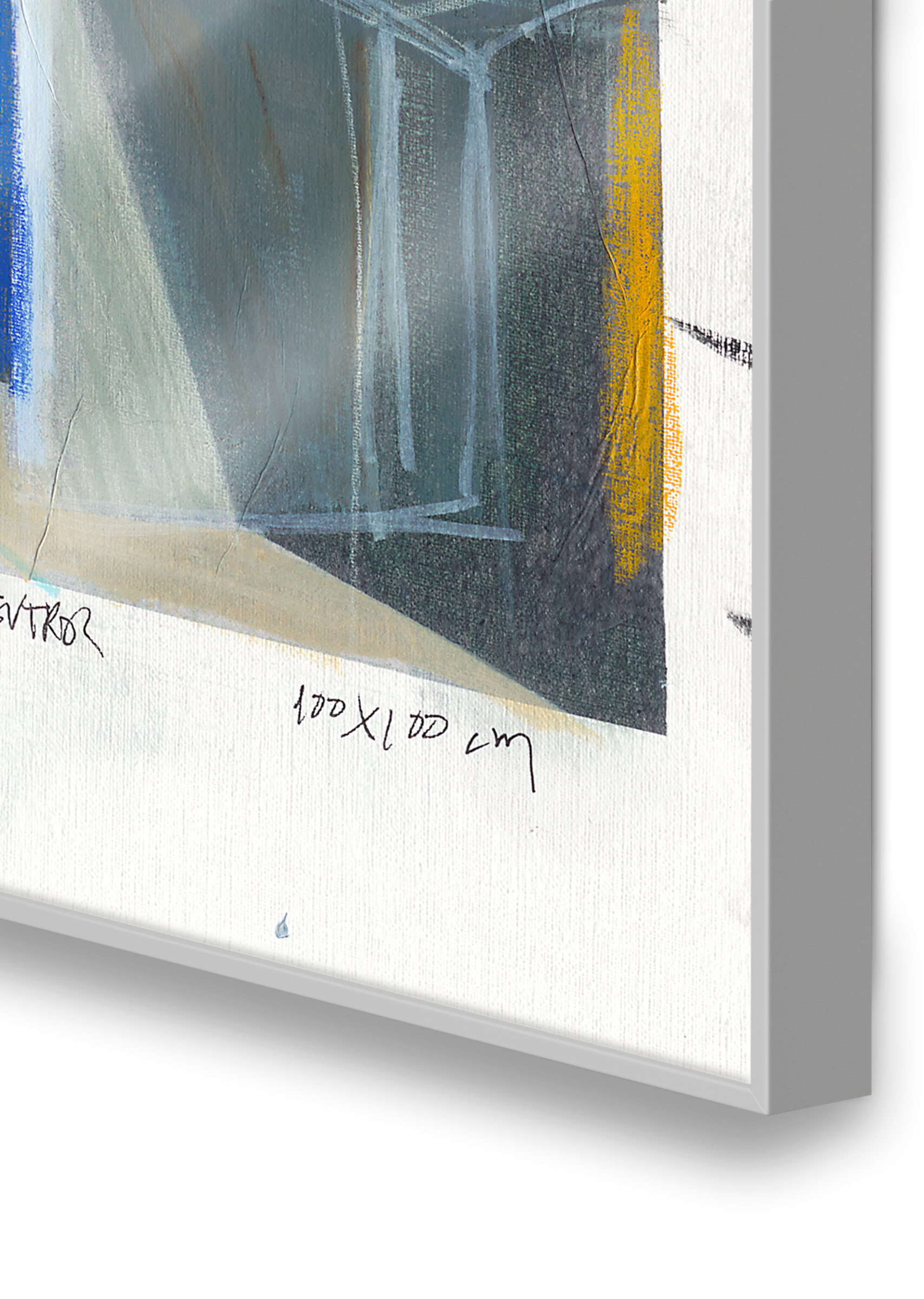
Silver Aluminum Frame
Oak on Aluminum Frame
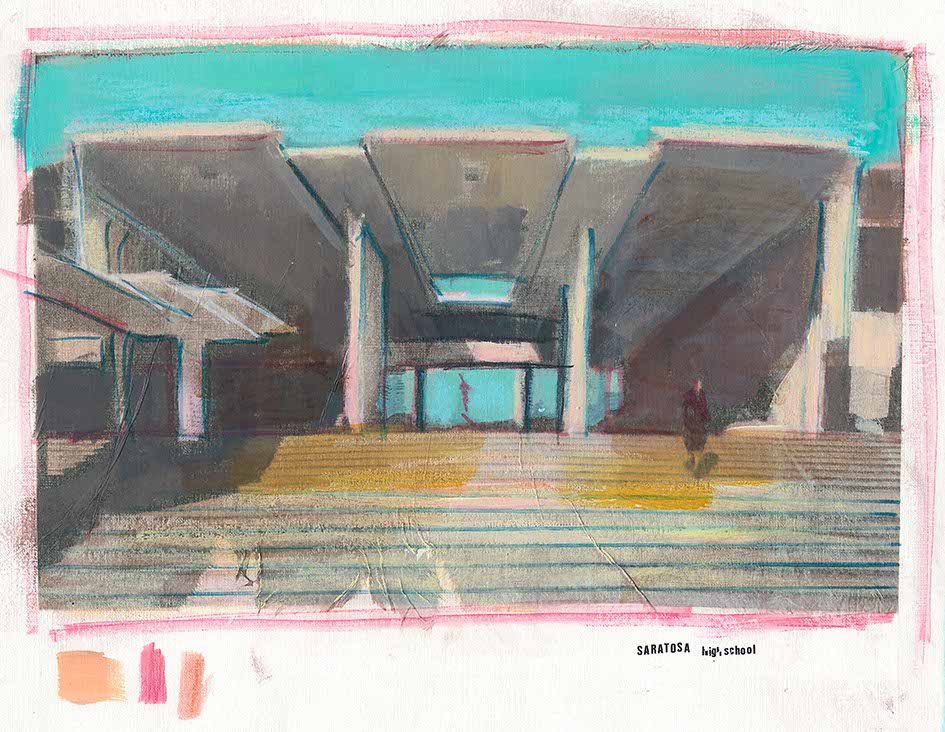
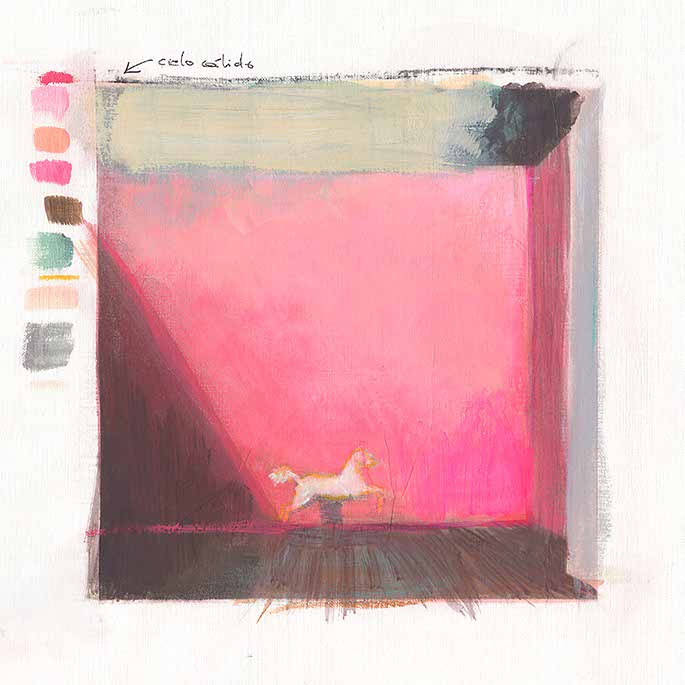
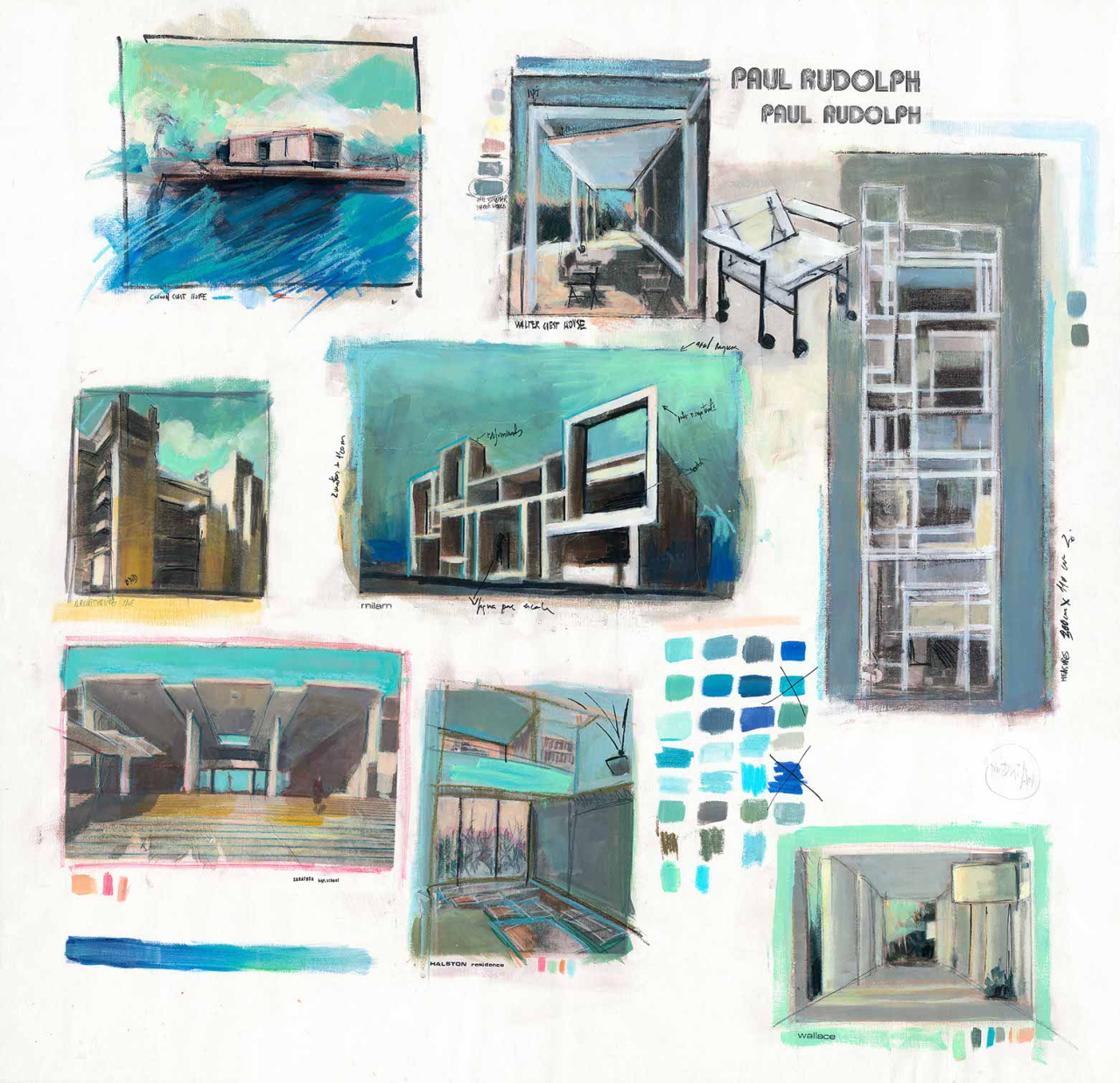
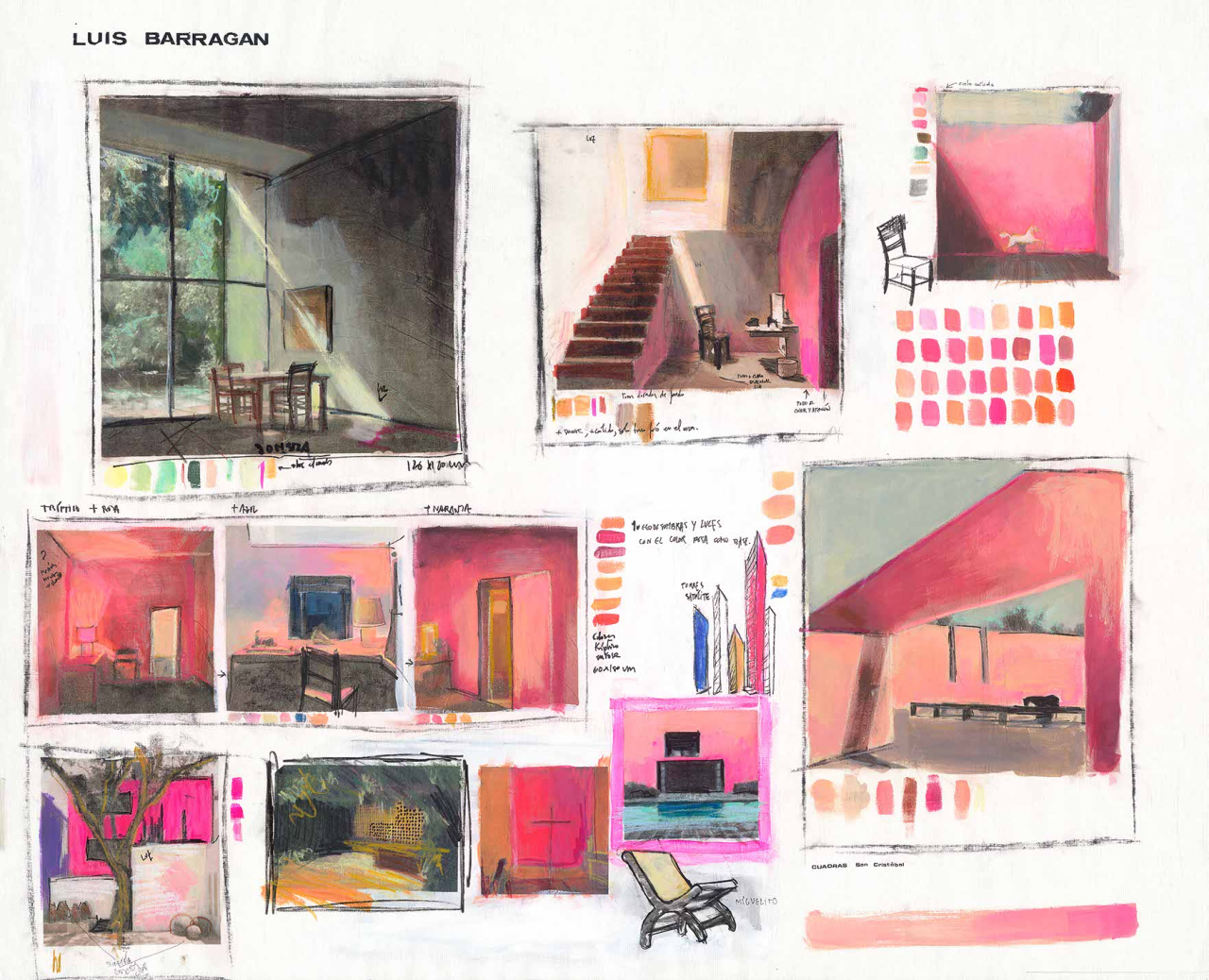
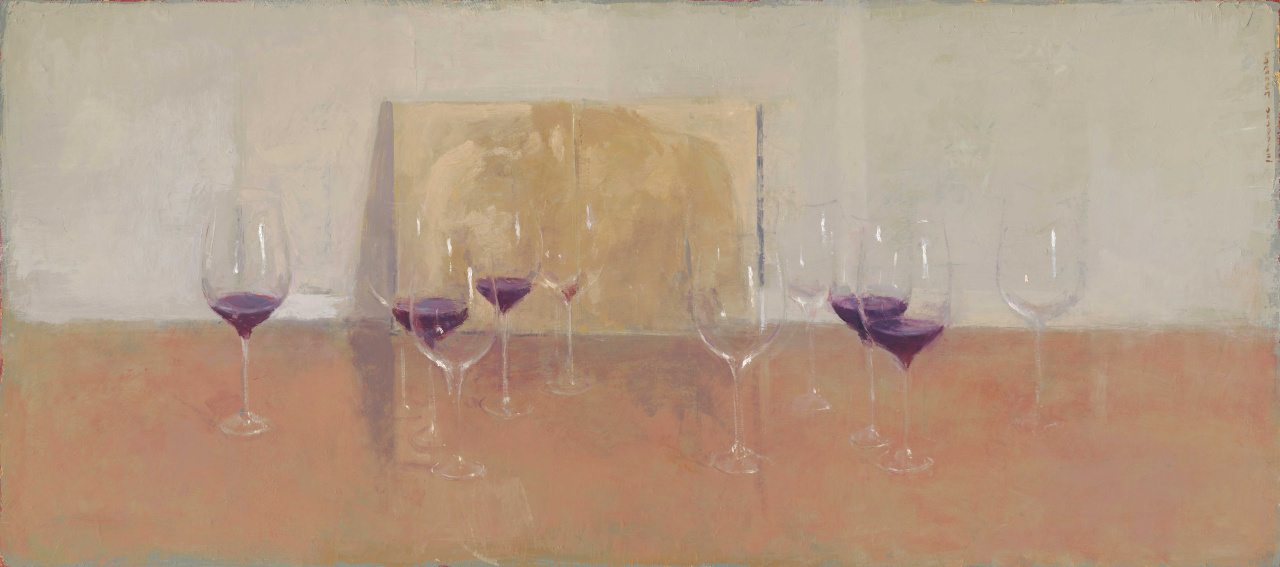
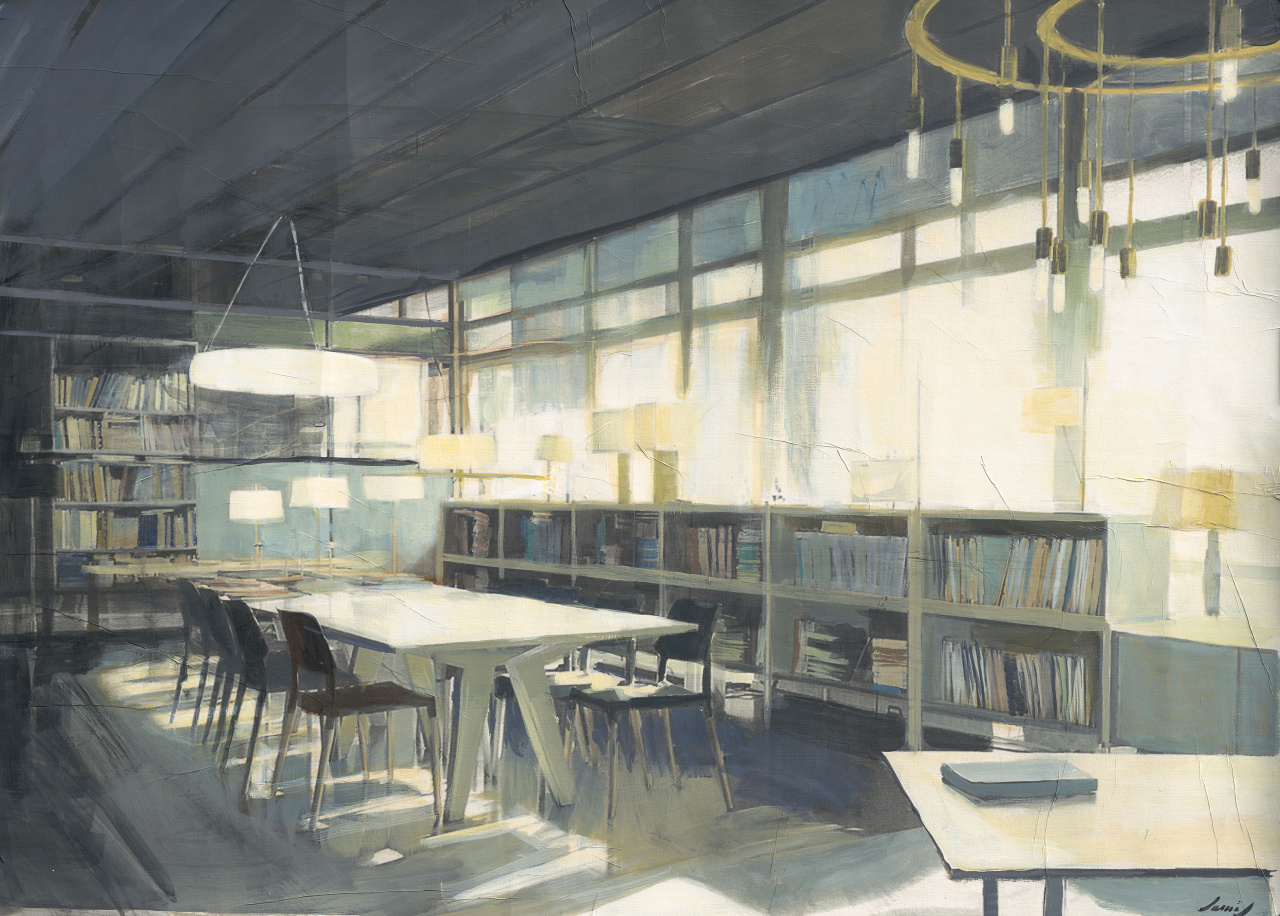
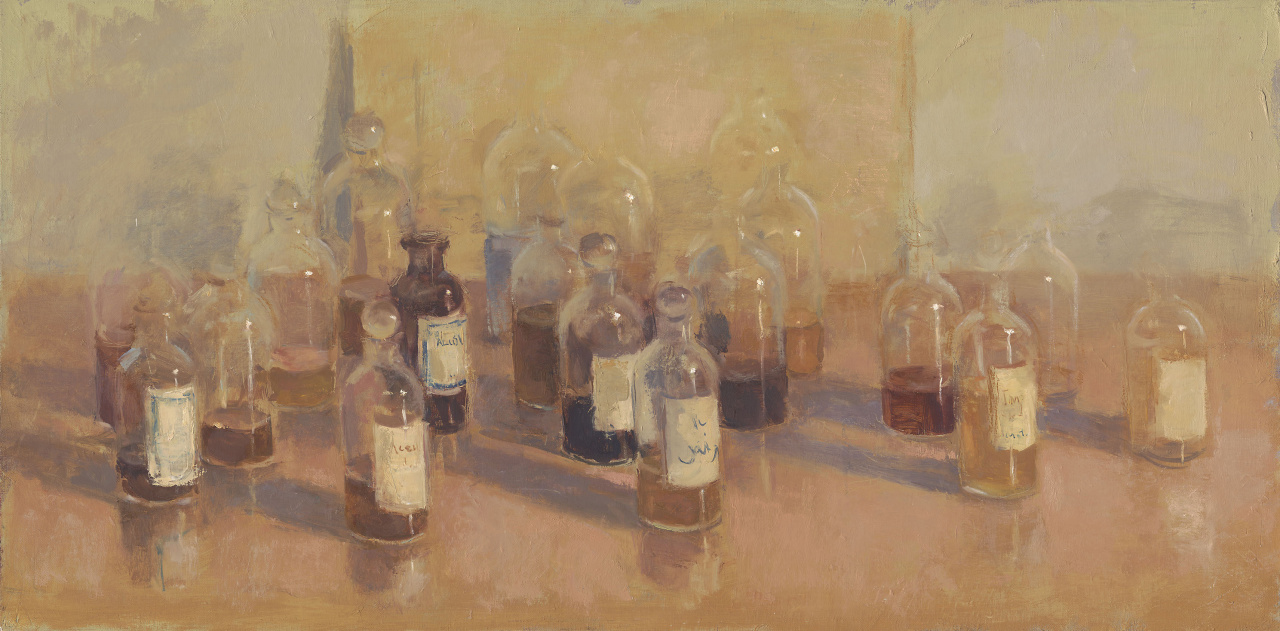
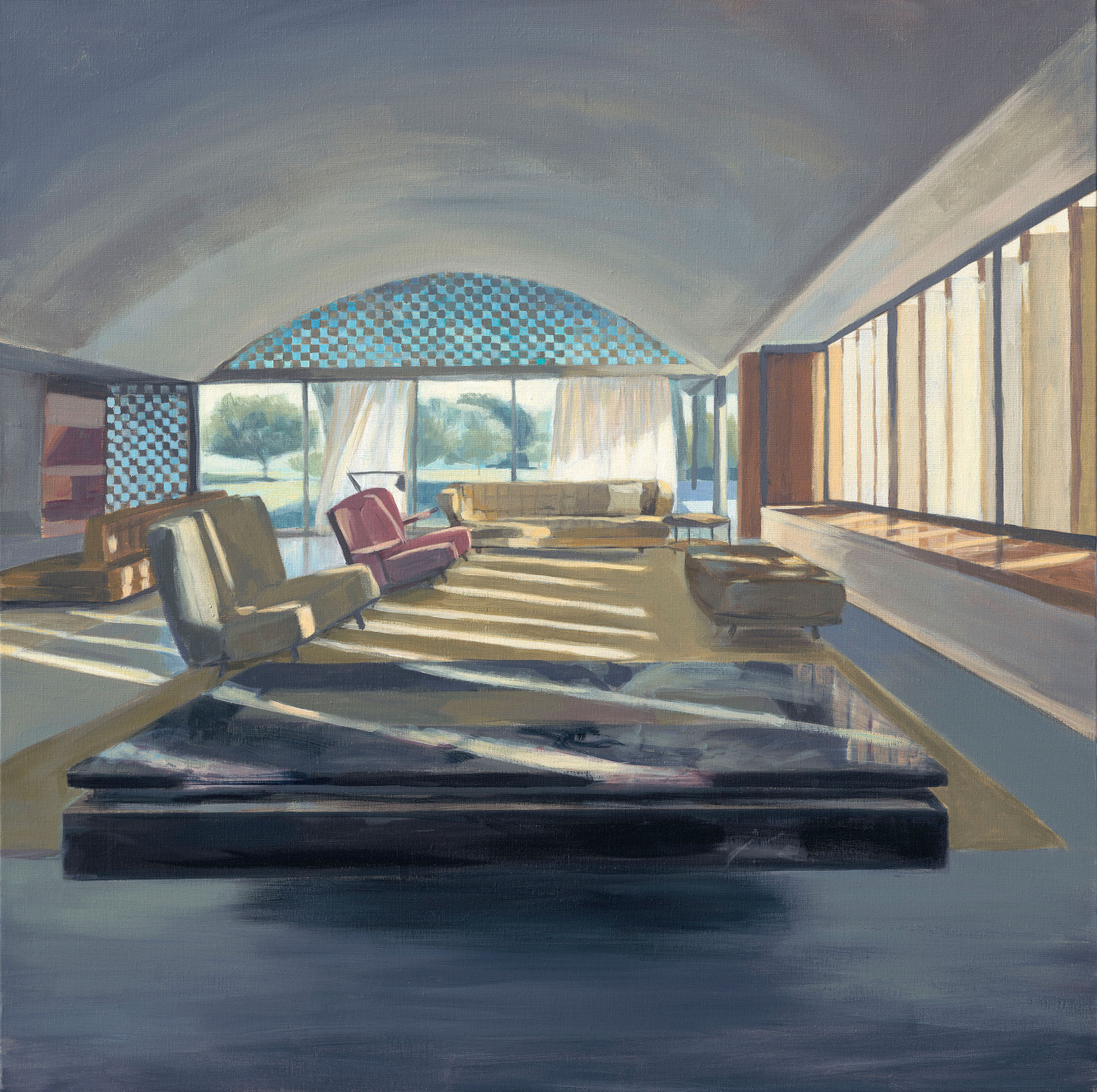
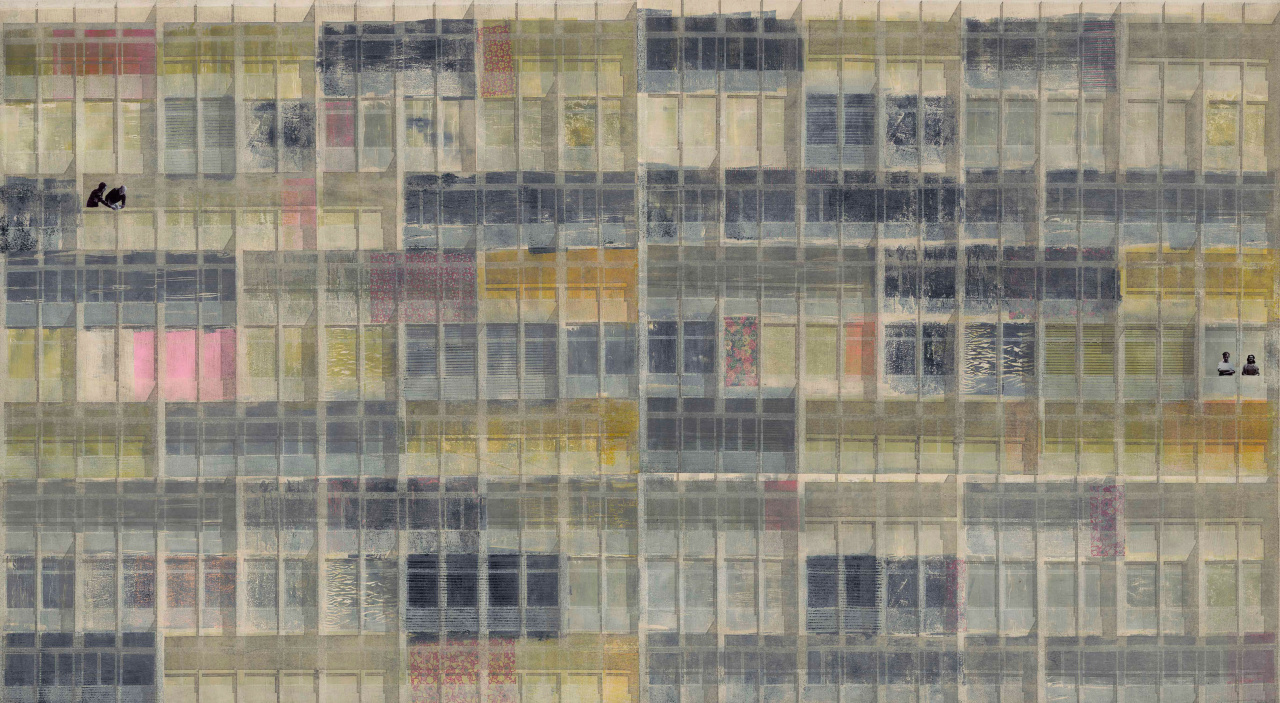
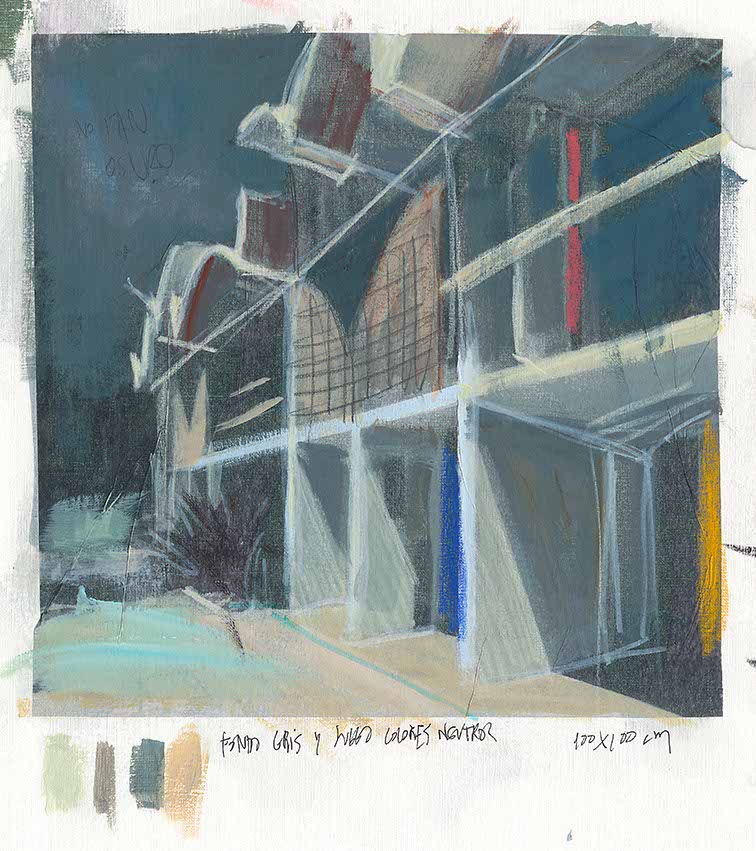
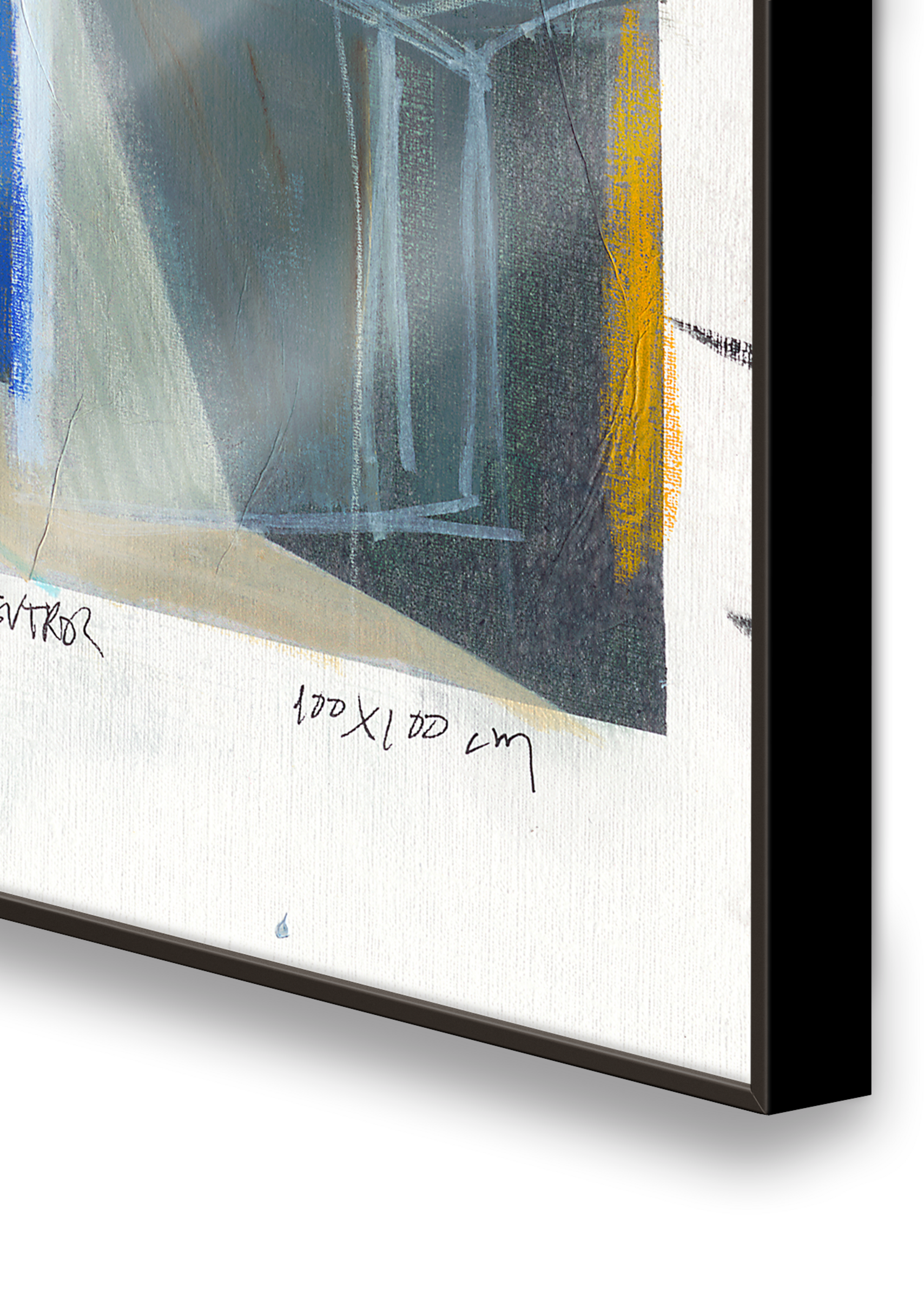
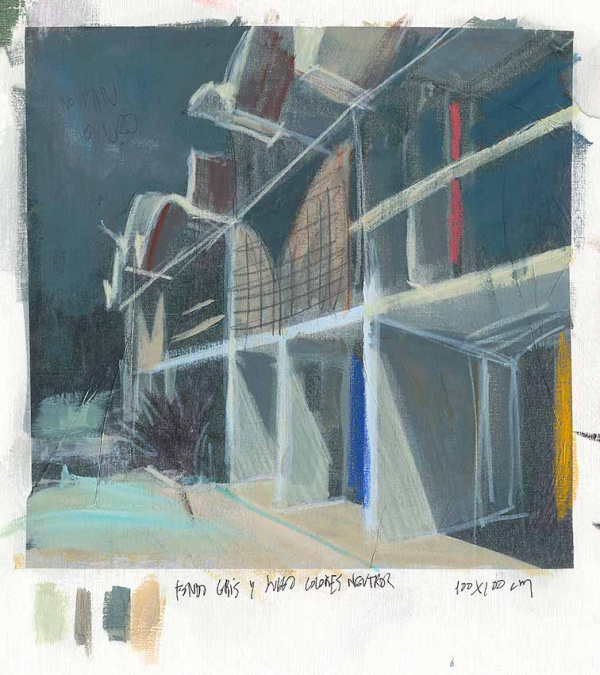
Bea Sarrias approaches modern architecture as a pictorial field of exploration, where the works of Sert, Barragán, and Rudolph are connected through the latent legacy of Piet Mondrian.
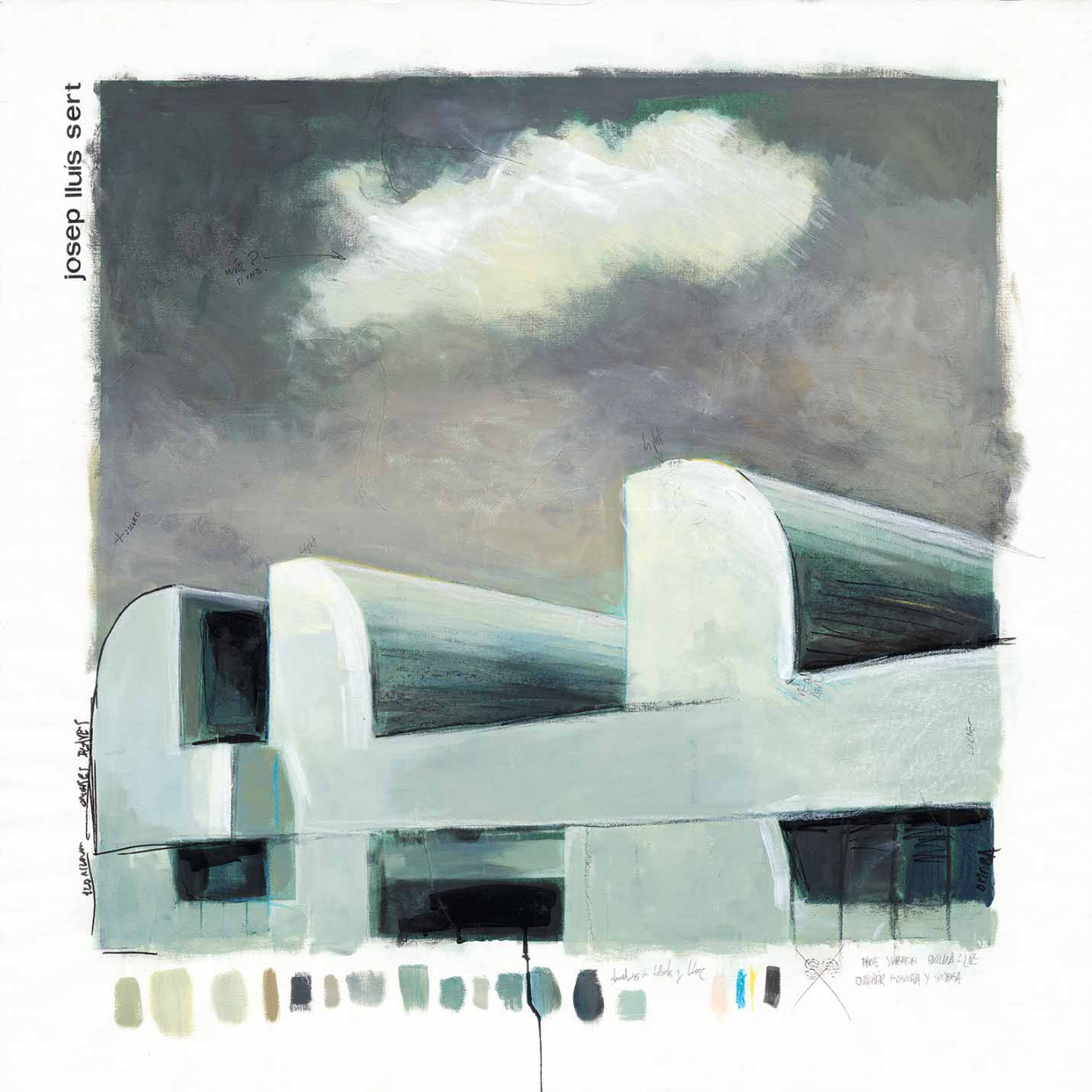
Josep Lluís Sert (Barcelona, 1902–1983) is grounded on the balance between order, functionality, and Mediterranean sensibility. His work combines the rational principles of modernism with the use of traditional materials and a persistent attention to the natural light, understood as a structural and expressive element. Sert conceives his buildings as well-adjusted systems, designed for everyday life activities and the enjoyment of space.
Sert’s connection with Mondrian becomes visible in the use of straight lines, orthogonal structures, and compositions based on proportion and rhythm. Inspired by the artistic avant-garde, Sert adopts these principles and adapts them to a more plastic and open architecture, moving beyond the rigidity of orthodox functionalism. The Miró Studio is a paradigmatic example of this approach, where geometry, the use of primary colors, and light engage with the idea that architecture can become a form of sculpture.
About the Artist
Edition Details — Neoseries
Framing Suggestions
Most of our editions are printed on paper and designed to travel safely and efficiently. For this reason—and because trusted framers can be found almost anywhere—we recommend framing locally. These guidelines will help you achieve the best result:
Without glass, whenever possible
Many original works are displayed without glass. To preserve the same aesthetic and presence, we recommend doing the same. The result is more natural, glare-free, and visually striking.
Mounting on rigid backing (PVC)
Ask your framer to mount the artwork onto a rigid backing. PVC is lightweight, stable, and helps prevent warping over time. It’s also essential if you choose to frame without glass.
Conservation and materials
Always use acid-free materials
If you use glass, make sure it’s anti-glare and UV-protective
Our recommended alternative: museum-grade acrylic, lighter and safer
Shipping & Packaging
Our art editions are carefully rolled and shipped in custom-made tubes designed to ensure safe transport. We offer three tube sizes—70 cm, 90 cm, and 150 cm in height—all with a 12 cm diameter. Each tube weighs approximately 5 kg. Smaller-format editions are shipped flat in a rigid cardboard folder for added protection.
Every order includes a pair of handling gloves and a Welcome Pack featuring a Certificate of Authenticity, the artist’s biography, the edition number, and a unique registration code.
Delivery timelines:
Unframed artworks: Delivery in 7 to 10 business days
Framed artworks: Delivery in 10 to 15 business days
Shipping rates:
Spain: Free delivery
Europe: €9.95 (standard) / €19.95 (express)
USA & Rest of World: Please contact us for a shipping quote
View size in context
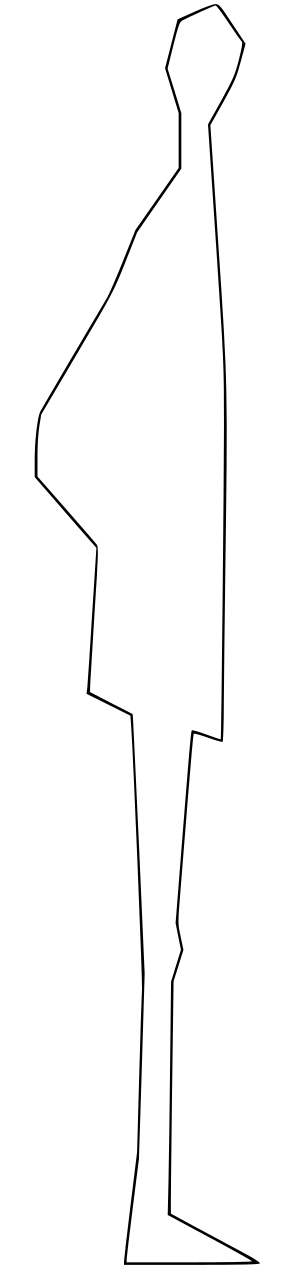
 32 cm / 12.6"
Item number: 4667
Architecture in color
The architectures of Josep Lluís Sert, Luis Barragán, and Paul Rudolph function as territories of pictorial exploration, resonating with the legacy of Piet Mondrian as a latent visual matrix. Without explicitly citing him, his language runs through the entire exhibition as an invisible thread connecting the three architects. Sarrias’s works reveal a creative process that is an architecture in itself.