André Ricard. Design in Use
Ingenious solutions to everyday problems. André Ricard revolutionized Spanish design with his simple, practical approach, always at the service of people. An exhibition at Madrid Design Festival celebrates his work.
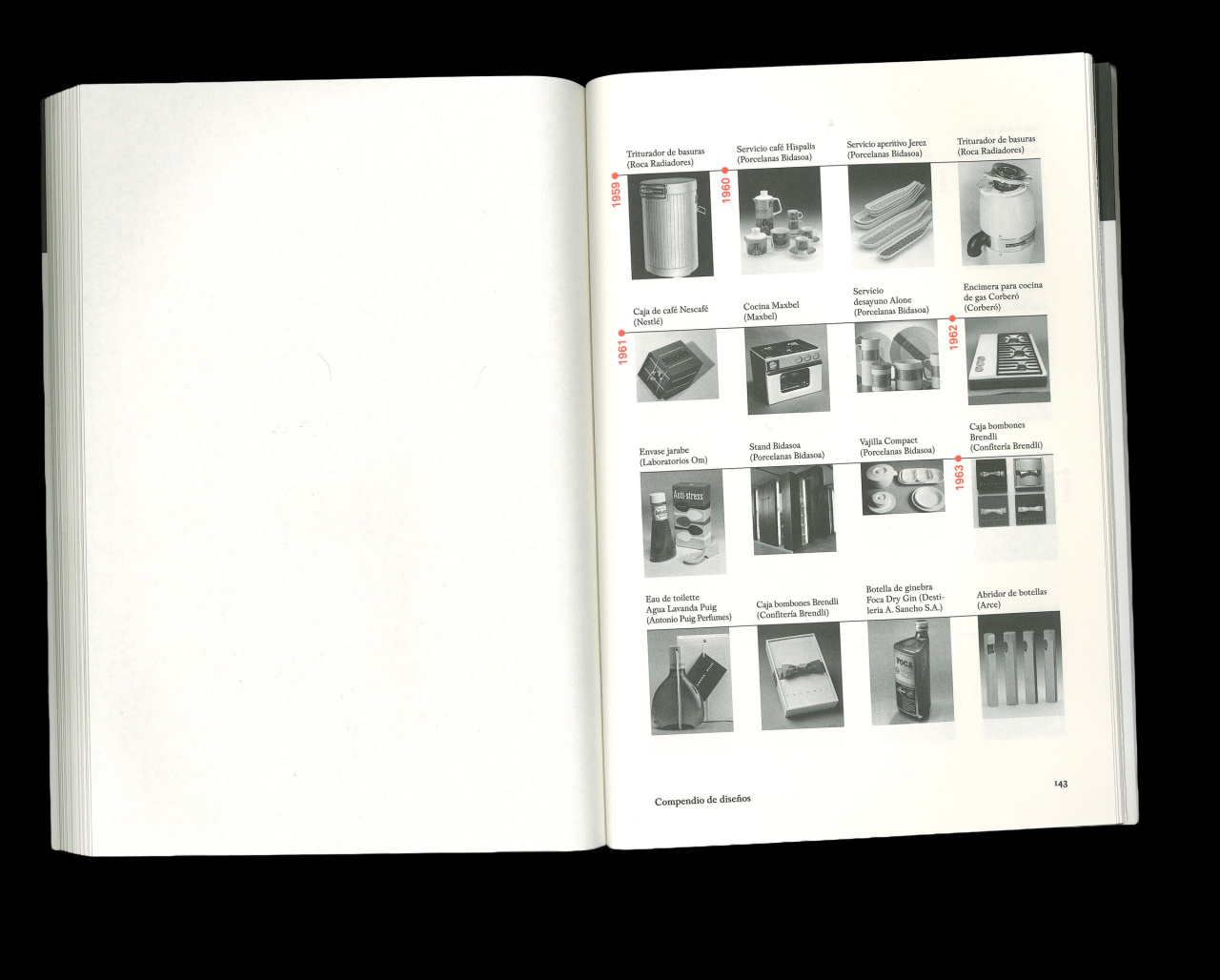
The world of design cannot be understood without the figure of André Ricard (Barcelona, 1929). He is one of the foremost exponents of true design: the design of everyday life, seamlessly integrated into our routines, accompanying us almost imperceptibly — and precisely for that reason working so well, because it fulfills its function. Simple, practical and precise, yes — but also visionary. He is also one of our most important and admired authors, whose sensitivity and thinking have enriched our catalogue.
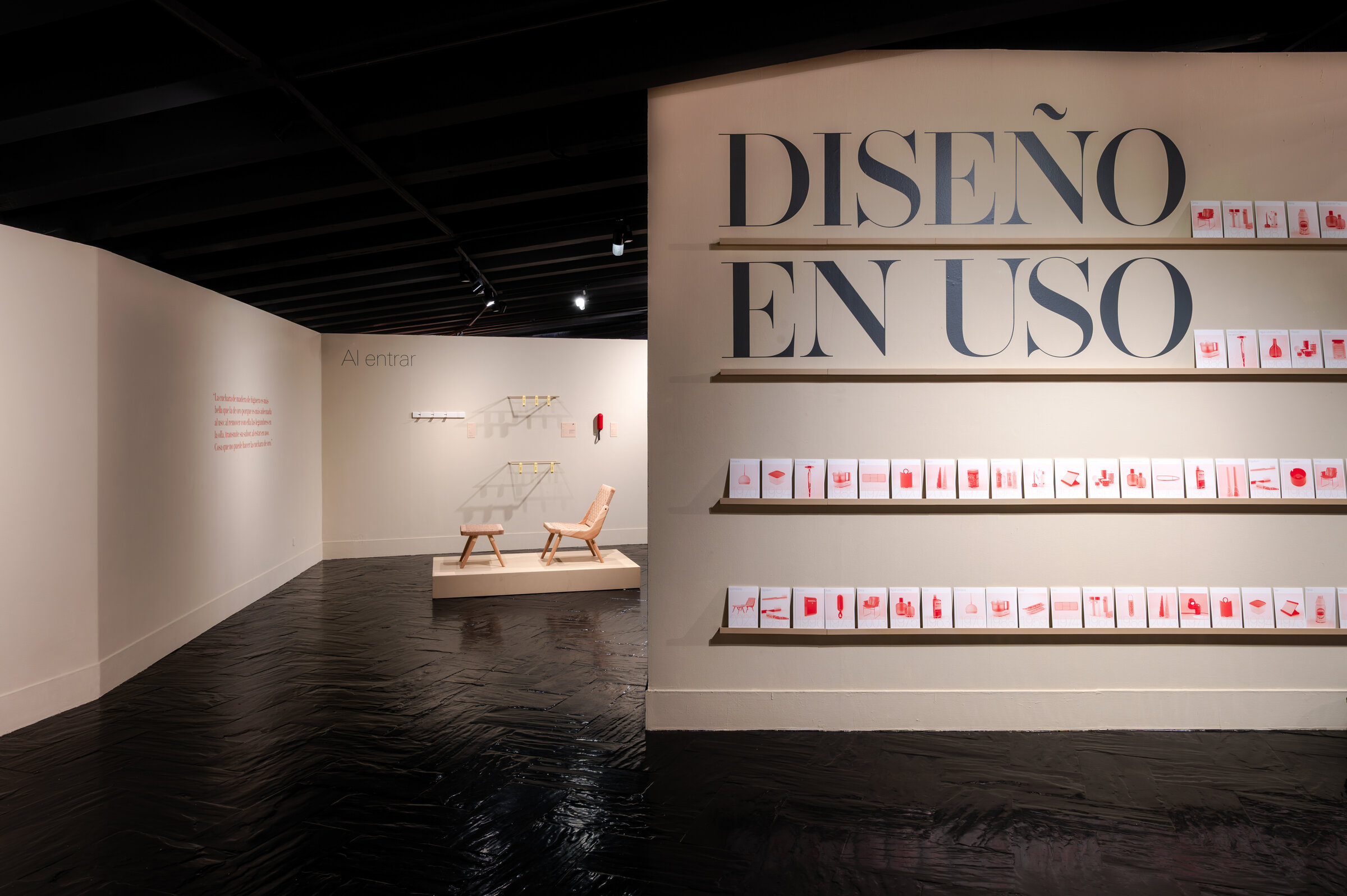
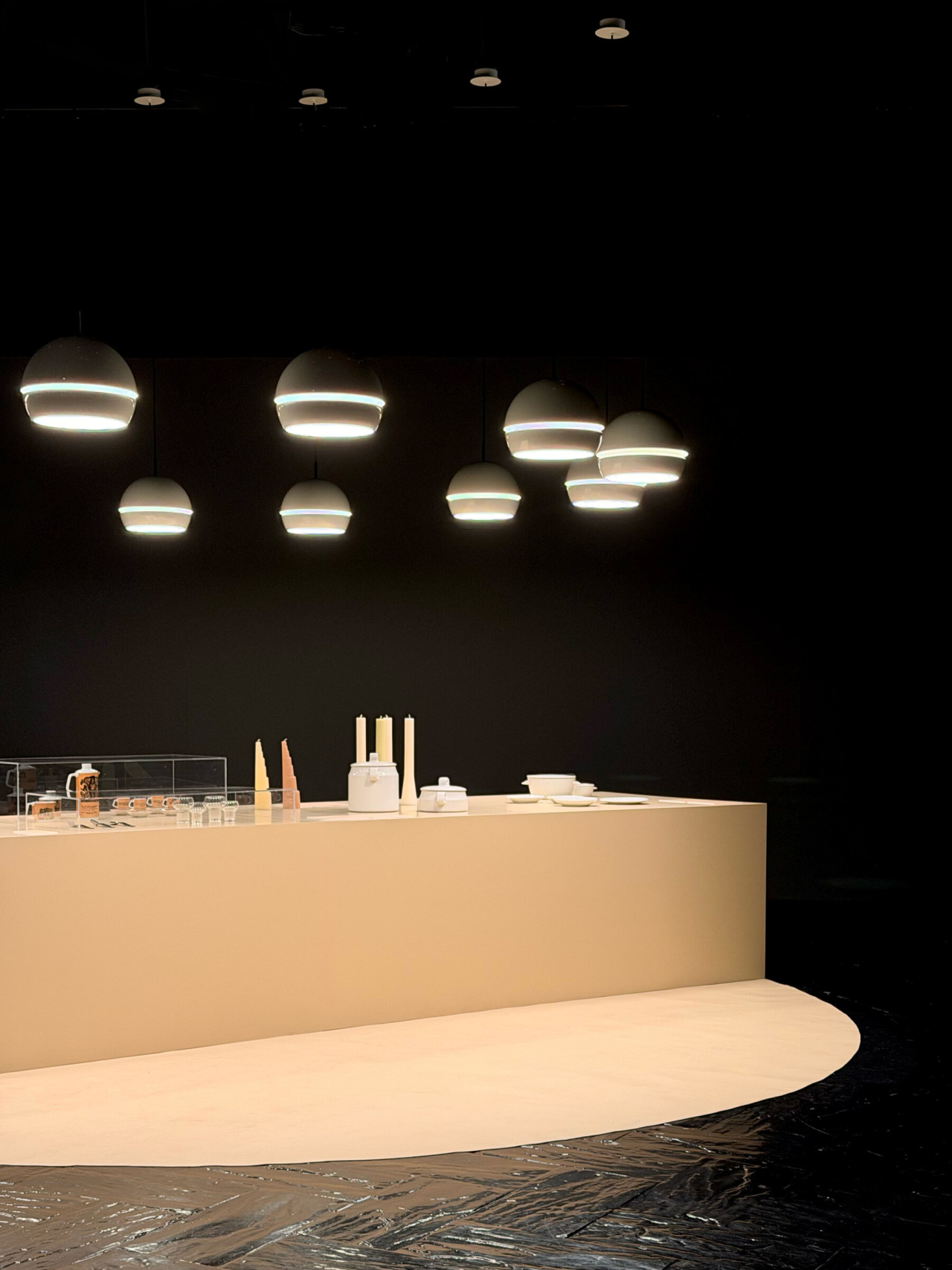
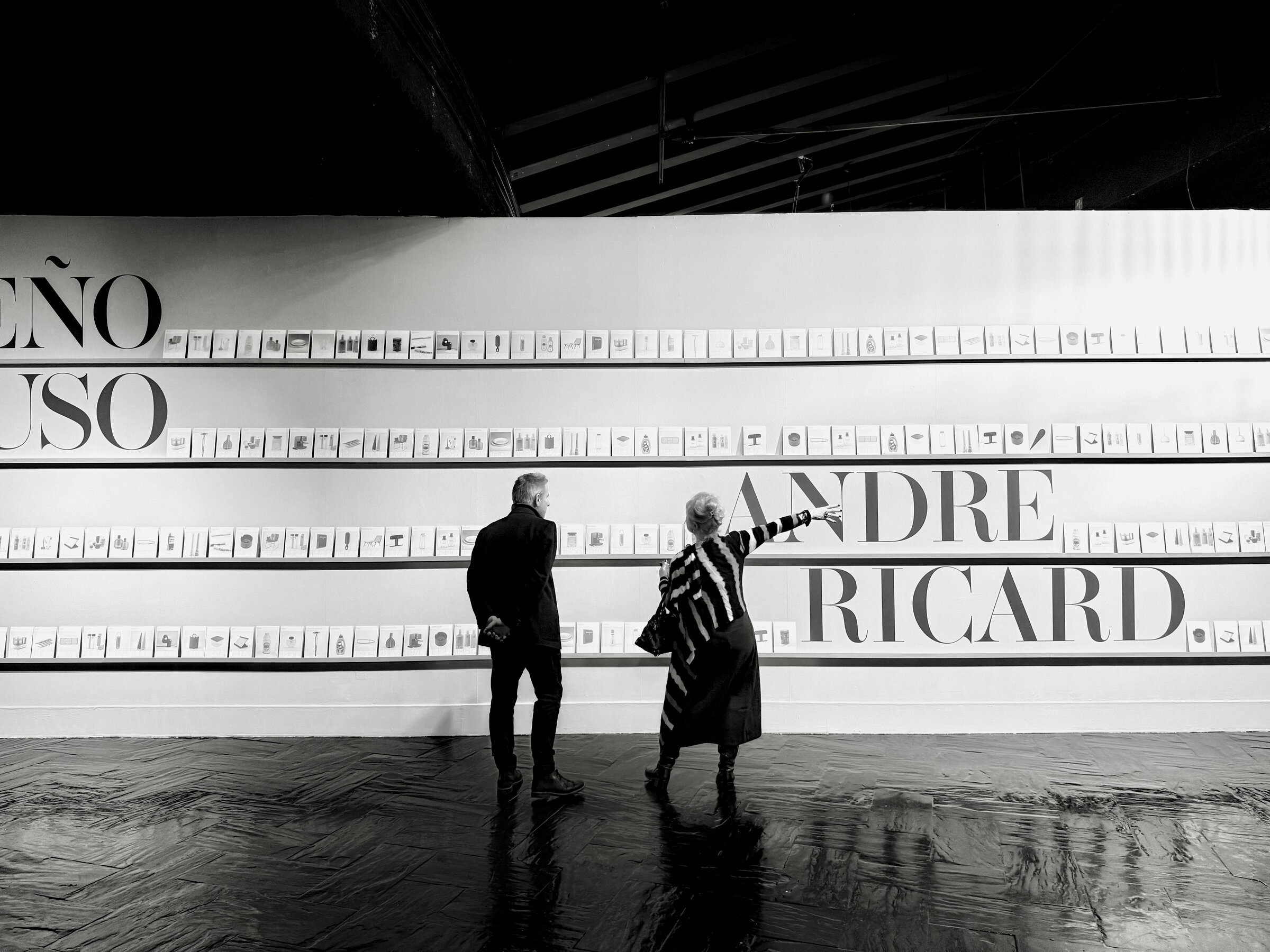
Until May 3, an exhibition as part of the Madrid Design Festival pays tribute to his work. Hosted at Centro Cultural de la Villa Fernán Gómez under the title “Design in Use”, the show traces his career and major milestones, from Puig perfume bottles to the Norit detergent container, the Orion moth clip, the Copenhagen ashtray, and the Barcelona ’92 Olympic torch. There are no display cases here; the pieces are presented in context, within the domestic settings for which they were conceived: the dining table, the bathroom, the kitchen, the study. The intention is to reveal the essence of each object and highlight the timelessness — long before the term lost meaning through overuse — of designs that remain part of our lives. Objects that not only endure and continue to be used, but that, 60 years later, remain strikingly relevant.
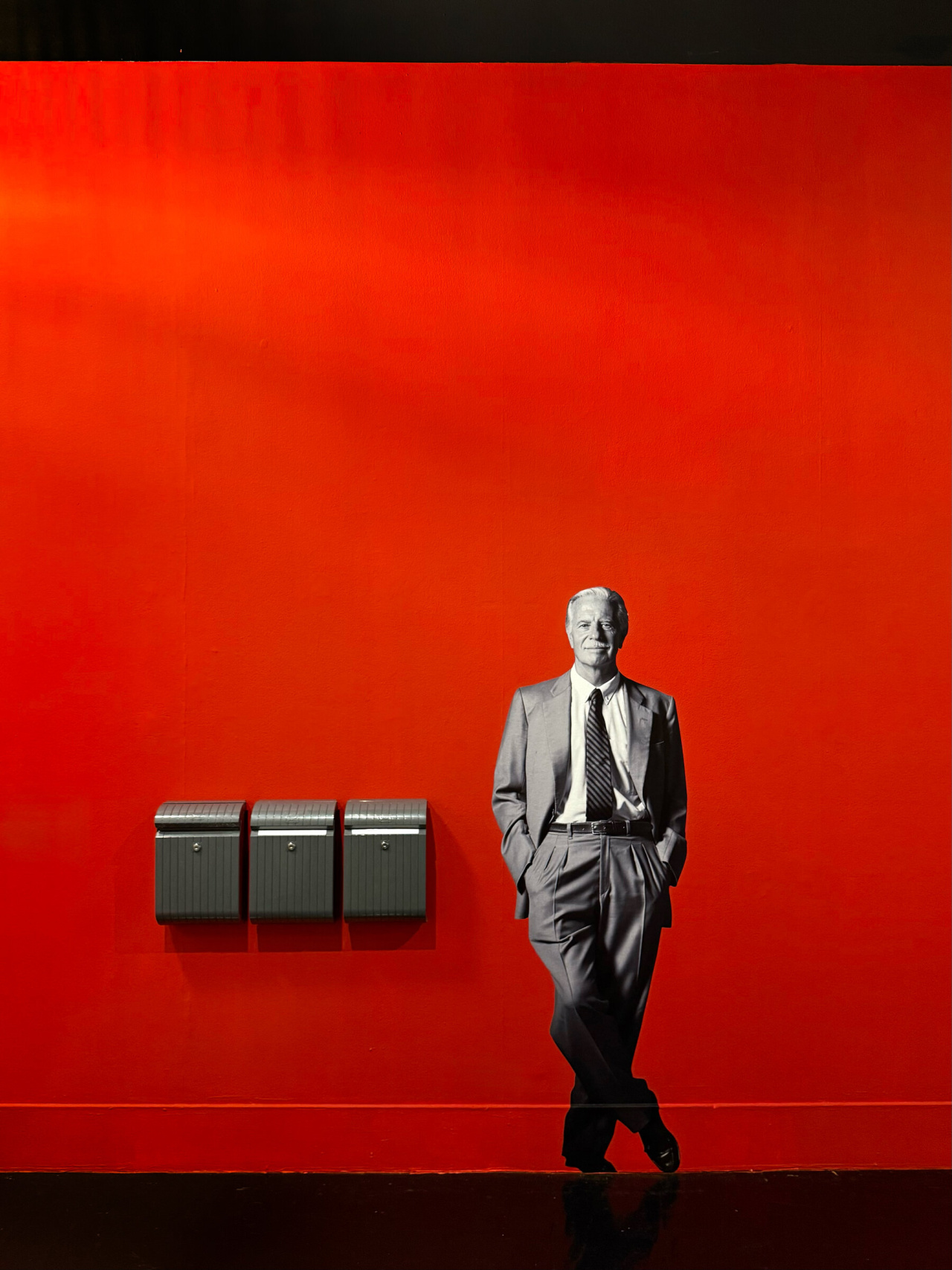
In an immobile Spain marked by dictatorship, where everything was yet to be invented, Ricard was a rare avis. He understood design as a tool for progress, always at the service of people. “Designing means endowing the objects of our daily life with the most sensible and simple forms so that they optimally fulfill the function for which they are intended”, he stated.
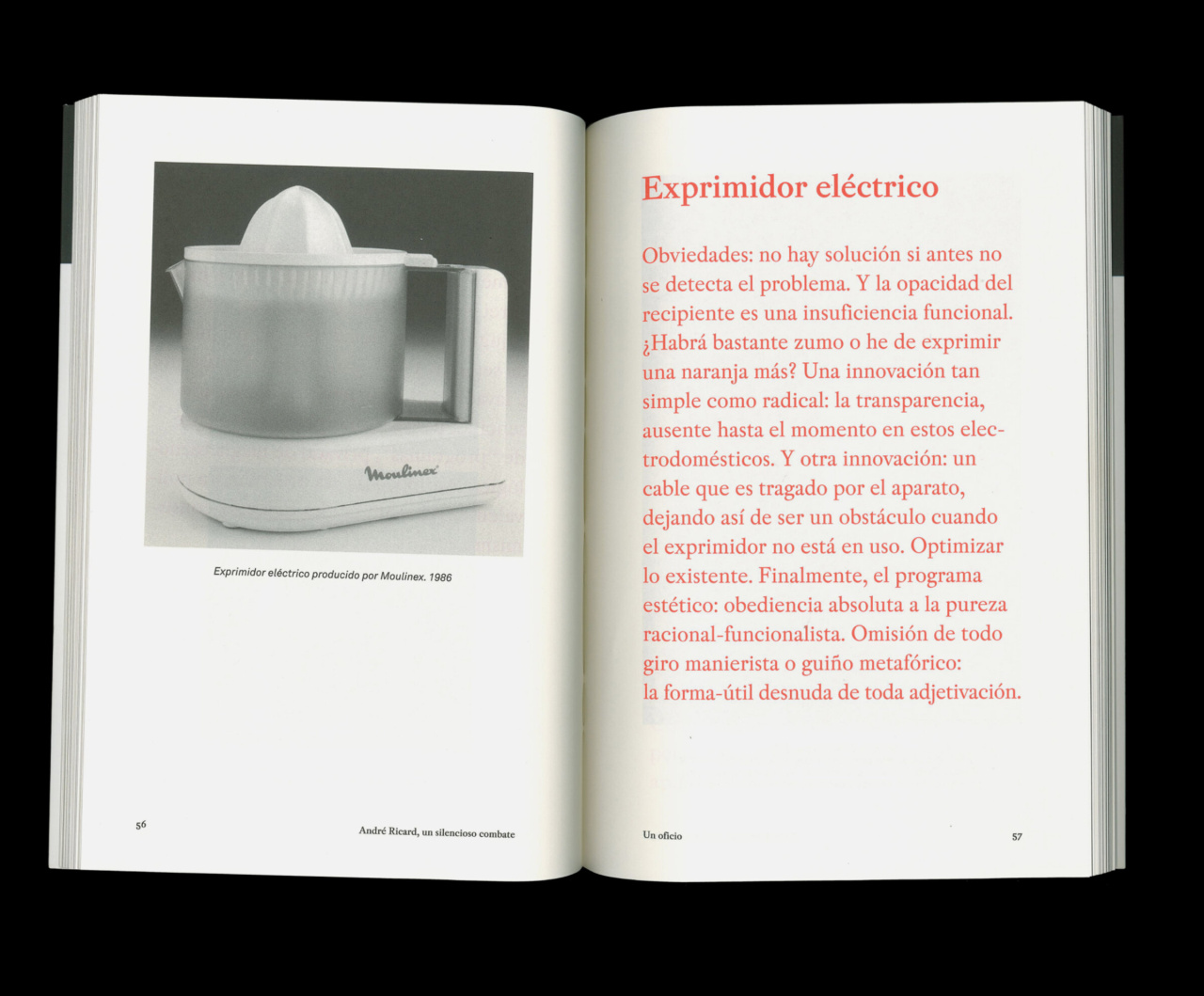
André Ricard. Un silencioso combate 2010, Norberto Chaves.
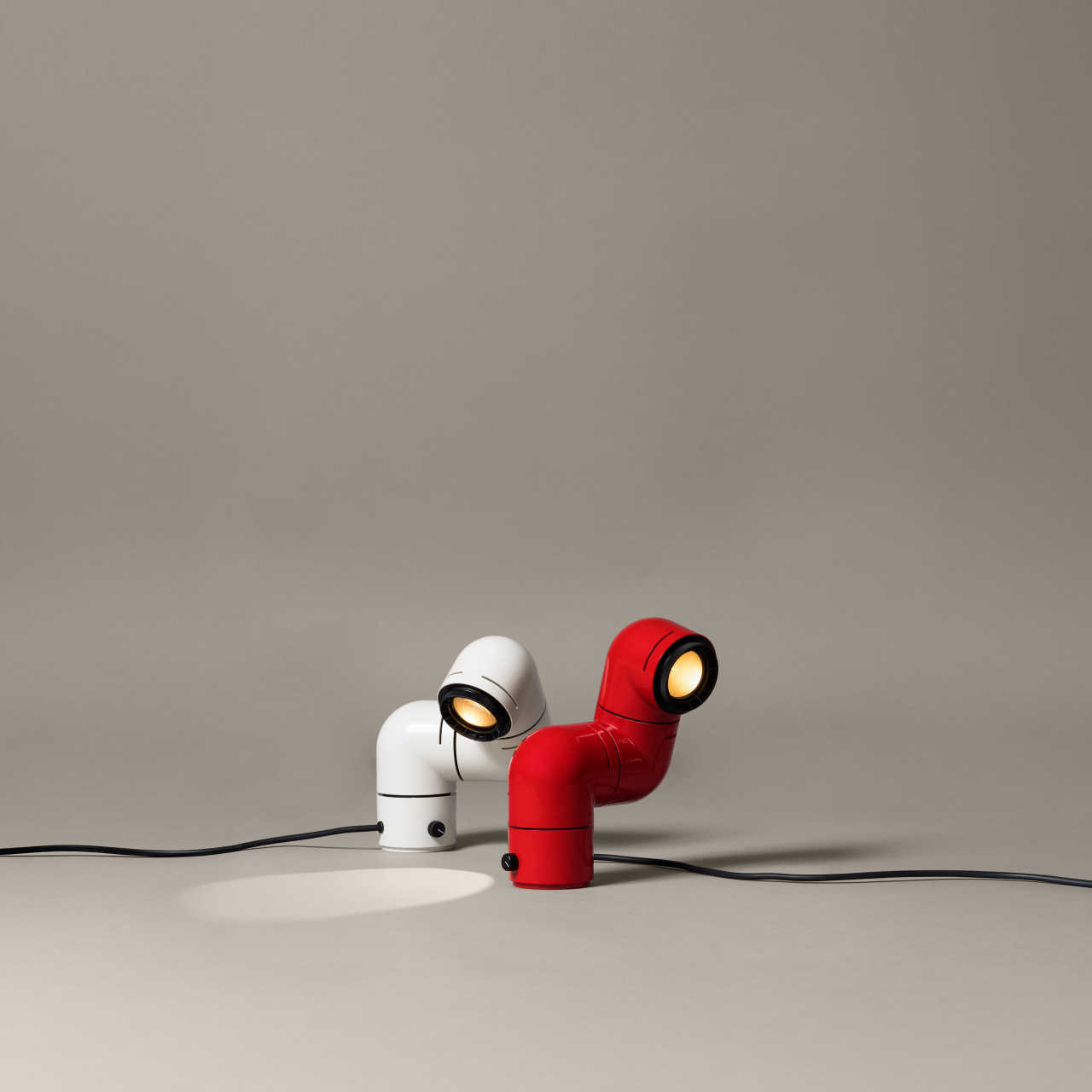
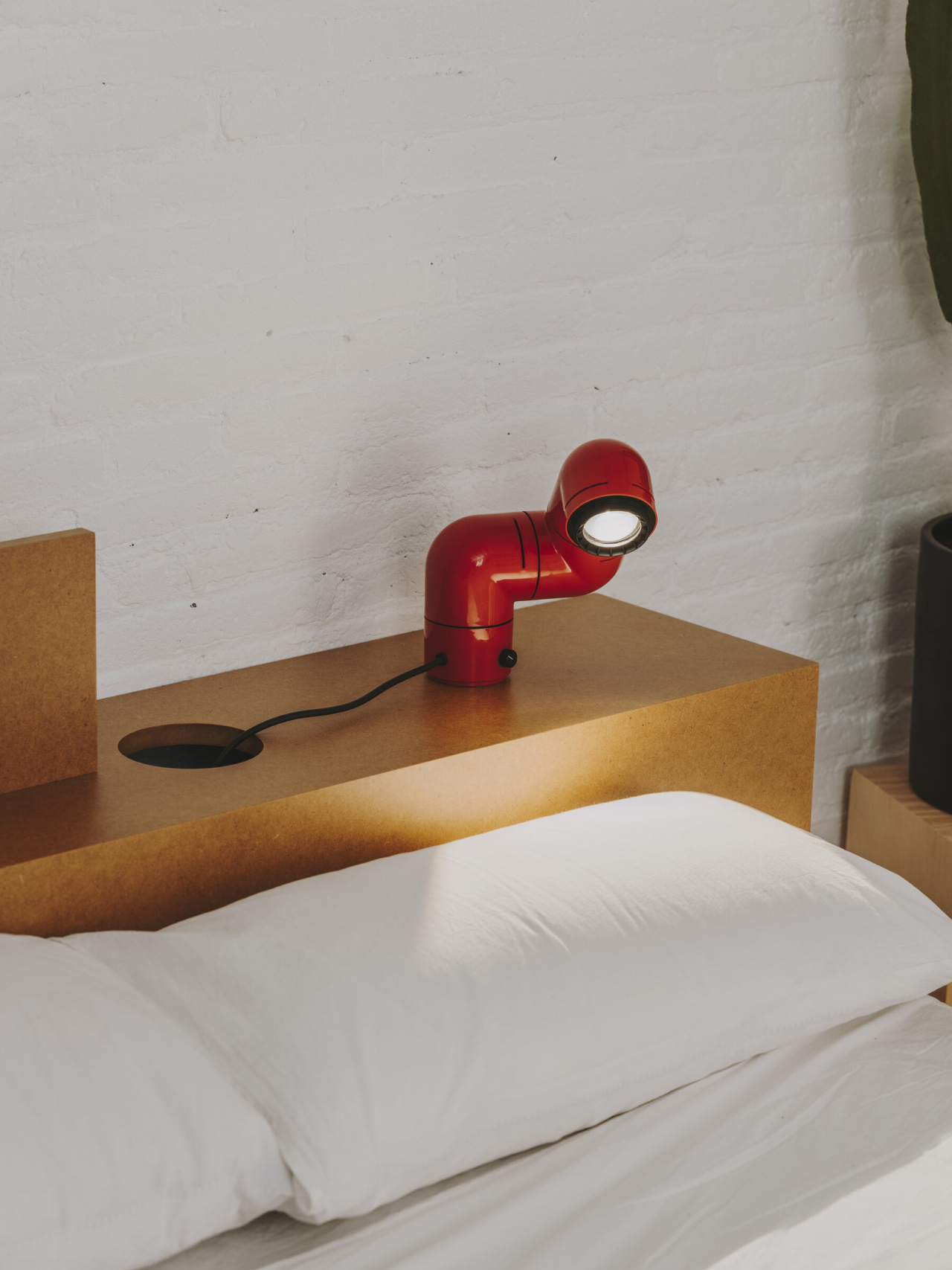
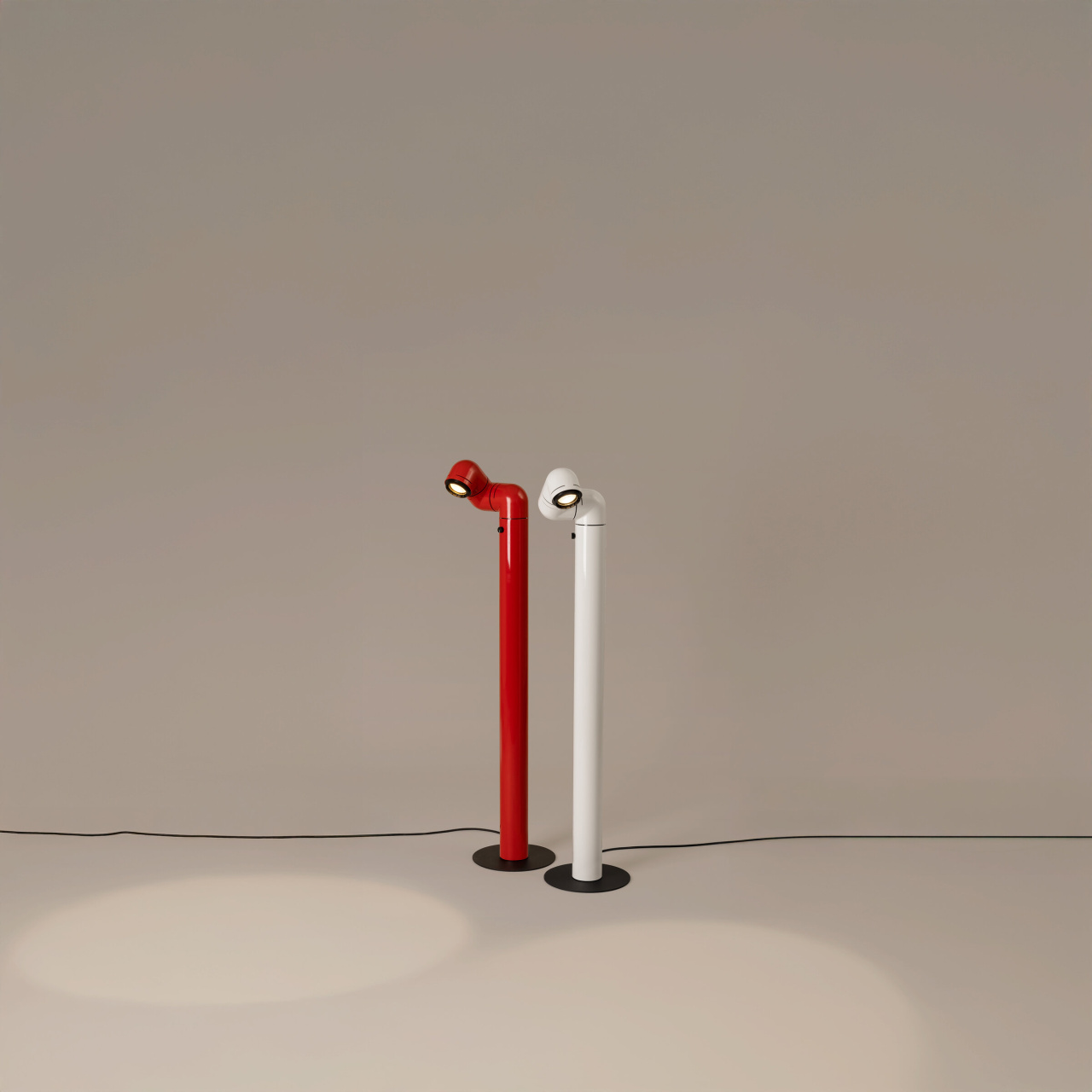
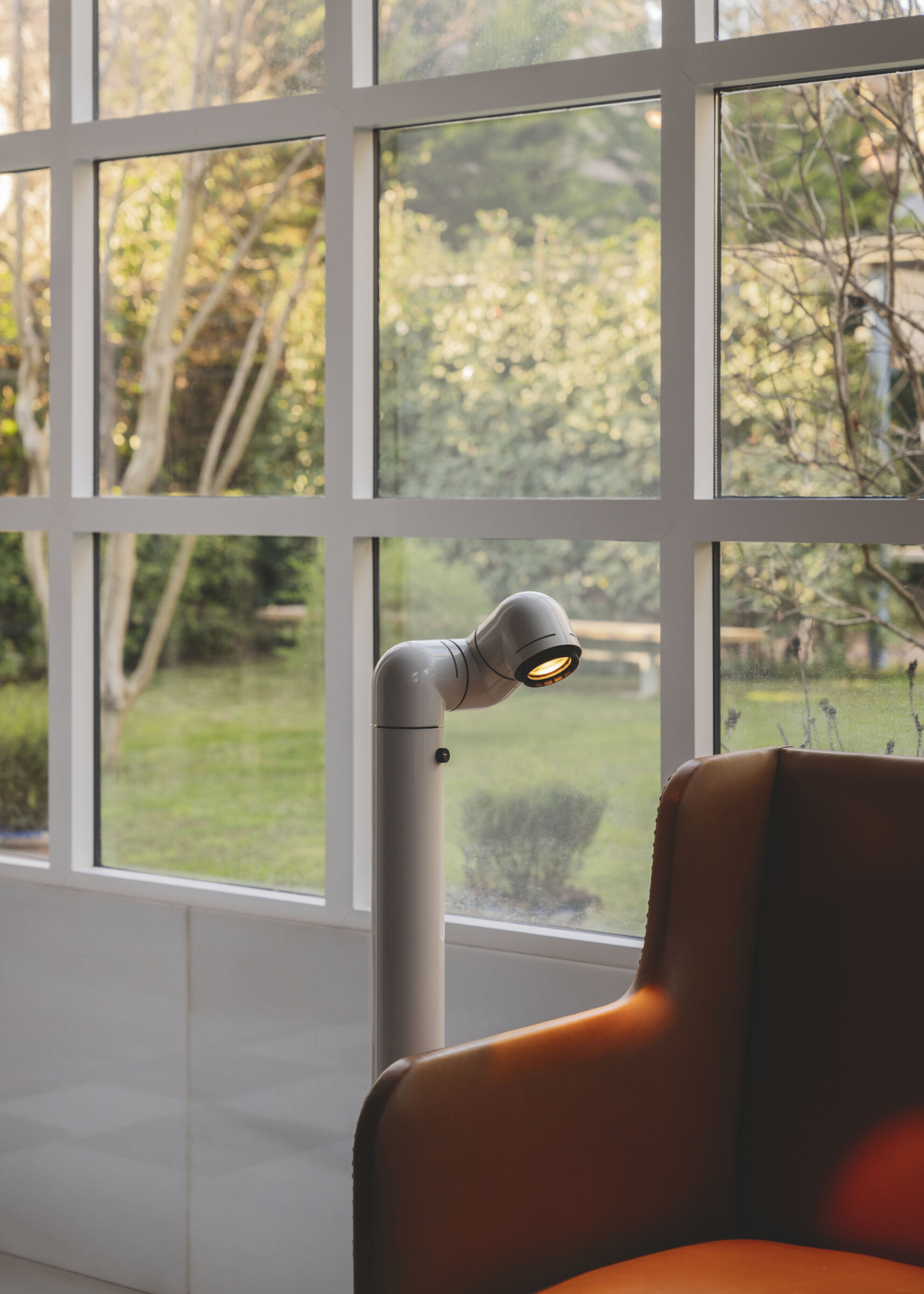
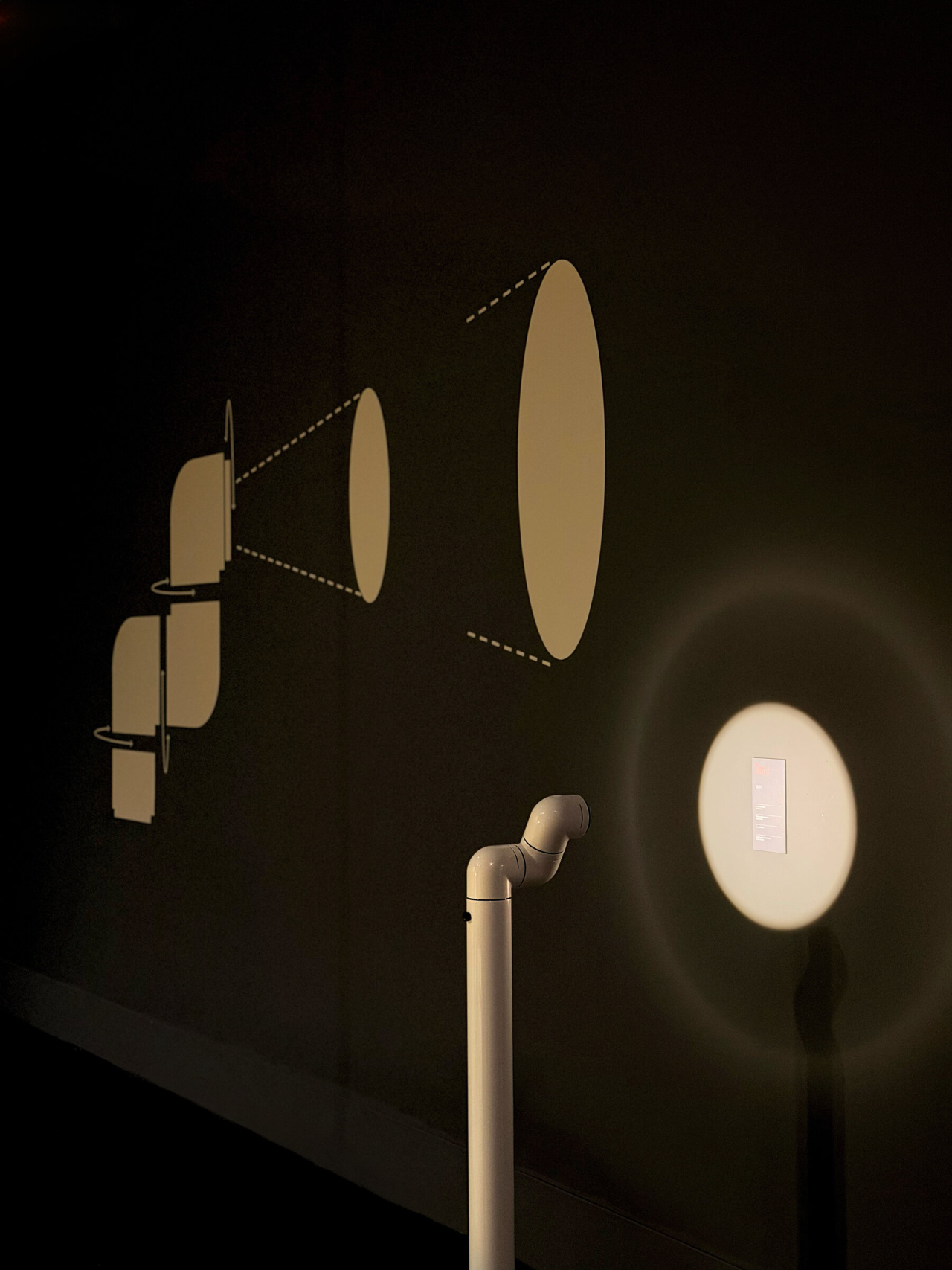
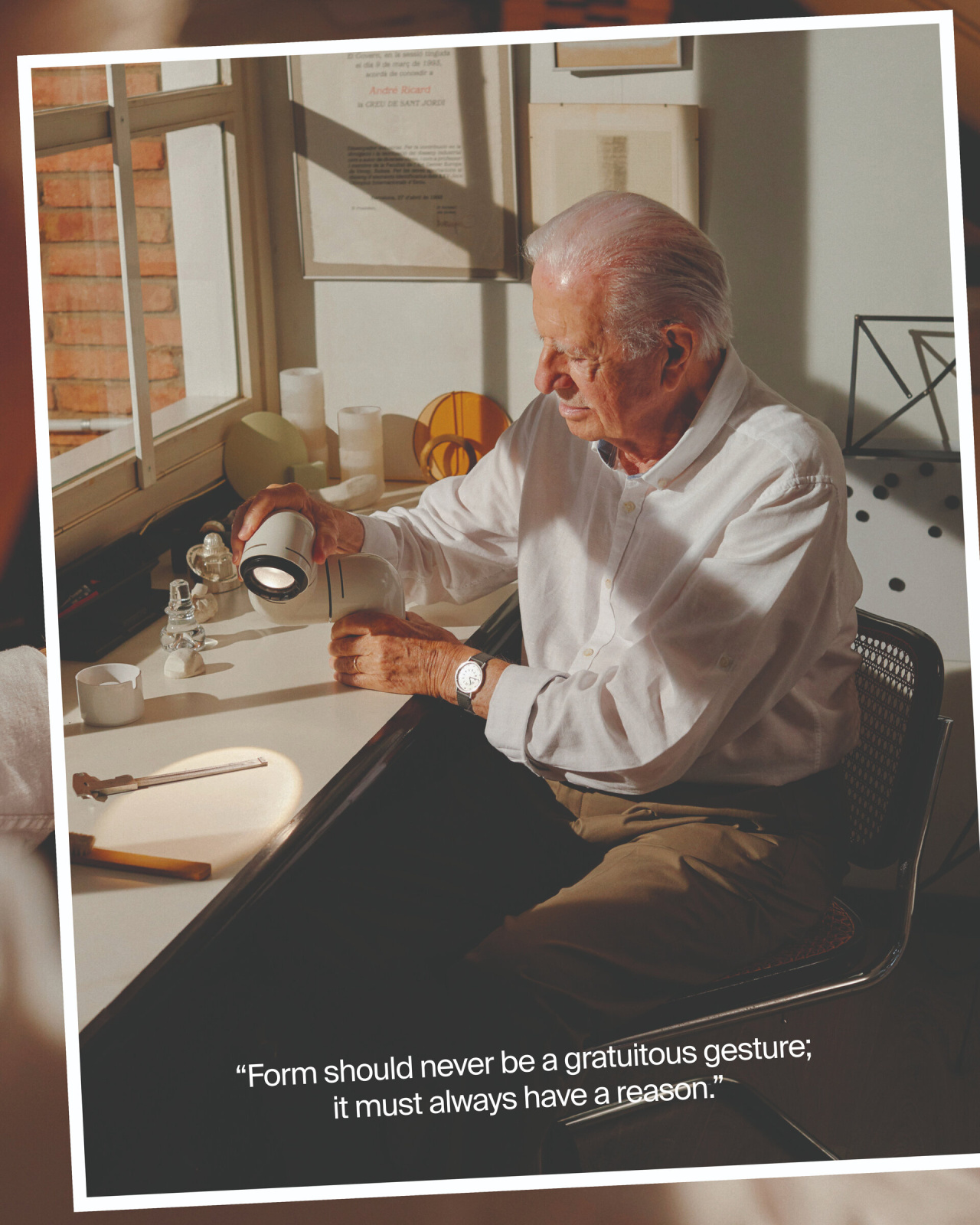
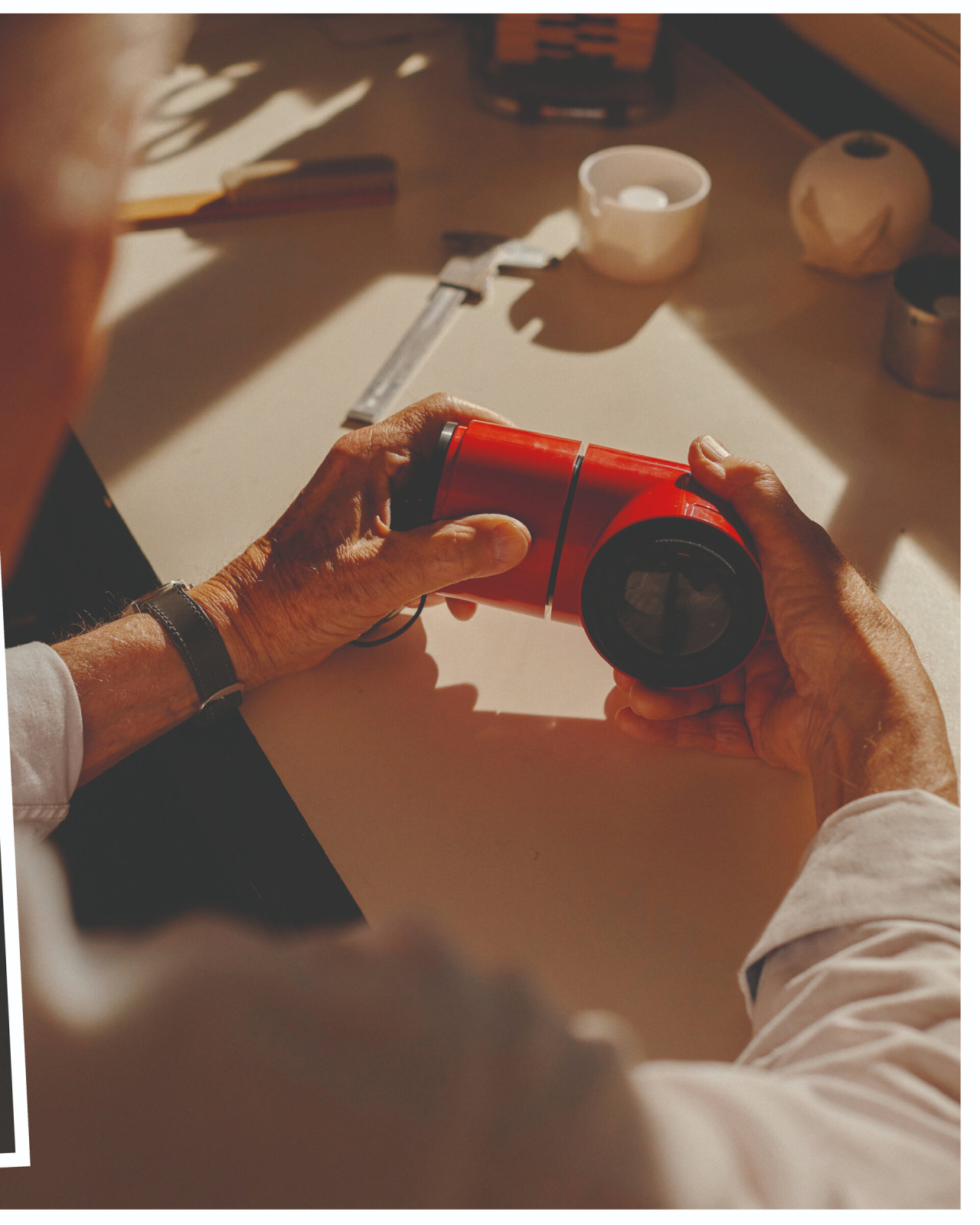
All his creations — even a toothbrush, to which he gave equal value — arise from observing a real problem, from recognizing that something was not working or could be improved. They are ingenious solutions to our small (or not so small) everyday discomforts.For example, he liked reading in bed and, wishing to do so without disturbing his wife, the Tatu lamp (1972) was born from that beautiful and innocent gesture. Playful, carefree and full of color, it features a mechanical body conceived in three independently rotating parts, enhancing its practicality and versatility across different spaces and times of day, as well as adjustable light intensity and beam spread.
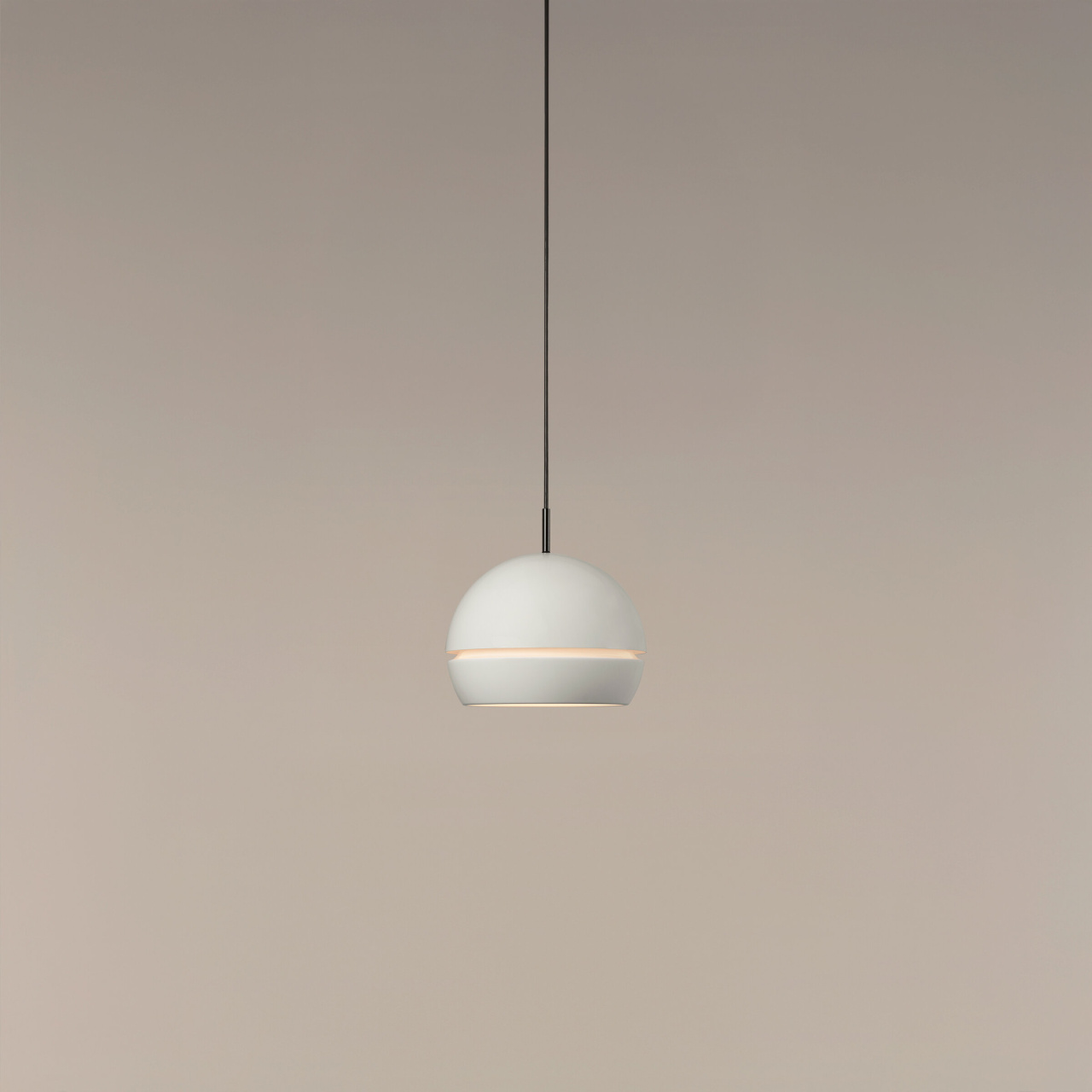
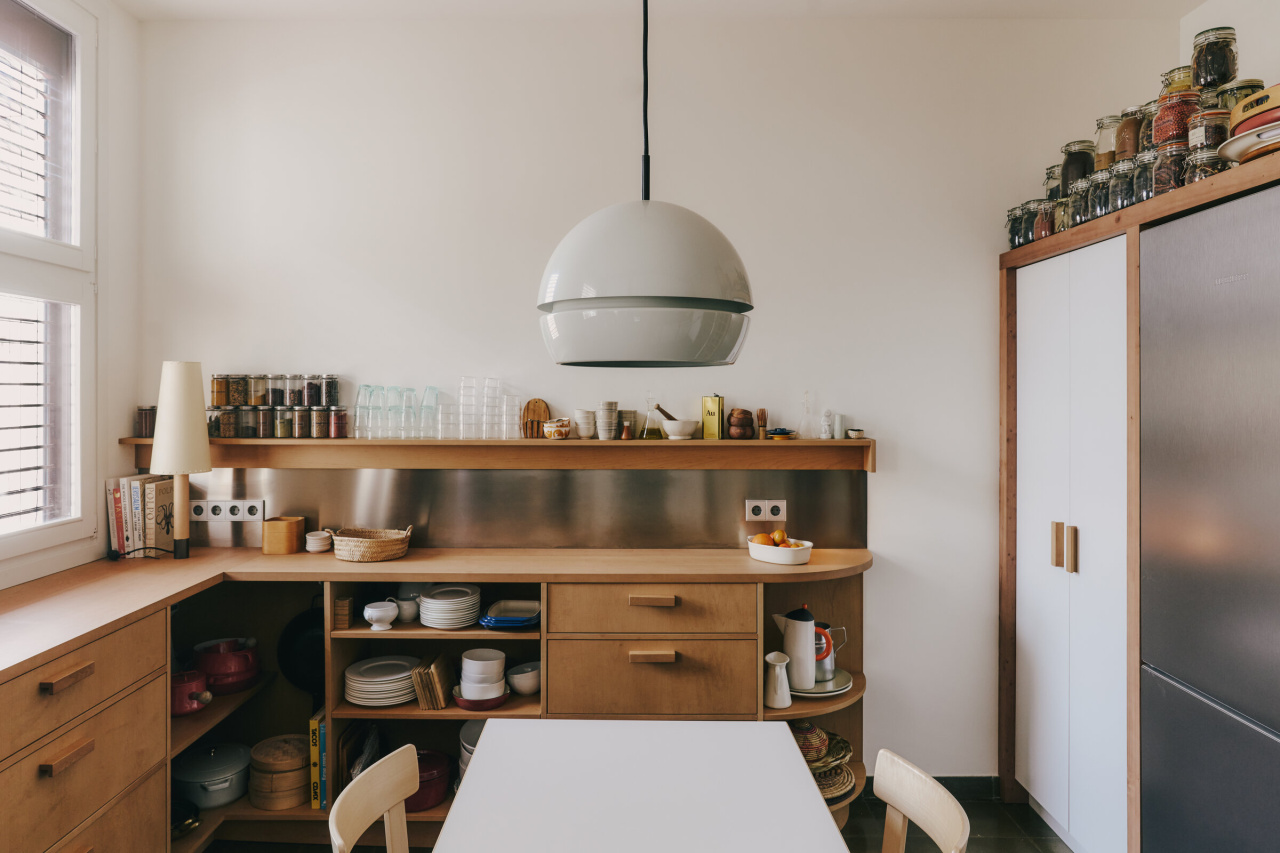
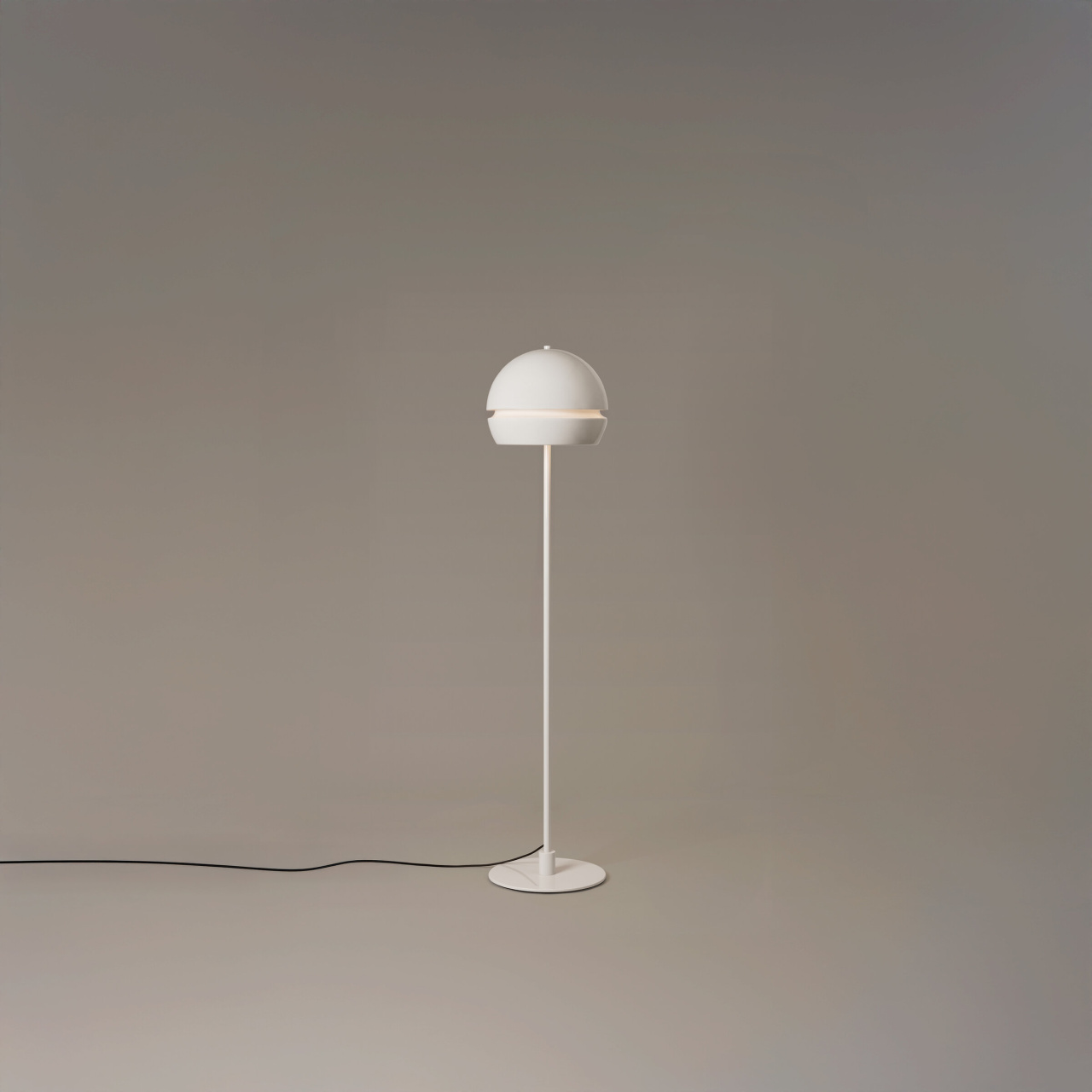
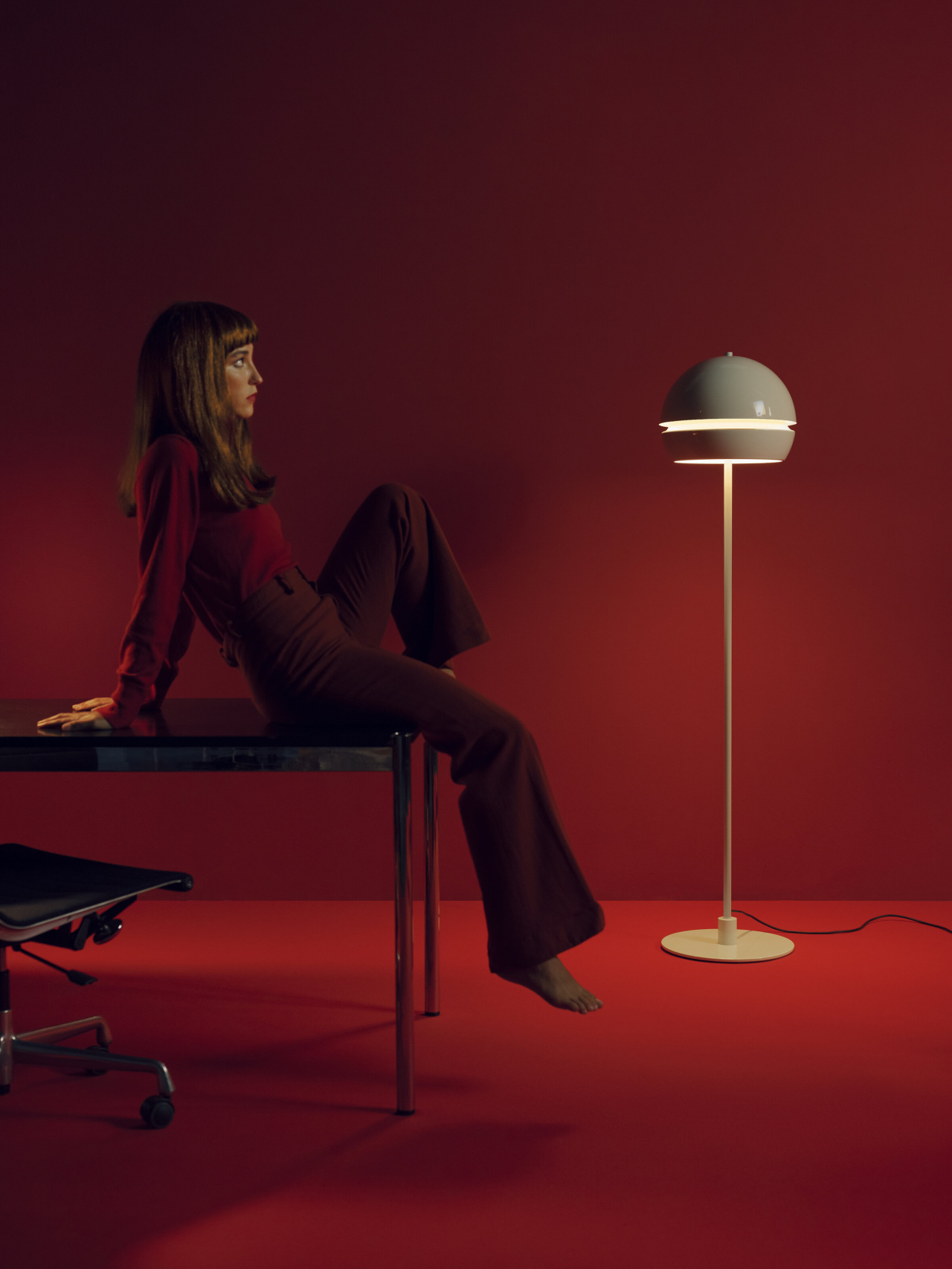
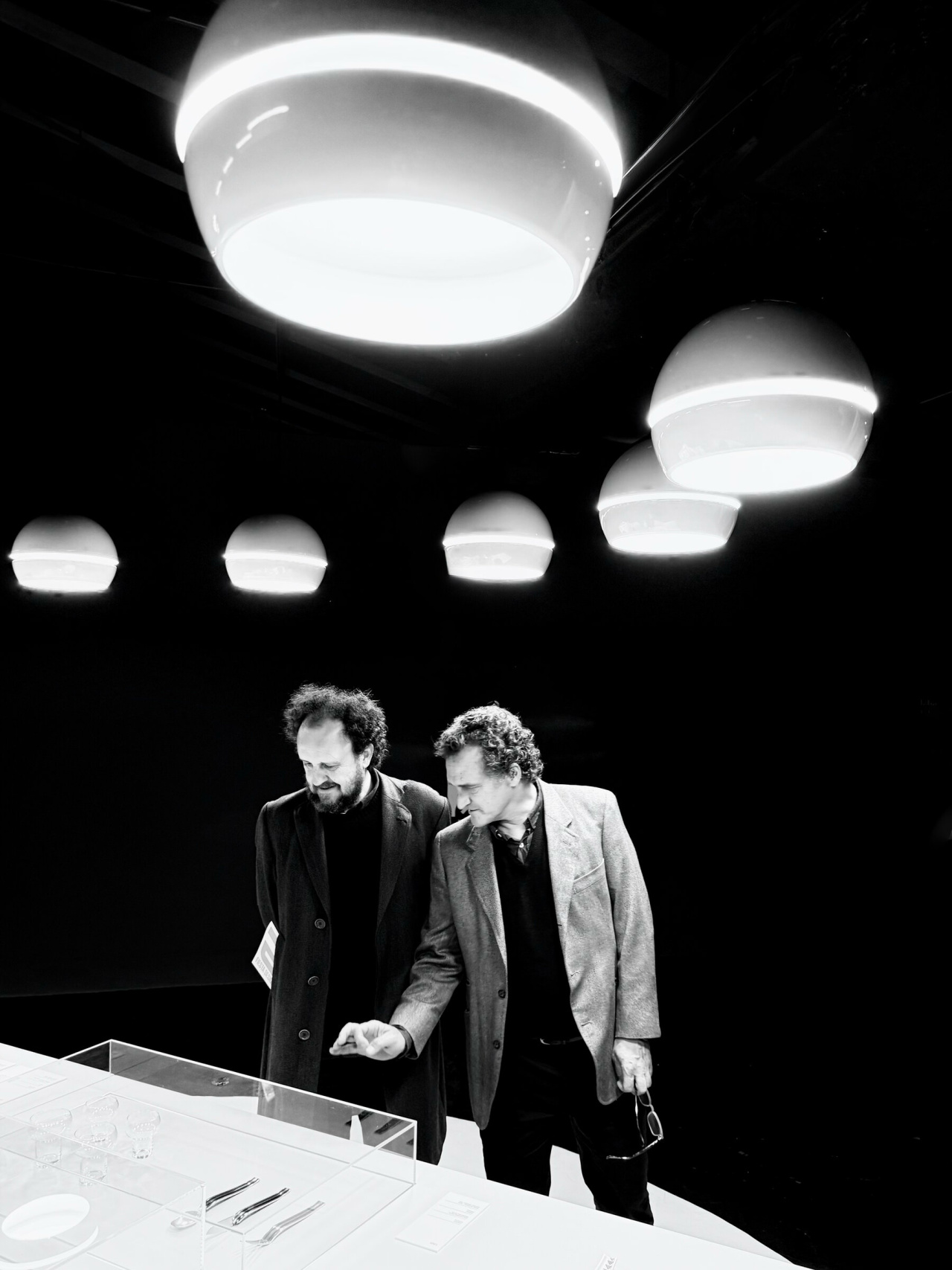
We also edit the Fontana lamp (1970), a tribute to the artist Lucio Fontana. Just as the painter slashed his canvases, Ricard seems to cut into this hemisphere, projecting peripheral, indirect light. Futuristic and sculptural, it is a true statement of intent.
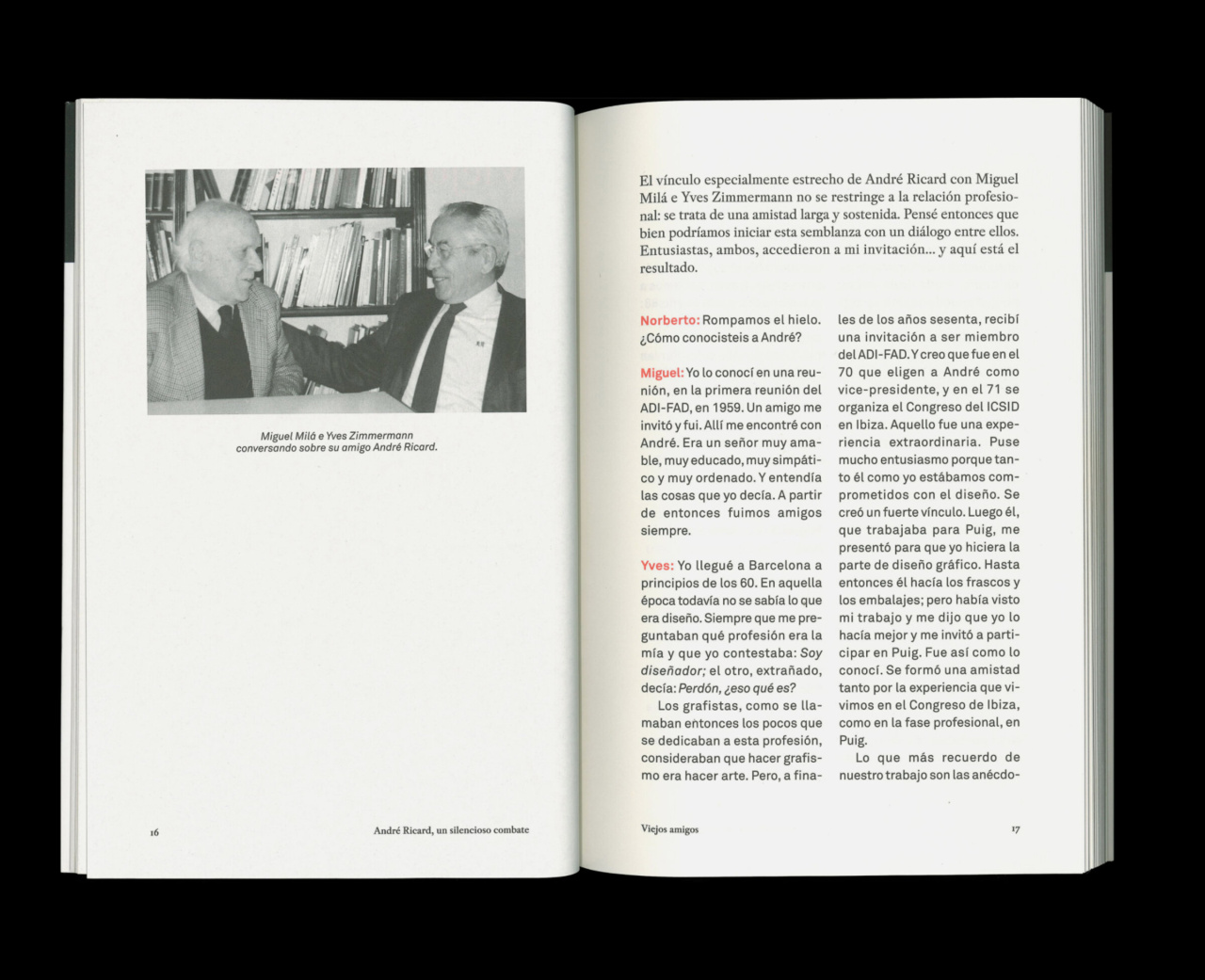
With honesty and austerity, convinced that form (and aesthetics) follow function, Ricard — alongside his contemporary Miguel Milá — revolutionized Spanish design and placed Barcelona on the map as a reference point for modernity. Without grand gestures, without ornament, without imposition — but with a deep sense of reasoned beauty; without ego, without noise, without haste — yet with responsibility and commitment to design and to things well made, always thinking of people and our well-being. The result is a body of work that has not gone out of style and today forms part of our collective imagination.
As simple (and as difficult) as this: the ethics of design.