
Federico Correa

Dibujo
Federico Correa, 1972
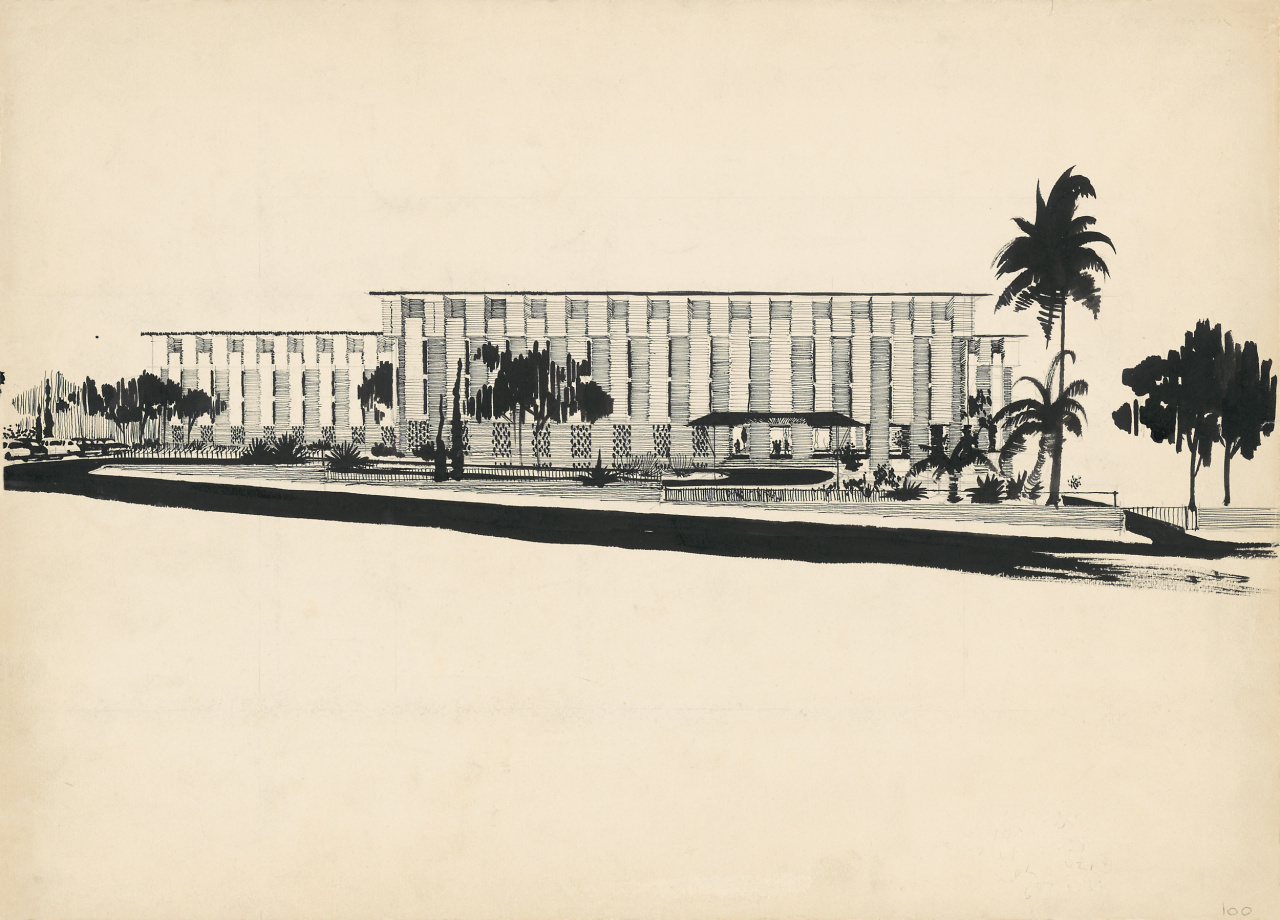
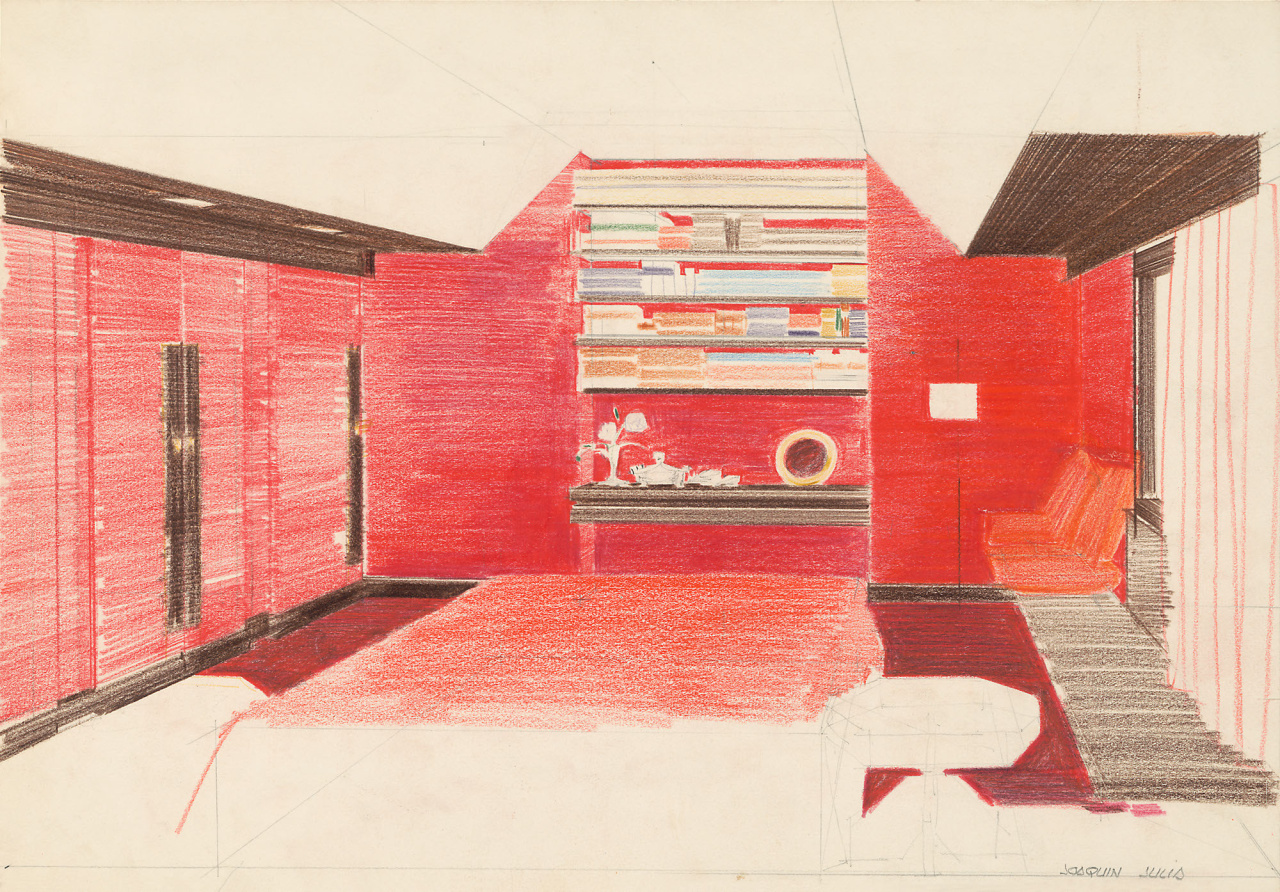
Born in Barcelona in 1924, Federico Correa spent part of his childhood in the Philippines and two years in the United Kingdom during the Spanish Civil War, where he learned English and developed a cosmopolitan outlook—uncommon under Franco’s regime. Back in his hometown, he earned his degree at ETSAB, studying under masters such as Jujol and Ràfols, and would later become one of the school’s most memorable professors. It was there that he deepened his civic awareness: “If architecture is not a service to society, it is despicable,” he claimed.
That public vocation coexisted with a provocative, refined personality. Always impeccably dressed—in butane-colored shirts or turquoise gloves—Correa cultivated the persona of a sharp, singular intellectual dandy.
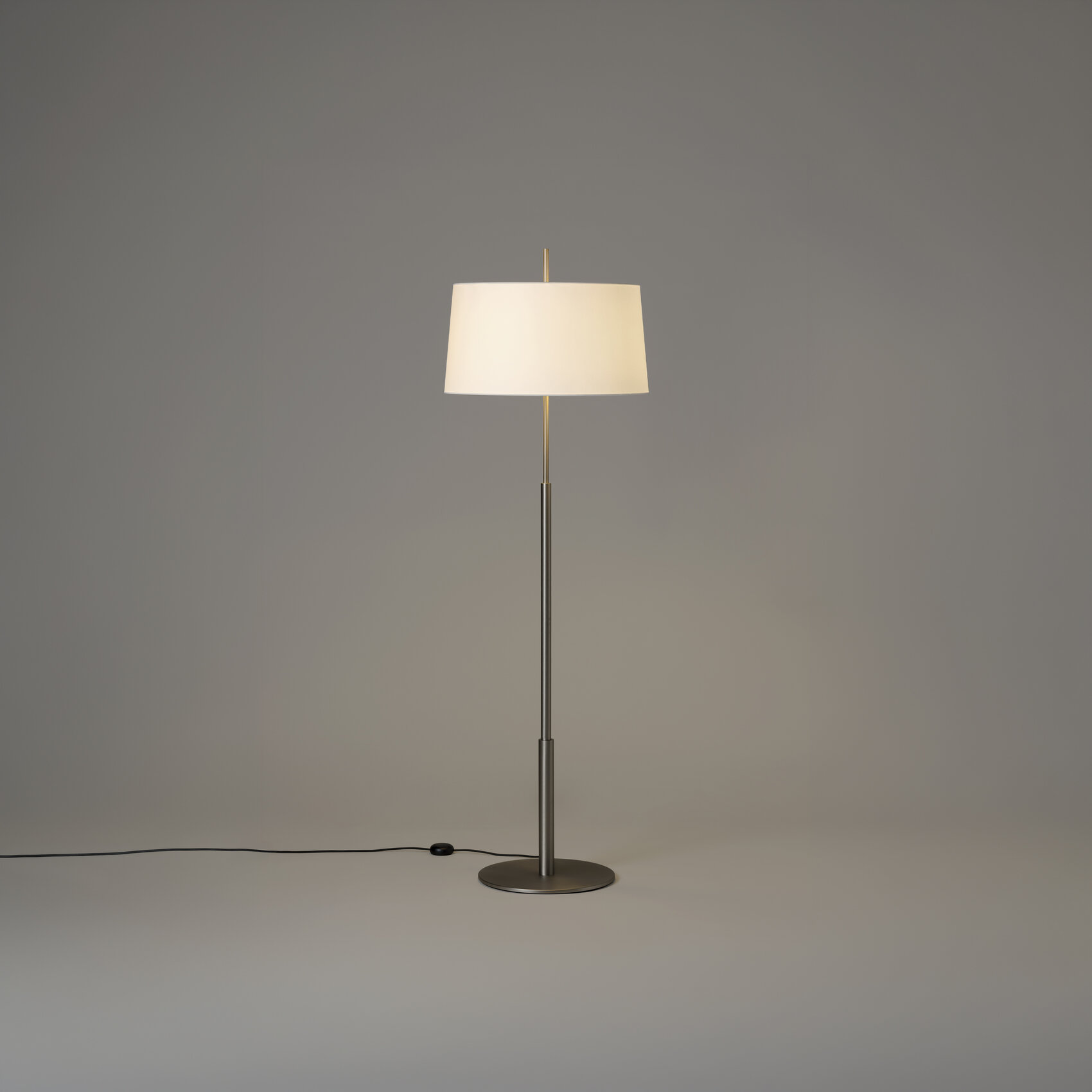
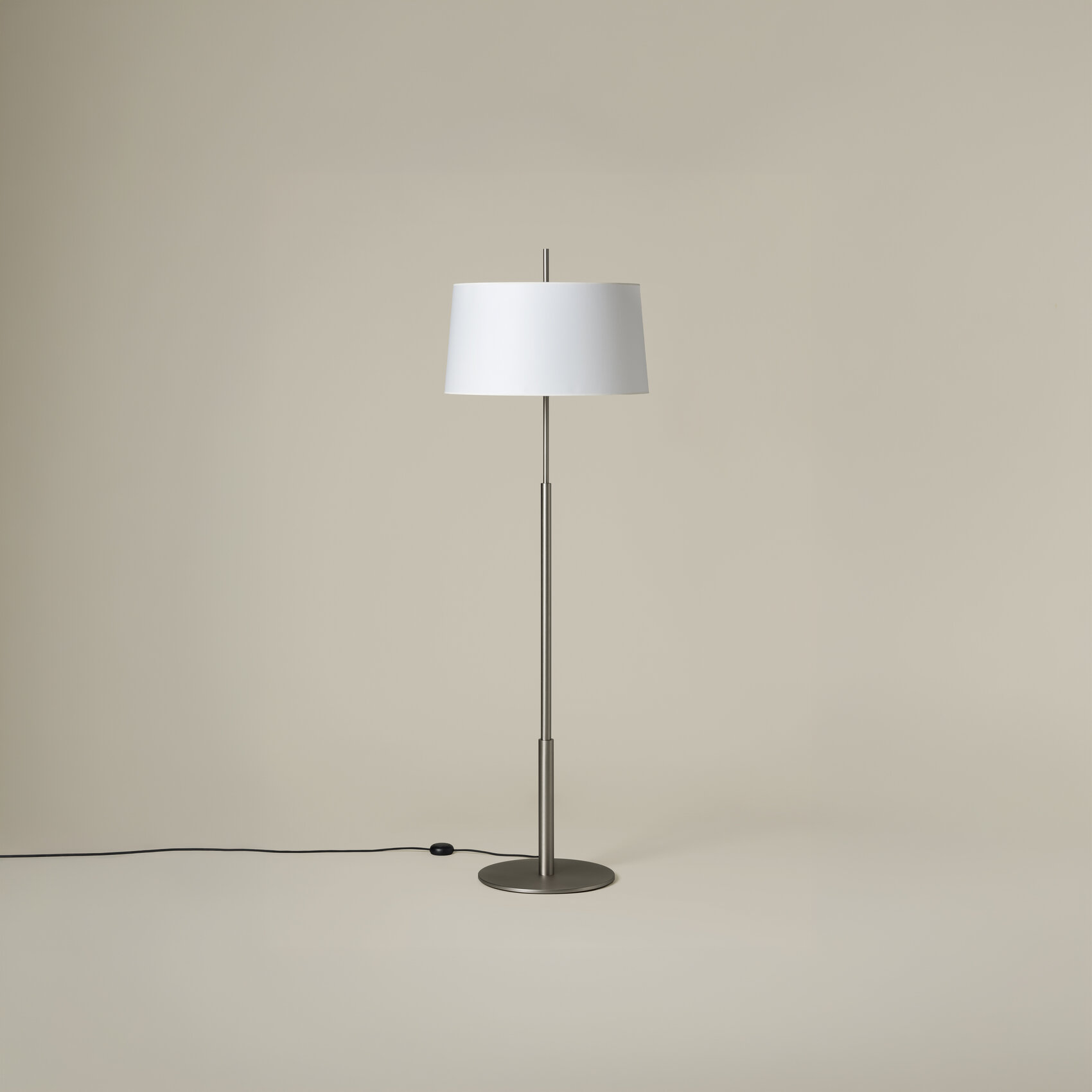
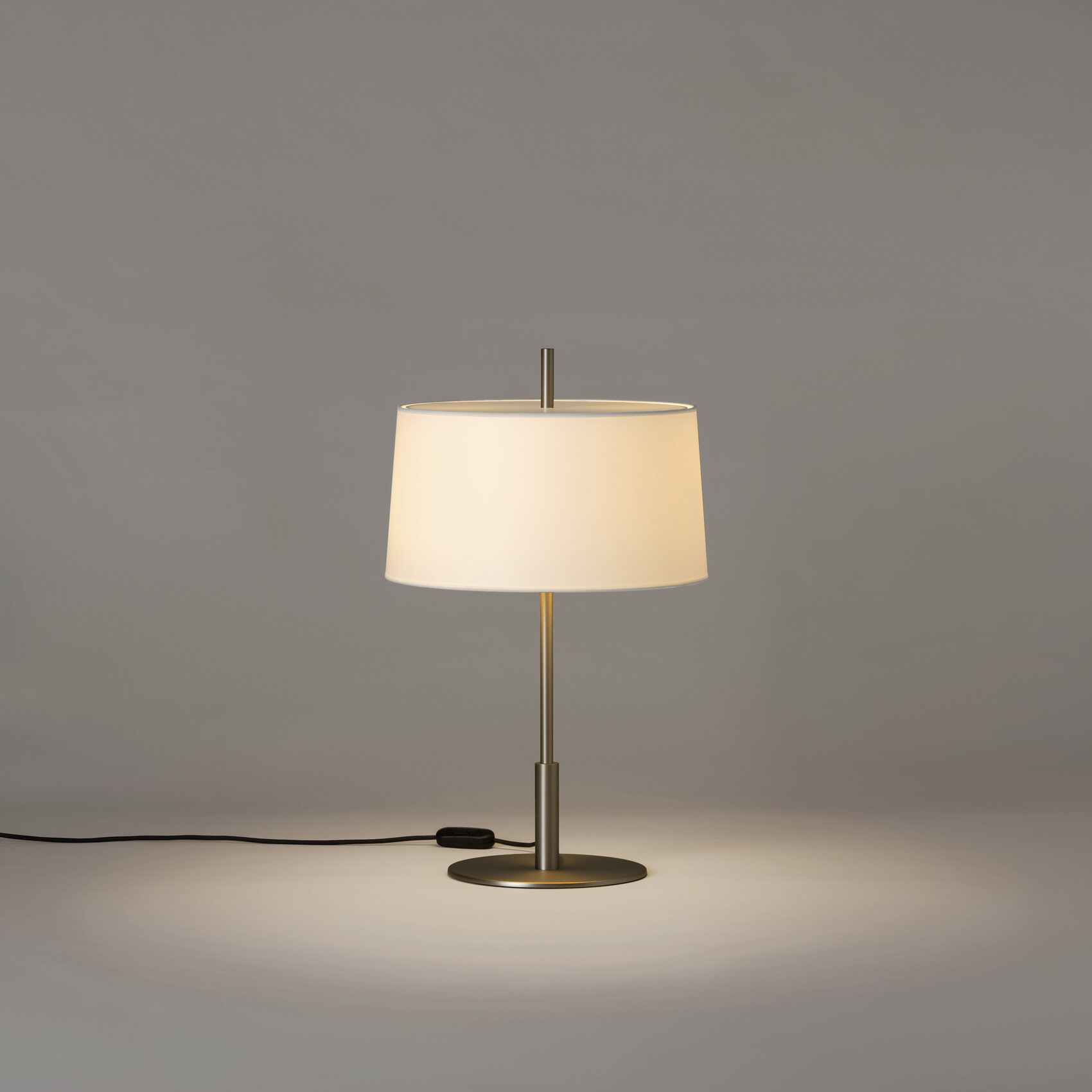
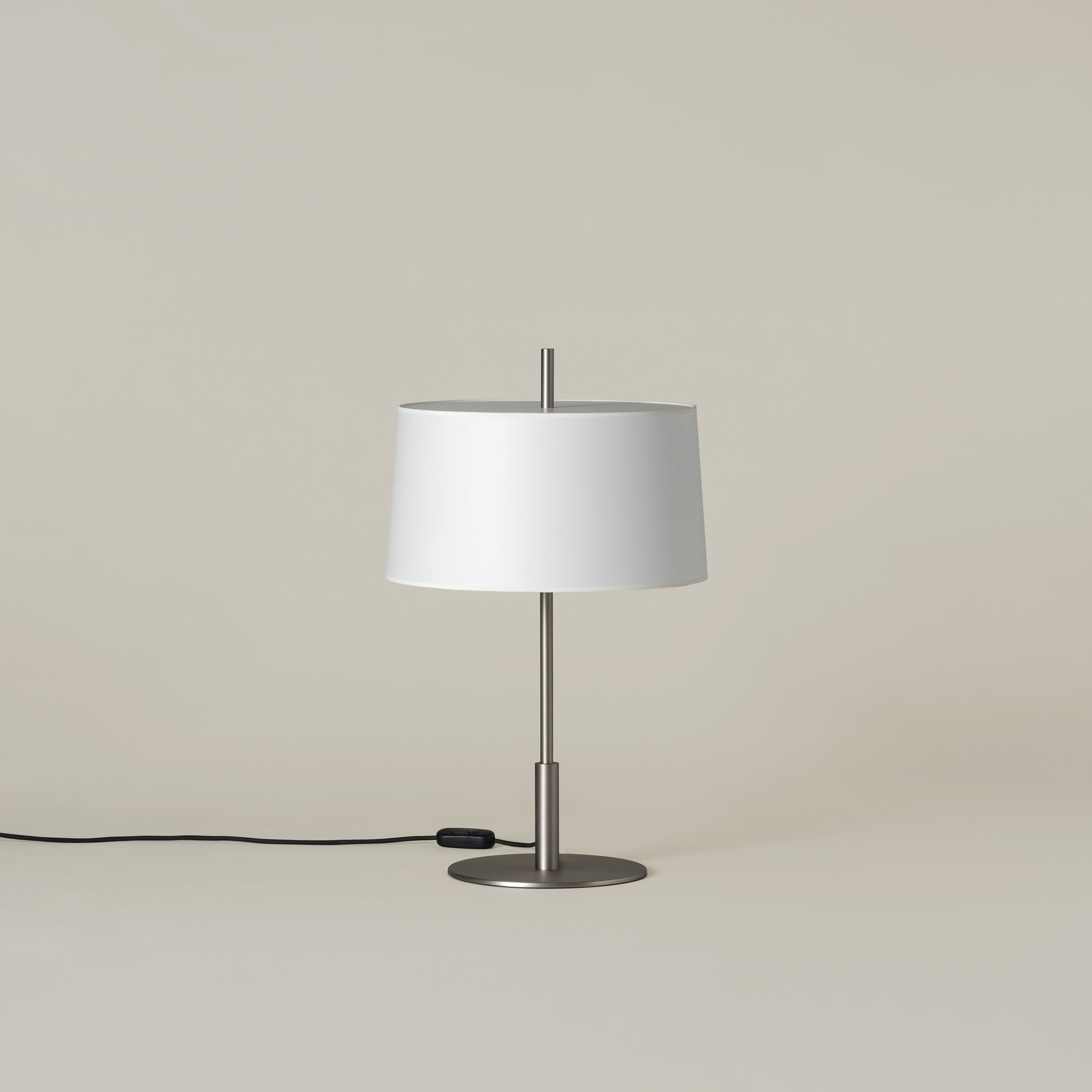
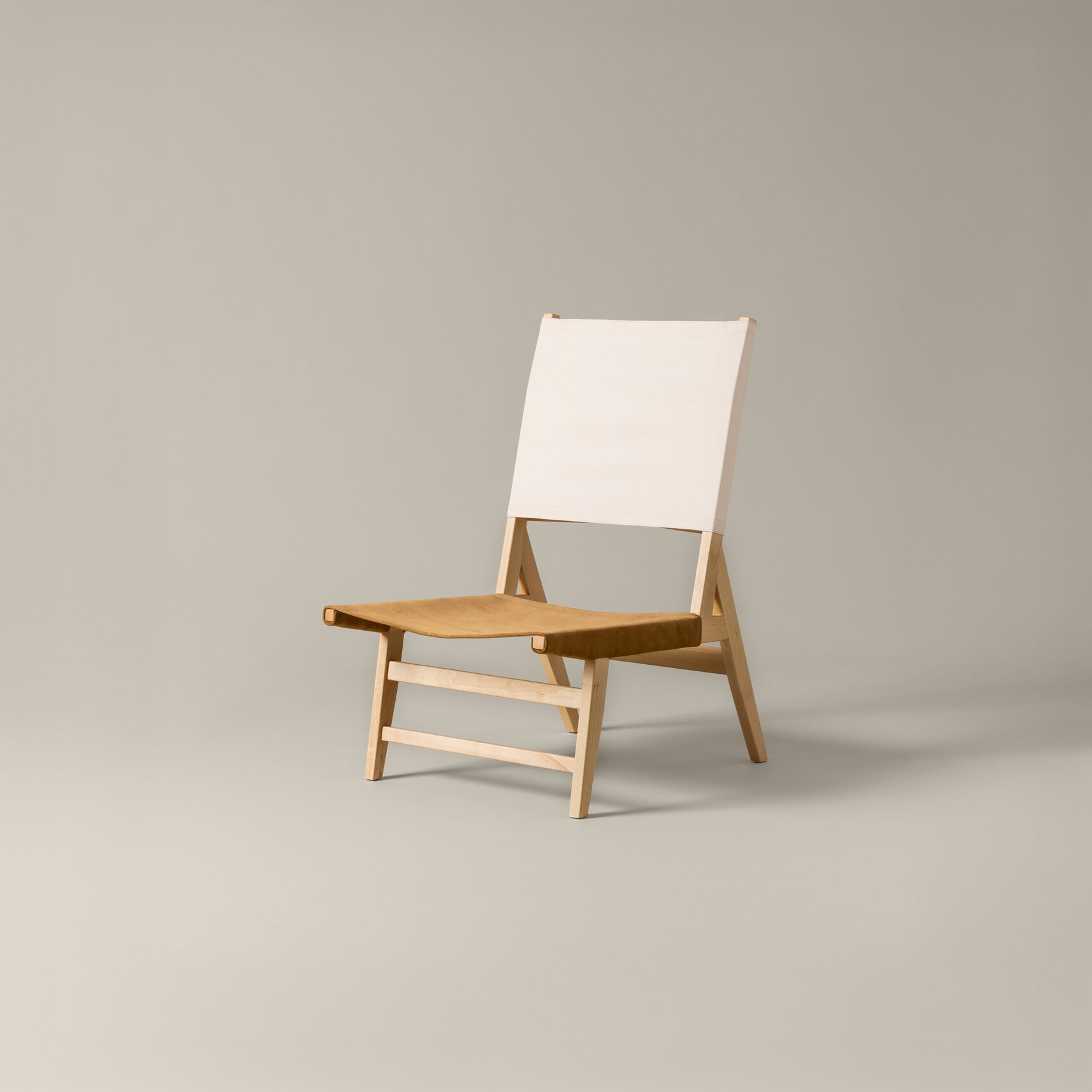
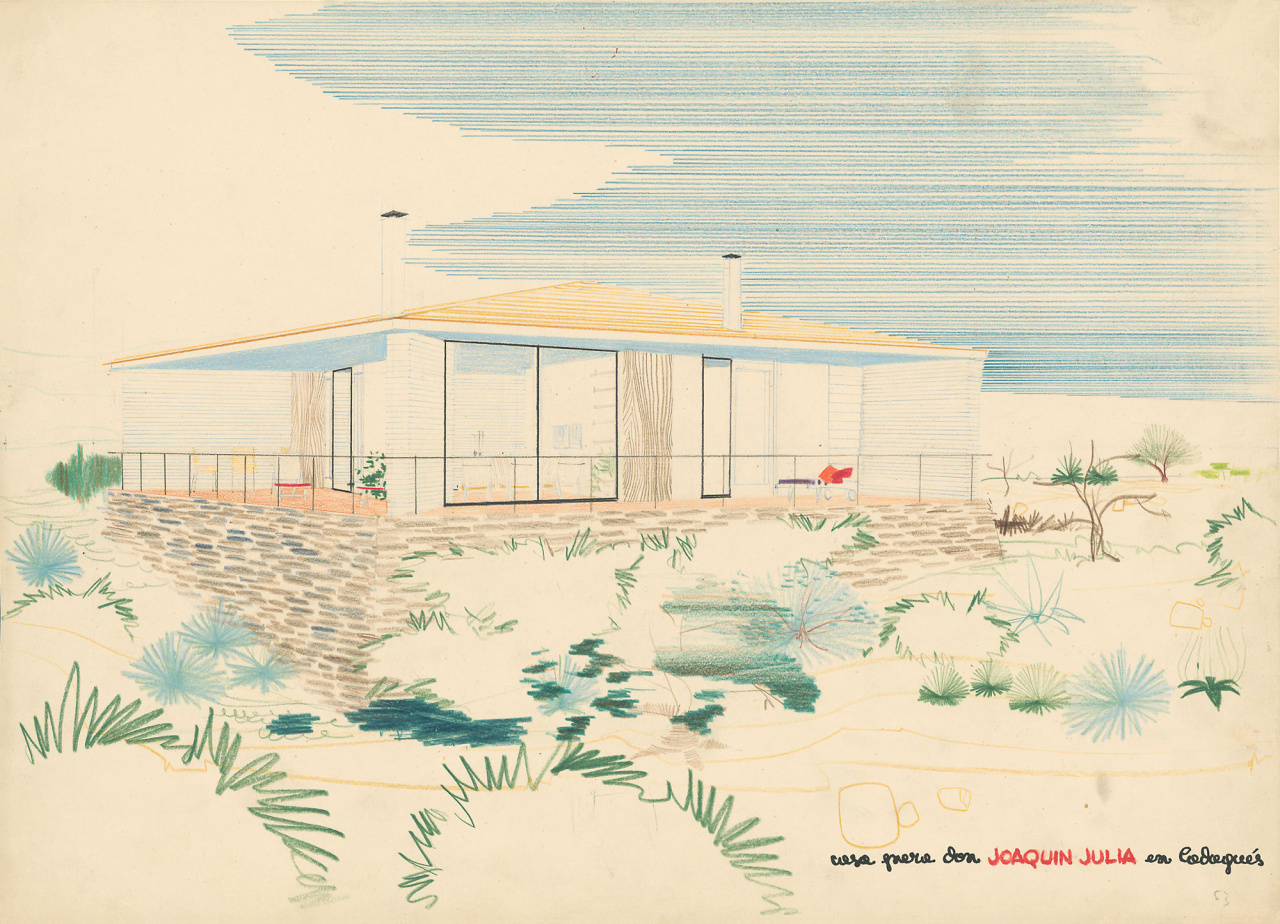
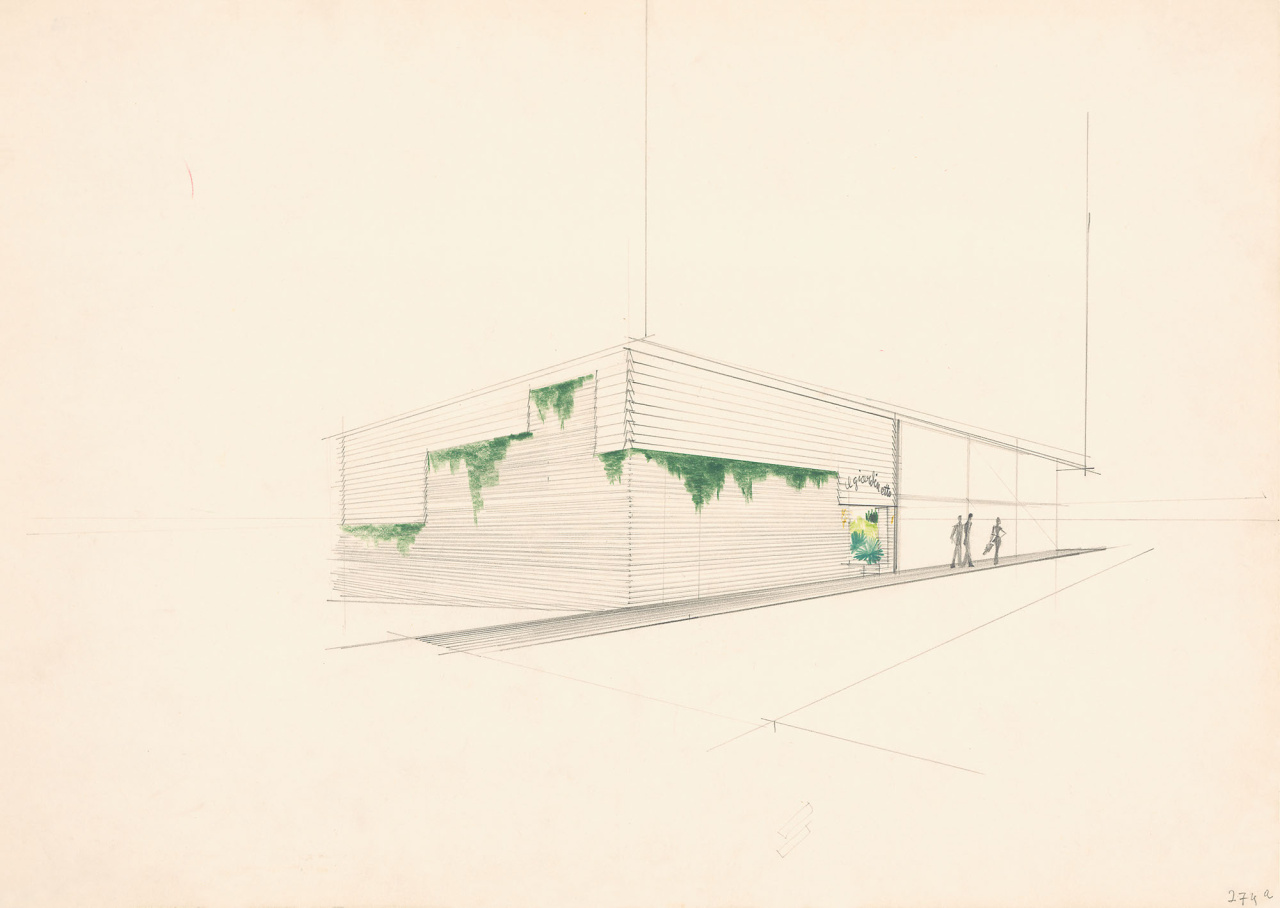
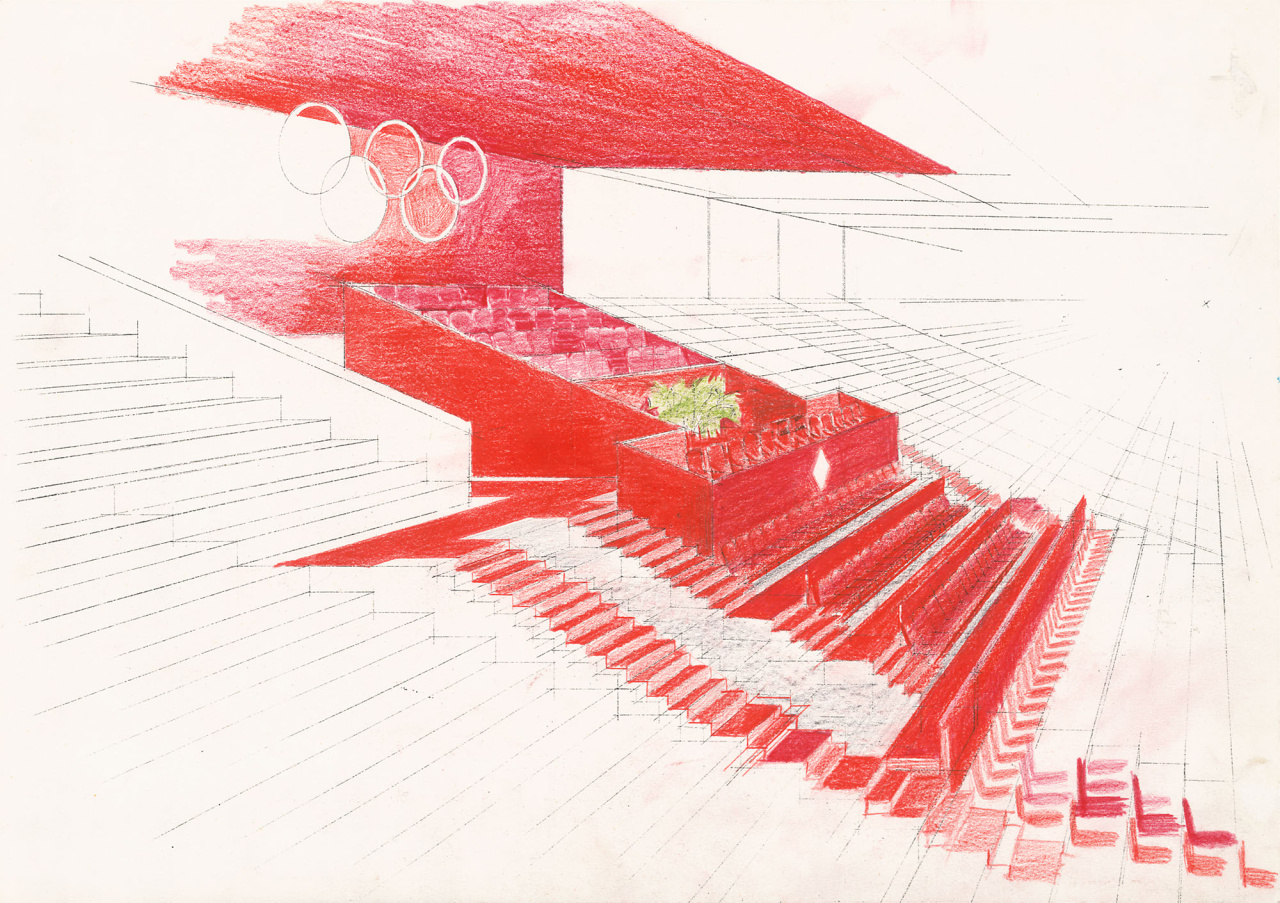
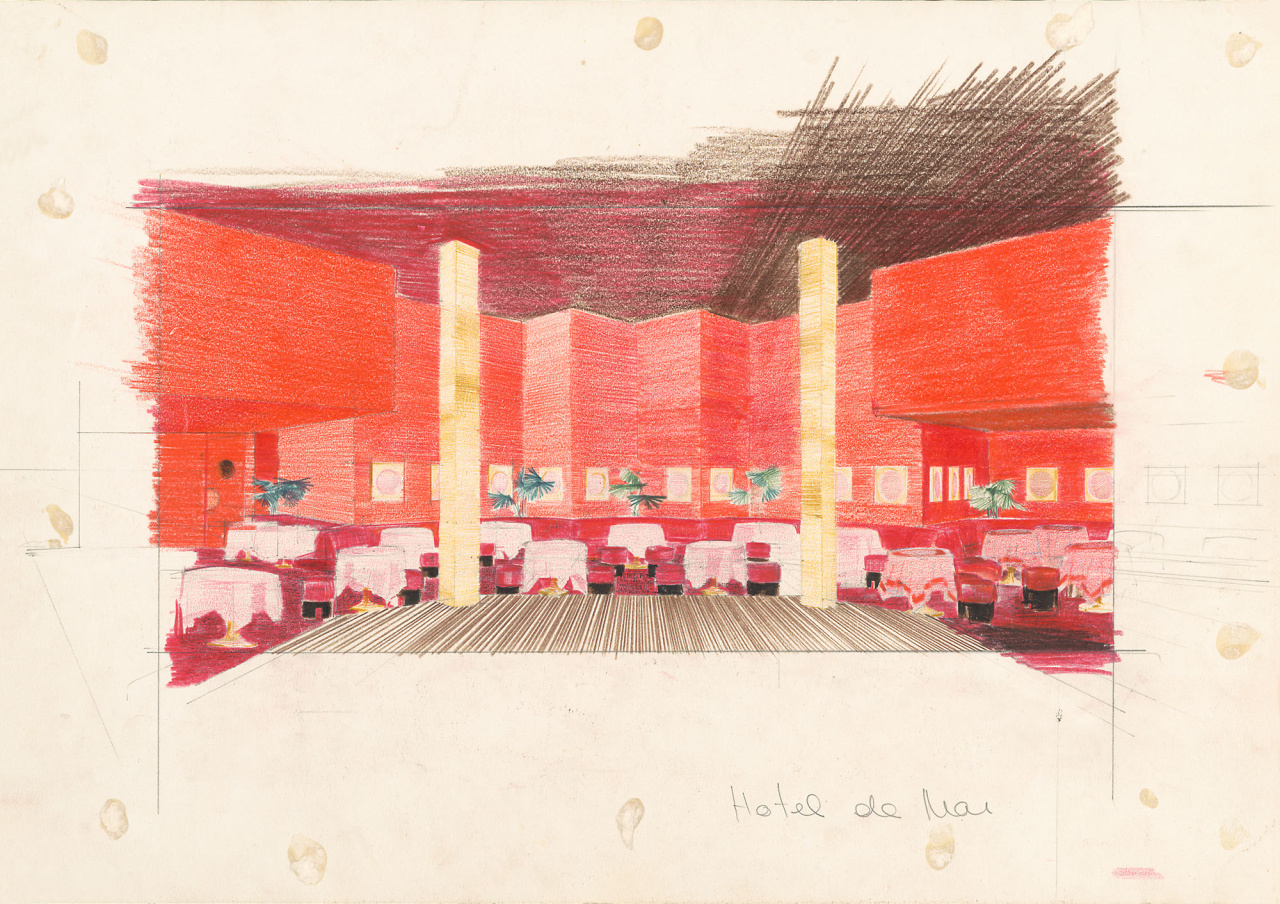
In the late 1940s, he joined the studio of José Antonio Coderch, where he crossed paths with his childhood friend Alfonso Milá. Together they designed the Barceloneta armchair (1953), their first joint project and the beginning of a long-standing partnership. Soon after, they opened their own studio, from which they would sign some of the key works of Barcelona’s modern era: the Casa Villavecchia in Cadaqués, the restaurants Flash-Flash and Il Giardinetto, or the renovation of Plaça Reial—projects that cemented a professional bond so deep their names became inseparable. According to Correa, the high point of their career came with the Olympic Ring of Montjuïc (1984).
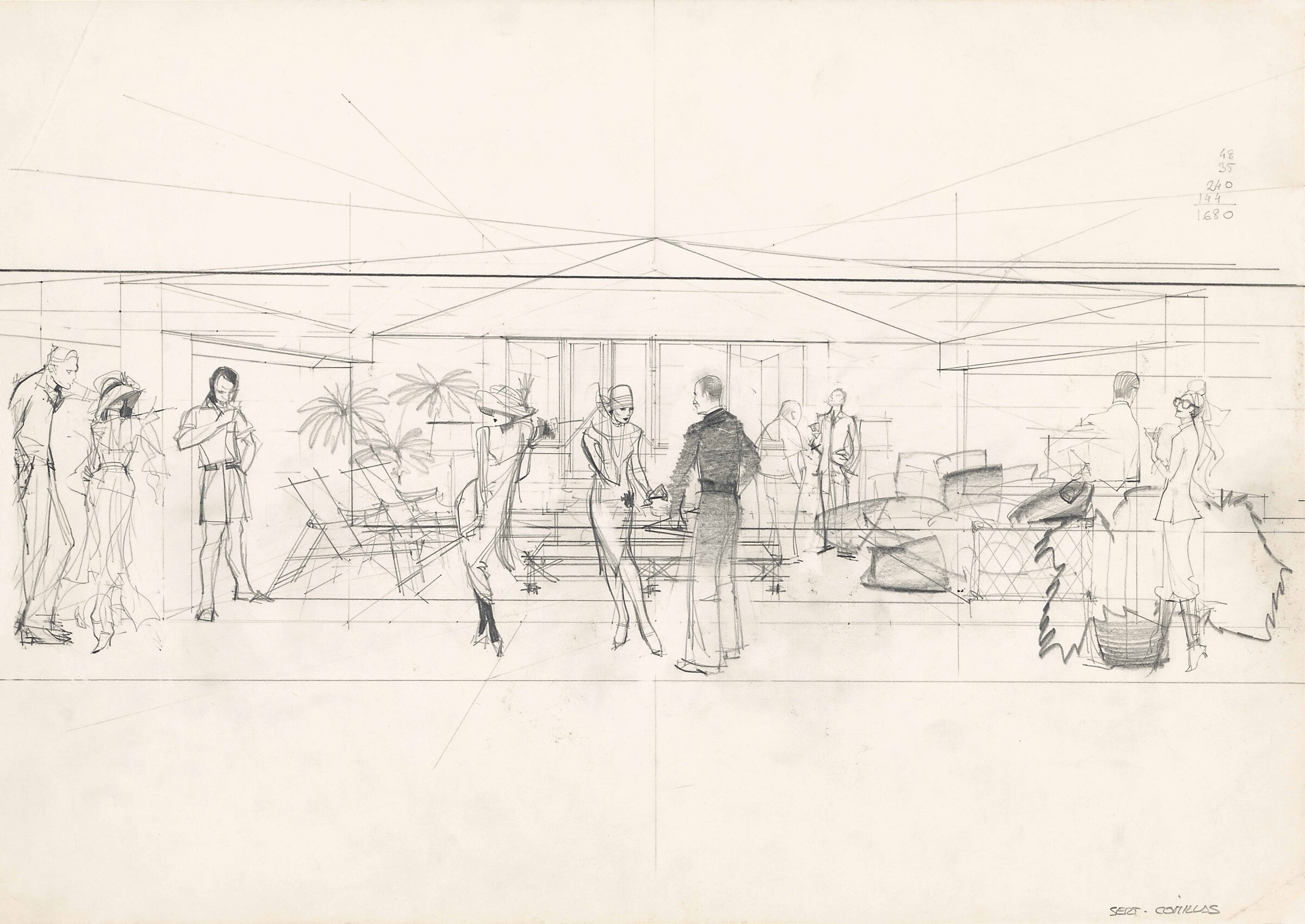
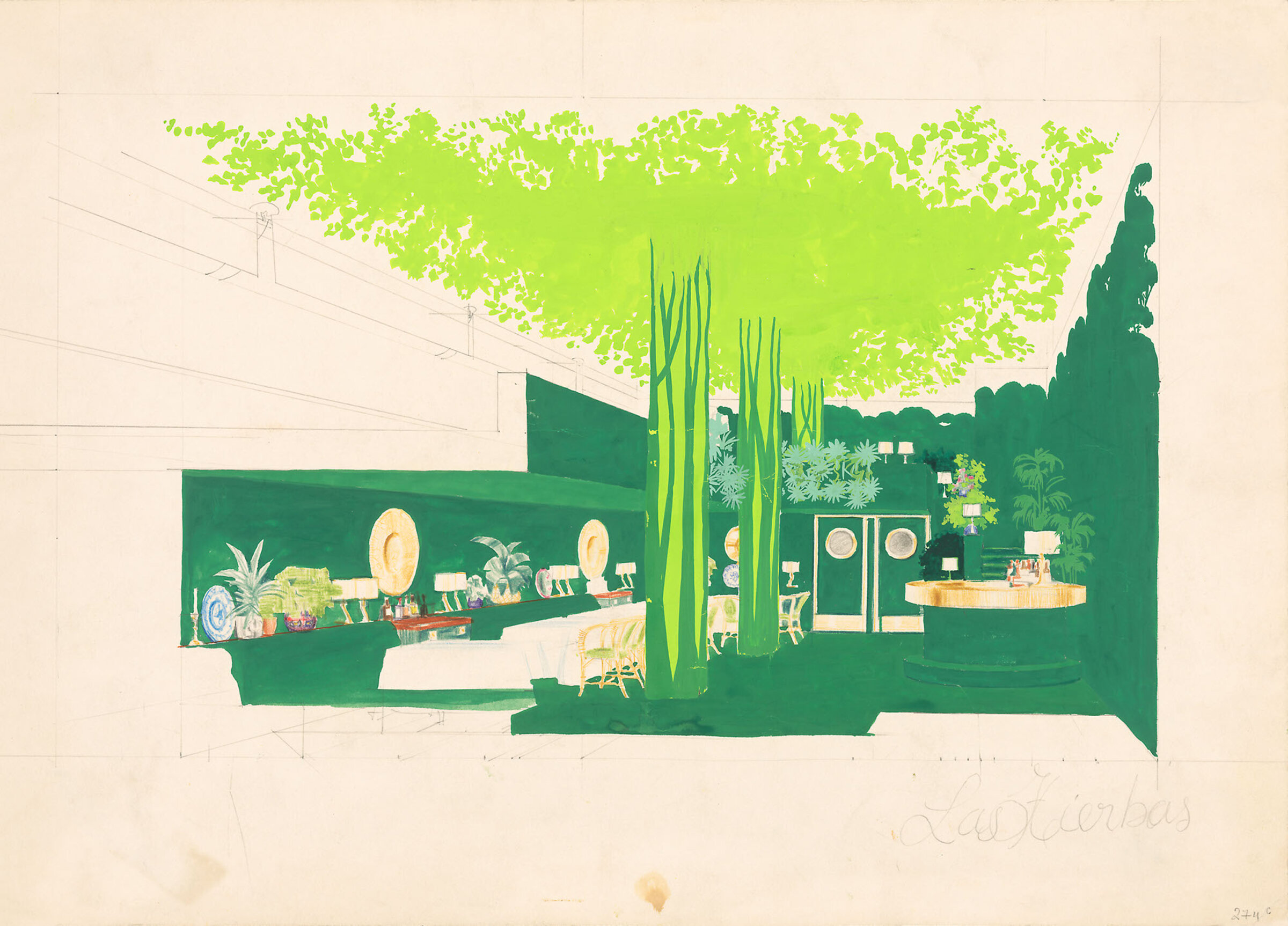
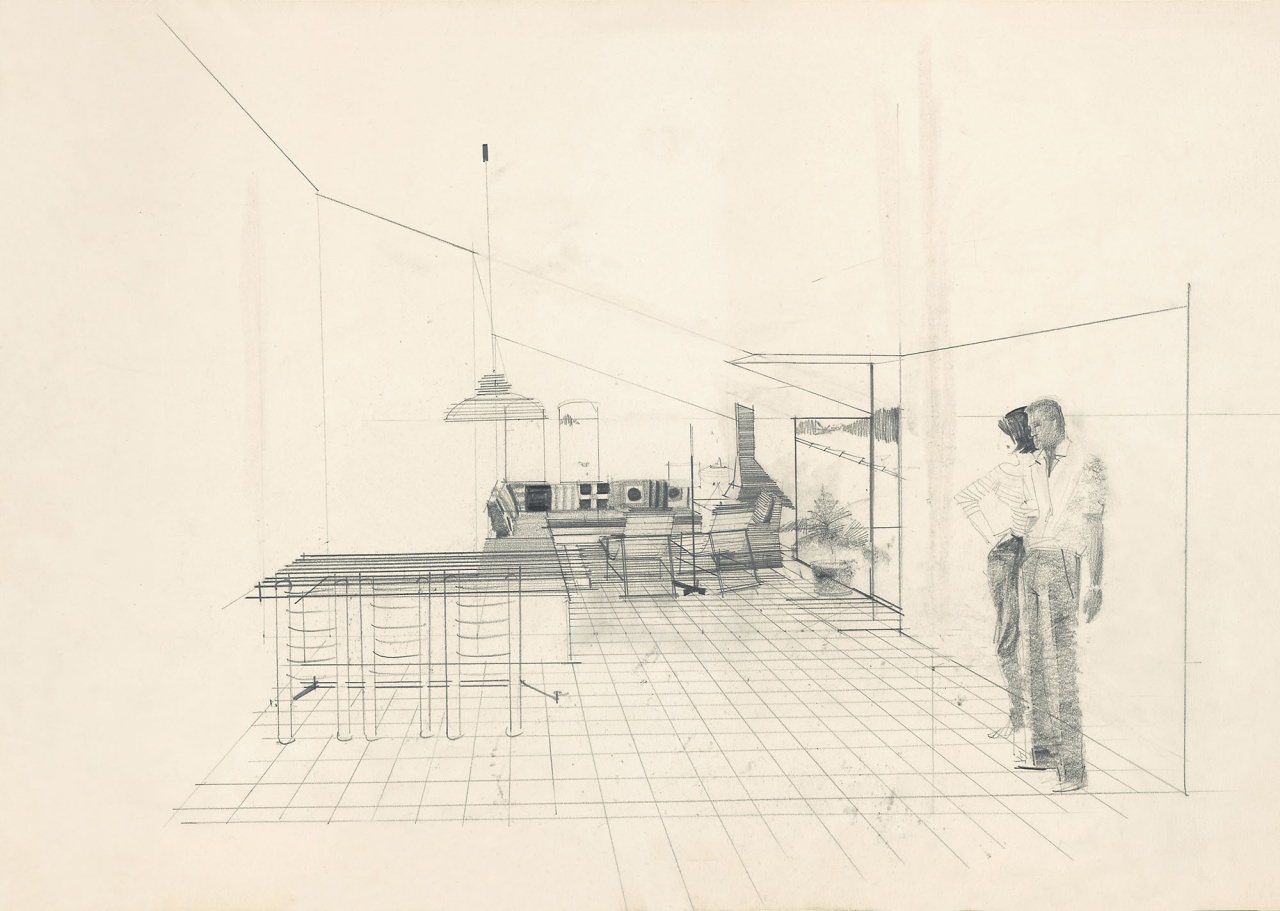
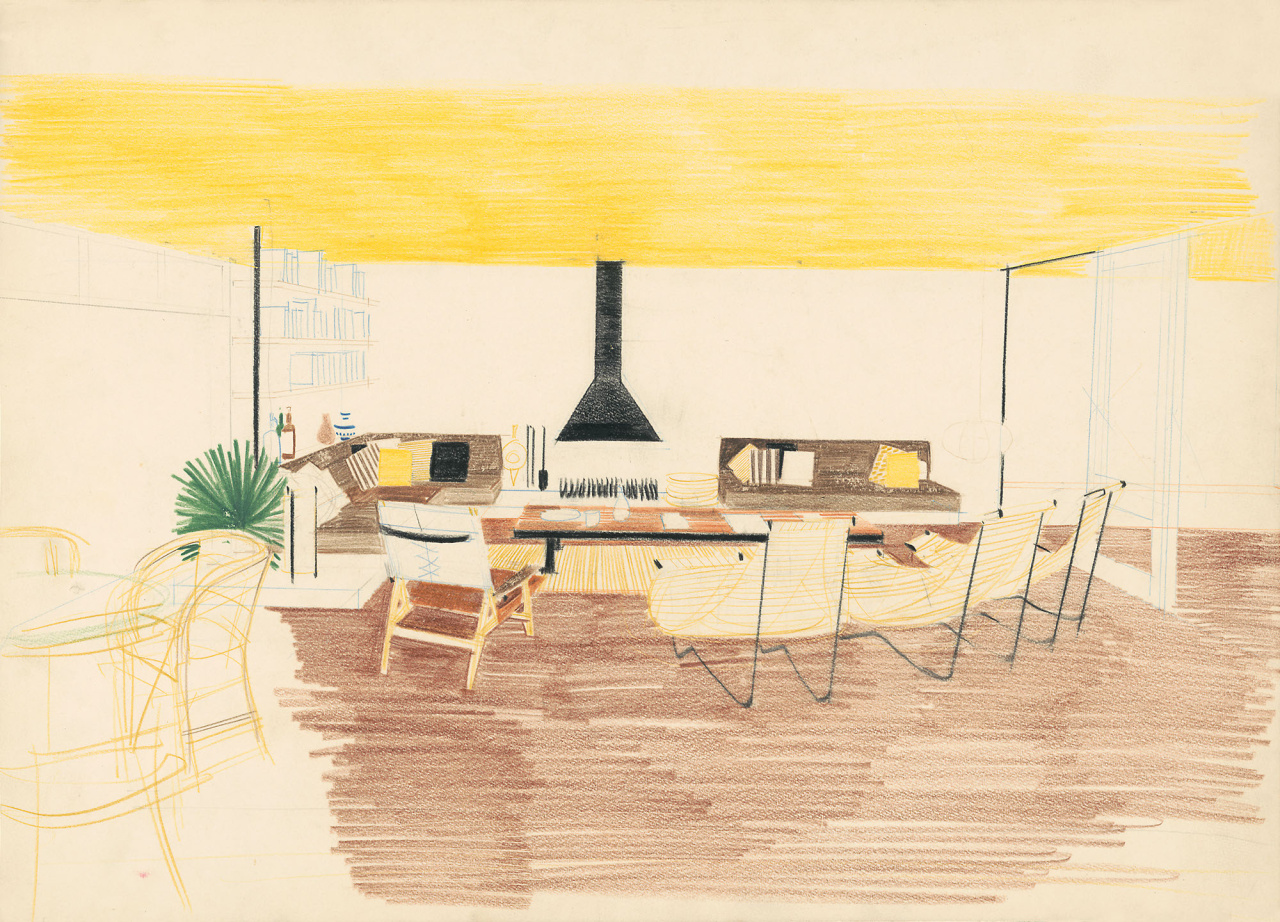
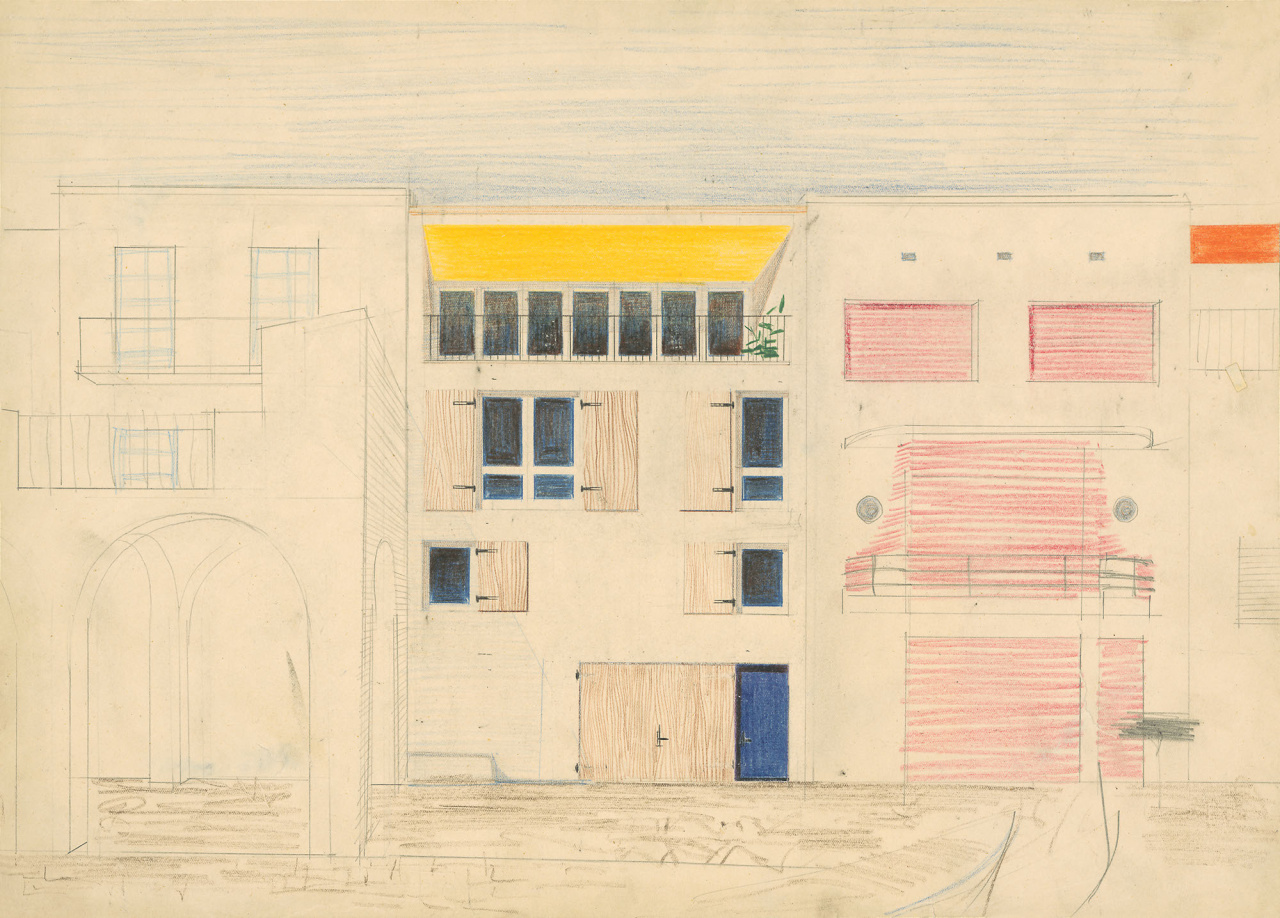
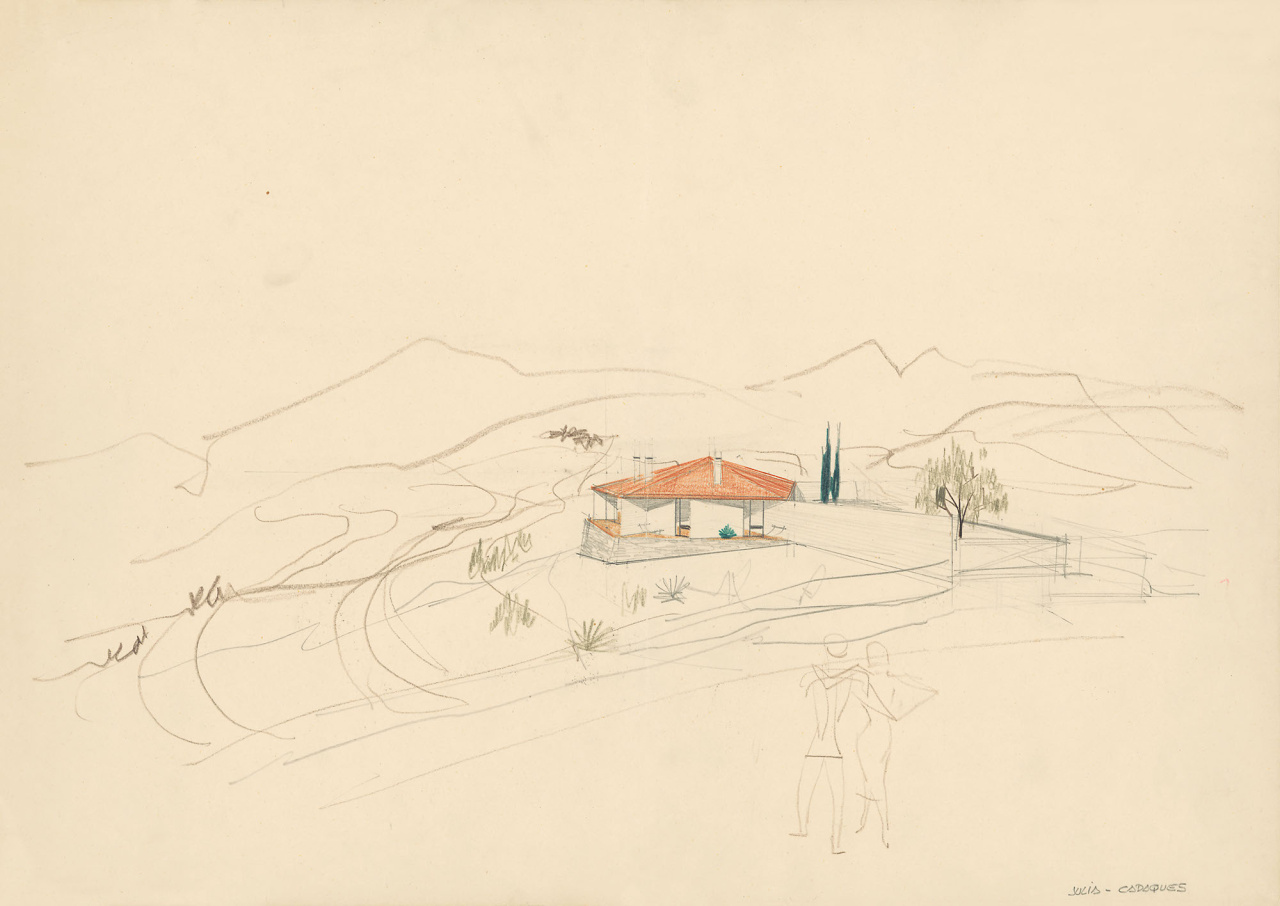
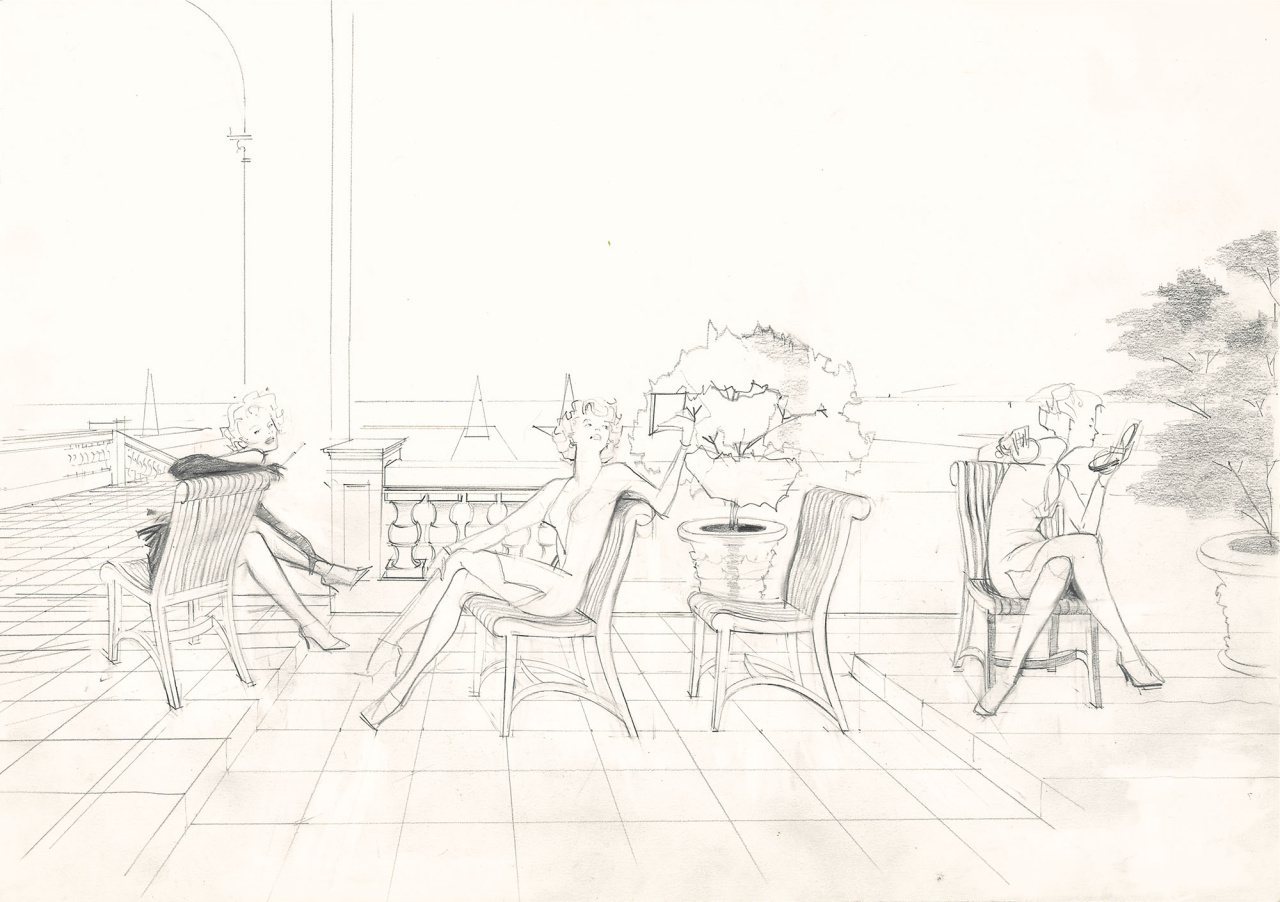
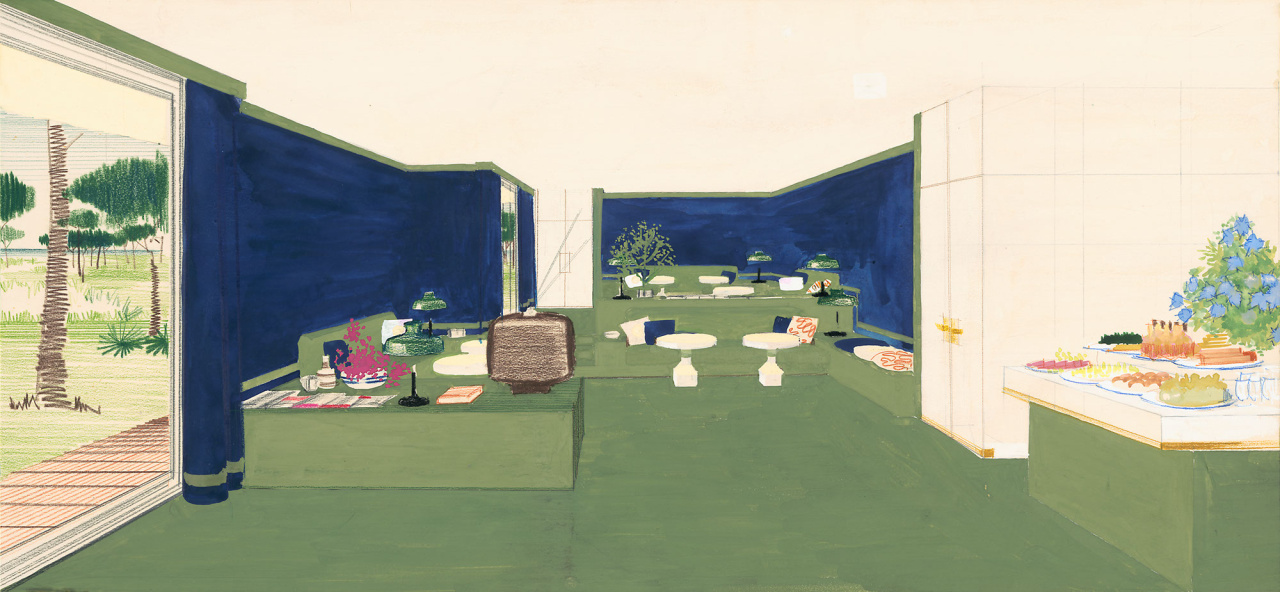
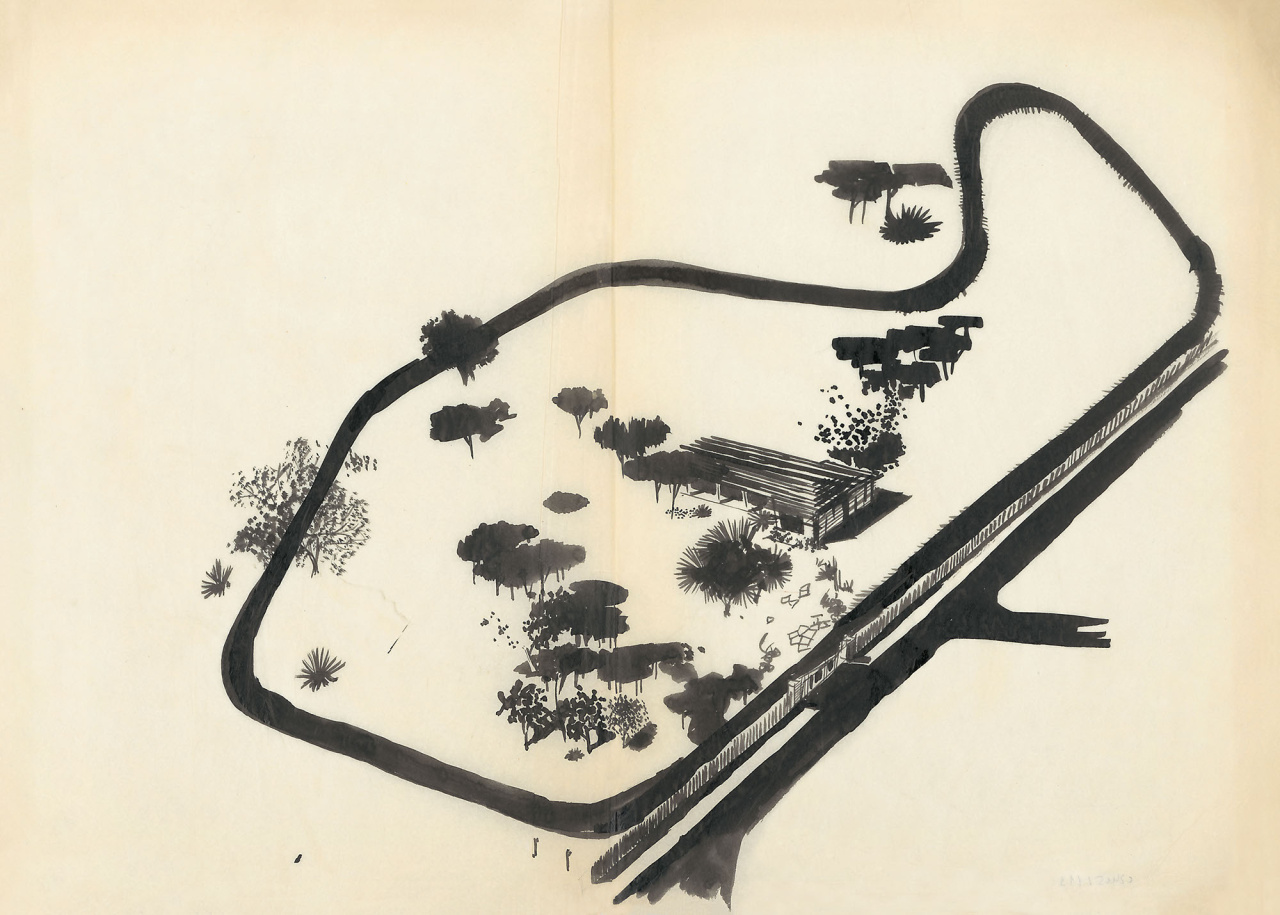
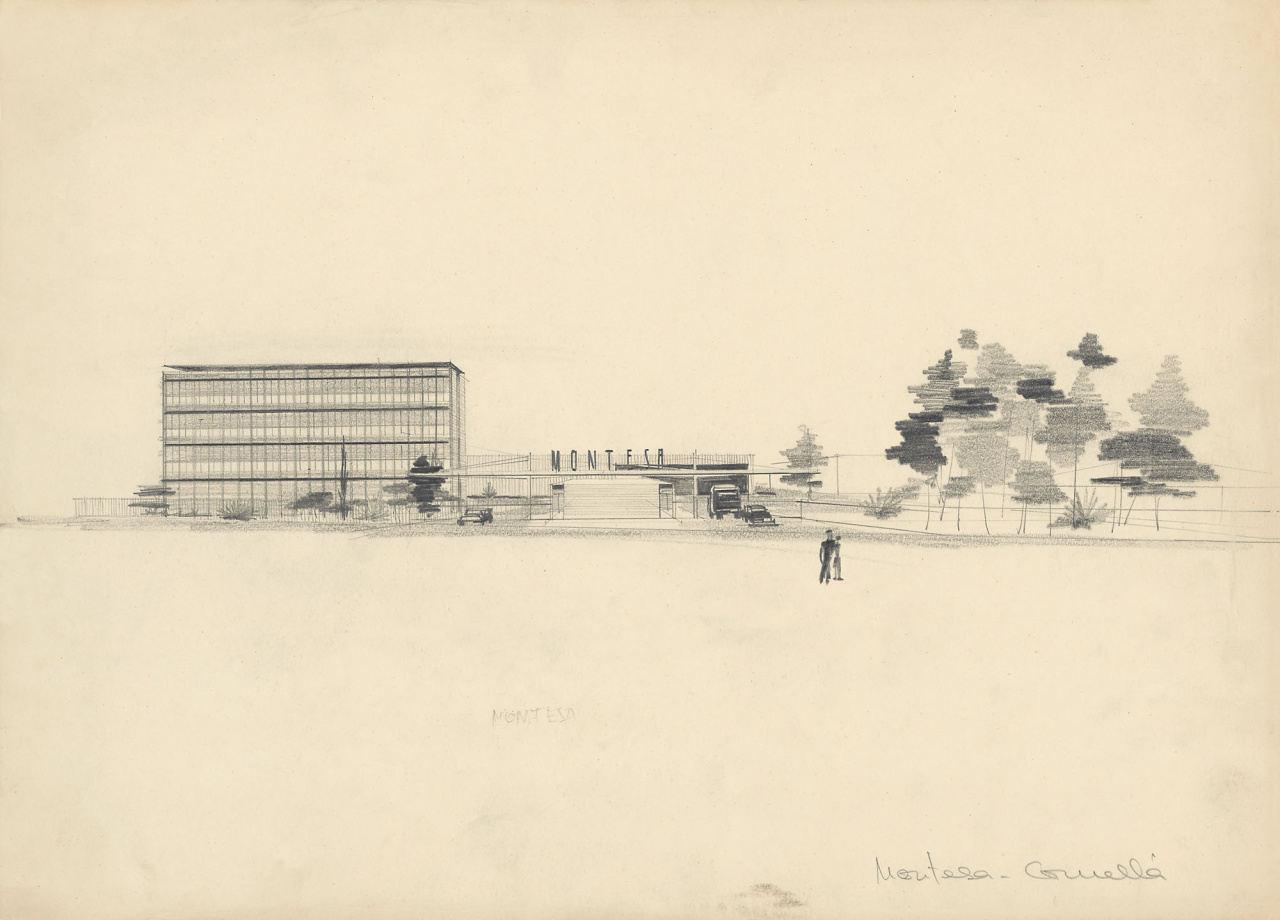
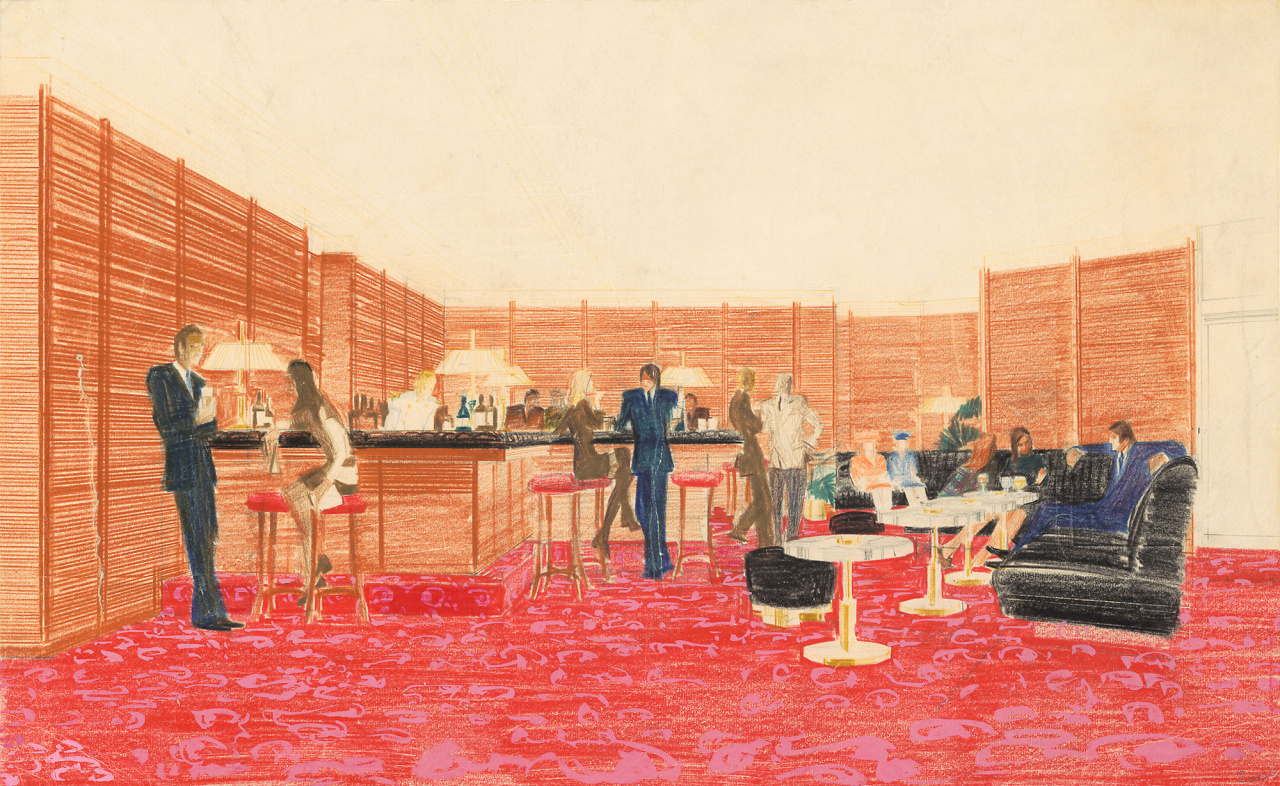
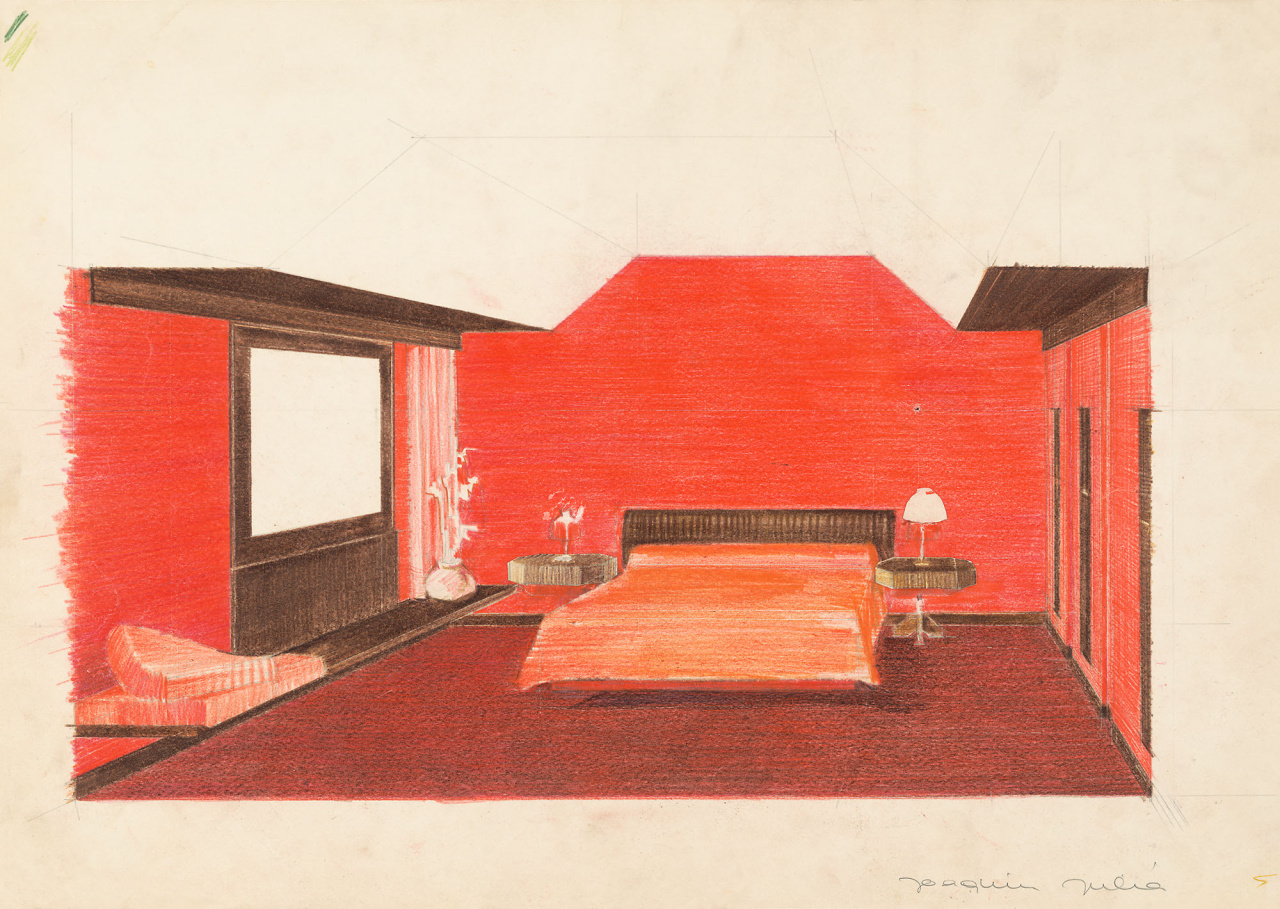
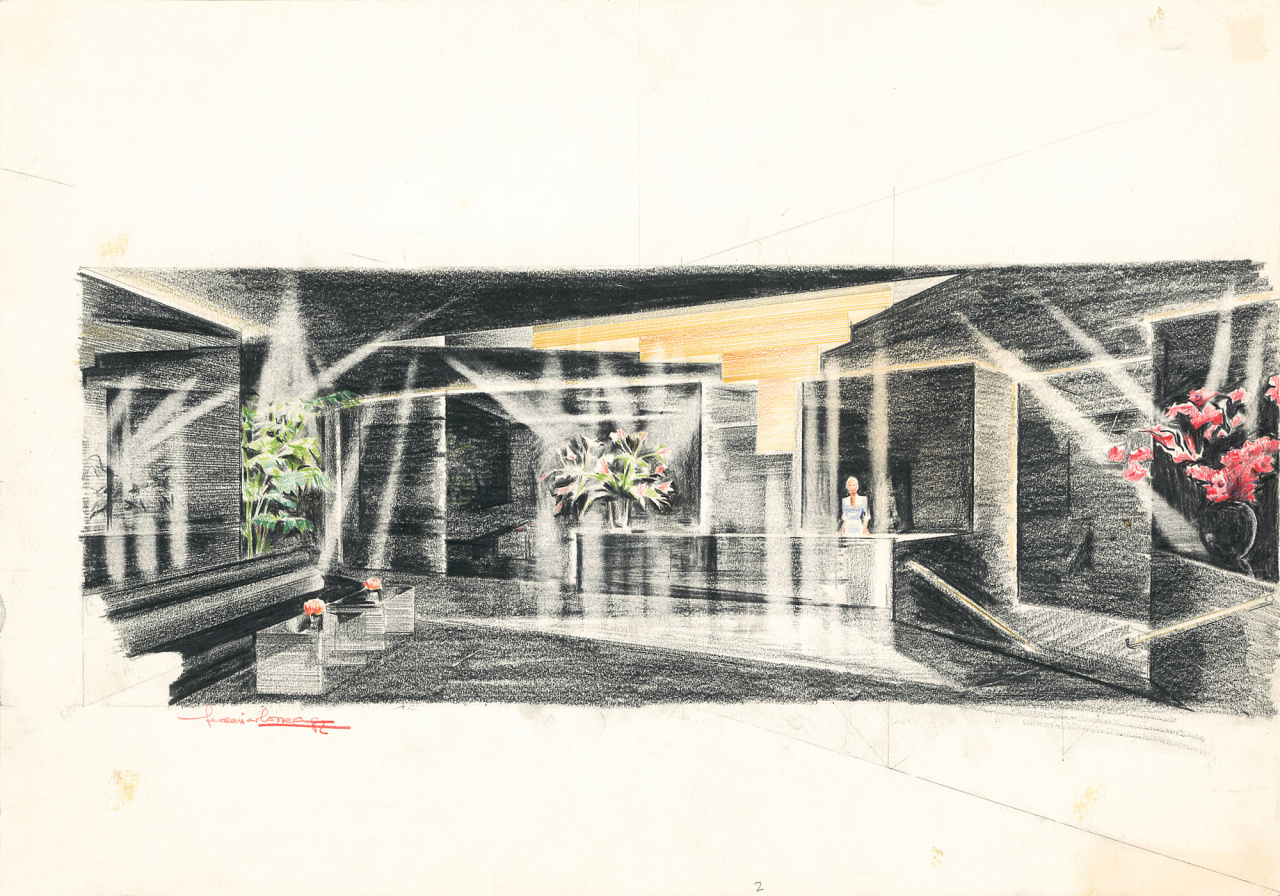
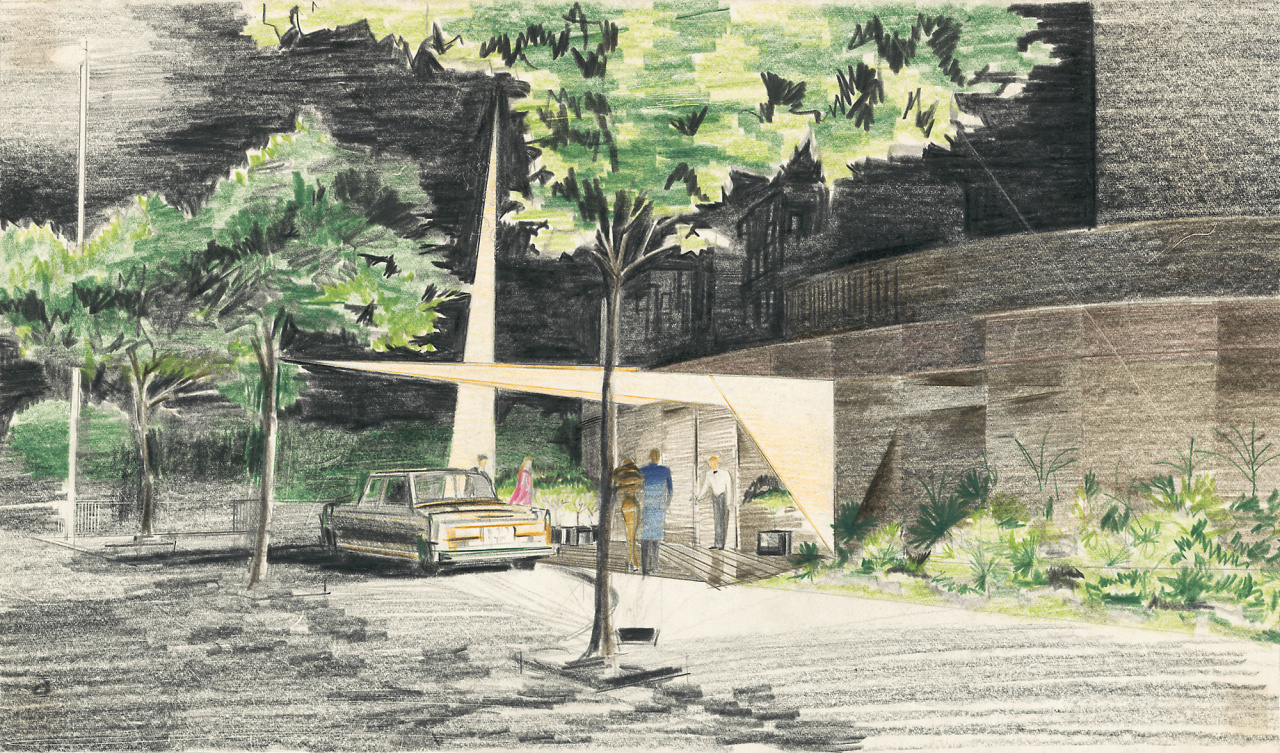
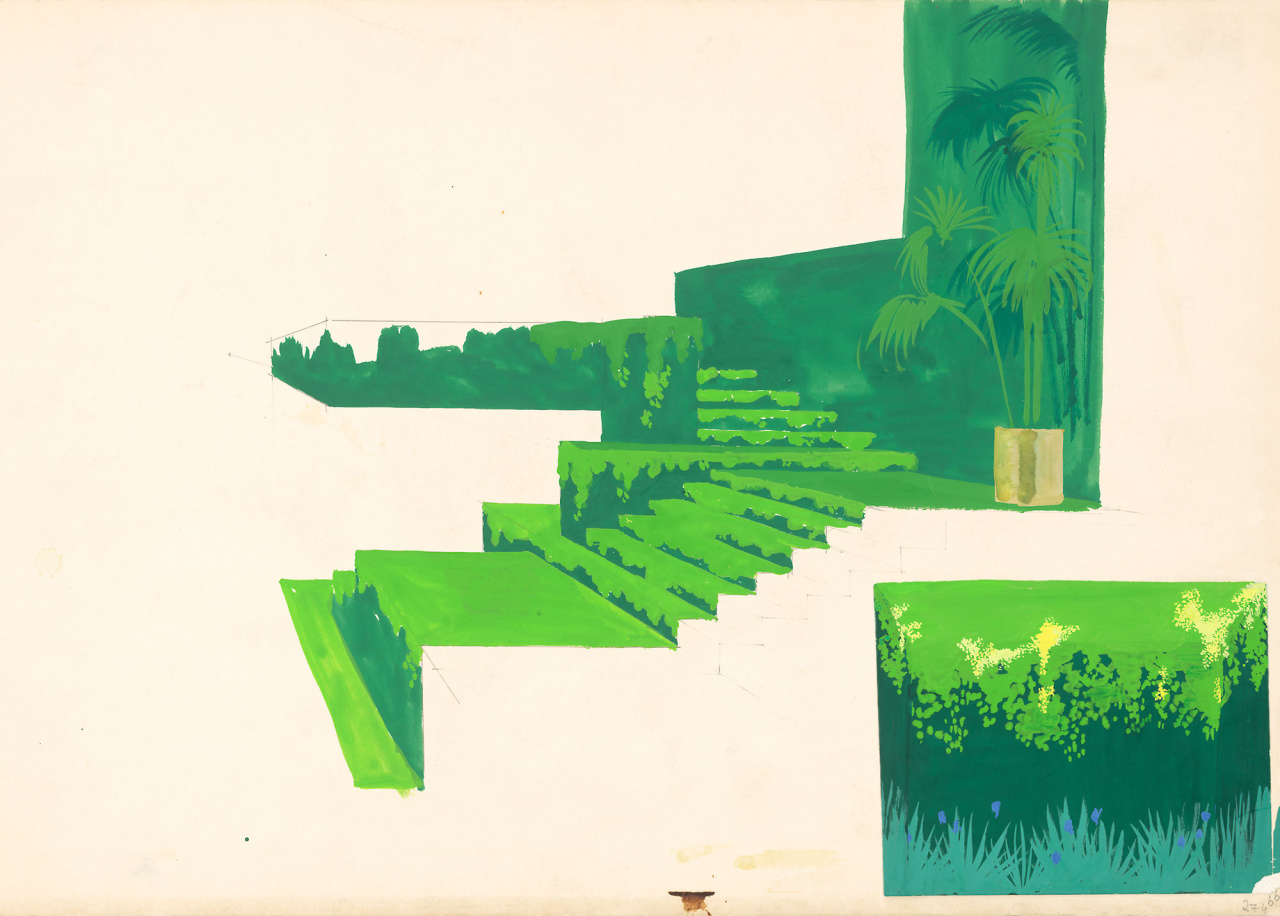
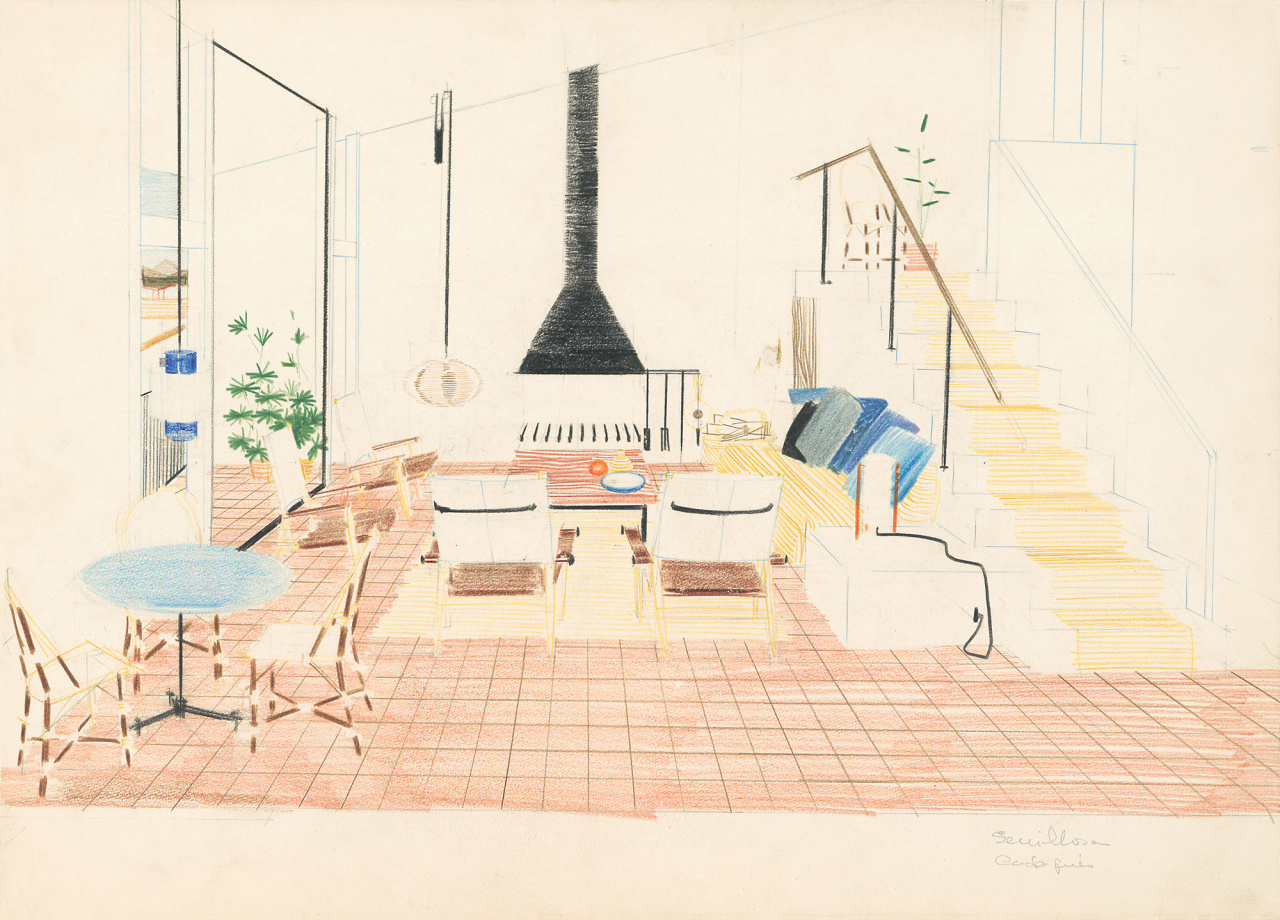
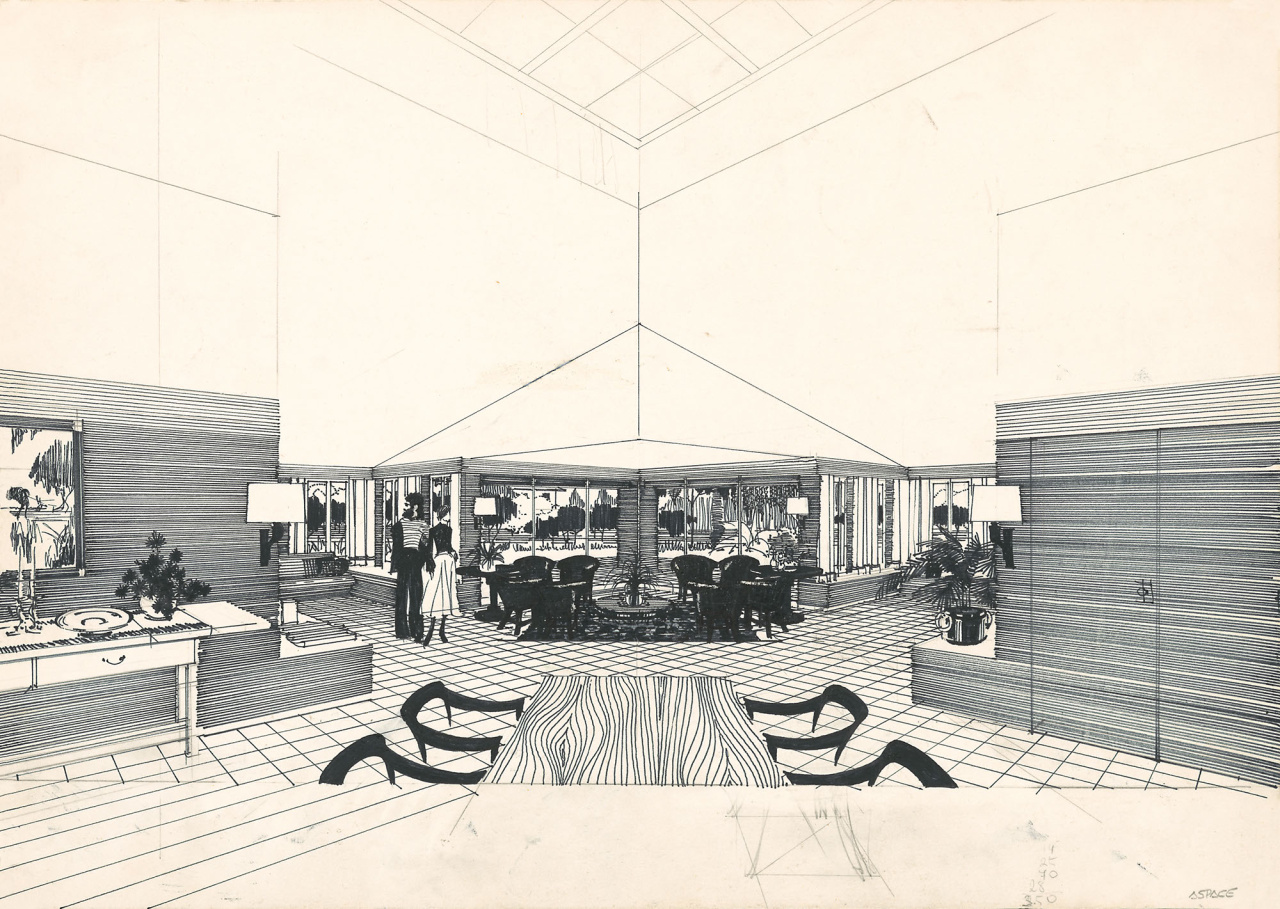
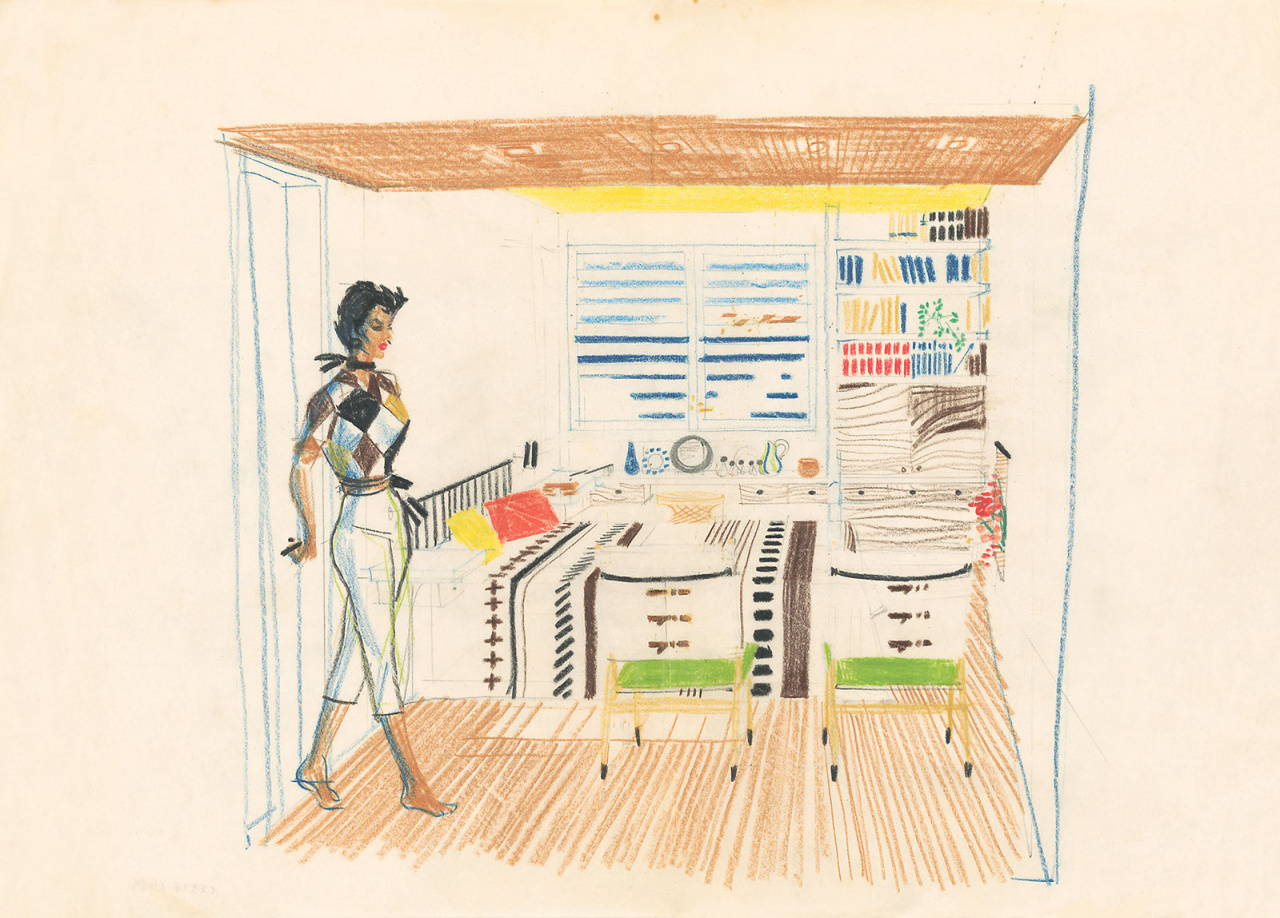
Beyond his work as an architect and designer, Correa was also a meticulous draftsman, with a hand as precise as it was expressive. He typically depicted his projects in perspective, with clean, confident strokes that made the space intelligible at a glance. These drawings were not merely tools—they were a way of thinking. They revealed the internal logic of the architecture, but also its poetics. Part of this graphic legacy has been recovered and published as Neoseries by Santa & Cole, which presents a selection of his drawings as a testament to his unique way of seeing and designing.
see authors of design editions, art editions and book editions