La Nave
Celebrating the Technical while Crafting a Home
A chronicle by Rocío Ley, with photographs by Adrià Cañameras.
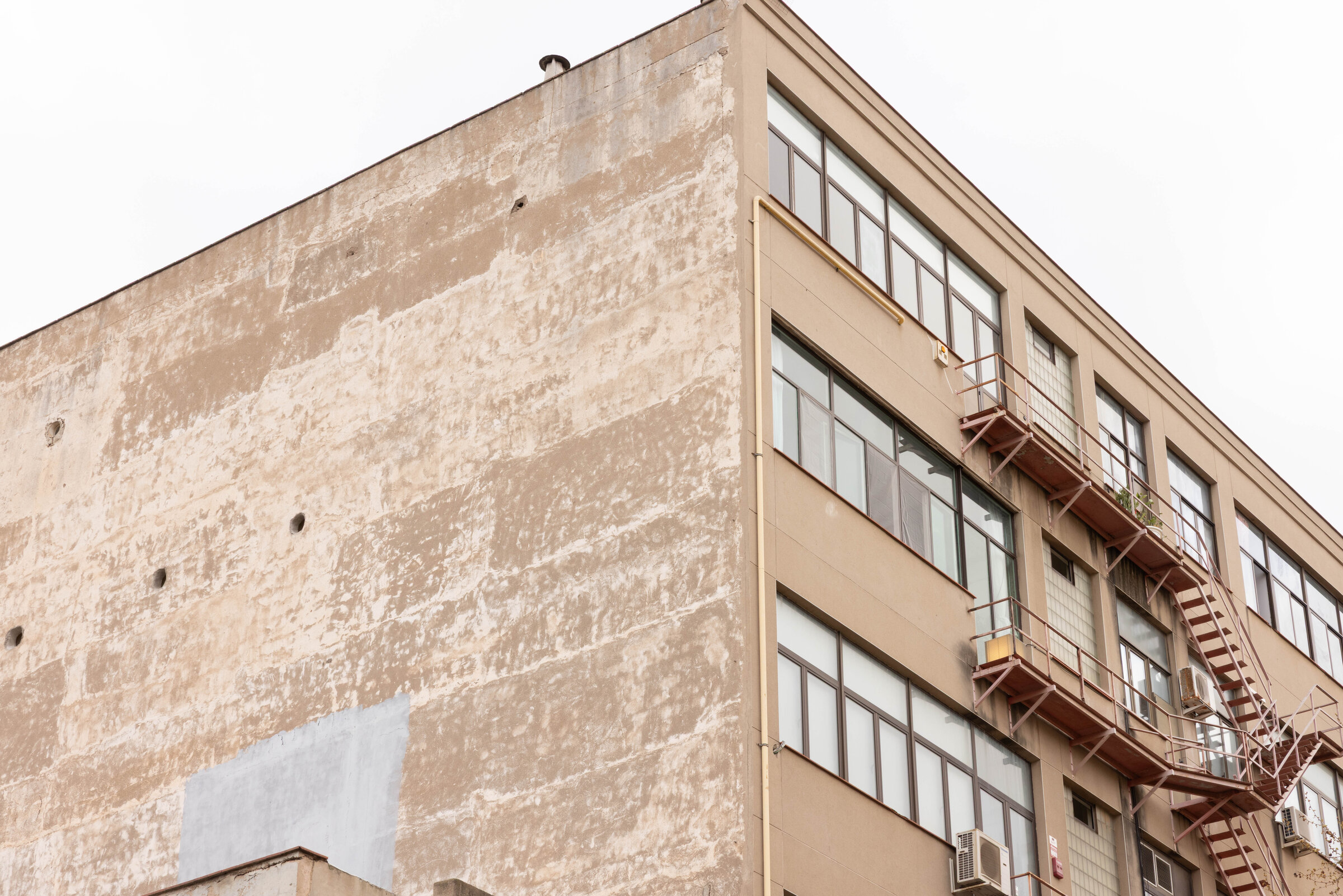
I walk up to the fourth floor so I don’t miss anything (that might happen on the staircase). On the way up, I think I hear a choir singing. In this building, workshops, storage spaces, and several churches of different denominations coexist. But I will only learn that later. We are in Sant Adrià del Besòs, a (not yet gentrified) city on the outskirts of Barcelona with a strong industrial past. This is where the young architecture studio Atienza Maure, together with Giagchico (Giulia Amos and Agustín Iglesias) and Abel Iglesias, have created La Nave: a former 450 m² print shop which received the 2025 FAD Interior Design Award. Last night, Santa & Cole, along with the architects, the owner, designers and friends of the house, hosted a very special gathering centered around light. This place, seemingly harsh and cold; warmed up under a soft, meticulously curated light installation, which held us and made us feel at ease.
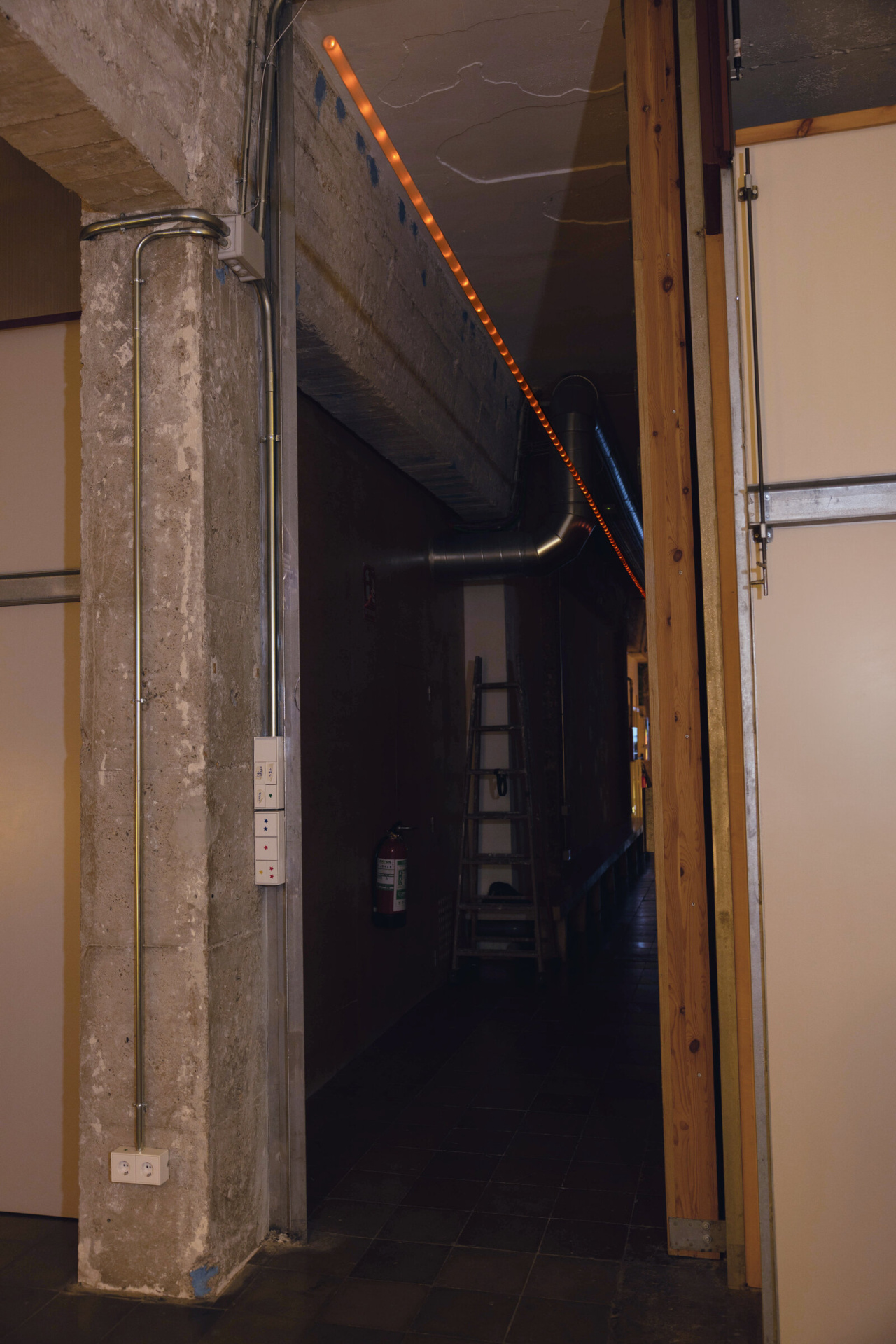
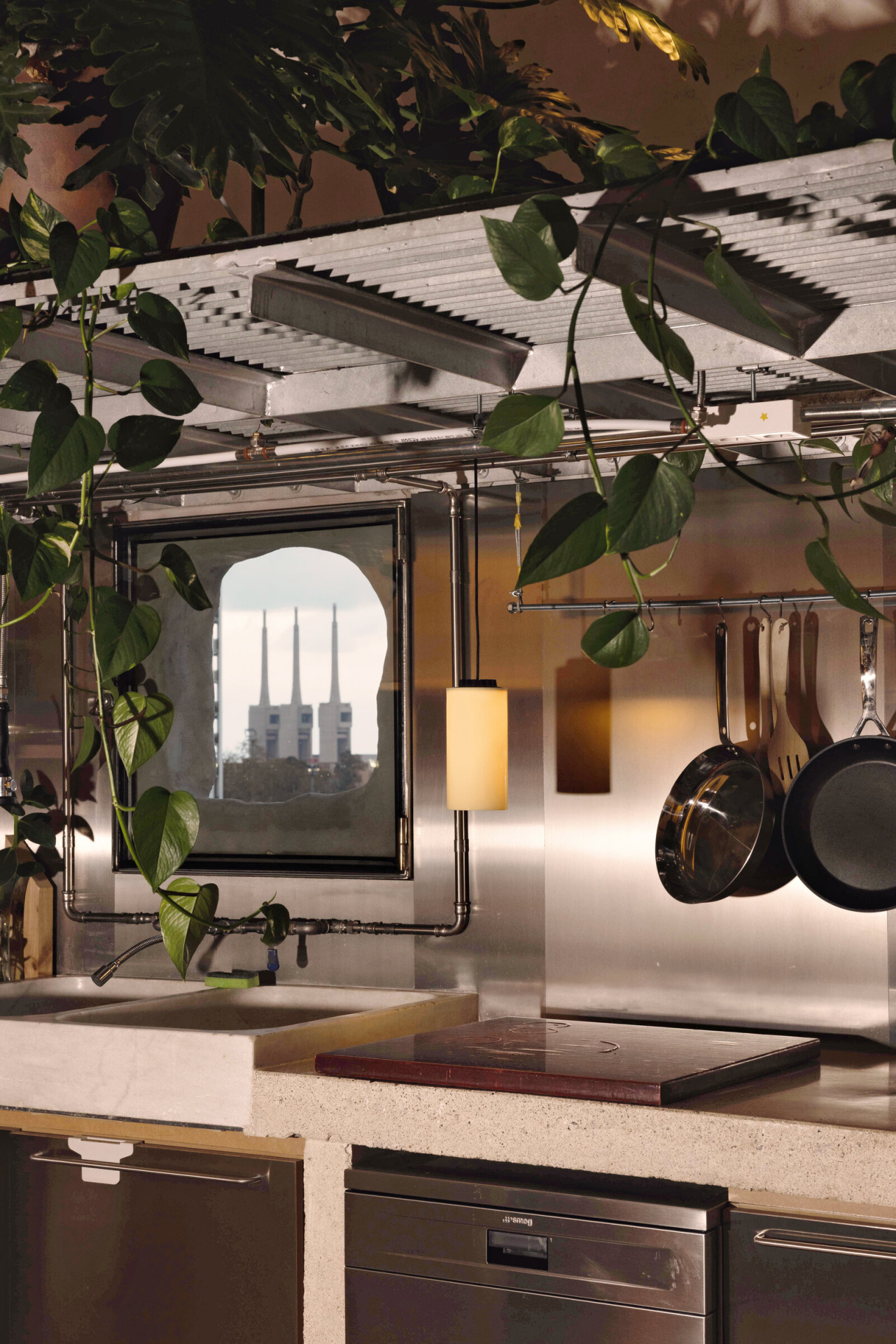
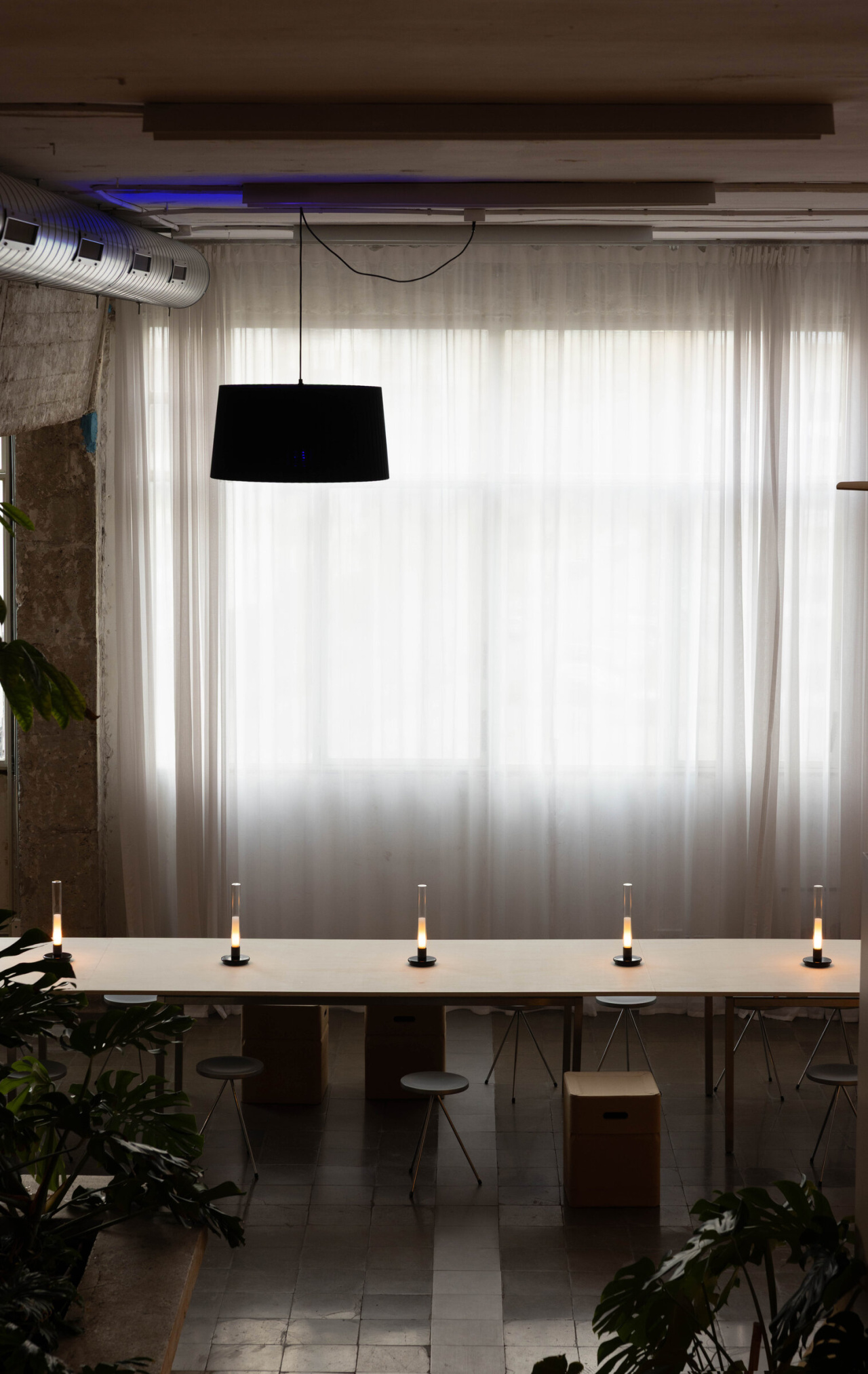
As soon as you step inside, there’s a long corridor, a 20-meter-long Colilla lamp above my head, and in the main room, a huge central planter full of greenery. The plants look happy, and so do the guests. Everything is out in the open; nothing is hidden. On display are the ducts, the lamp cables, the open kitchen, the preparation of the dishes, the intriguing urban landscape beyond the large windows, the greetings and the smiles.
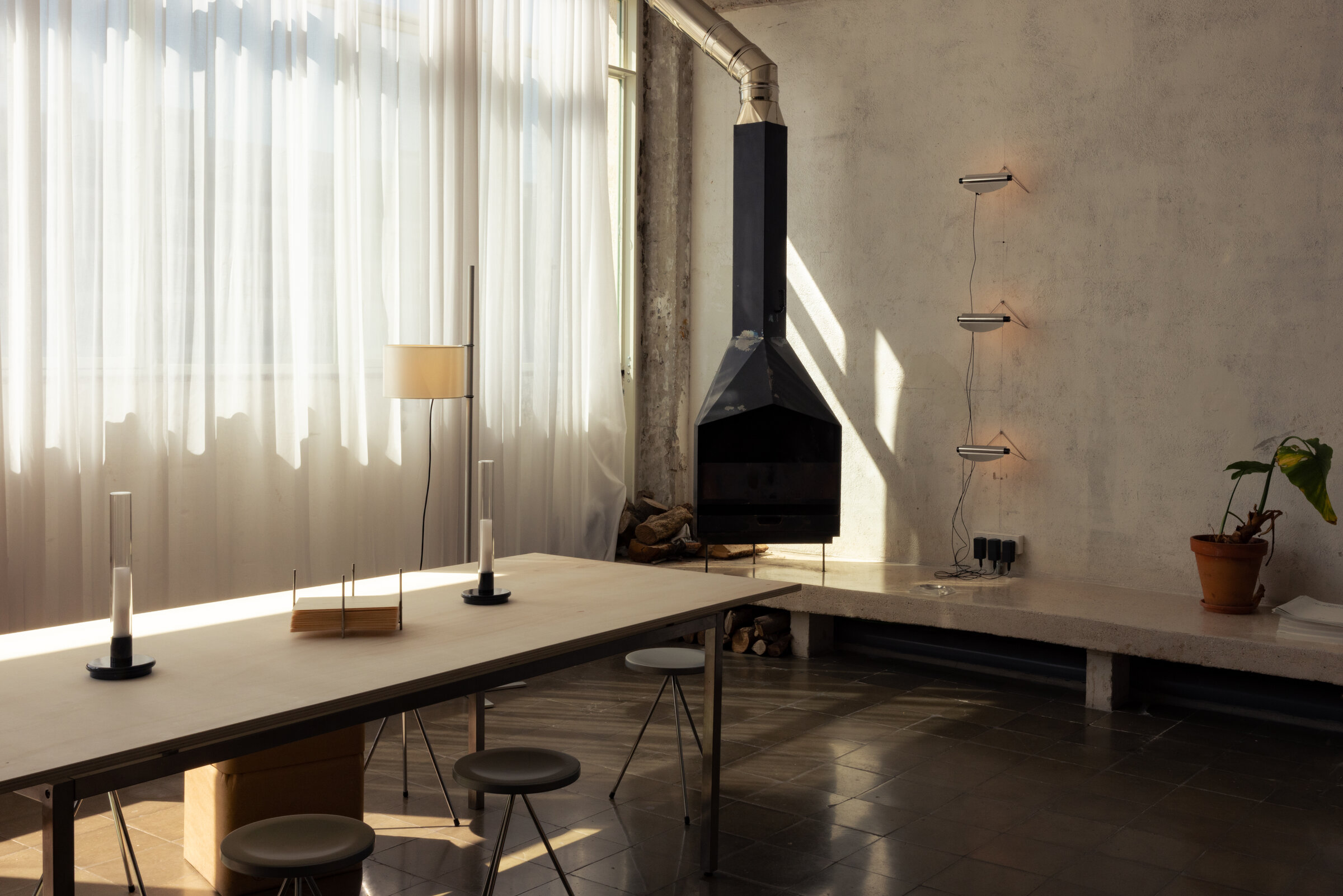
La Nave is where the technical meets the domestic. Built on an open plan, the design is based on prefabricated, low-cost systems and complete adaptability. “Functionality in the service of beauty, not the other way around”, says Agustín Iglesias, the owner. I’m not entirely convinced. The materiality and expressiveness here are just as strong, almost as much as the economical solutions and the ease of assembly. It’s like something between DIY construction and a spaceship: the architecture is modular, fluid, and flexible, constantly growing and changing with use. It’s almost a living organism made of platforms, walkways, and stairs, steel, plywood, and concrete, profiles, nuts and bolts, panels, devices, cabins, and boxes. There are no pillars, it’s a large, lightweight structure. All spaces have double circulation.
By reclaiming inexpensive, almost undesigned elements, simple pieces that anyone could assemble, they have (self-)built this hybrid place: unusual, intriguing, yet compelling, and hard to leave. They achieve the maximum with the minimum. “There was no distance between execution and thought,” Agustín continues. ‘Well,’ one of the architects adds, ‘there was a lot of prior planning that allowed for a great deal of freedom afterward. The project evolved during construction, and the details were defined naturally.’ That intuition, that spontaneity, also explains the project, as if there were another way of narrating and thinking about architecture: this uncommon domestic language celebrates the technical and openly displays its joints. In this setting, the Básica, Tatu Alta, Shiro, Alterna, and Cirio multiple lamps seemed perfectly at ease, as if at home.
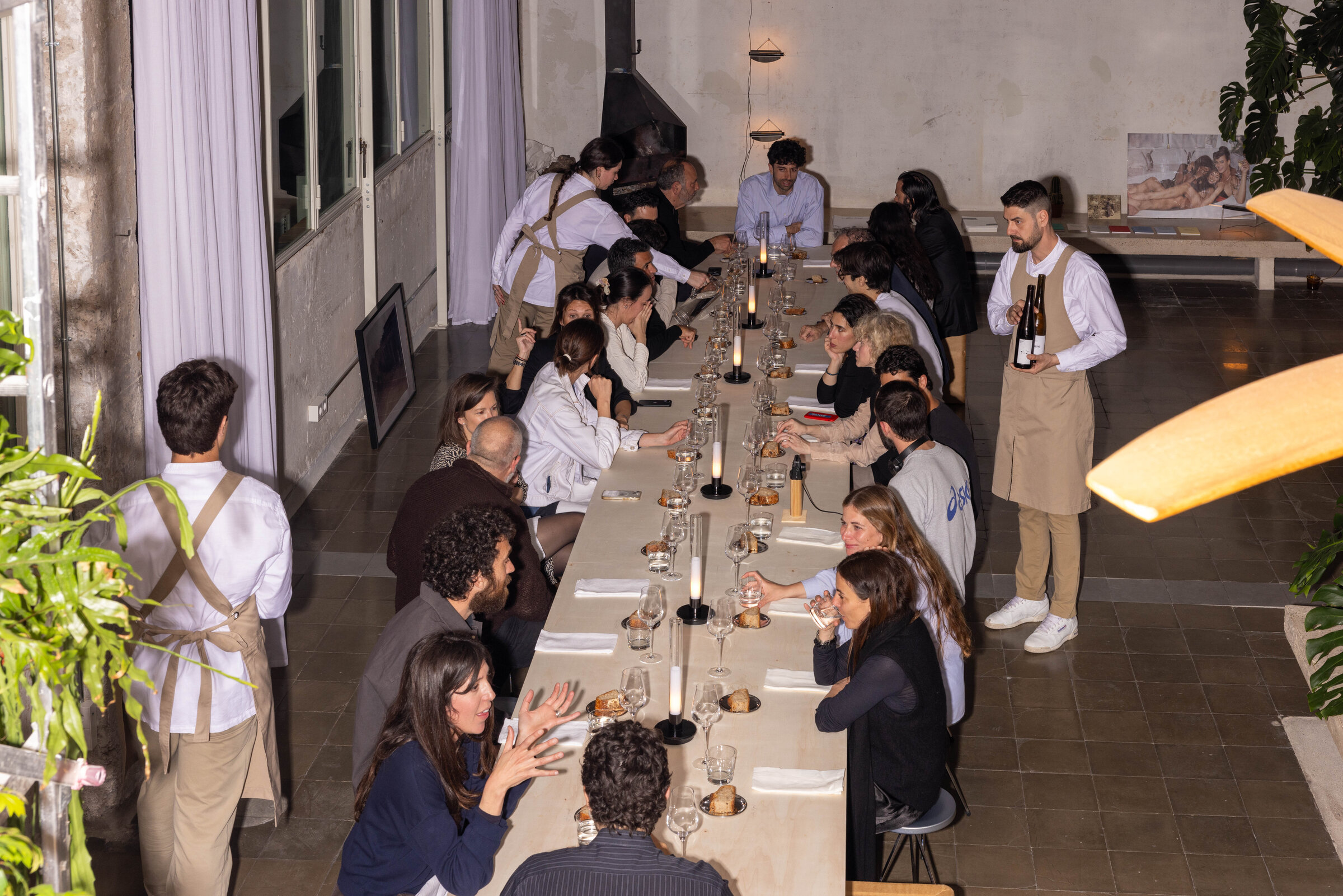
During dinner, the project’s ingenuity comes up in conversation. ‘We’ll gradually bring things to temperature,’ says the chef, Laura Veraguas, as she explains the menu. I think of the Sylvestrina lamps on the table, doing the same for the atmosphere. In keeping with the spirit of the evening, the little dishes (Platillos) are essential: leek and chamomile extracts, few ingredients, spheres and potatoes, spices. Nothing was hidden that night; enjoyment was celebrated. What I liked most was the overall honesty and closeness, a naturalness that is often staged but rarely real. It was in the way the owner and architects spoke, in the companion sitting next to me, in the unfussy food (‘You have to dip the bread in the oil’), in the architecture and the materials surrounding us, and in the warm, pleasant light that accompanied us, gently holding us and domesticating the space.
A project by Rocío Ley.
Photography by Adrià Cañameras.
La Colilla
Cirio Simple
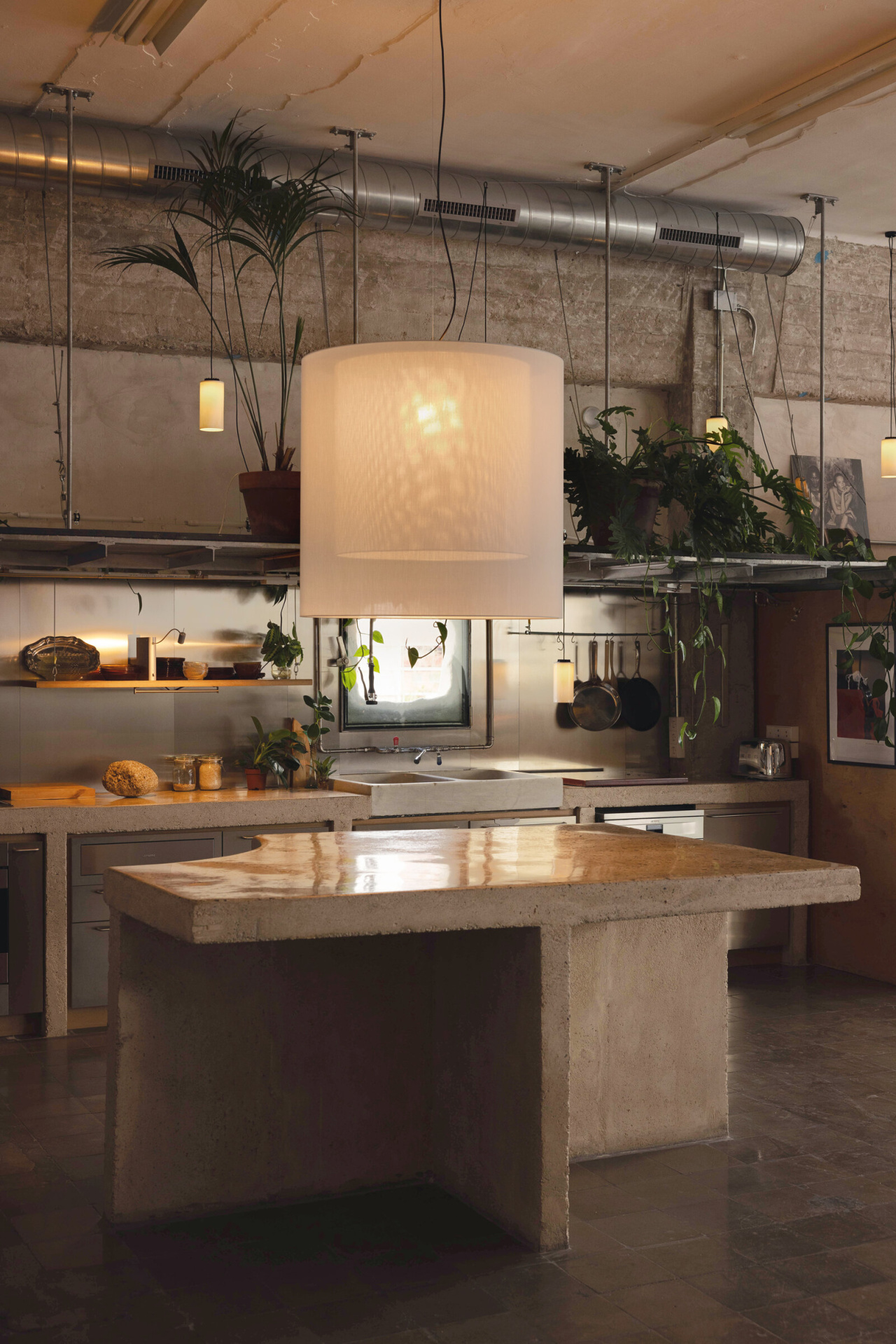
Moaré
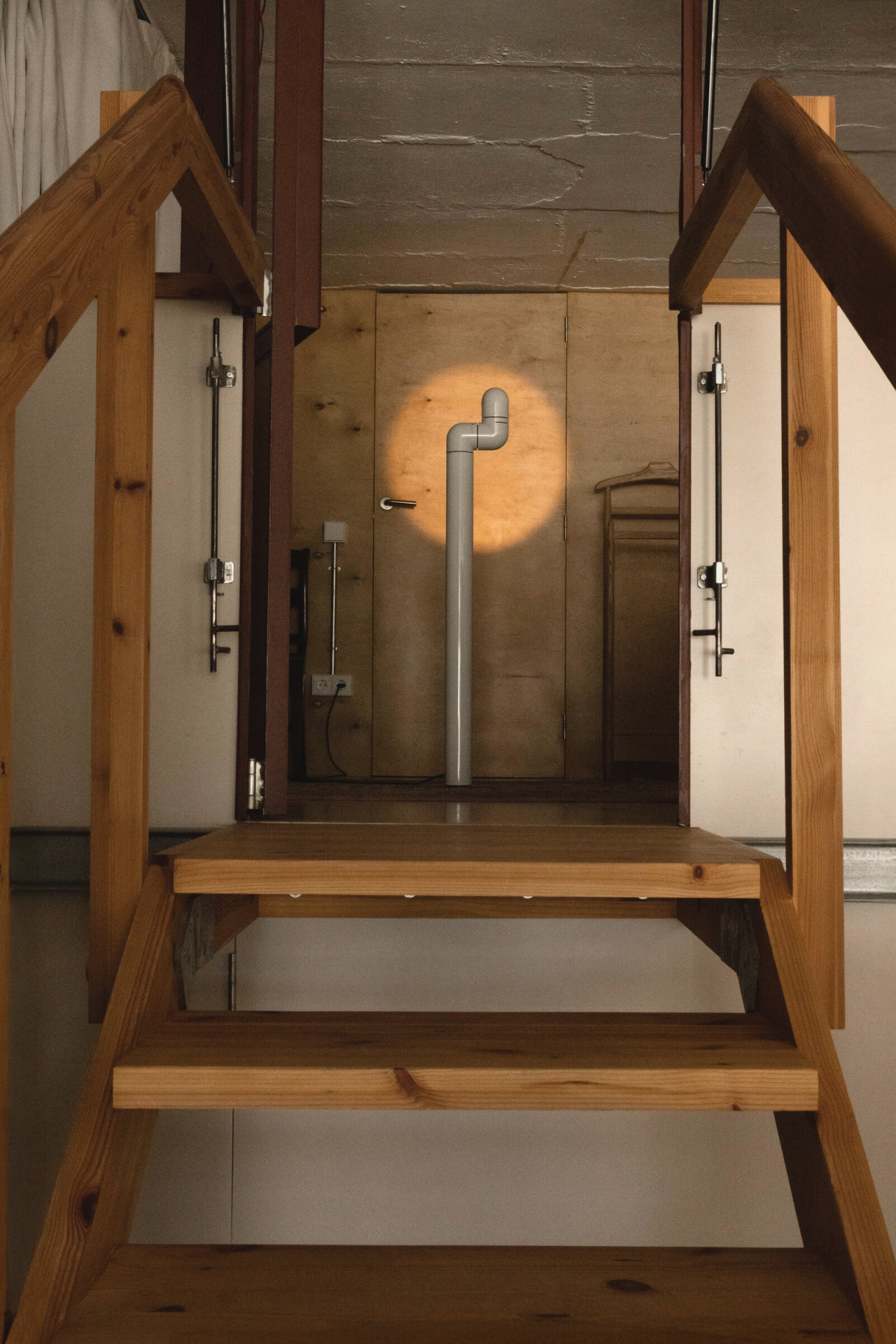
Tatu Alta
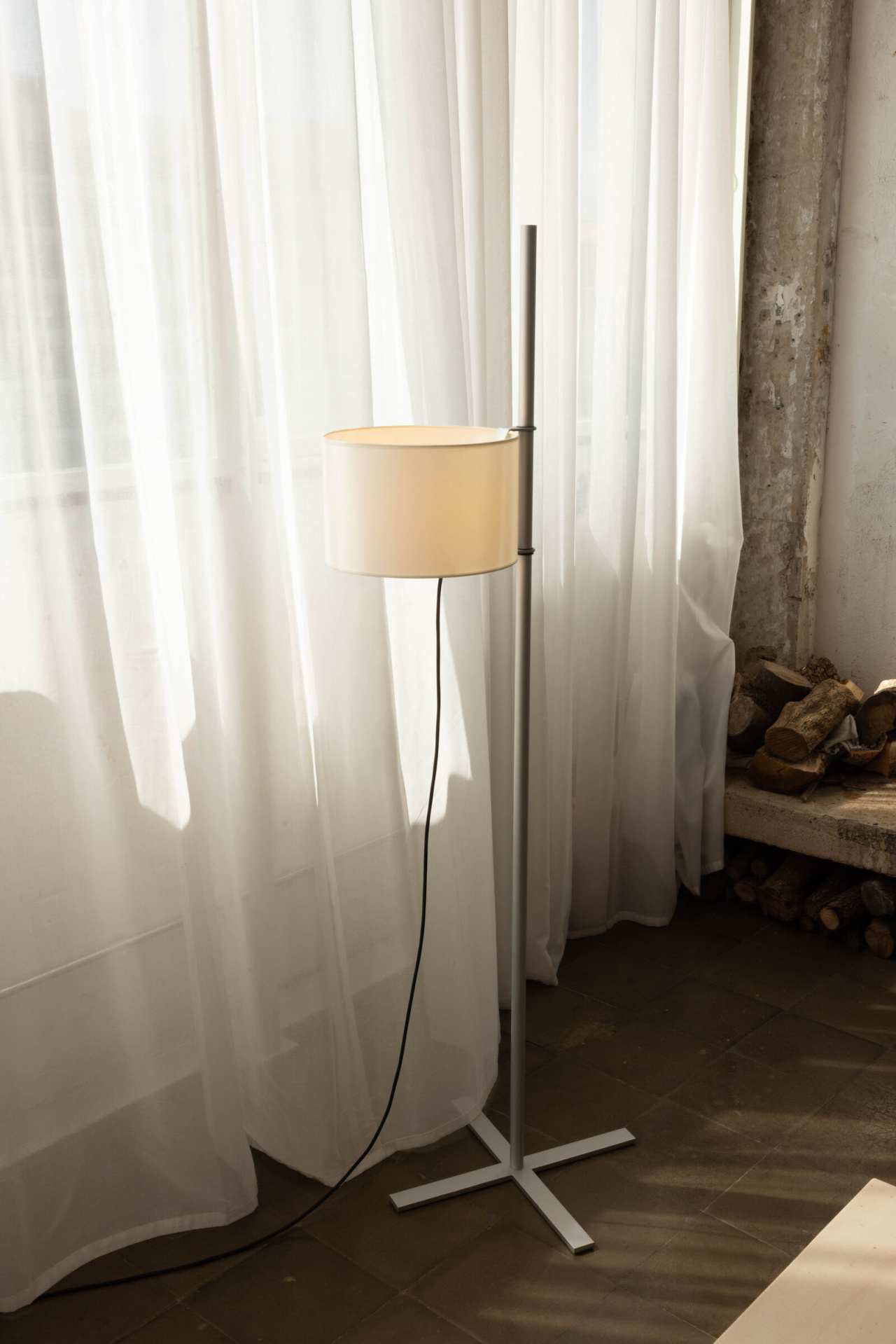
TMA
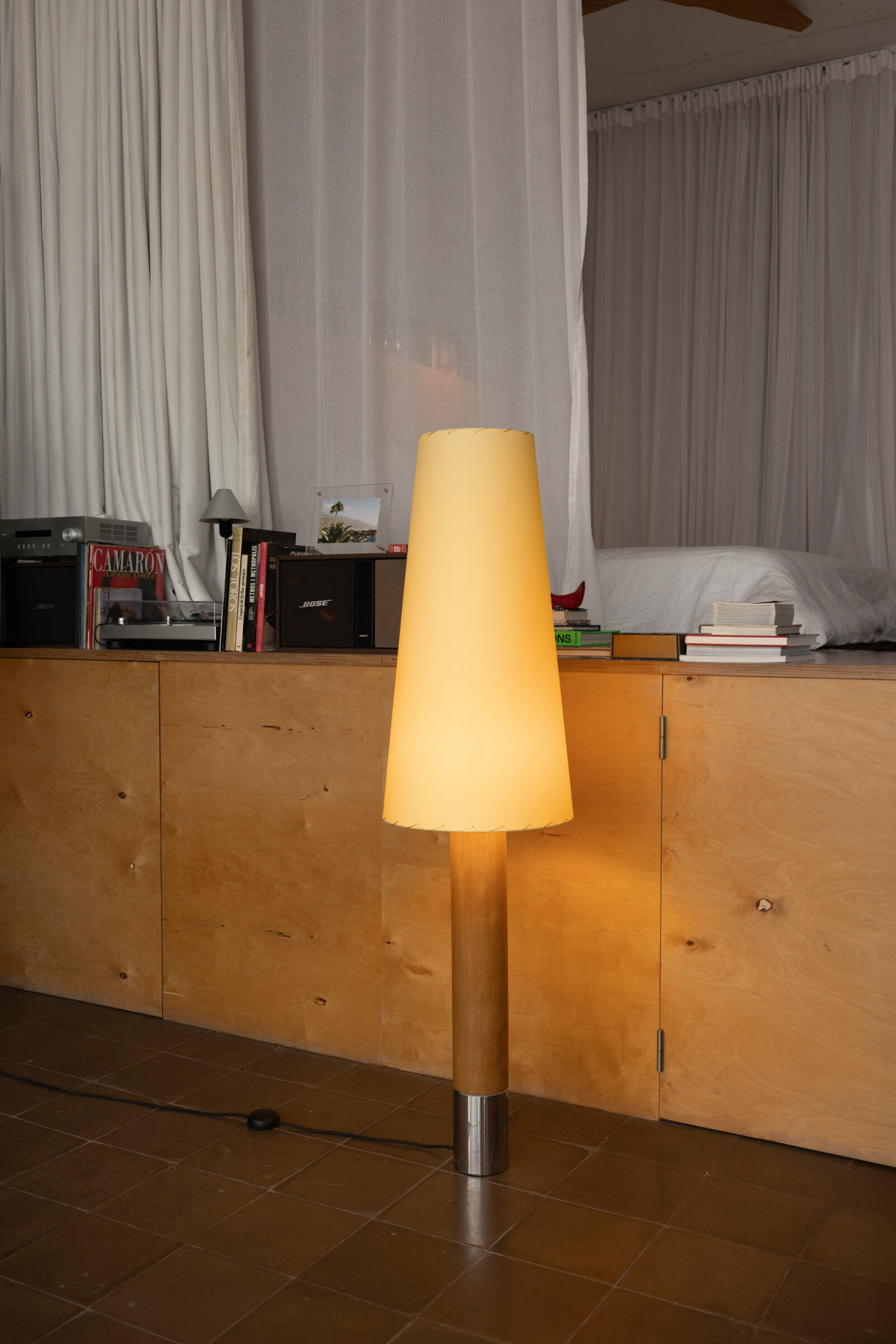
Básica
“Functionality in the service of beauty, not the other way around”
Agustín Iglesias, owner of La Nave
Sylvestrina