
André Ricard
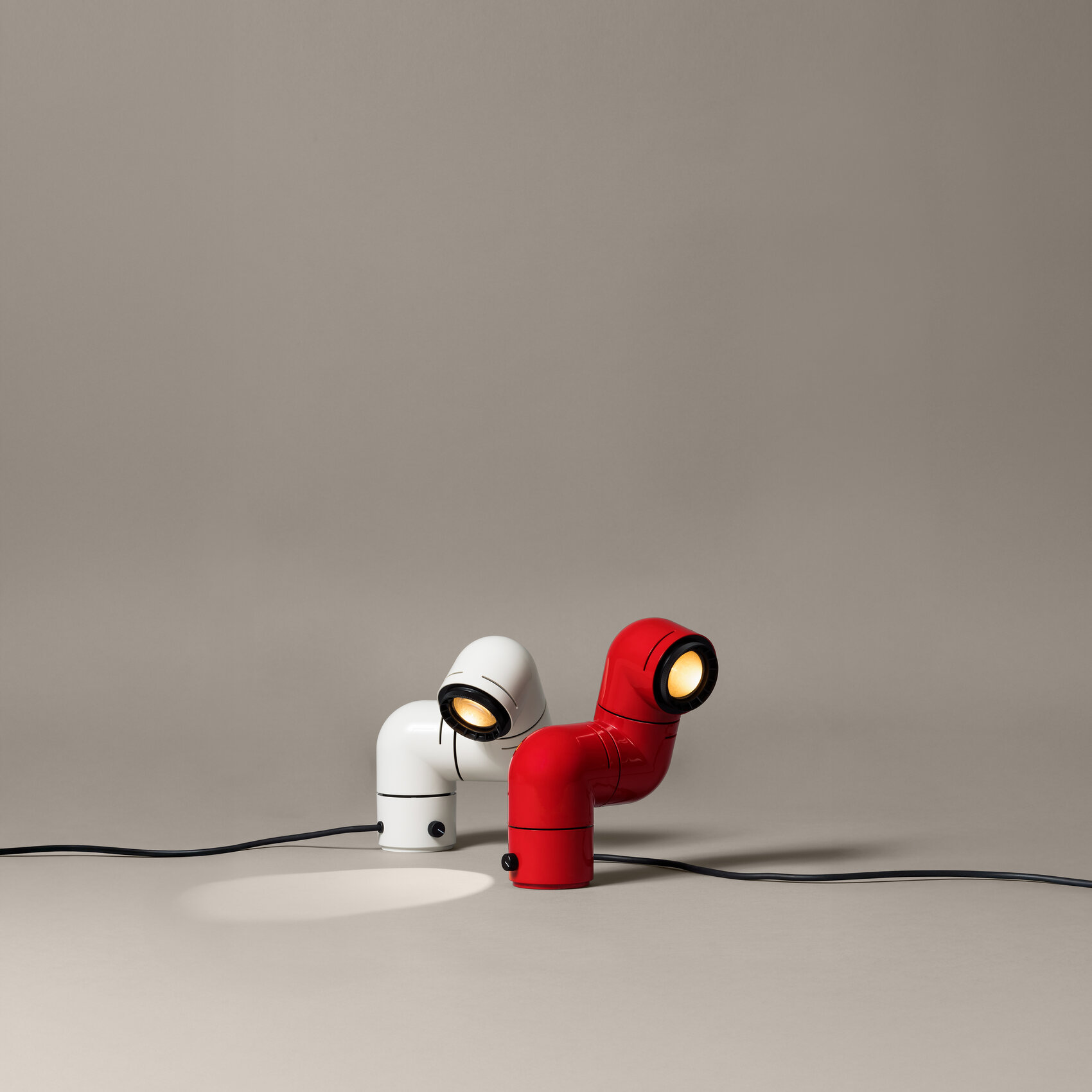
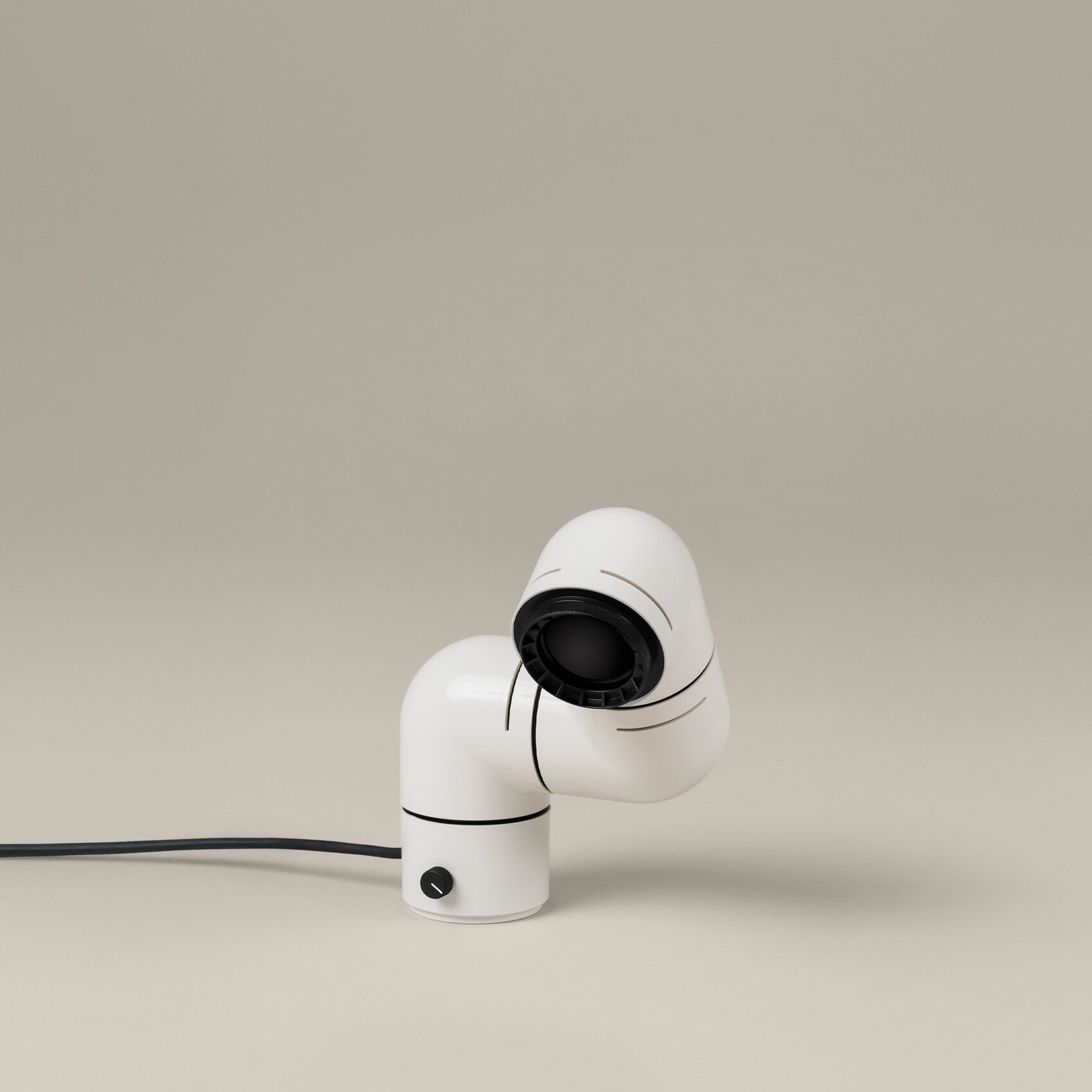
Tatu
André Ricard, 1972


Fontana
André Ricard, 1970


Fontana Alta
André Ricard, 2021
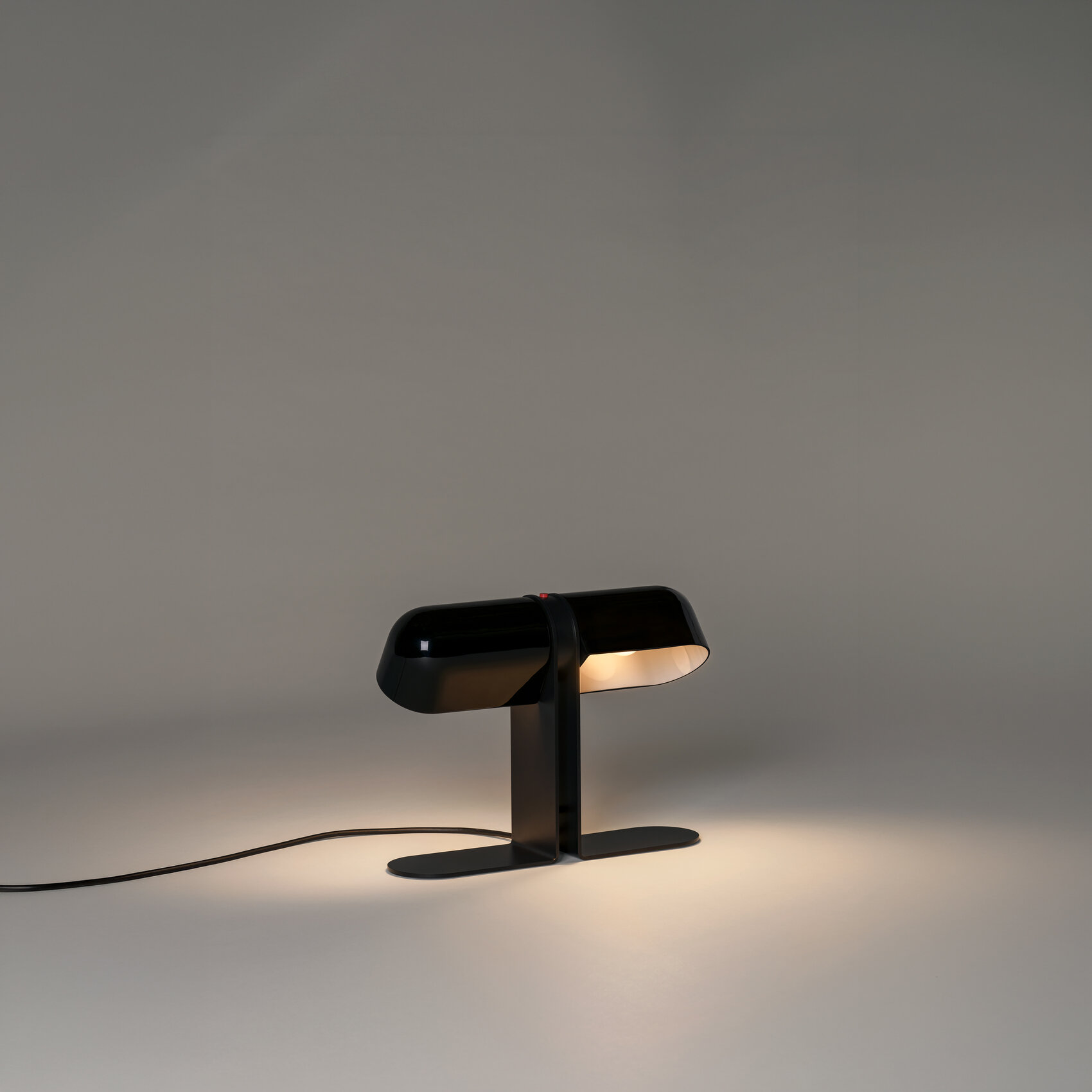
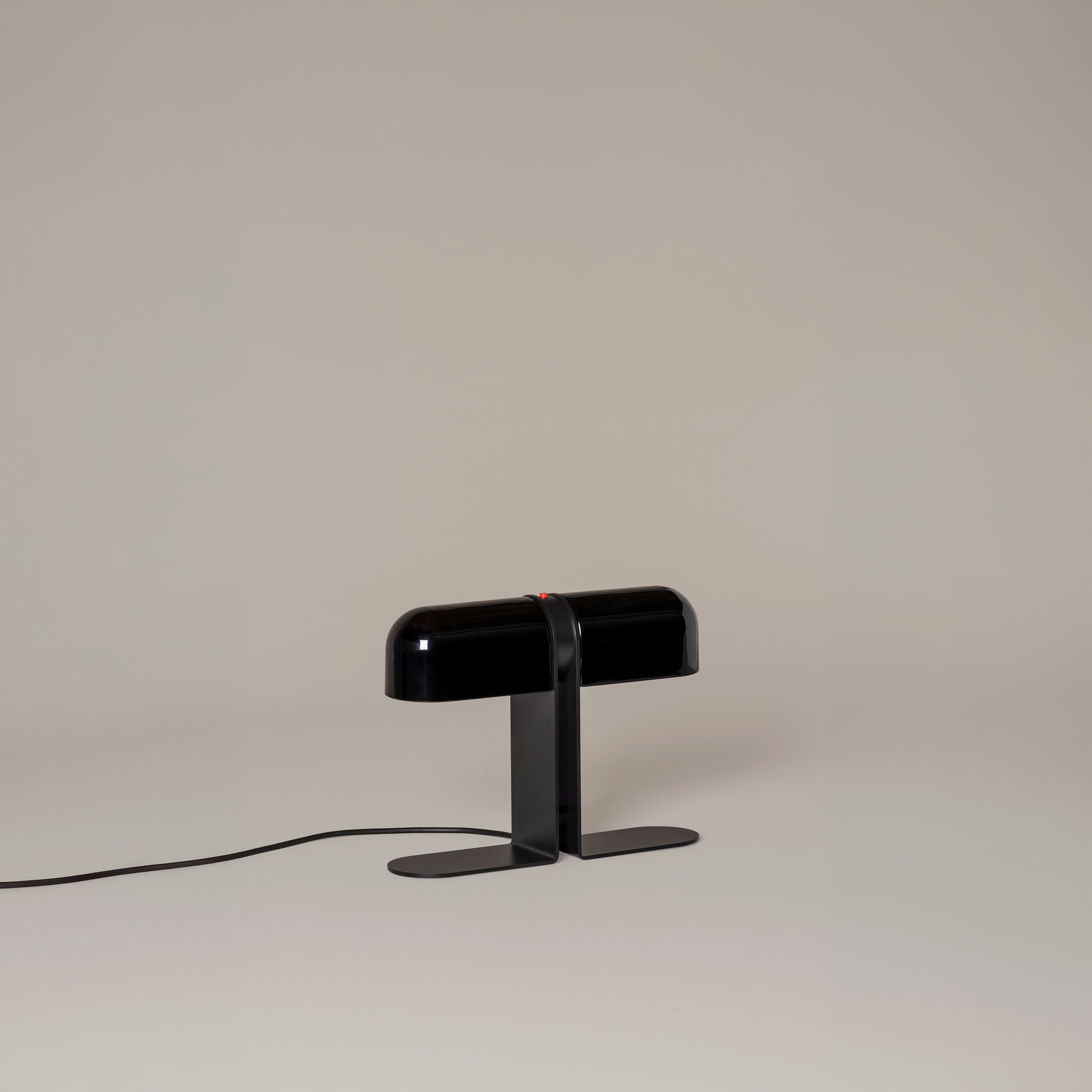
Duo
André Ricard, 1973


Tatu Alta
André Ricard, 2021
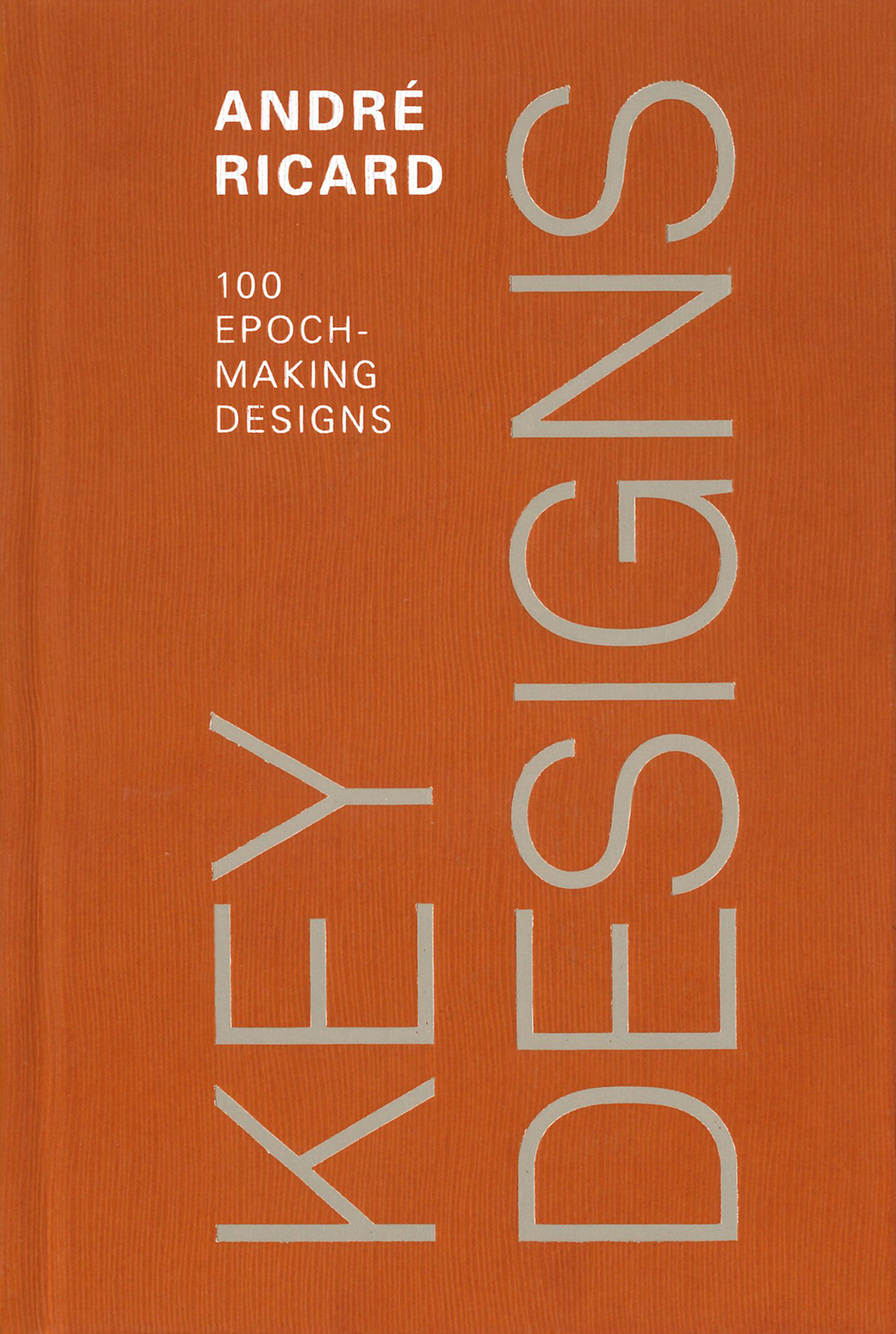
Key Designs
André Ricard, 2021
Unavailable
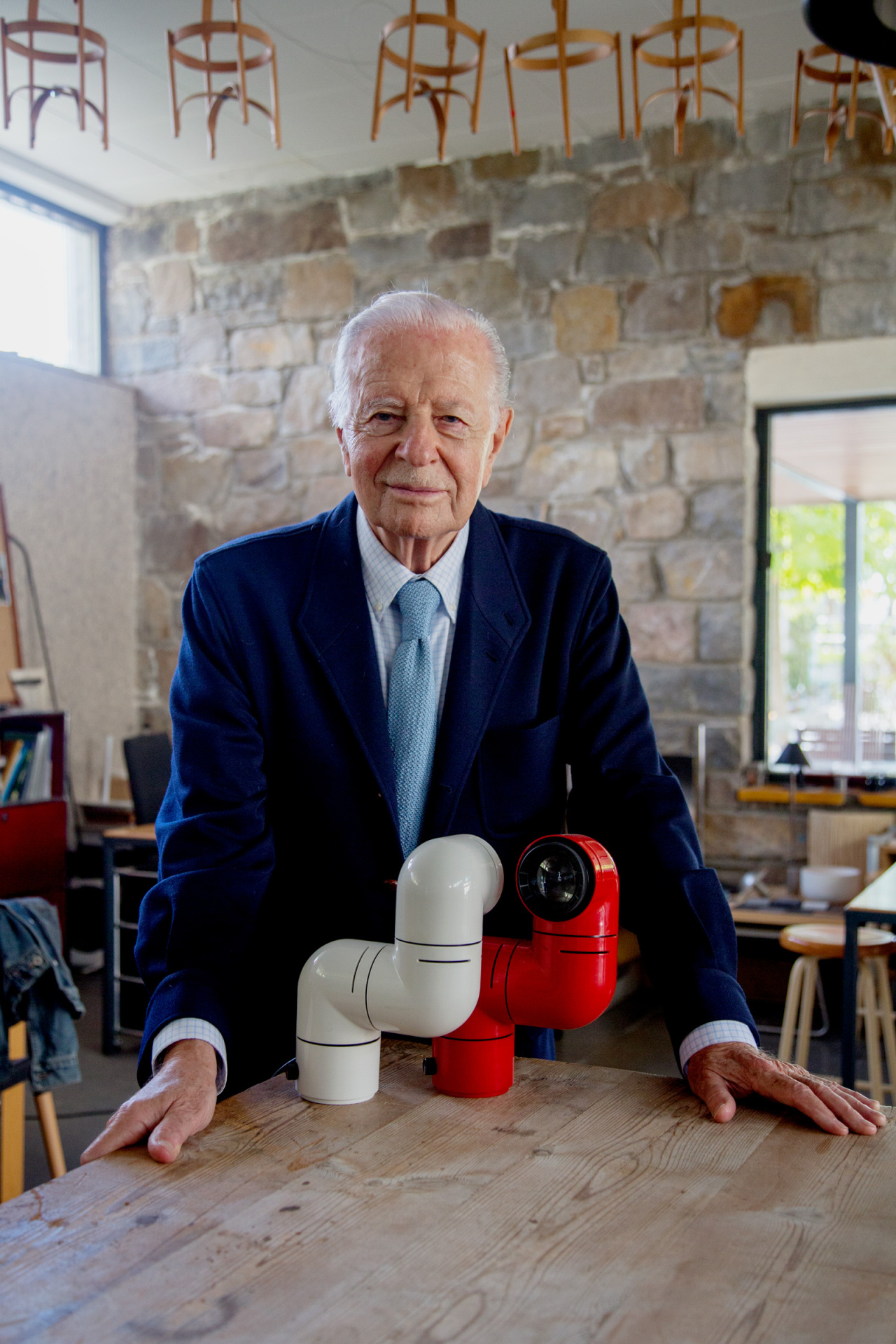
A key figure in Spanish industrial design, André Ricard was born in Barcelona at a time of openness to modern ideas. He trained under Polish artist Warnia Zaraszescka, who introduced him to the teachings of the Bauhaus with a demanding and humanist outlook. This early education shaped Ricard’s view of design as a cultural necessity—less about luxury, more about improving daily life.
In the 1960s, he began a long collaboration with Puig, designing perfume packaging that redefined the brand’s image and marked his emergence on the design scene. From that point, his work evolved into a dialogue between function, symbolism, and the everyday. One of the high points of his career came in 1992, when he was commissioned to design the Olympic torch for the Barcelona Games. It became an international symbol of Spanish design. Other commissions followed, including the Olympic Museum cauldron in Lausanne (1993) and the Hockey World Cup trophy (2001).
But Ricard’s contribution lies just as much in small-scale, everyday objects: the Copenhaguen ashtray, the Menhir lighter, or the Tatú and Fontana lamps, edited by Santa & Cole. All reflect a kind of reasoned beauty, grounded in observation and thought. “To design,” he once said, “is to give everyday objects the most sensible and simple forms so they fulfill their function optimally.”
Throughout his career, Ricard was also a teacher, writer, and design advocate. He chaired leading institutions such as ADI-FAD and ADP, served as vice president of the International Council of Societies of Industrial Design (ICSID), and was an honorary member of the Royal Academy of Fine Arts of Sant Jordi. His influence extended far beyond the object itself, shaping the way design is thought, taught, and practiced.
see authors of design editions, art editions and book editions