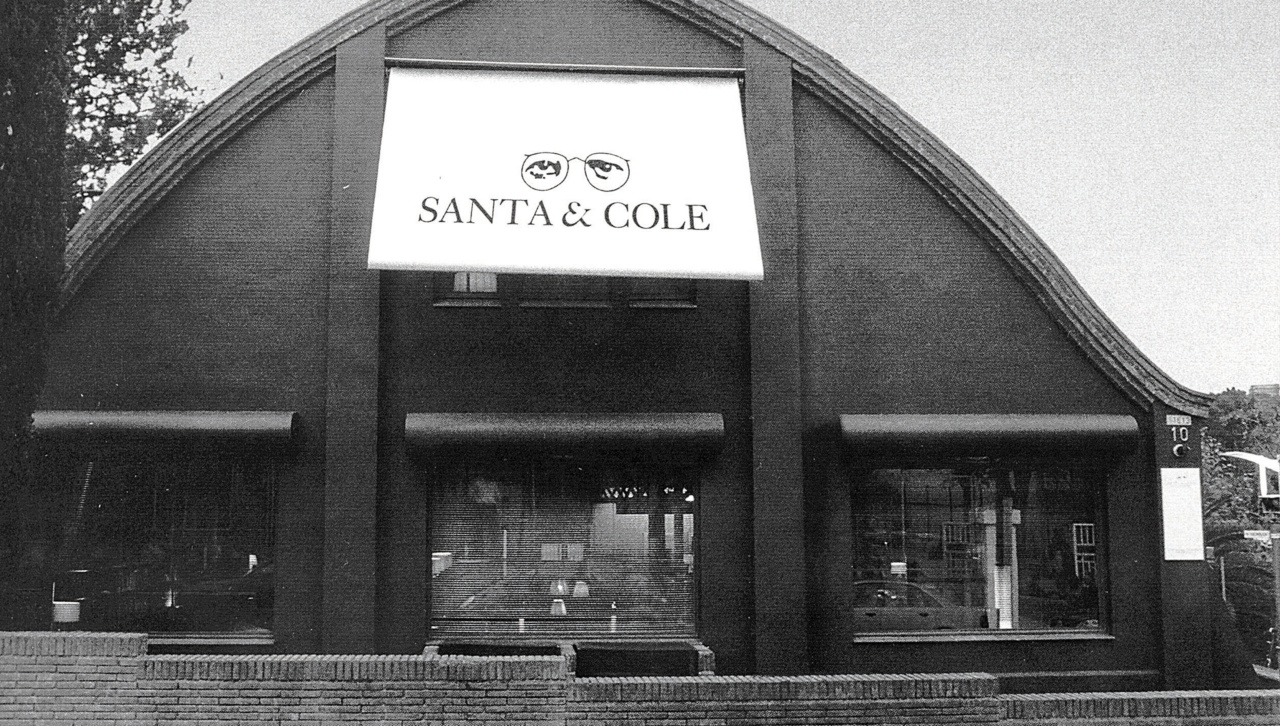
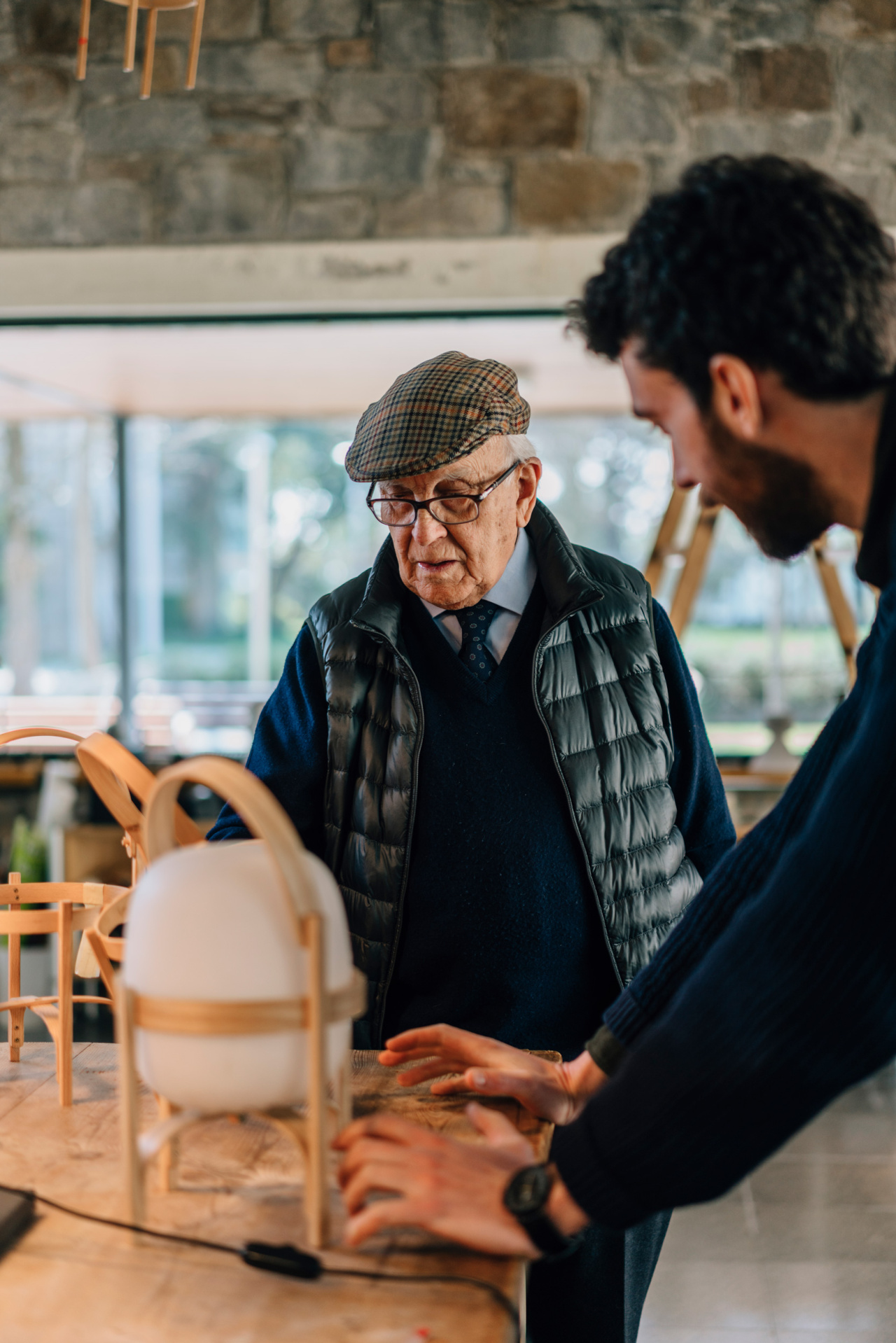
For 28 years now, Santa & Cole has lived for industrial design, an art consisting of focussing on everyday objects in order to seek a better use experience, thereby leading us to reflect upon material culture.
Hence, we edit elements of domestic and urban furniture and lighting, plant elements (which are living matter) and books (which are likewise alive). A range that is only apparently disperse, converging upon a single concern: not to accumulate, but rather to select; not to enjoy quantity, but rather quality.
Santa & Cole is organized around four core themes
Clearly, the only way to earn more (the end objective of any strategy that seeks to ensure survival) is to have asymmetric competitive advantages that are not easy to obtain. And, if these are exclusive, then so much the better. Today we are aware of this, since the only legal monopoly which is socially admitted is that of intellectual and industrial property (brands, designs and patents). So relevant are these so-called "intangible assets" that today it is far more worthwhile to be the owner of the knowledge than to be the (subcontracted) physical producer of the products or services based on this knowledge.
However, if protectable knowledge (in the sense of intellectual and industrial property) is the key to developing one strategy or another; if strategic exclusivity is focused increasingly more on holding - or not holding - certain "knowledge rights"; then it is also true that a company's human structure is decisive, since it is people who generate knowledge. And a structure that generates knowledge makes it possible to implement a strategy altogether different from one that does not generate it. We like to declare ourselves proud of the people who form Santa & Cole.
This explains why Santa & Cole defines itself as a knowledge industry. We do our utmost to generate, contract, protect and spread knowledge, expressed through physical products with fine design, the fondly remembered Gute Form of the Bauhaus: constructive solidity, aesthetic sobriety and functional quality, a trilogy which becomes even a moral rule, especially in these times of such material waste on a planetary scale.
Santa & Cole employs its brand name to edit (1) lighting products and indoor furniture, (2) urban elements, (3) books and (4) plant elements for urban reforestation. In Spain it also defends the interests of certain important manufacturers: the German Ingo Maurer, in interior lighting and La Cornue, the French cuisinières. Product groups that are individually very different, but which have a shared sales network because they have a common influencer: the professionals involved in the project, interior specialists, designers, architects, urban planners and landscape architects interested in contemporary design with an accent on original quality.
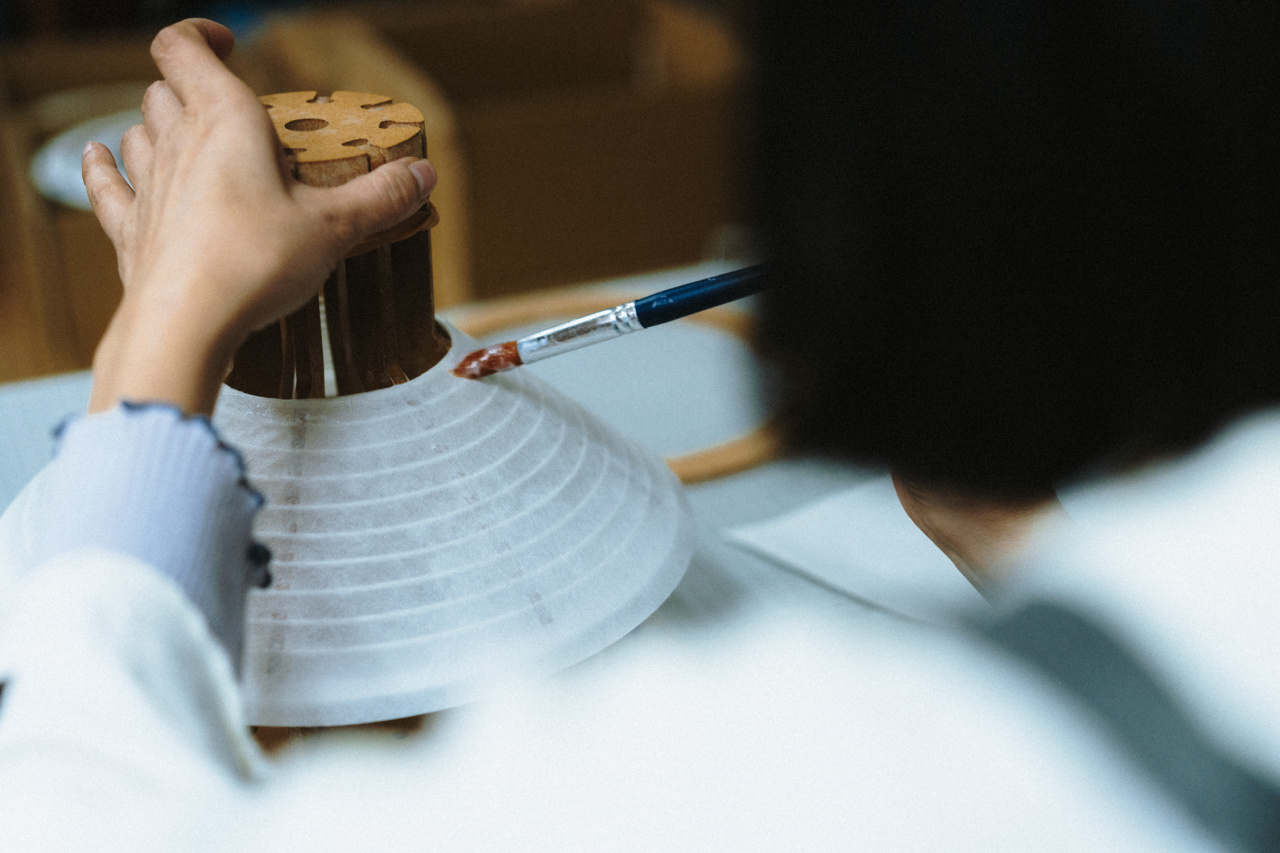
Santa & Cole subcontracts 100% of its production to an extensive group of suppliers based largely in Spain (yet also present in other countries). Thus, we do not manufacture with our own hands. We are editors. Our task (in terms of catalogue products, not special products for a single project) can be summed up as follows:
The finest protectable industrial design, and whatever related knowledge required for its proper business operation: this is the true essence of Santa & Cole. Since editing is our raison d'être, registered design is not only an aesthetic choice but also the basic pillar of our differentiation strategy.
Santa & Cole works solely with protectable original design, either registered by our authors or generated in our in-house departments.
Our philosophy of taste is eclectic and modern rather than futuristic and postmodern. We are interested in rationality and balance, silence as opposed to stridence. And we are particularly motivated by the fact that we are the standard-bearers of a fine sample of Spanish design throughout the world. For the most part, the creators of the objects we edit are internationally renowned designers and architects from Spain. This is because we value their ability to contribute ideas, new reflections and attitudes toward the objects, new perspectives on the world that, together, we help to project.
It is true that the beginnings of Santa & Cole were typical of any "central-product" editing company which edits in order to enlarge a catalogue, in the hopes that the products will later be of interest to its target market. Yet, for years now, we have been witnessing a progressive internal transformation of our organisational culture towards a "central-product" model, where our mission is to contribute knowledge in order to attend to our clients' specific needs and solve their project problems: from how to light up a seaside promenade to how to arrange a kitchen. To furnish offices or a home, to qualify and humanise large public spaces, or to compose the wooded area in a section of the city. We do not however sell the project; we sell the elements that might be used to make that project a success, not architecture but rather materials: our knowledge merely seeks to act as the common-sense basis of the professional advice we give to our clients.
Santa & Cole has several specific areas for knowledge development:
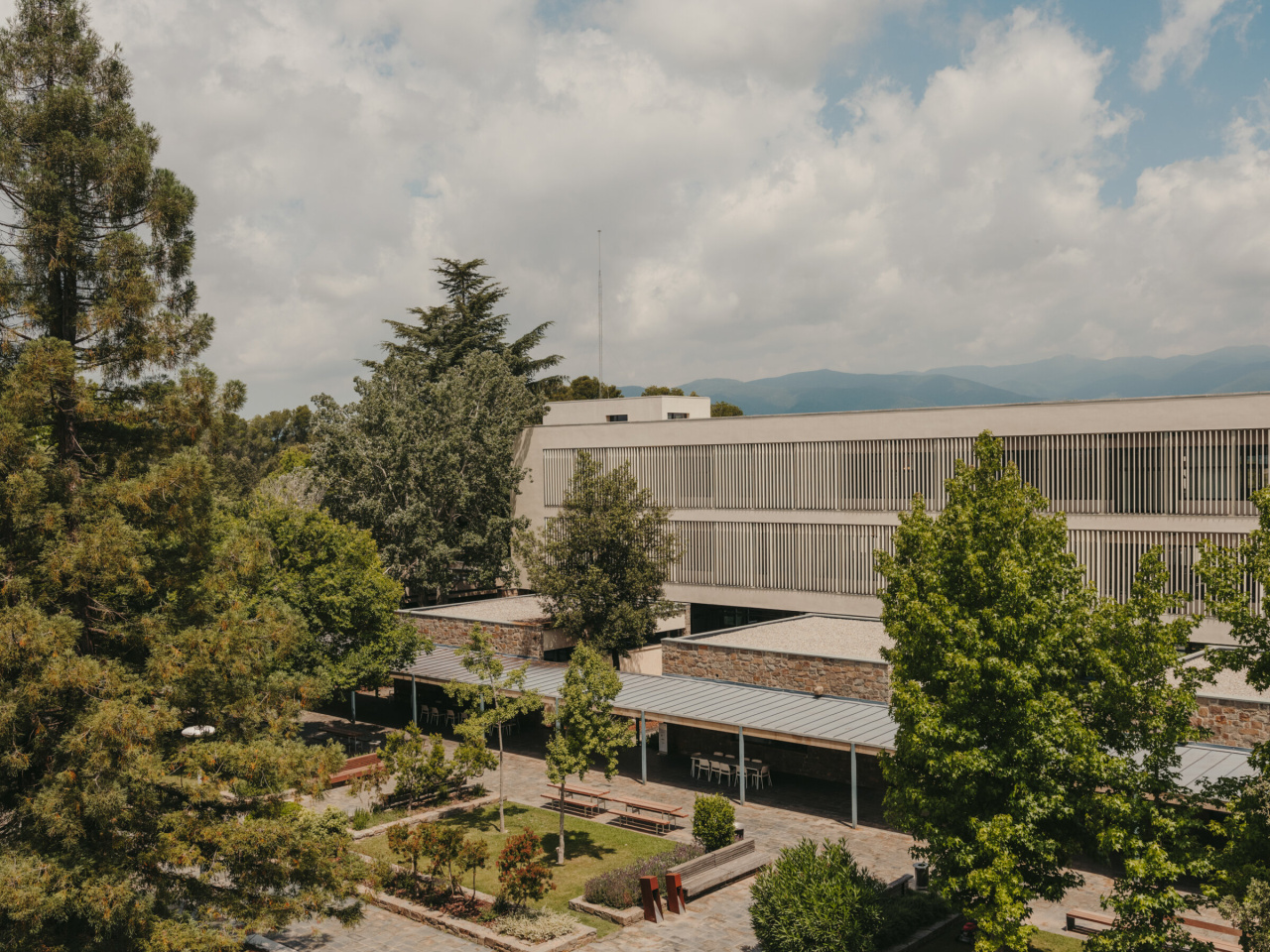
It is within this context of the importance of knowledge as a vital element of Santa & Cole's strategy that the Parc de Belloch project can be seen: the execution of a campus for innovation linked to a new, first-rate academic institution, which promotes the best expression of the talent of contemporary Spanish and Spanish American designers.