
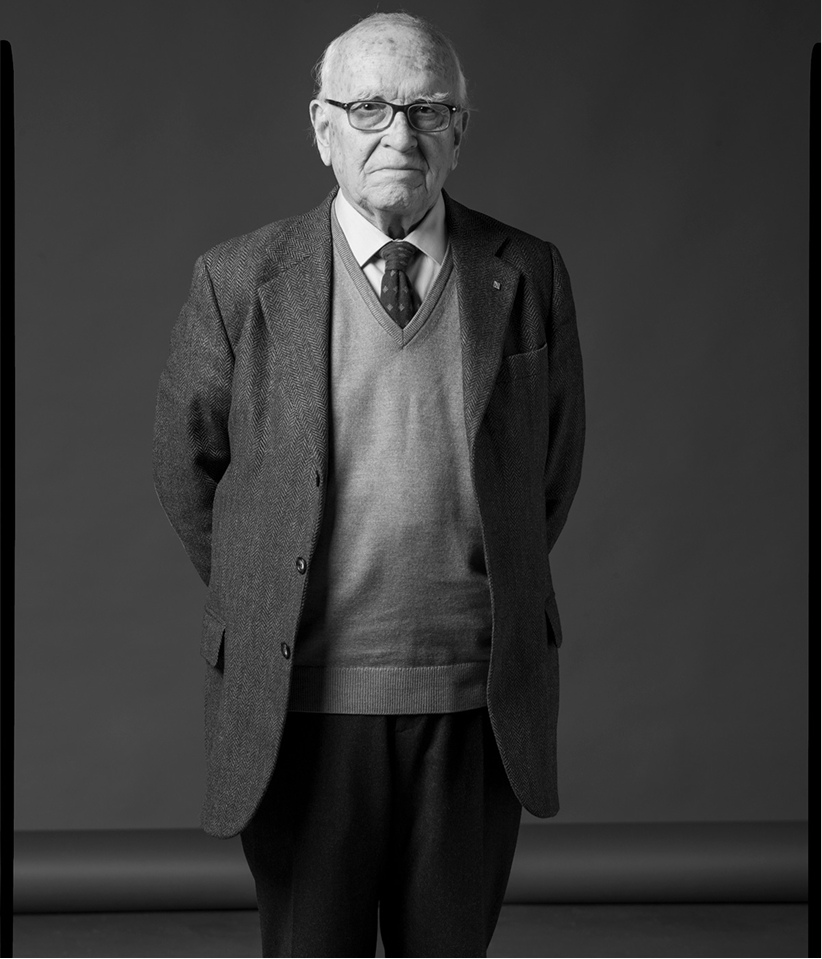
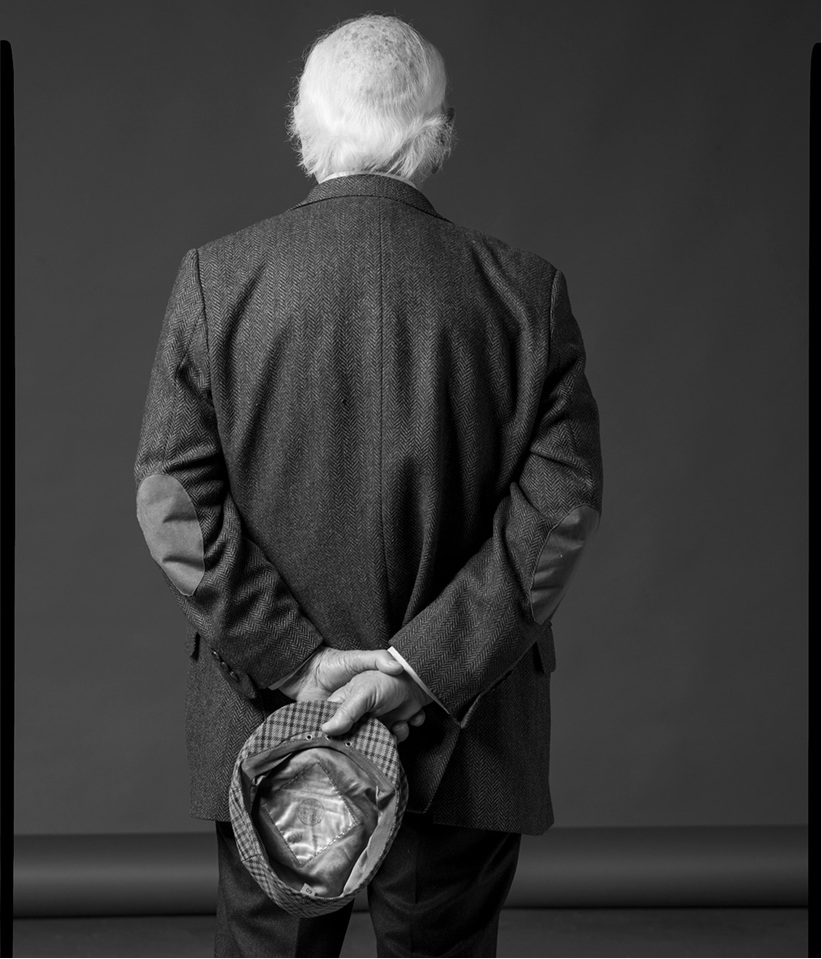
Miguel Milá
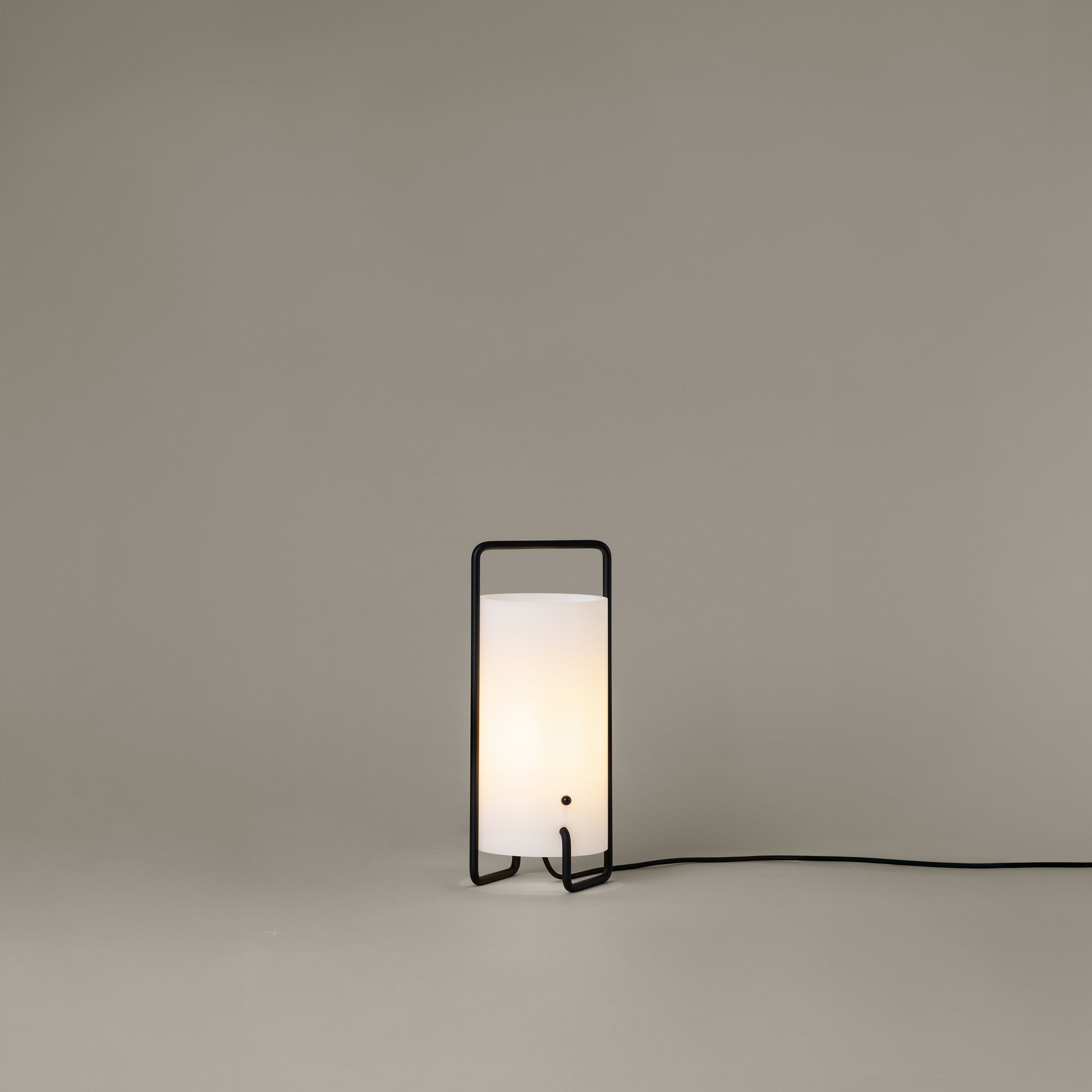
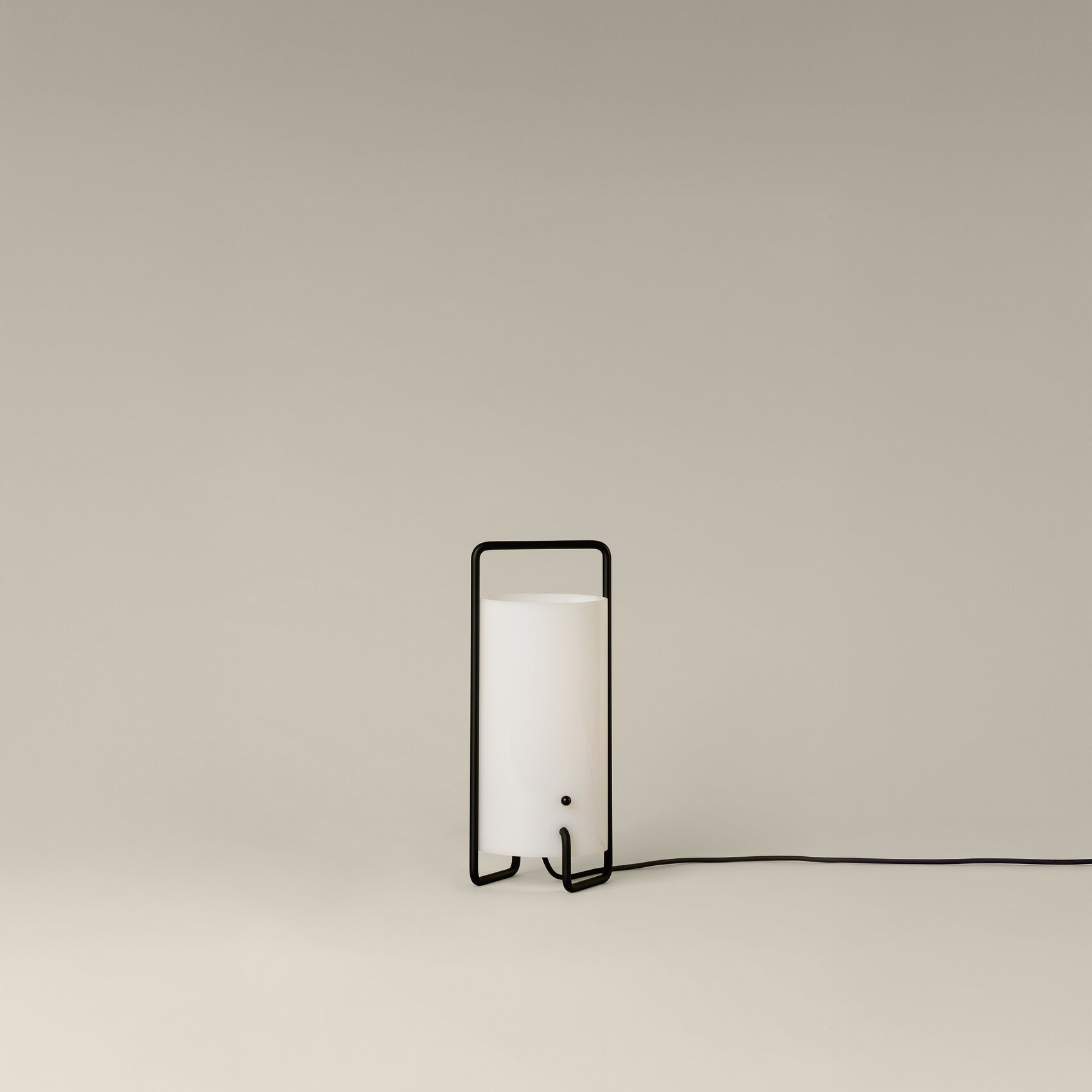
Asa
Miguel Milá, 1961
430,58 €
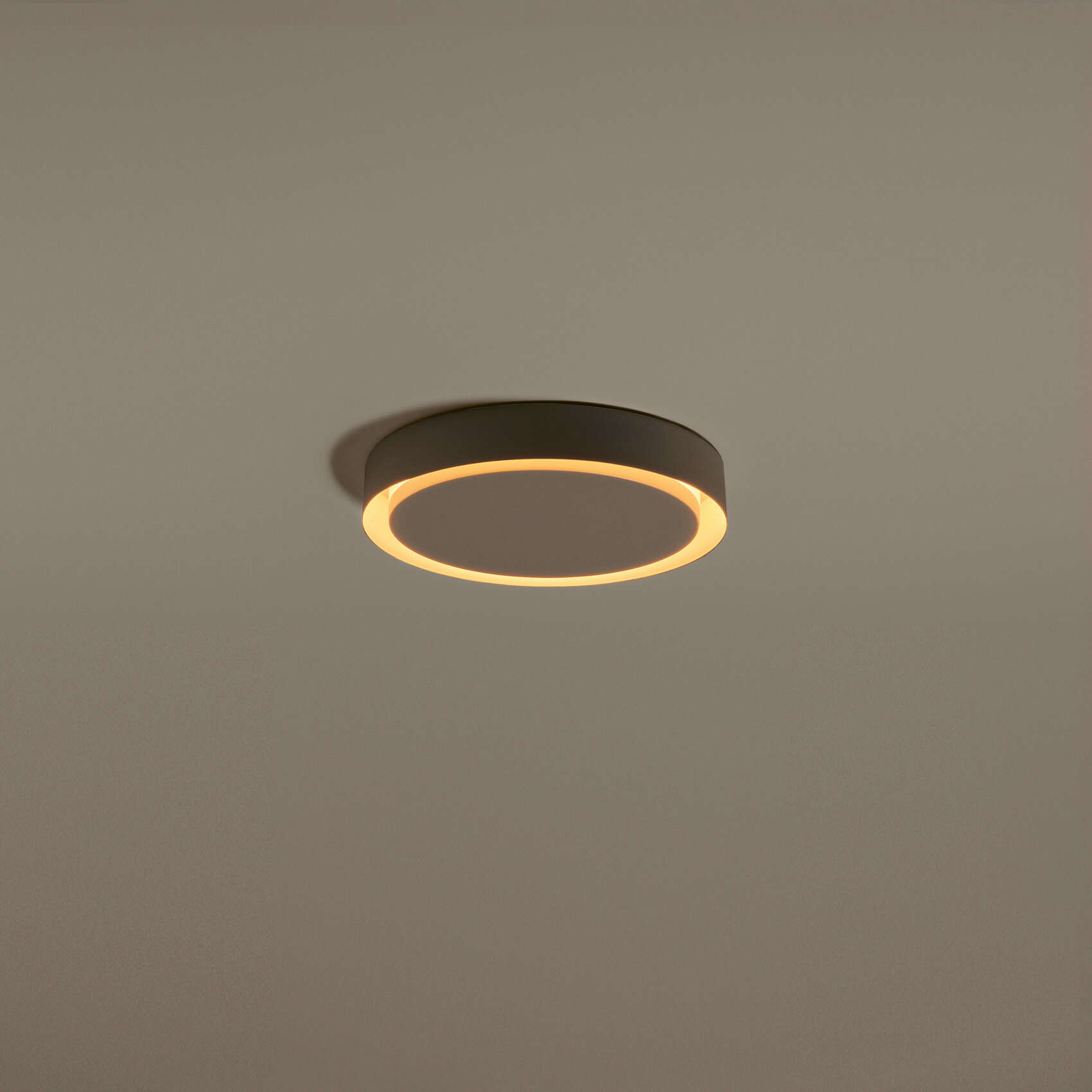
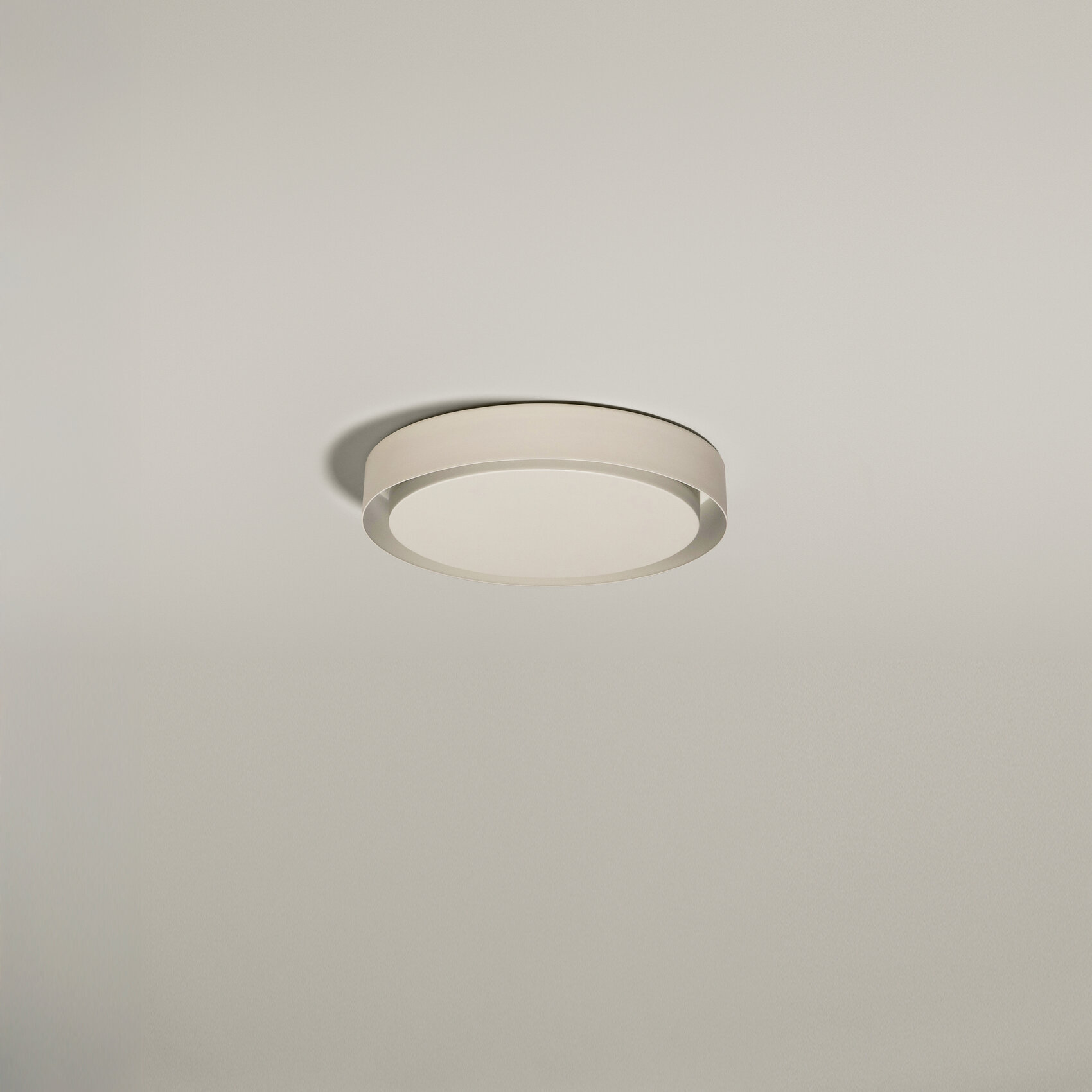
Amigo
Gonzalo Milá, Miguel Milá, 2009
780,17 €
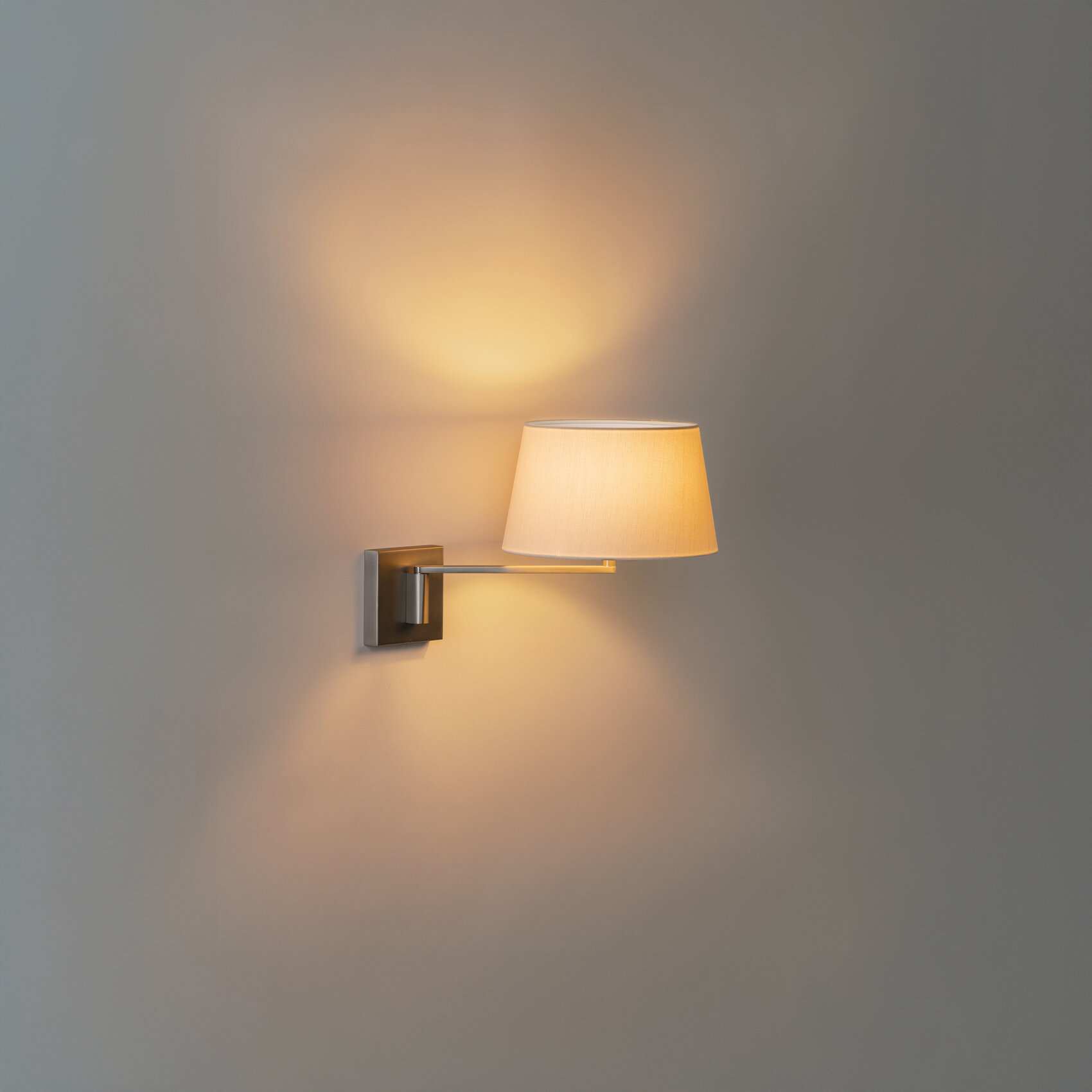

Americana
Miguel Milá, 1964
465,29 €
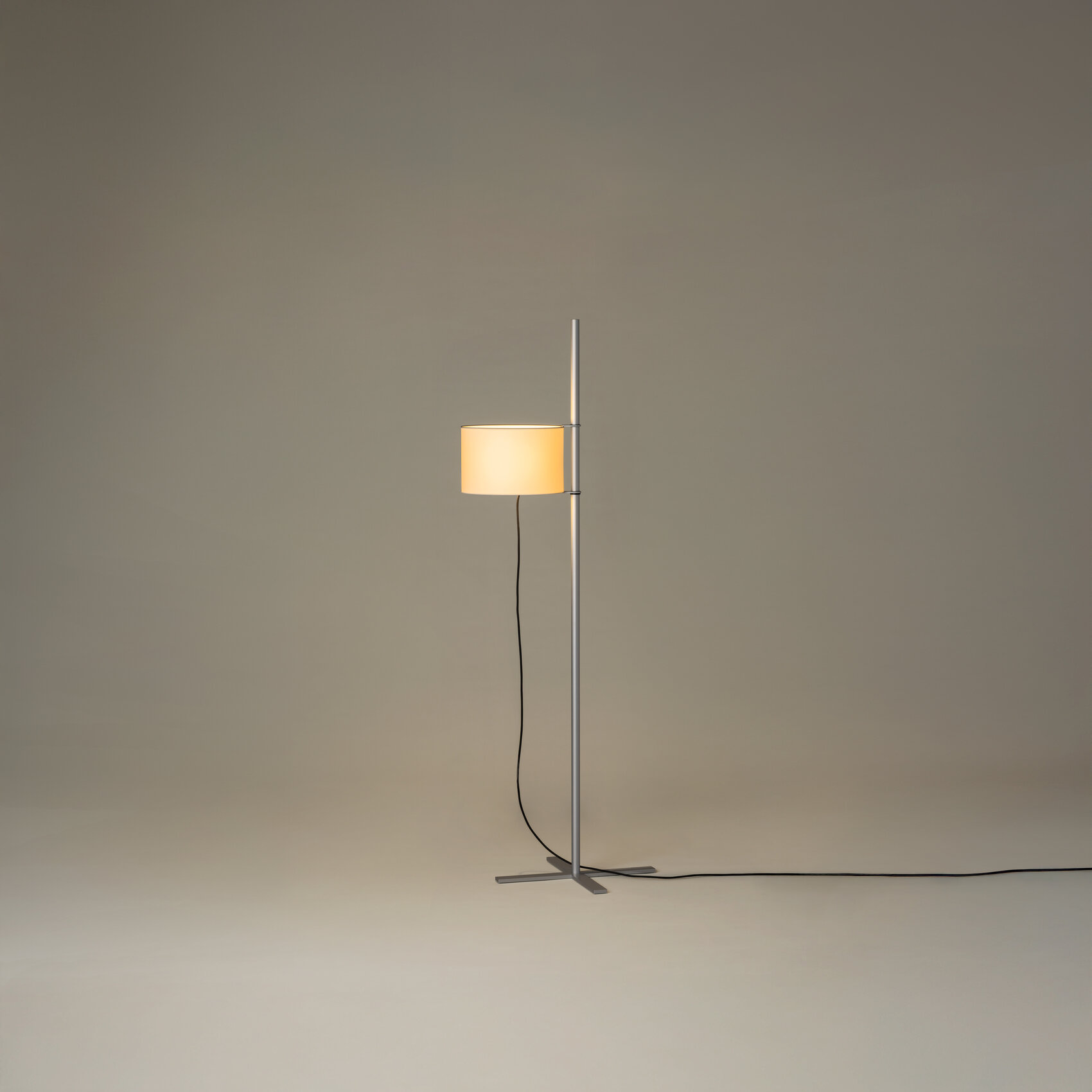
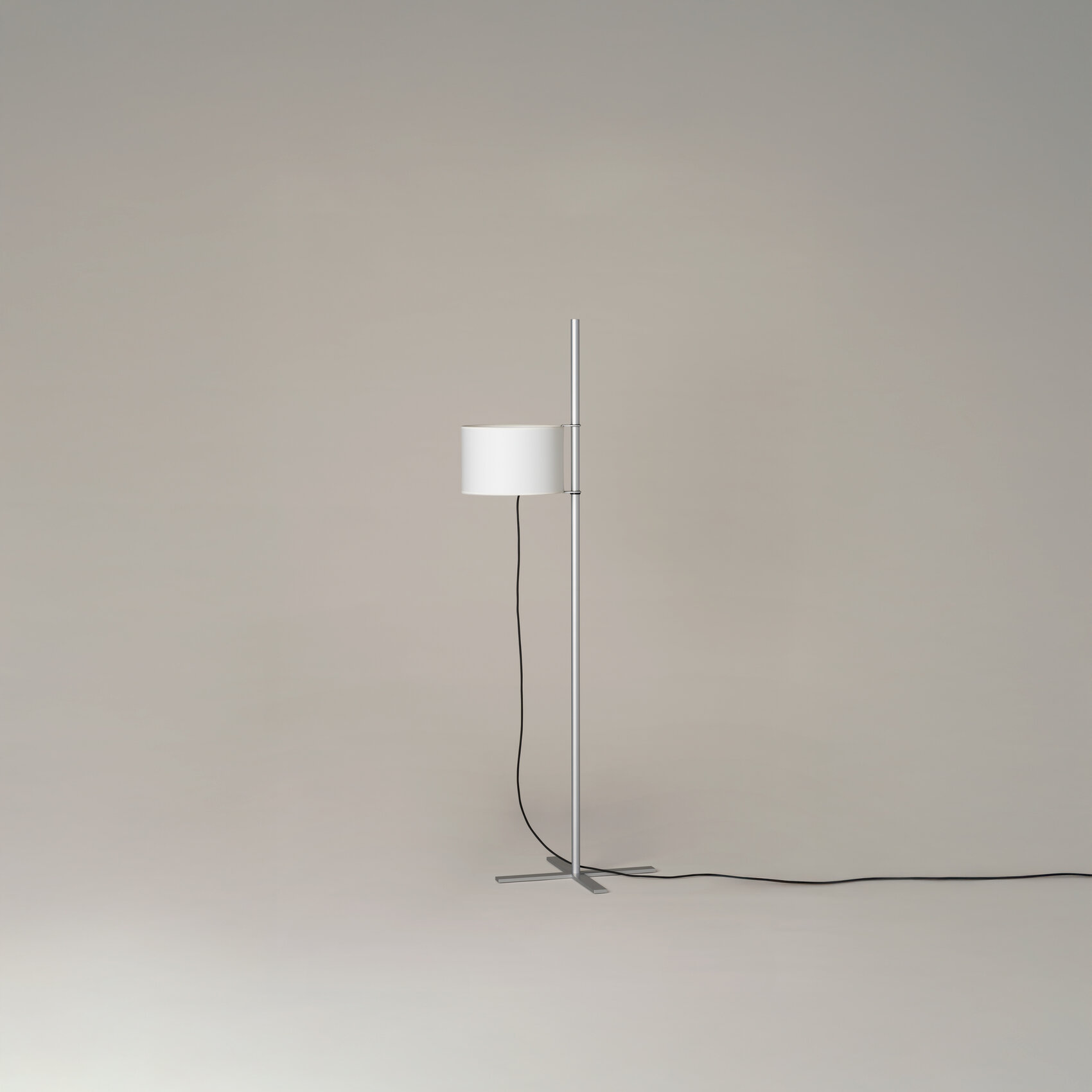
TMA
Miguel Milá, 1981
from 785,12 €
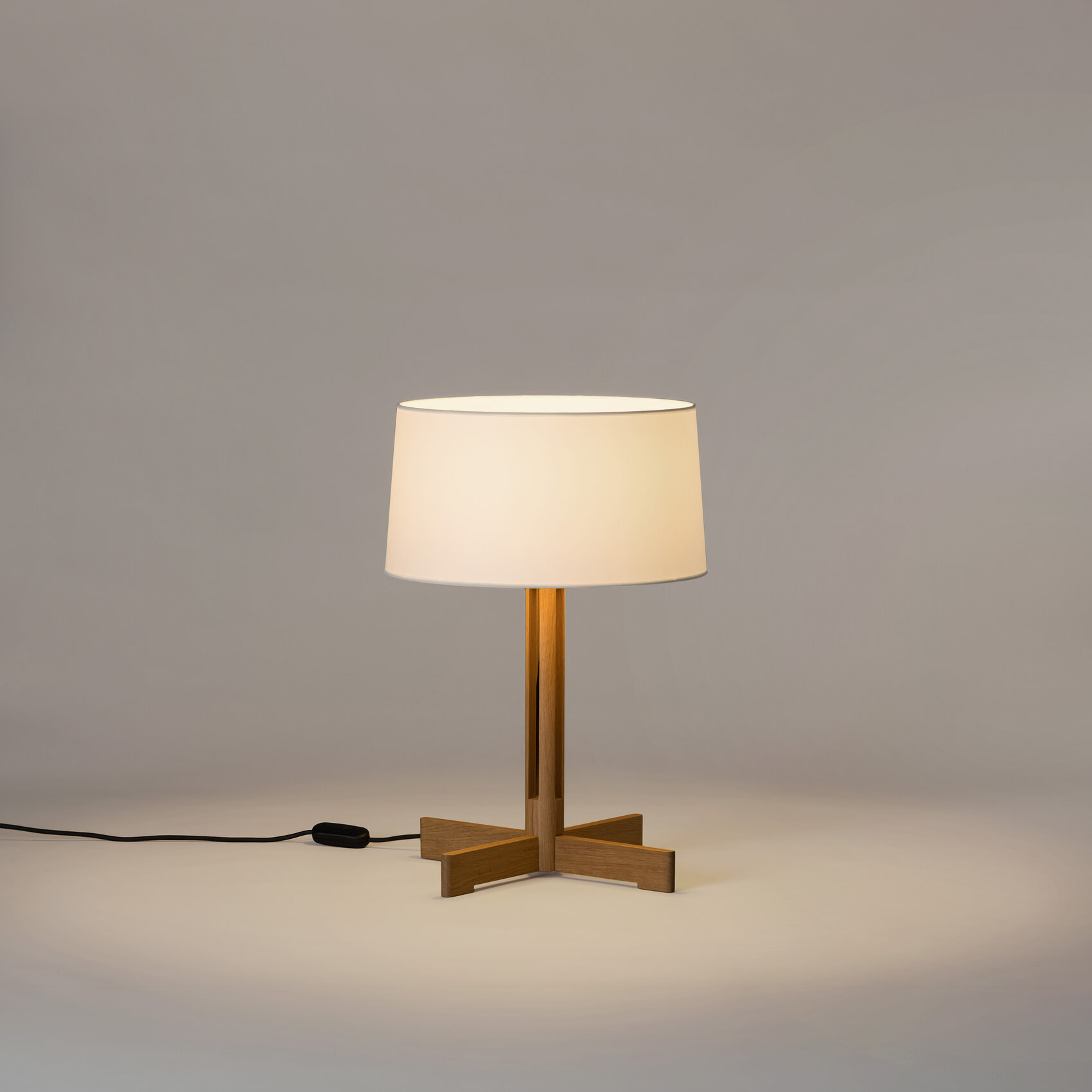
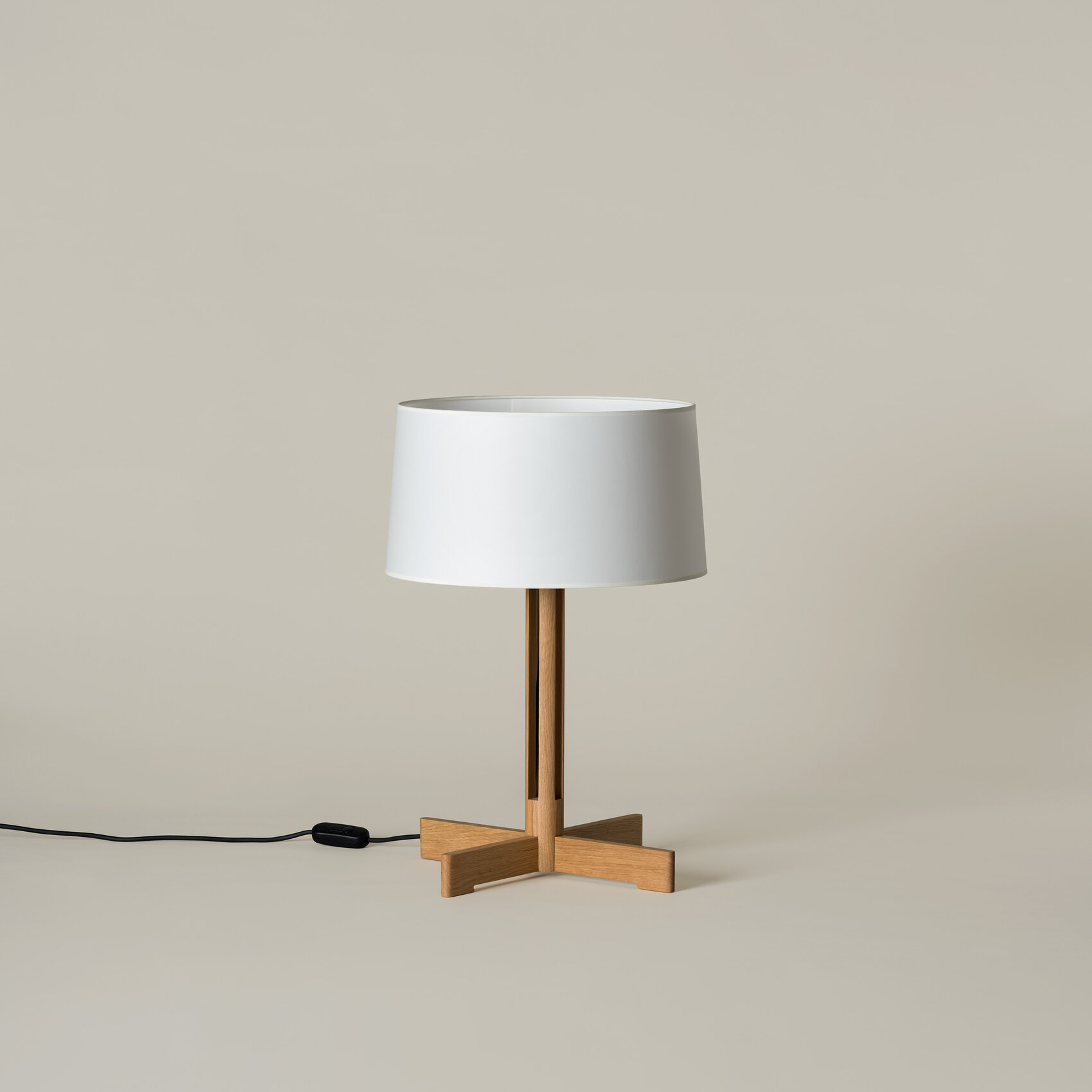
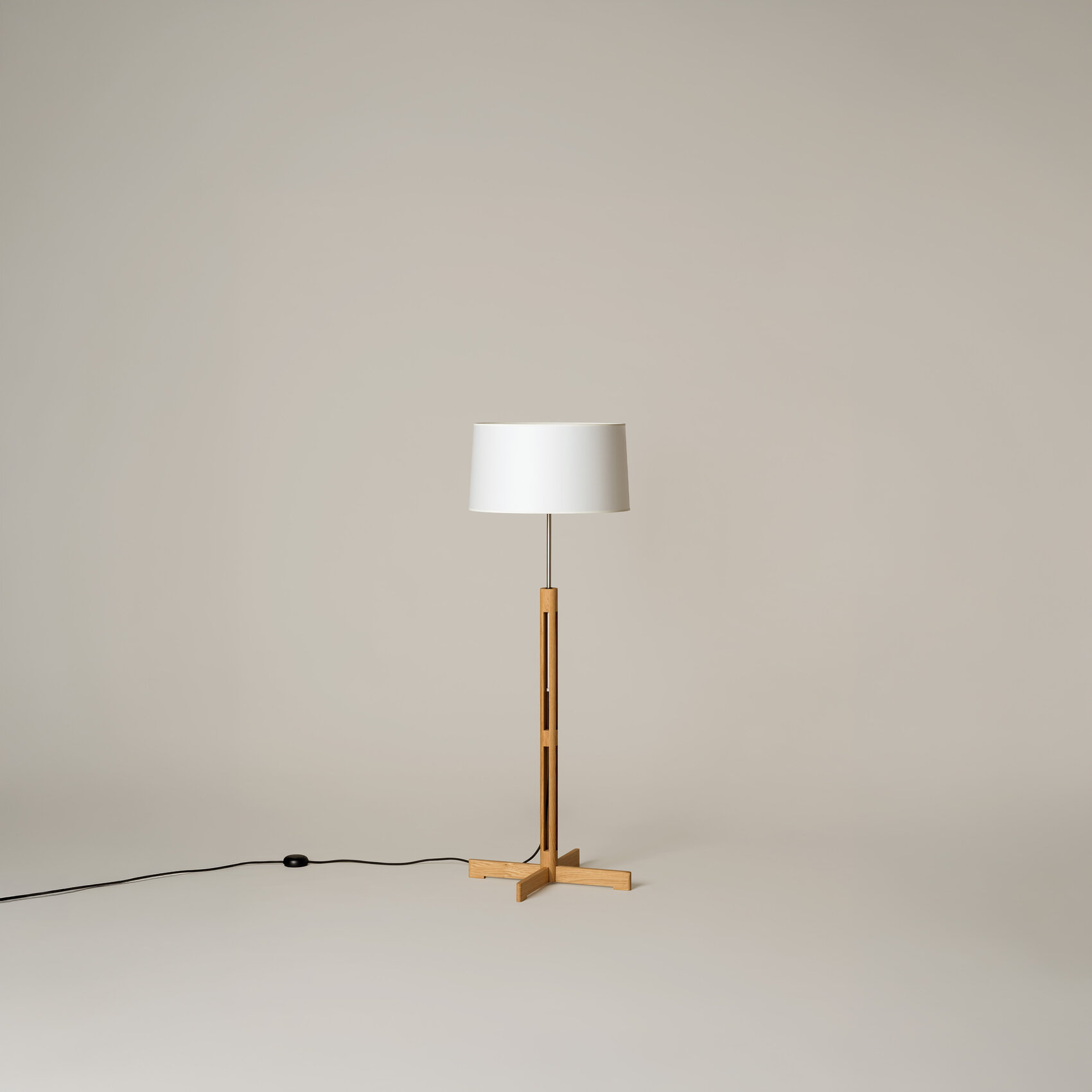
FAD
Miguel Milá, 1973
780,17 €
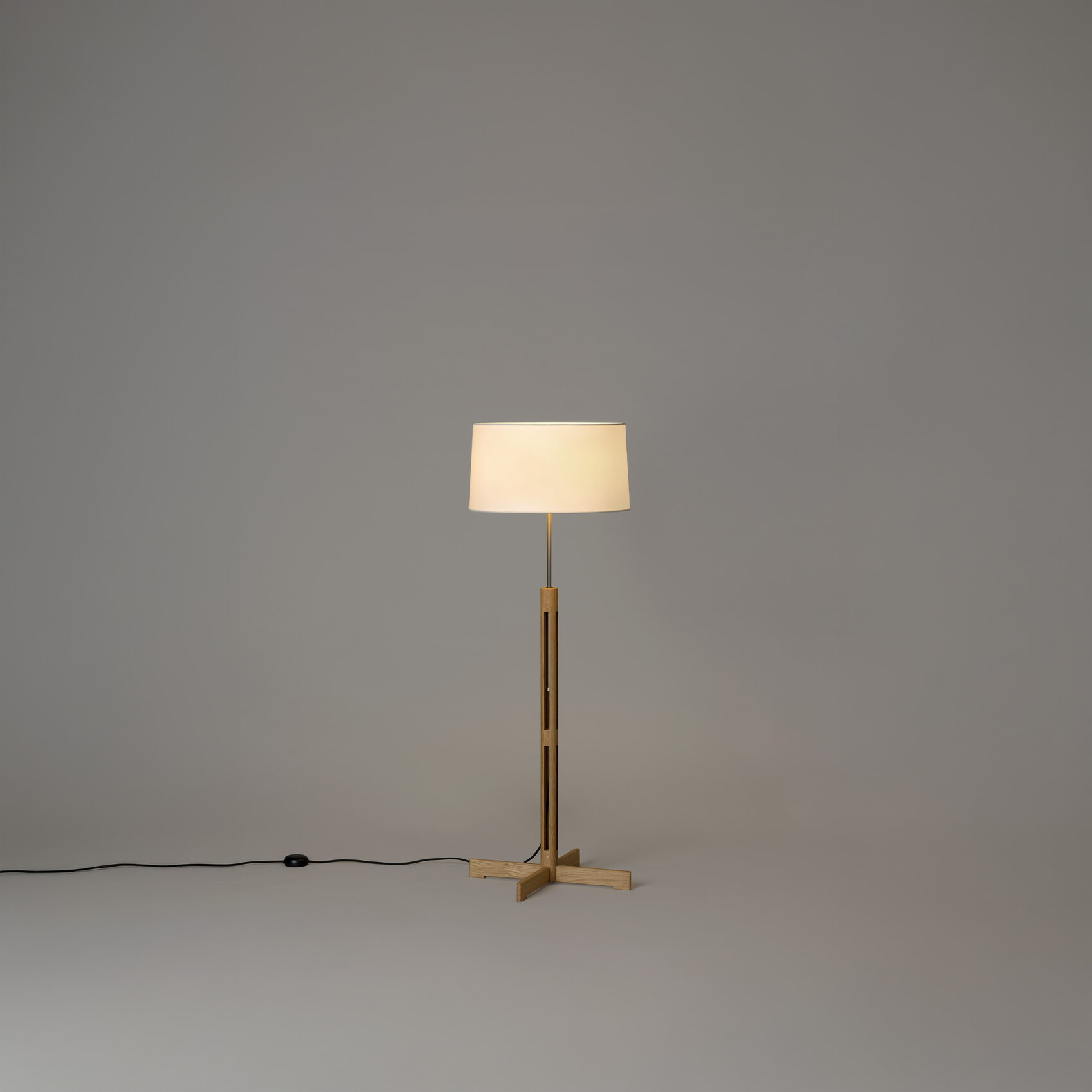
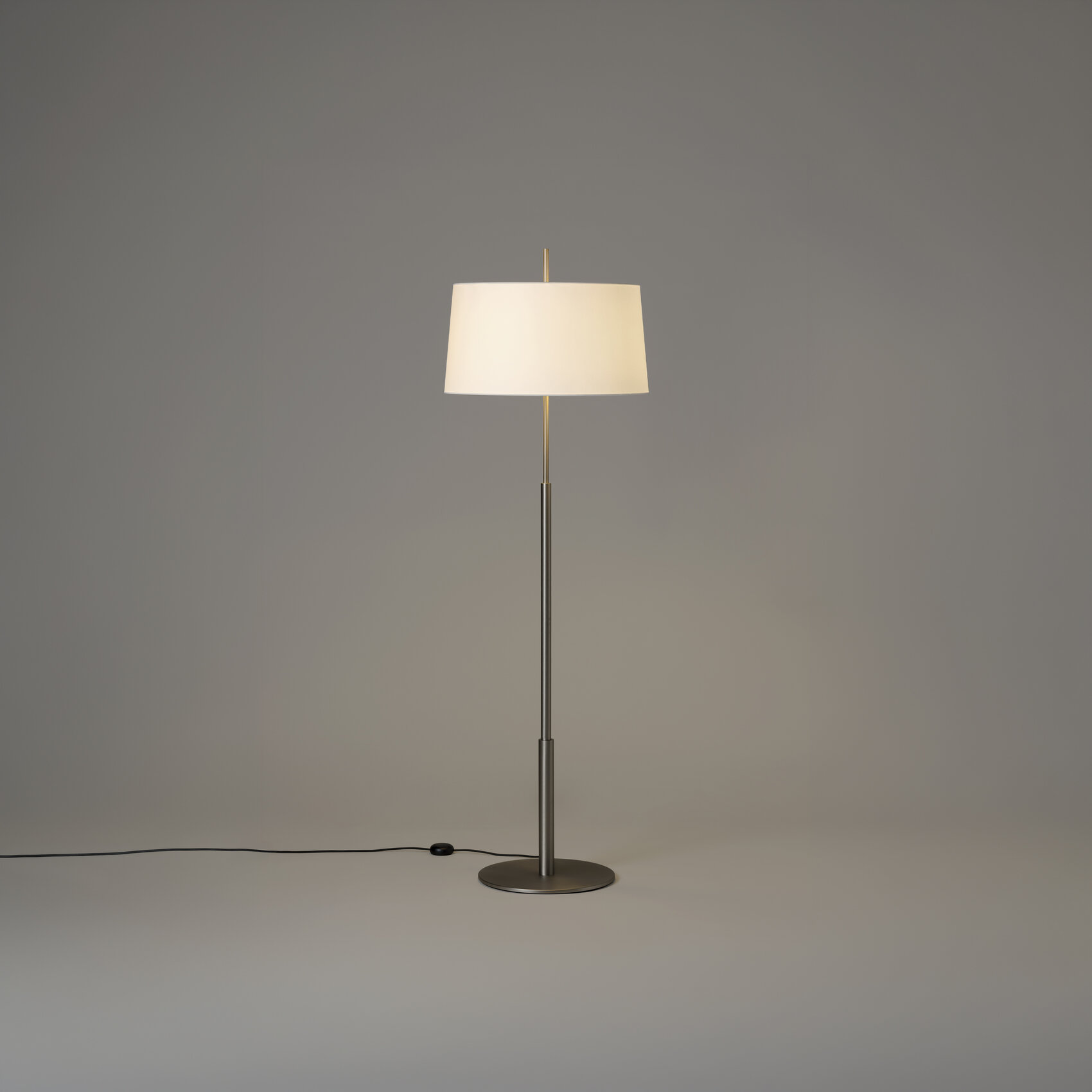
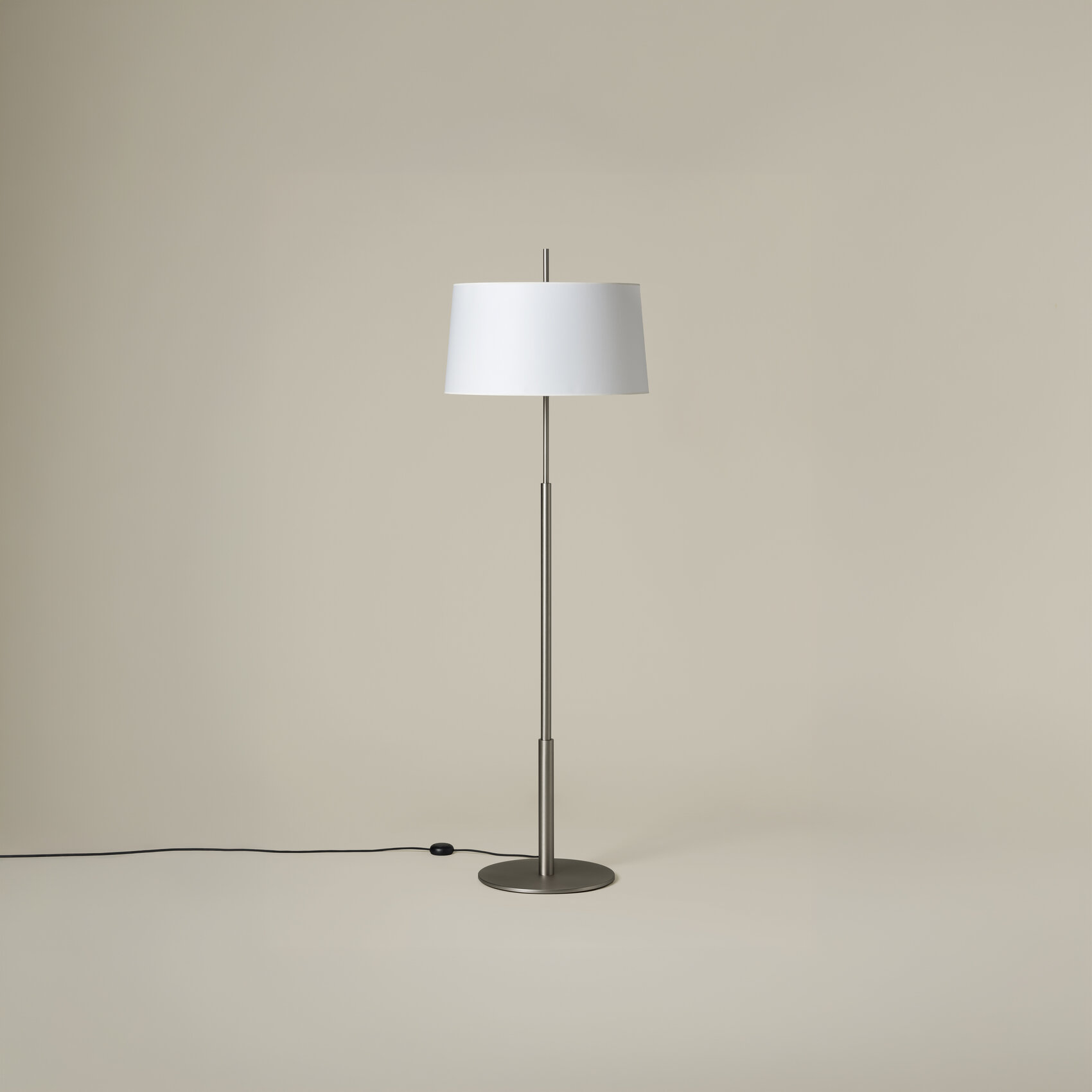
FAD
Miguel Milá, 1974
940,50 €
1.380,17 €
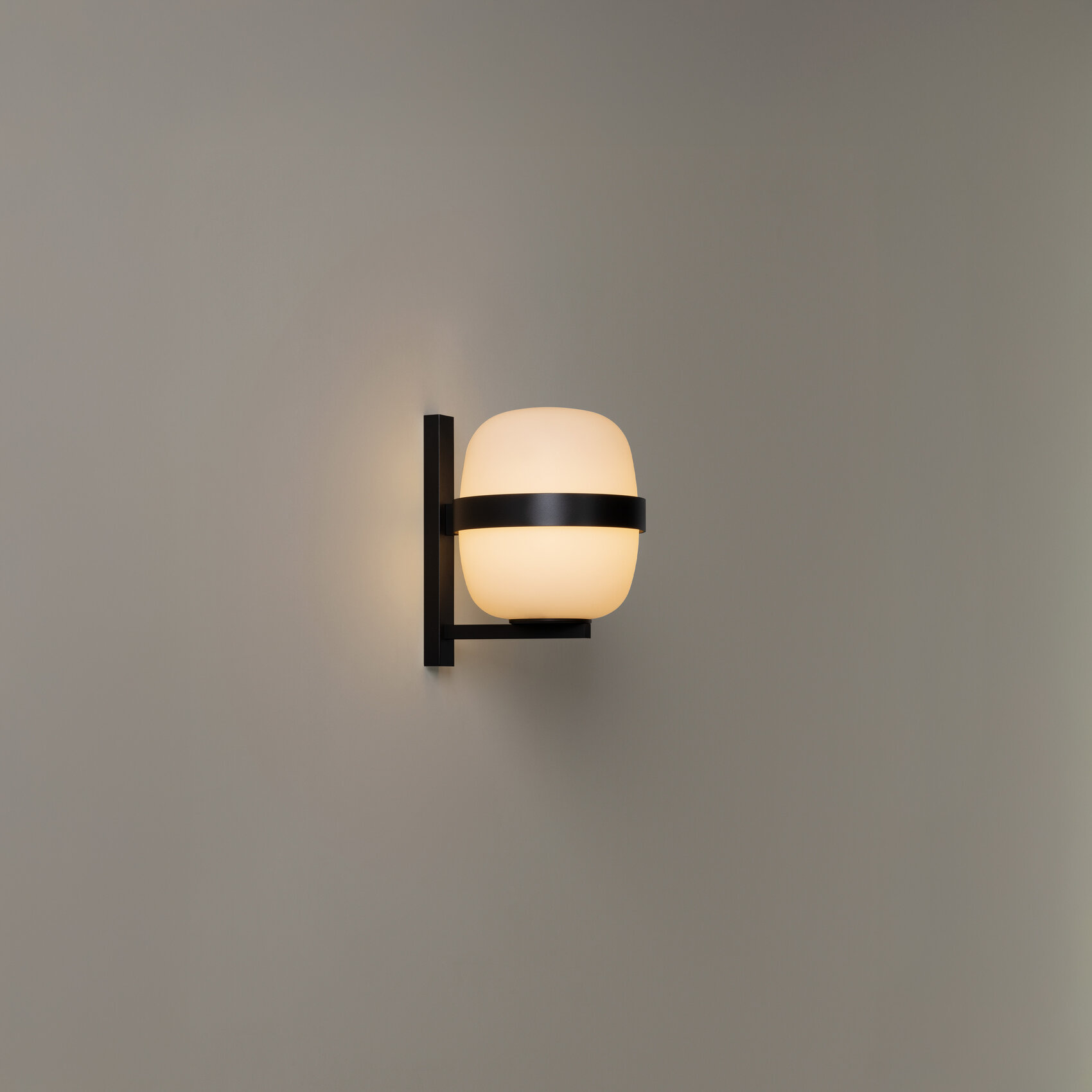
Wally Cestita
Miguel Milá, 1962
390,08 €
780,17 €
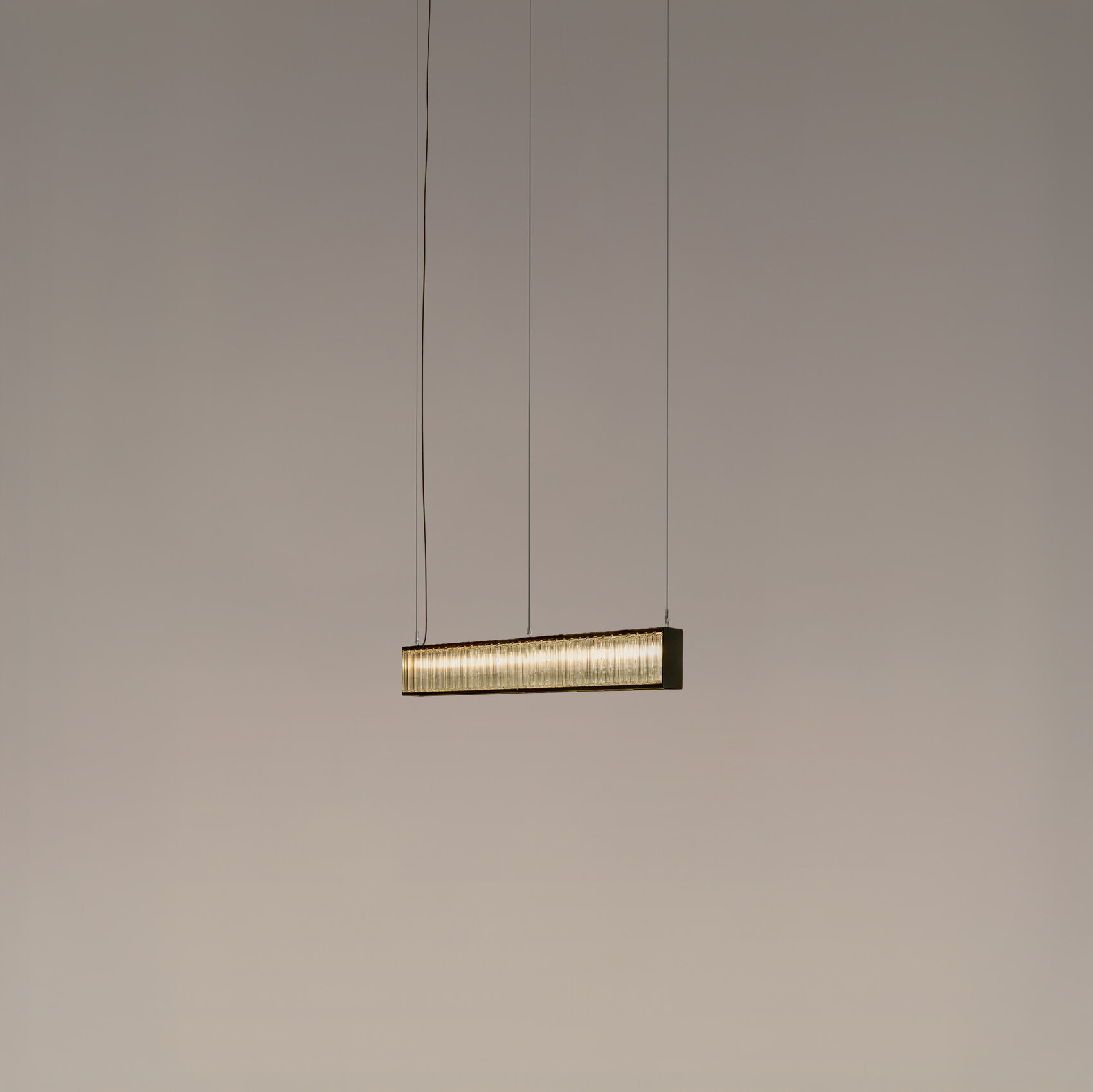
Línea Estadio
Miguel Milá, 2014
from 7.100 €
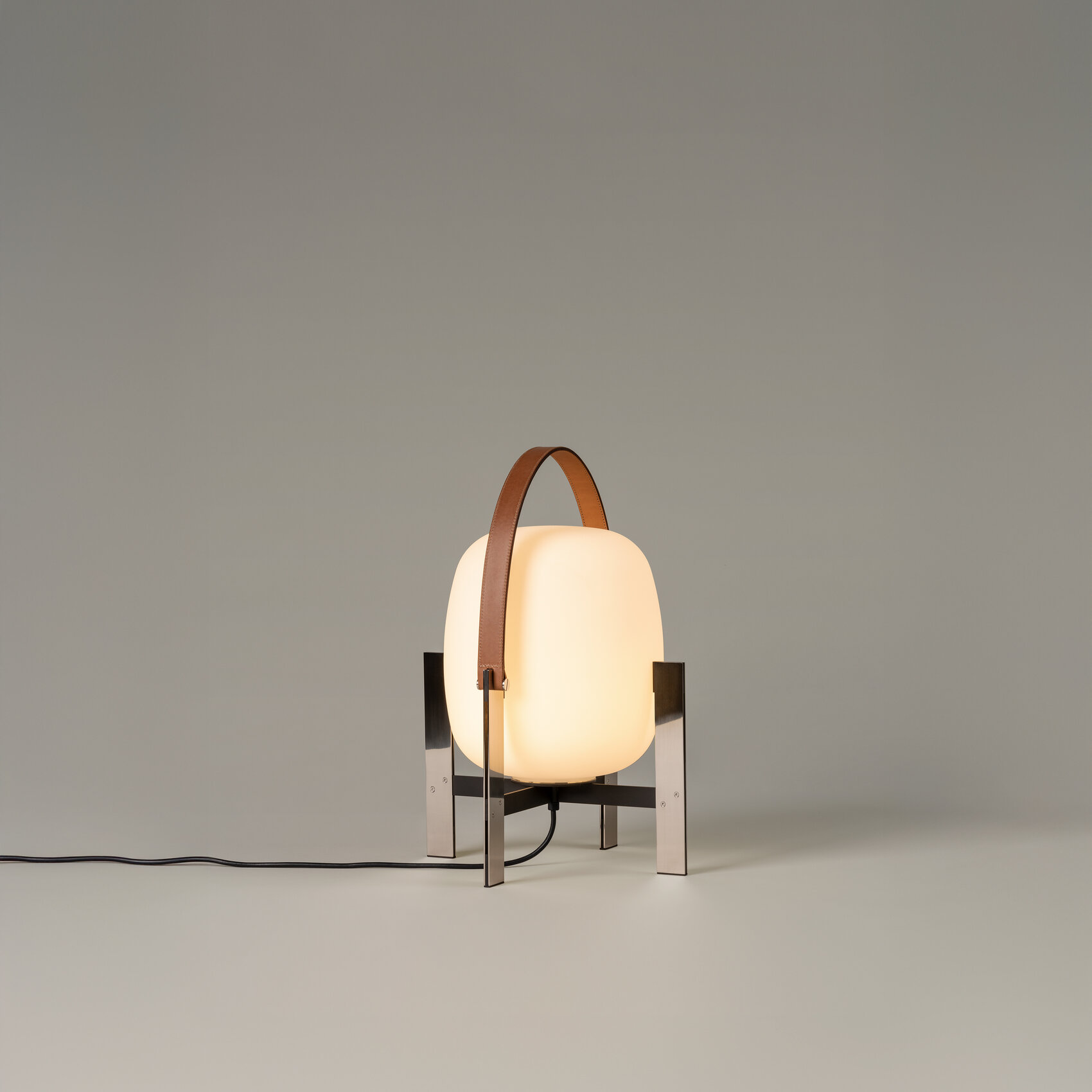
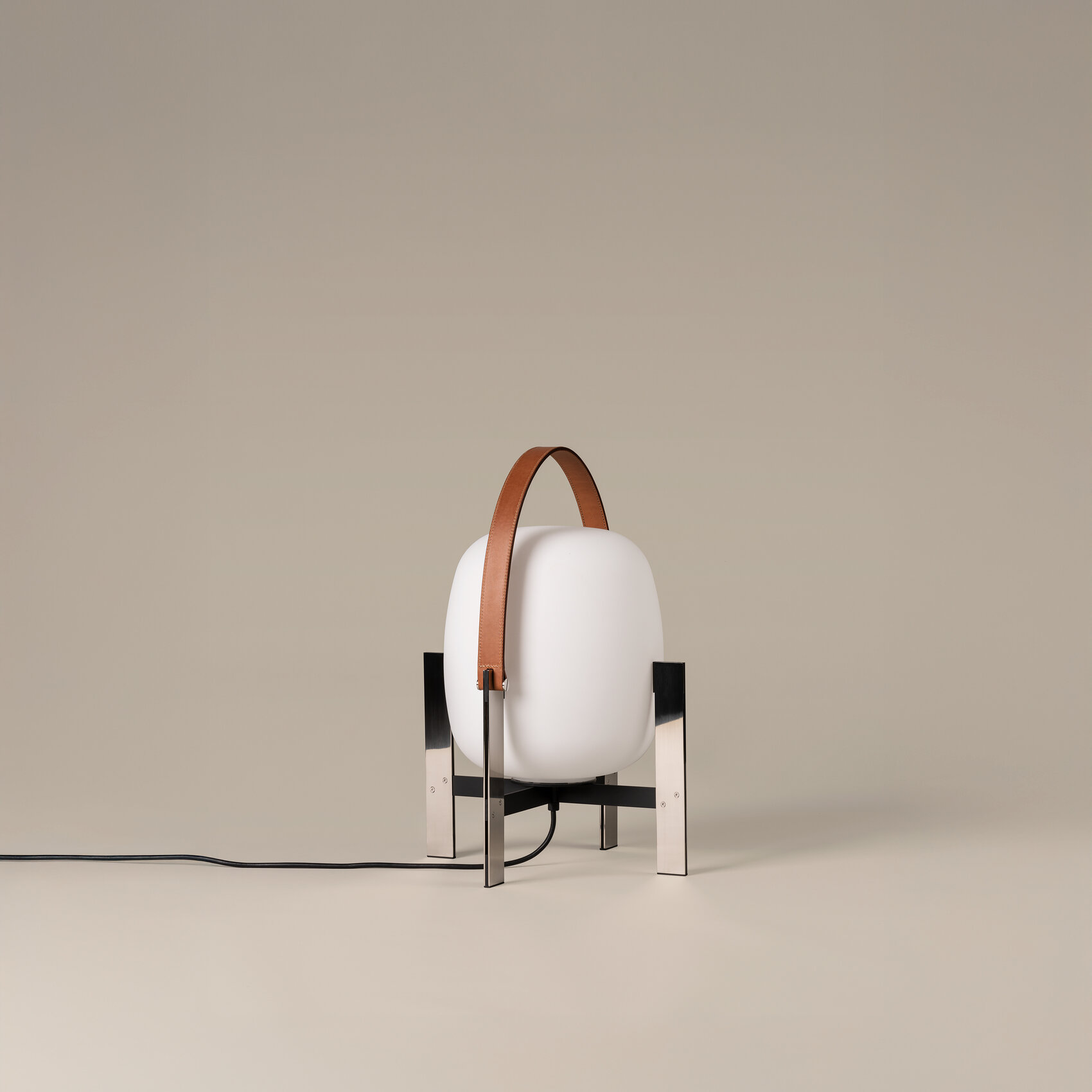
from 1.150,41 €
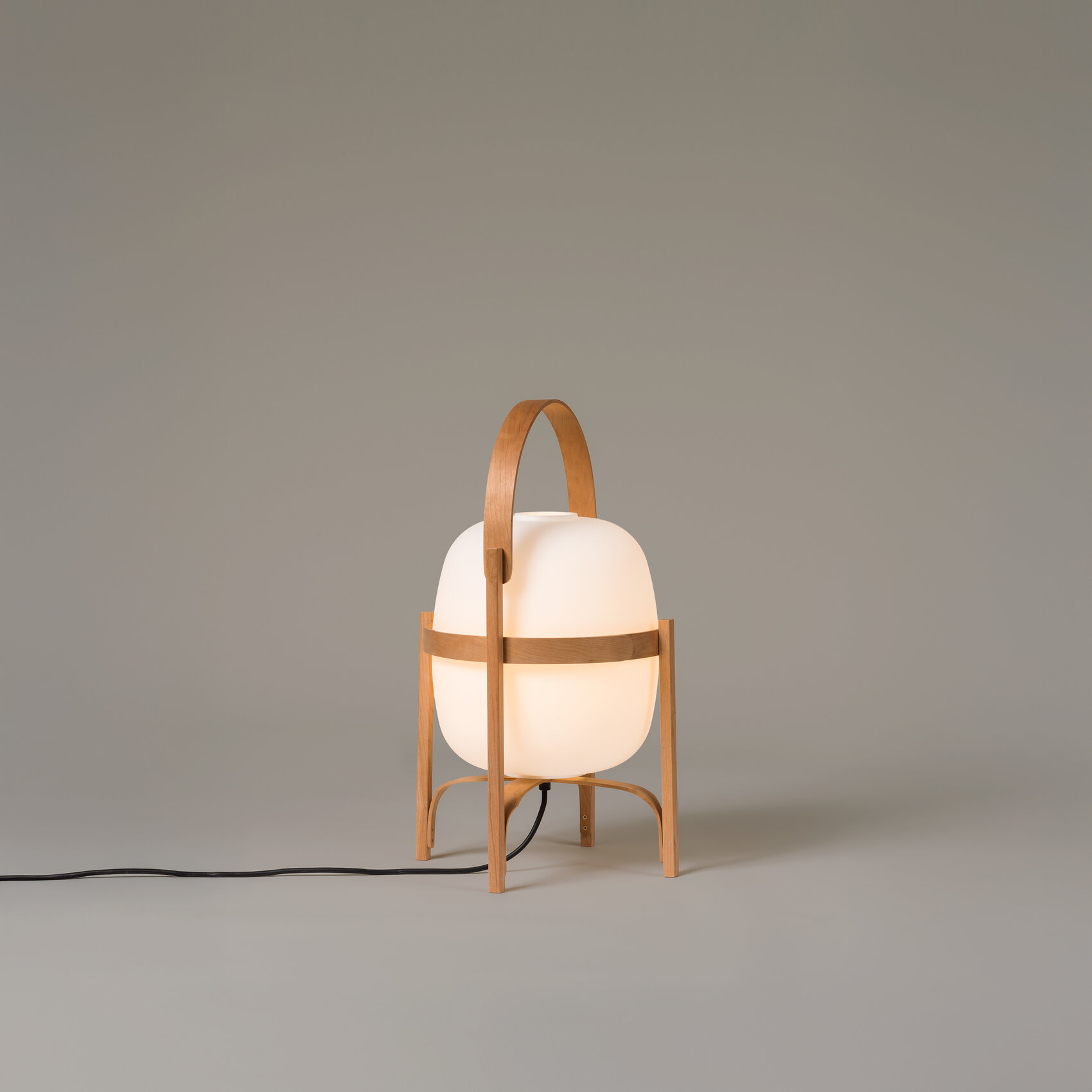
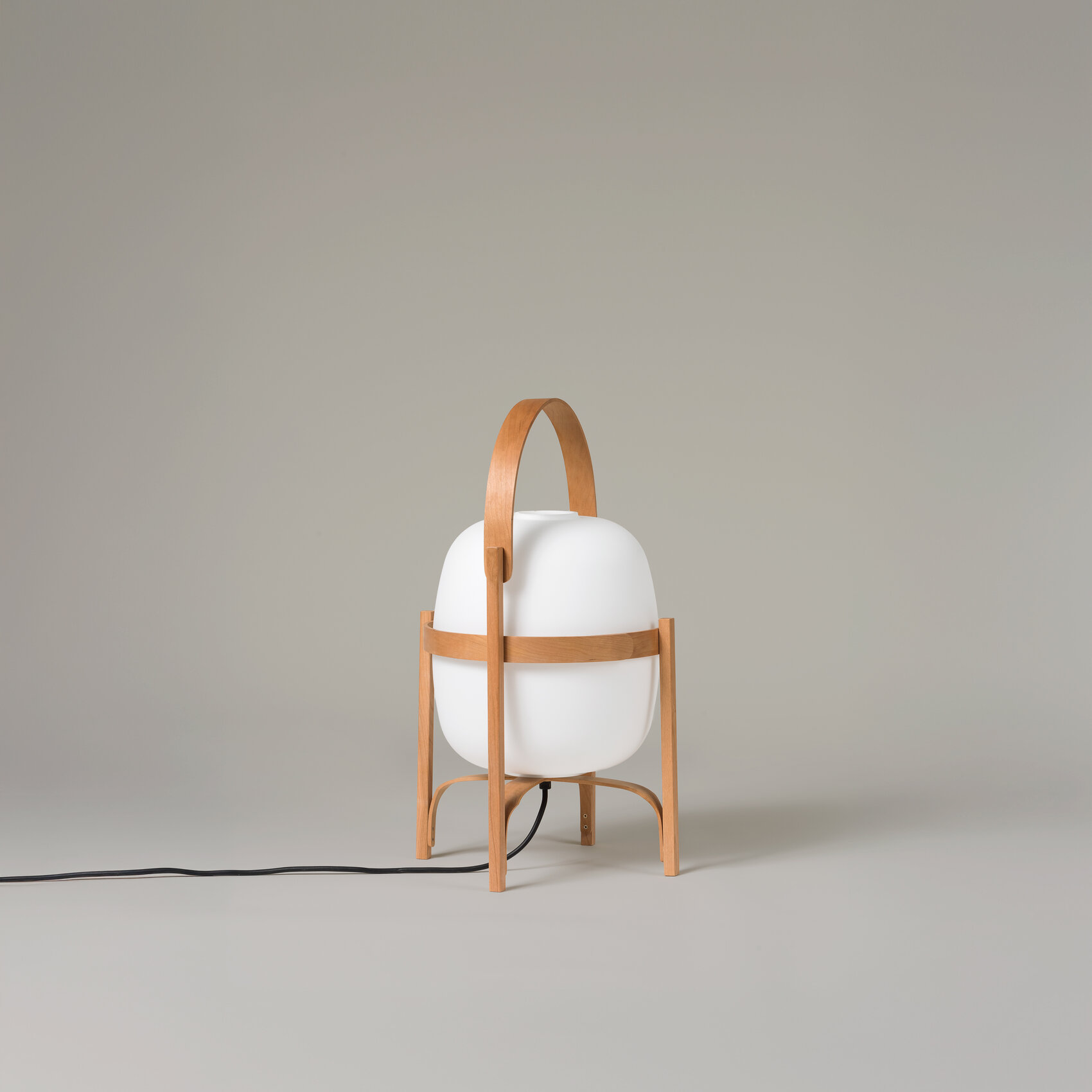
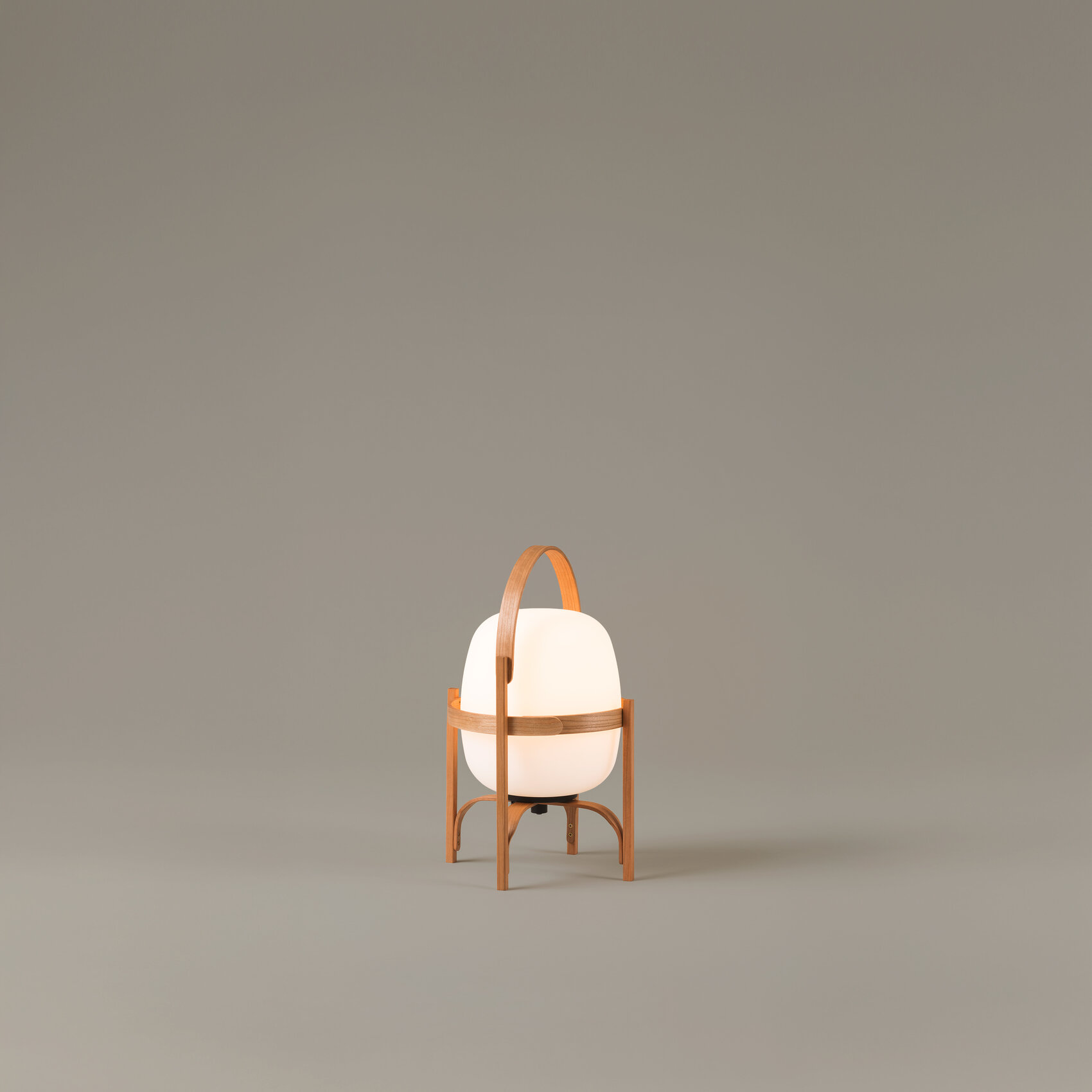
Cesta
Miguel Milá, 1962
780,17 €
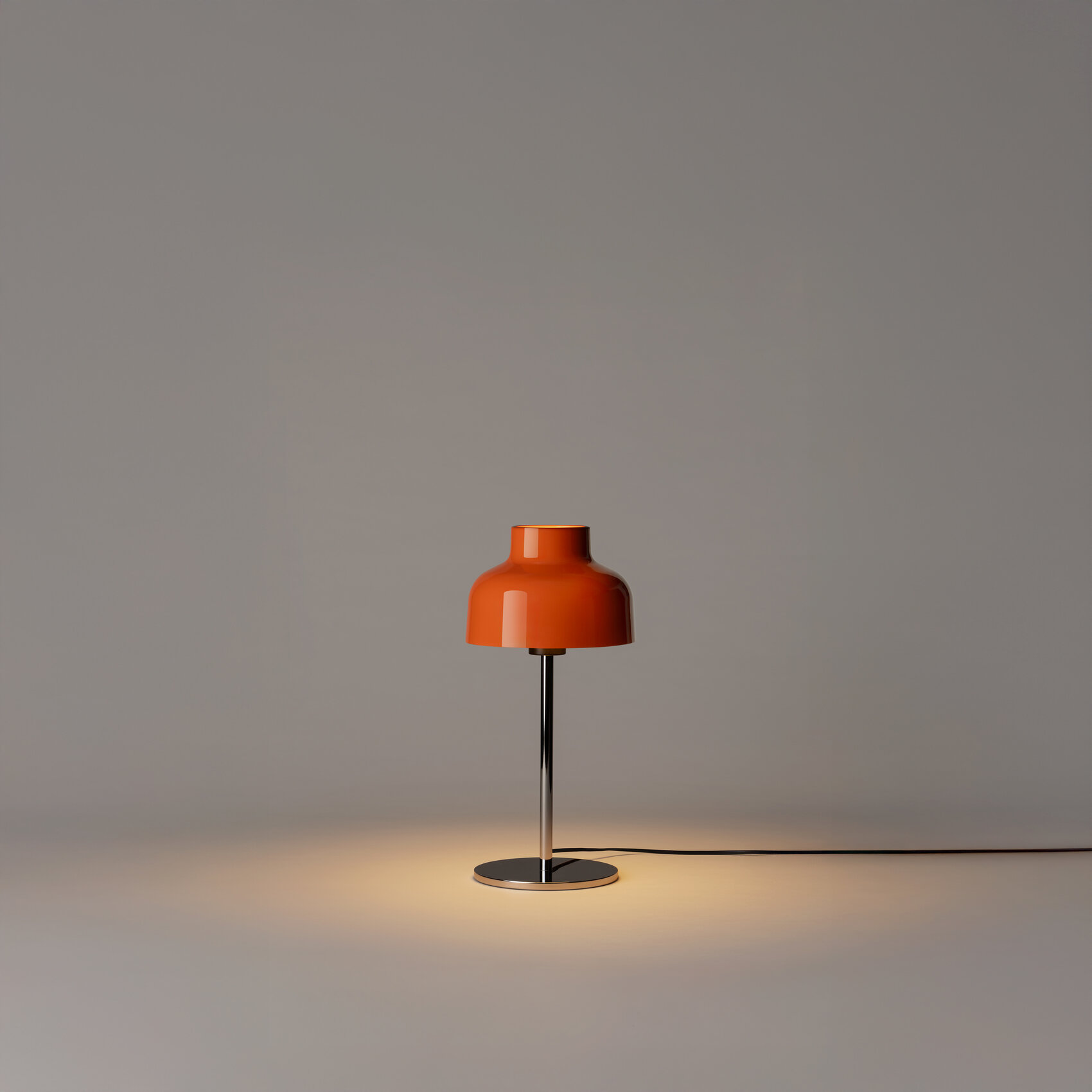
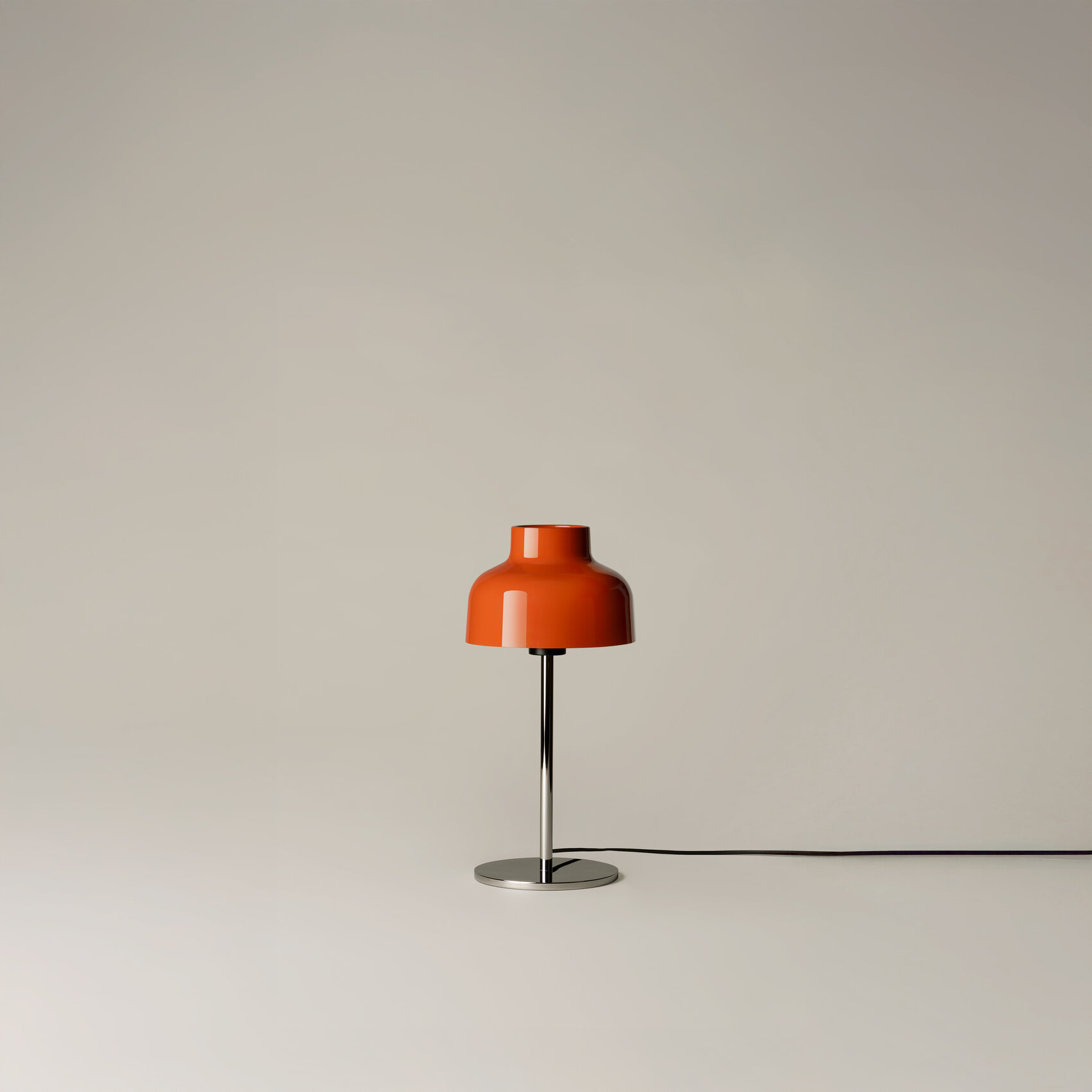
M64
Miguel Milá, 2024
from 625,62 €
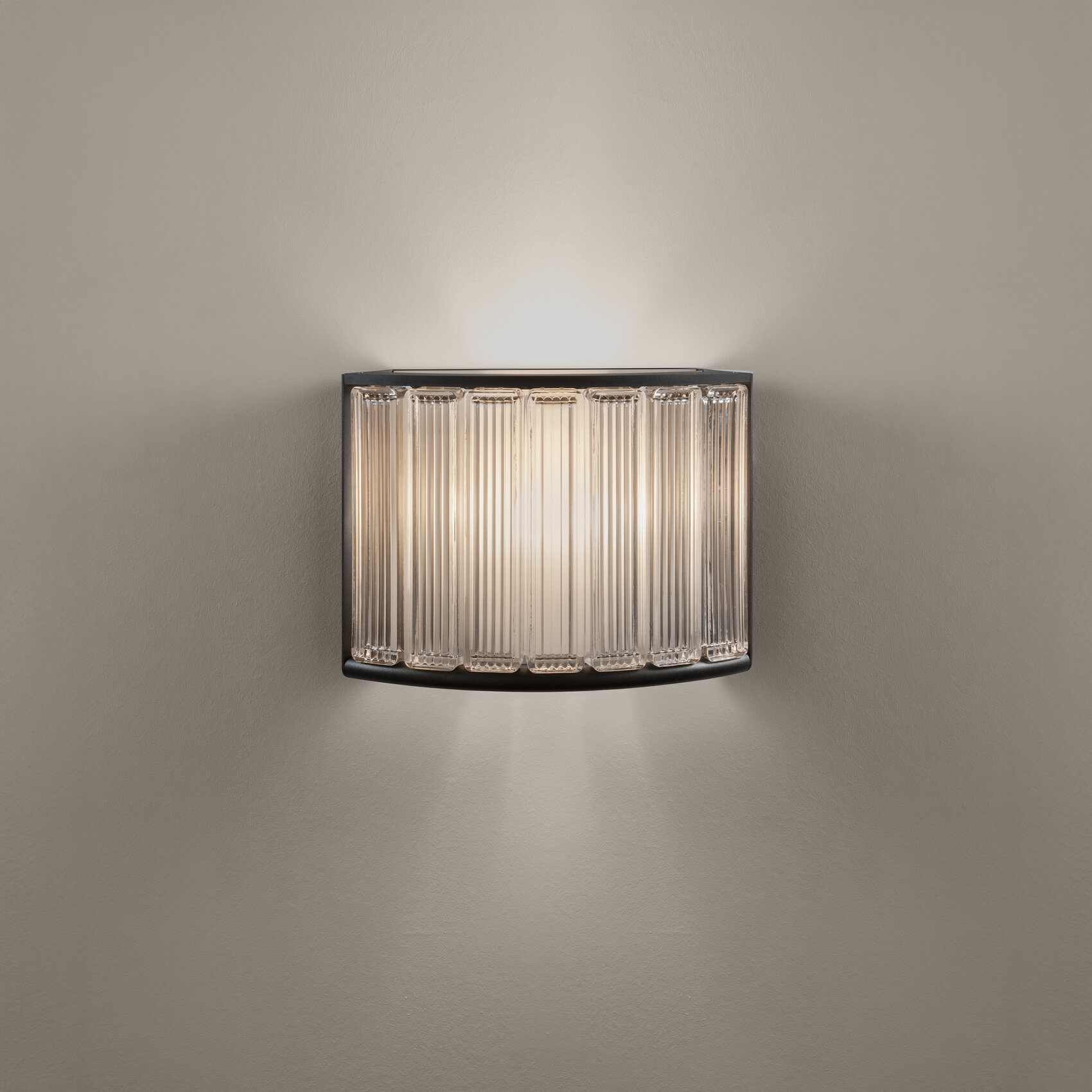
Estadio
Miguel Milá, 2015
810,74 €
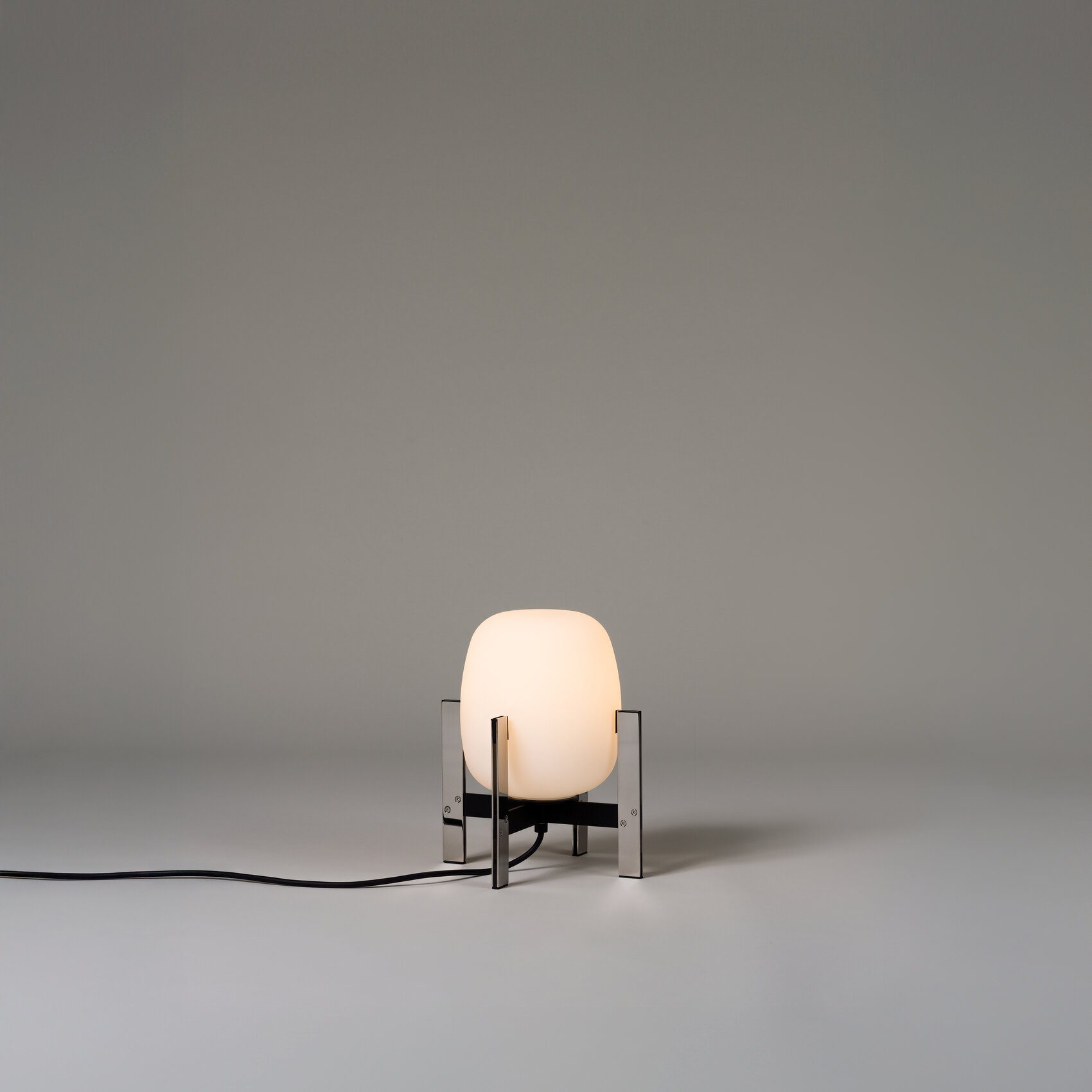
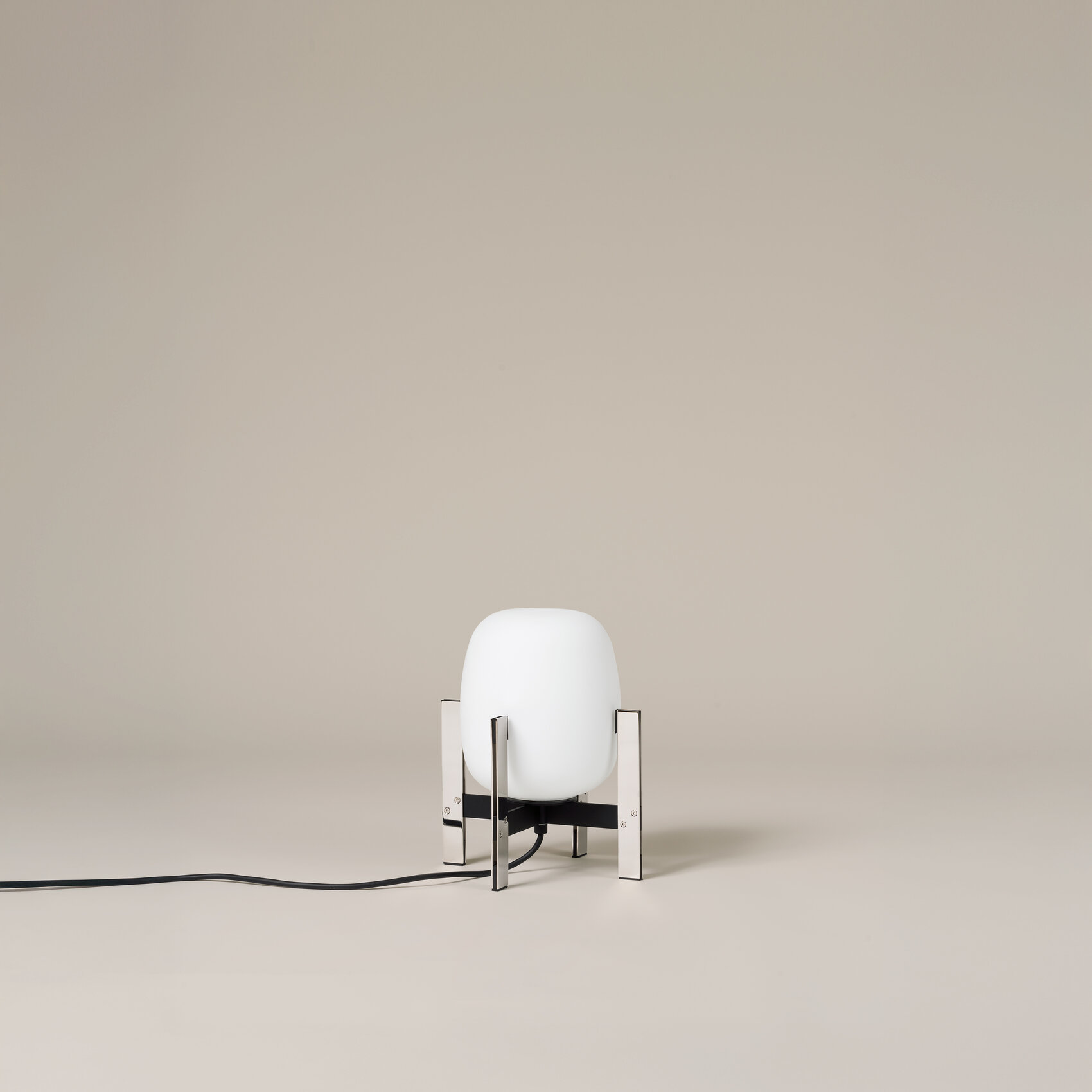
960,33 €
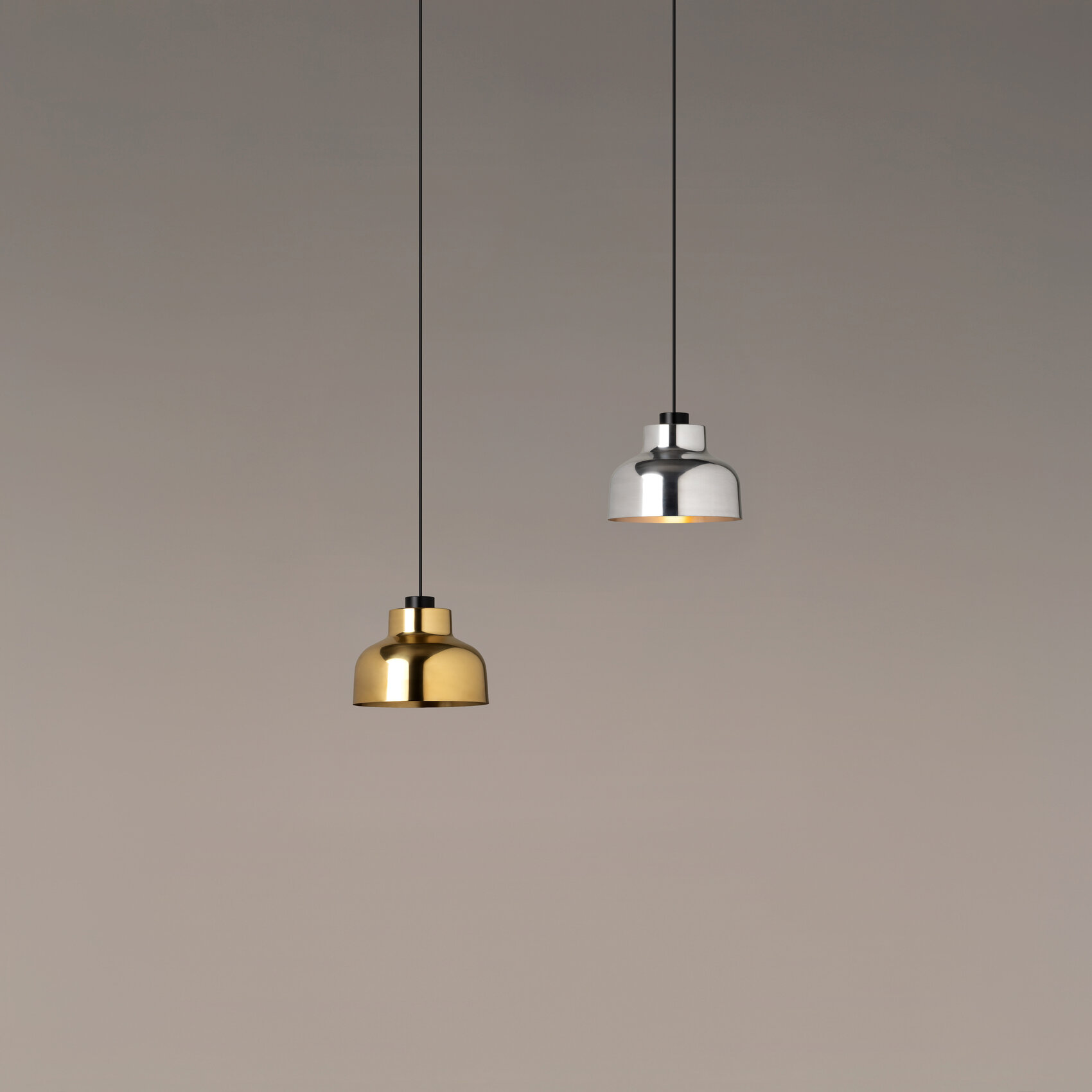
M64
Miguel Milá, 1964
from 435,54 €
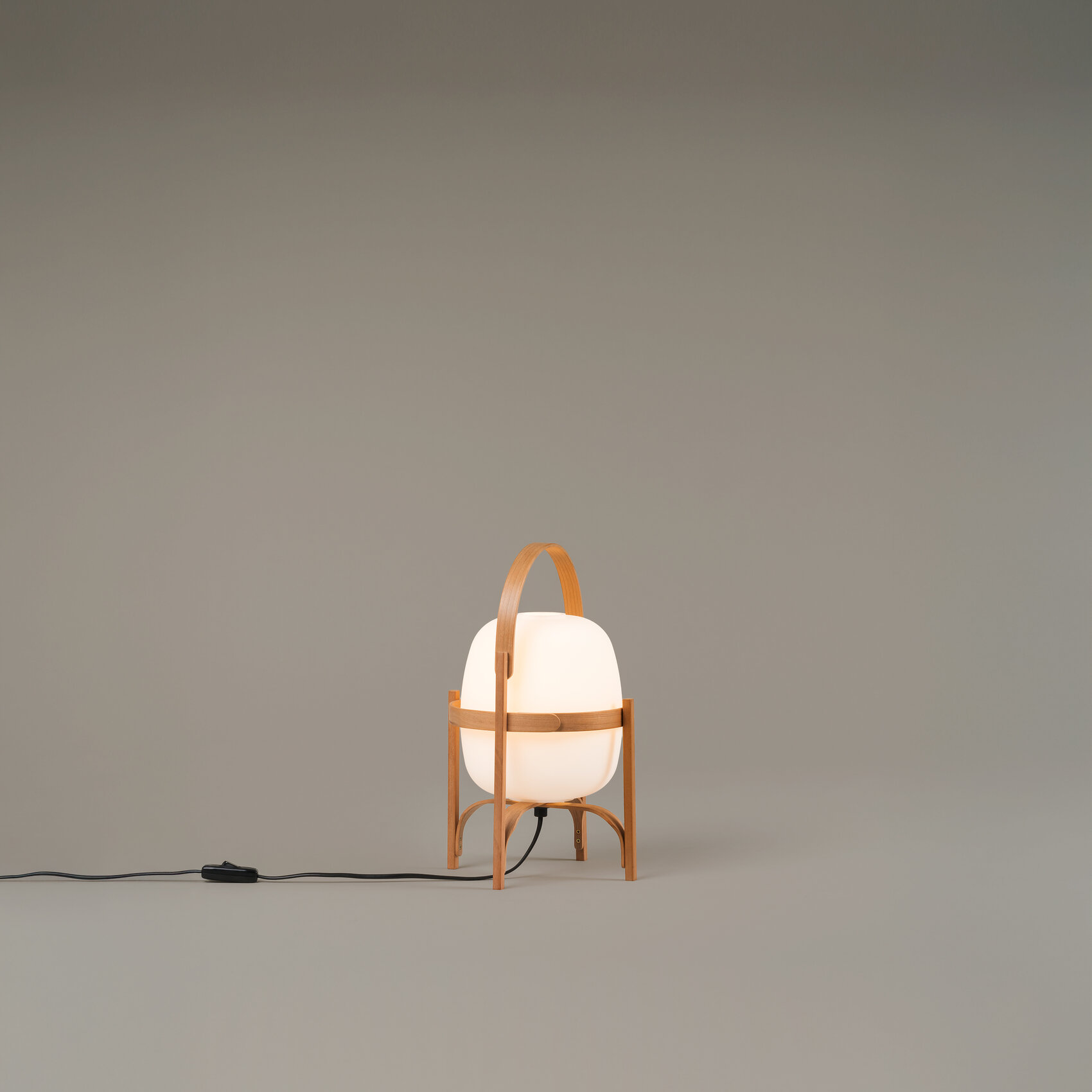
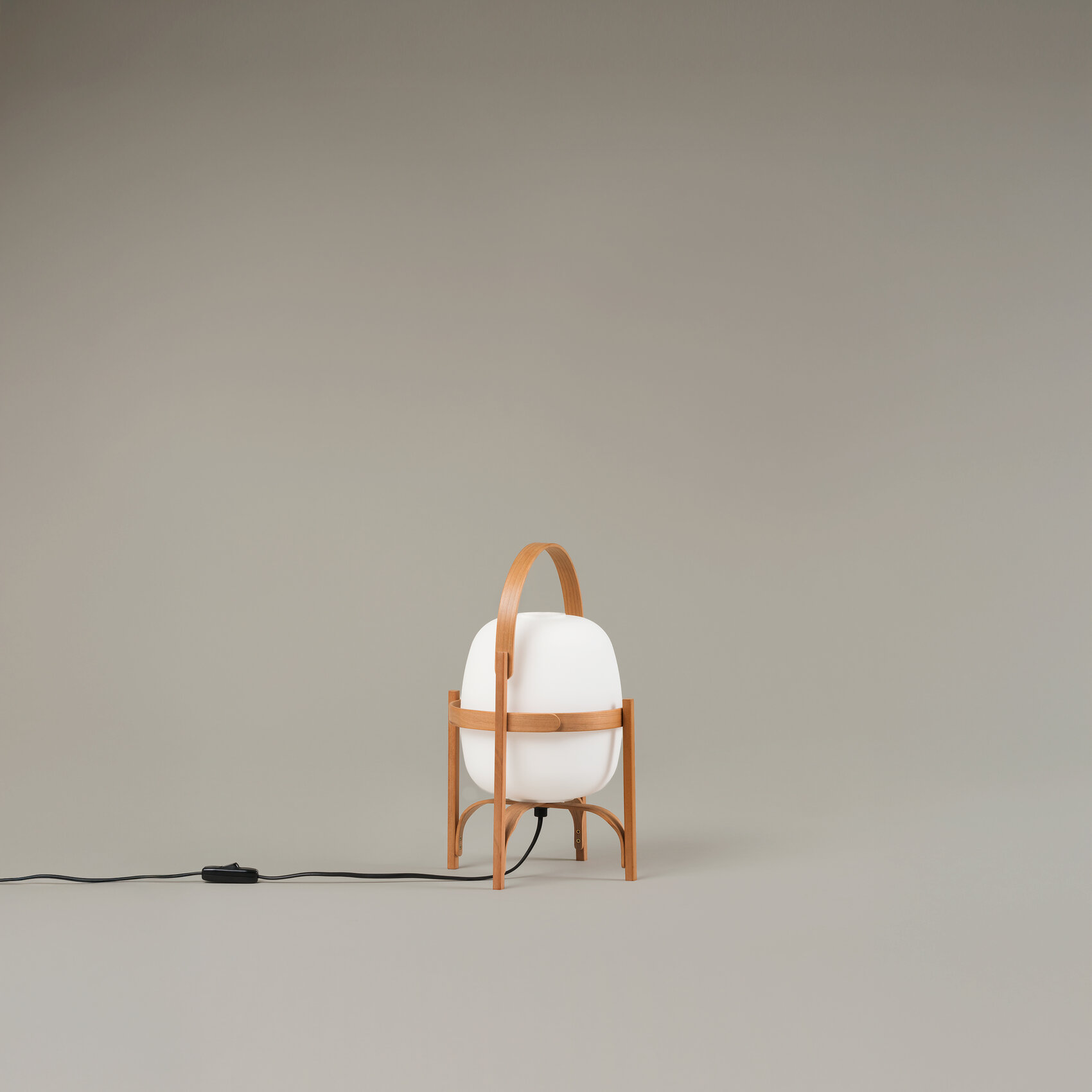
Cestita
Miguel Milá, 1962
515 €
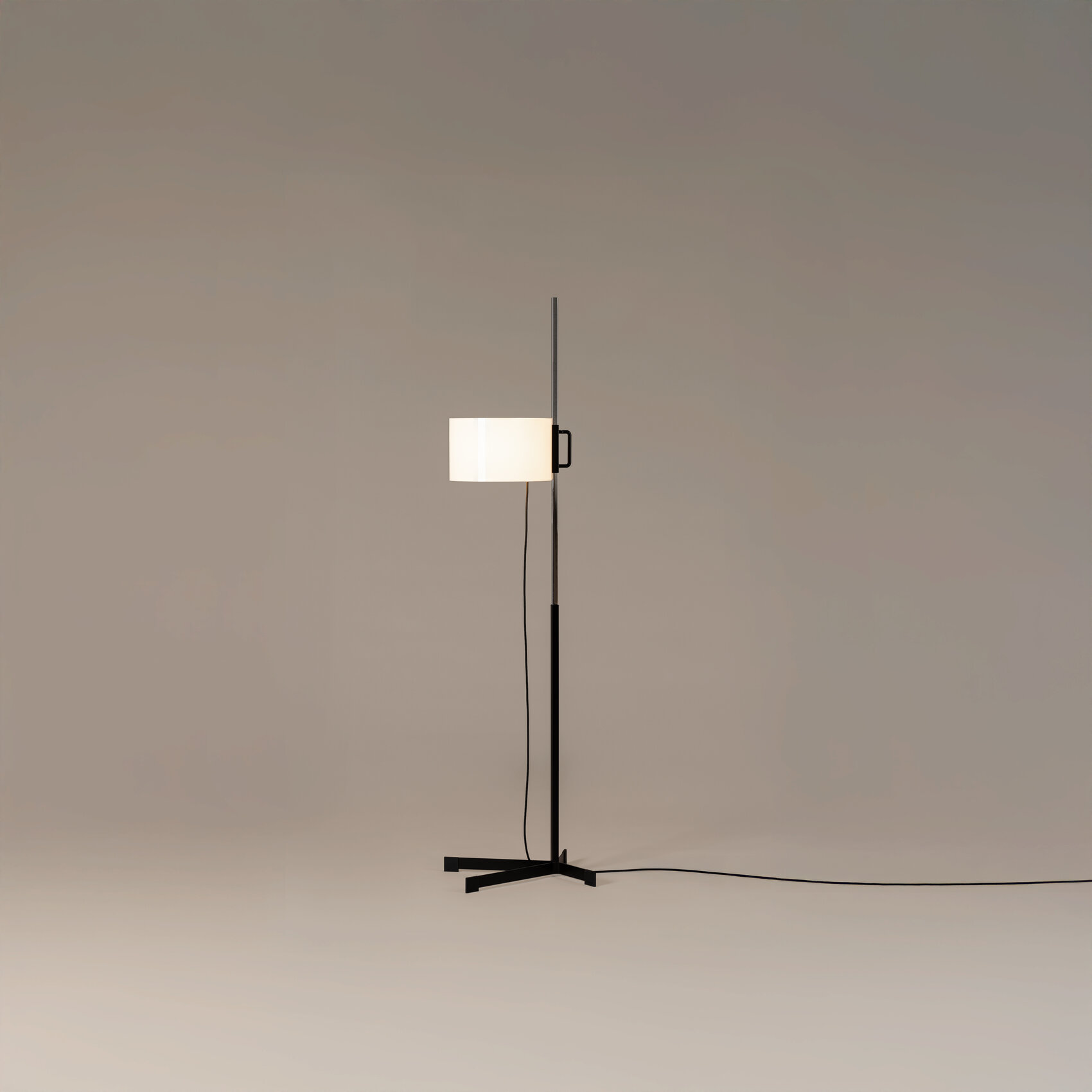
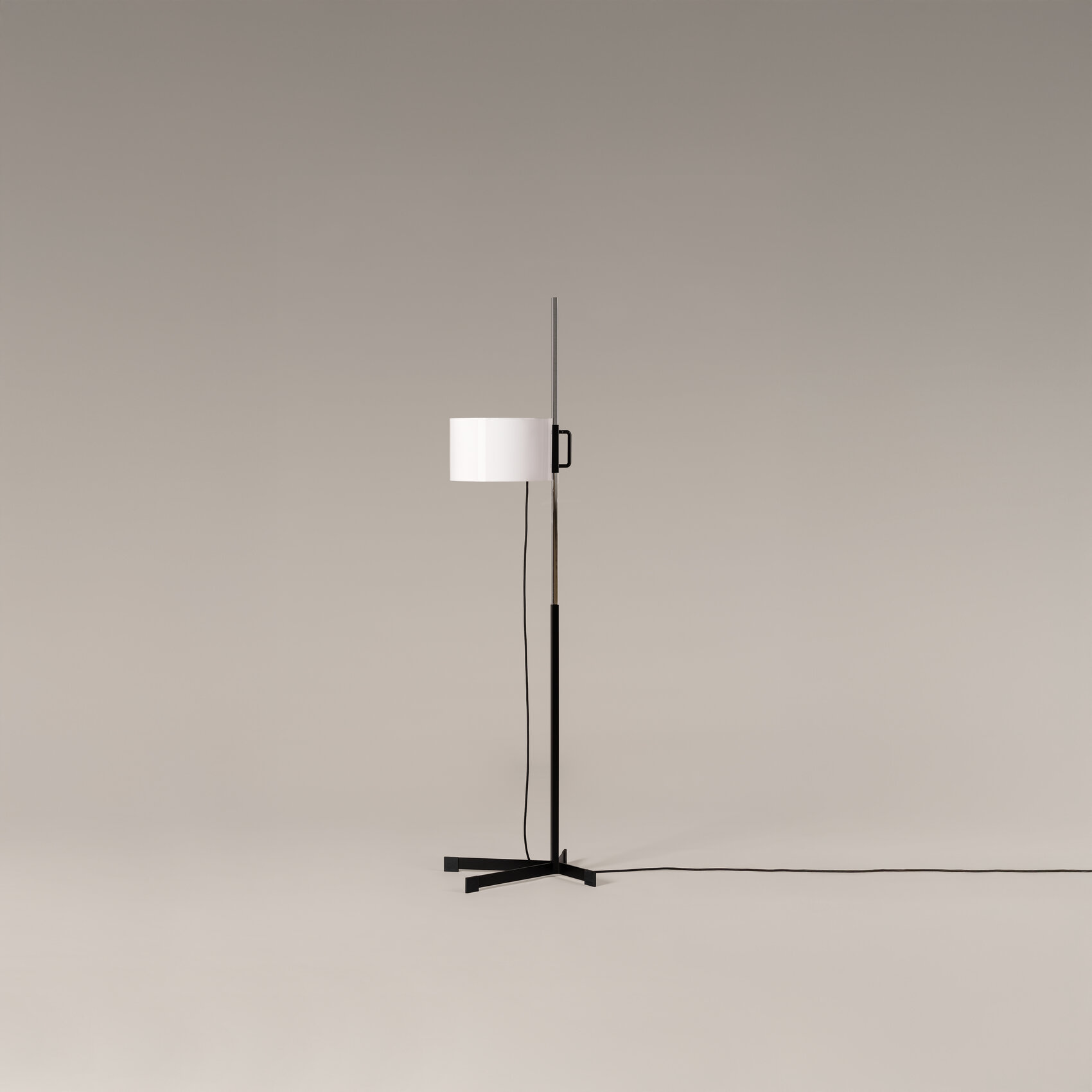
TMC
Miguel Milá, 1961
920,66 €
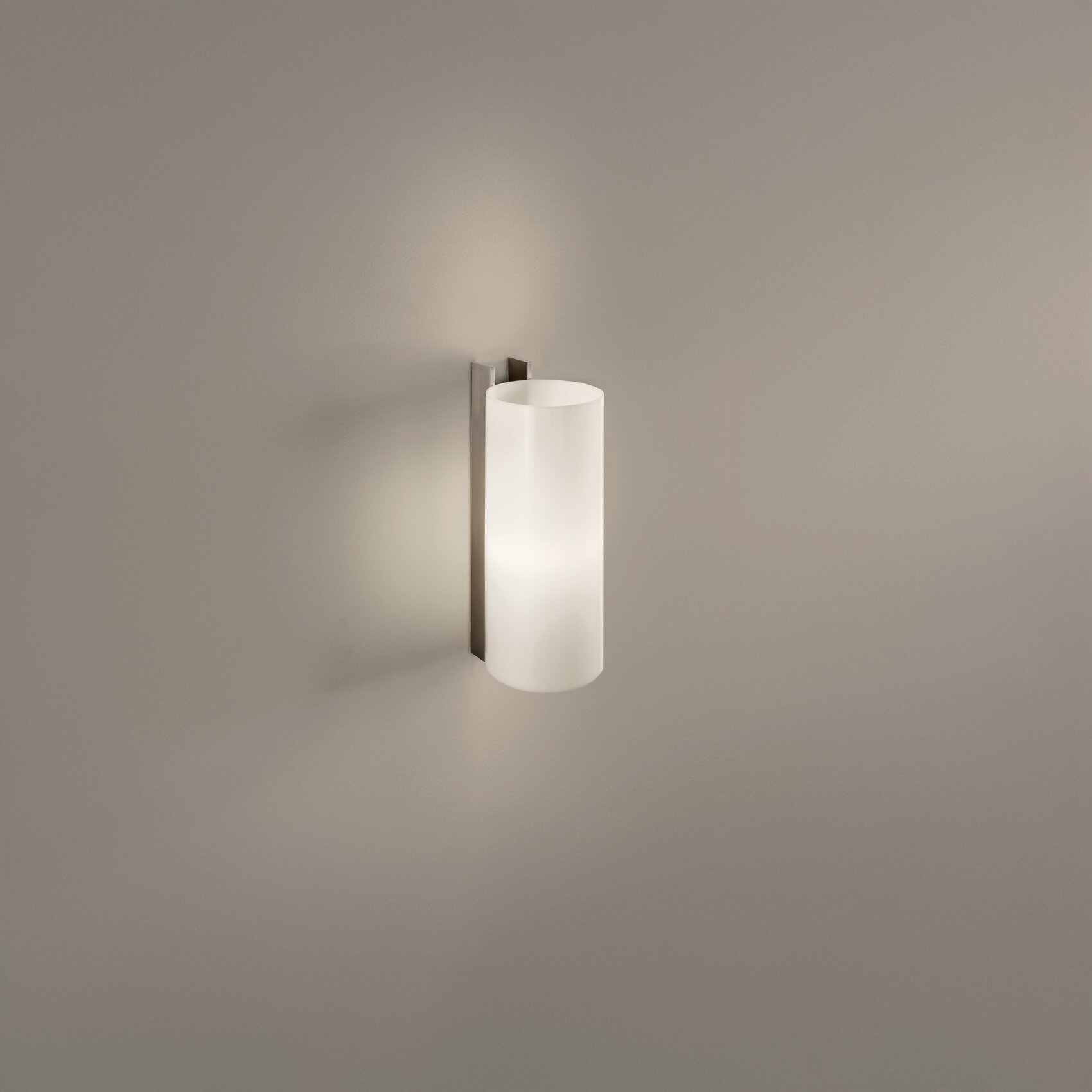
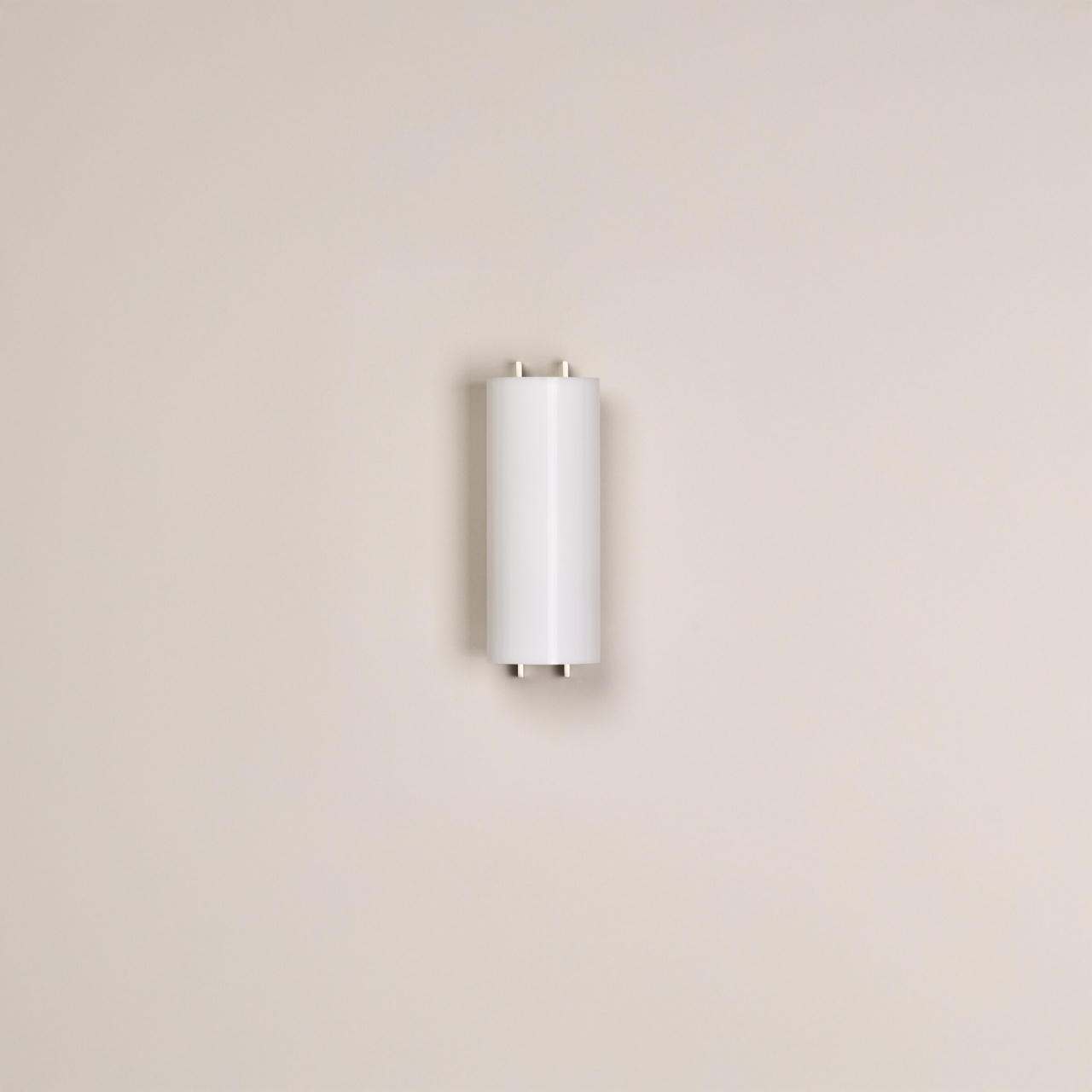
TMM Metálico
Miguel Milá, 2002
370,25 €
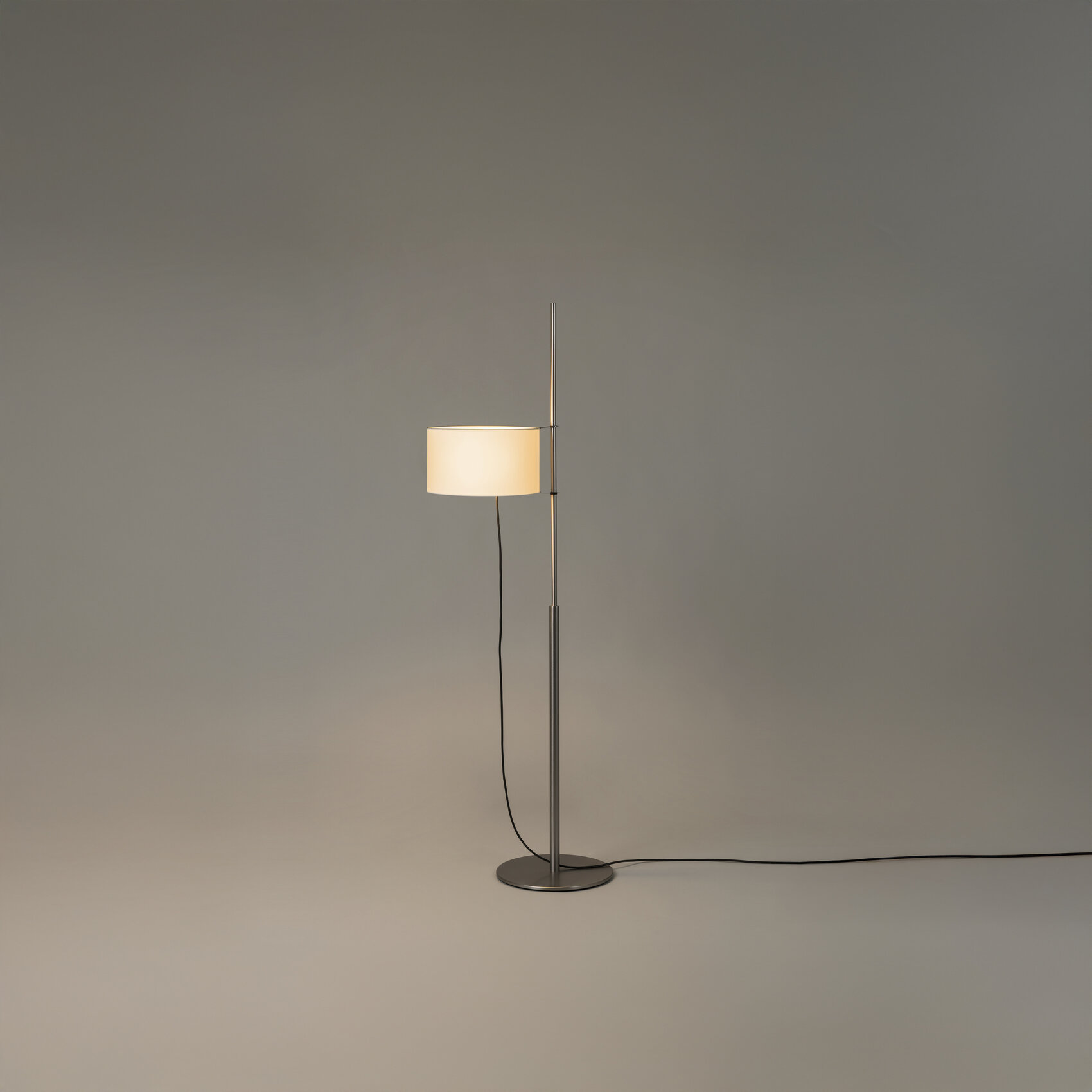
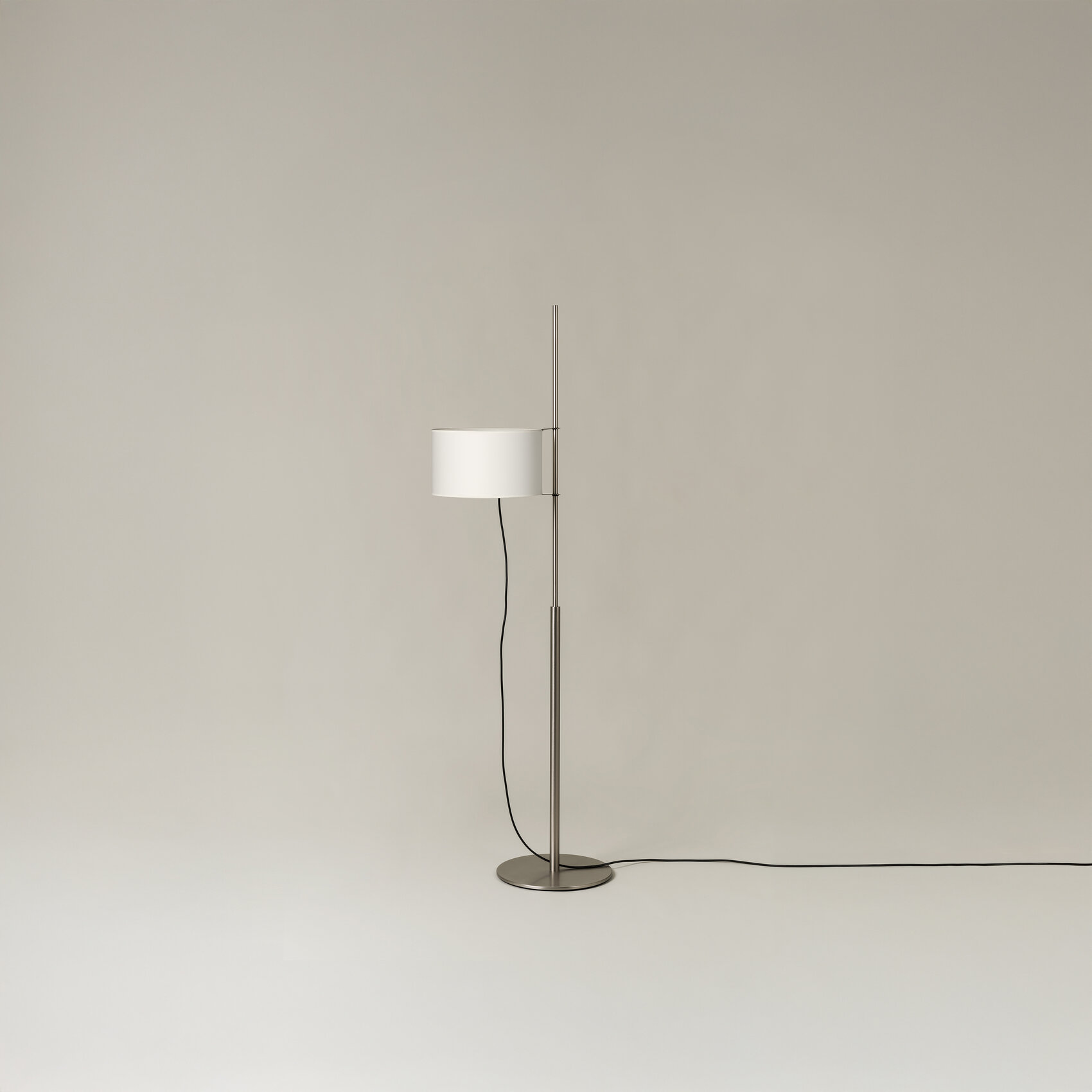
TMD
Miguel Milá, 2005
1.090,08 €
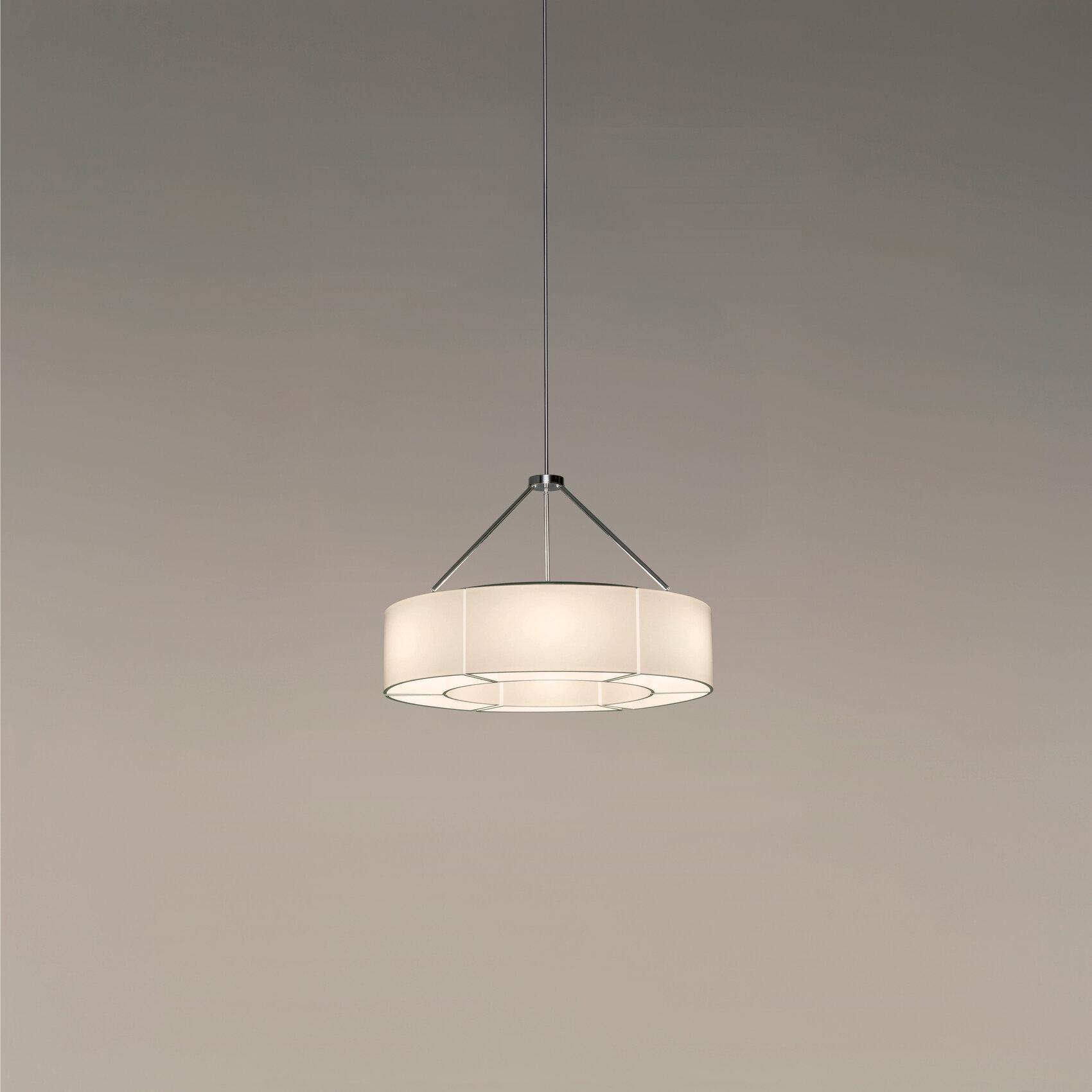
Sexta
Miguel Milá, 2003
from 1.860,33 €
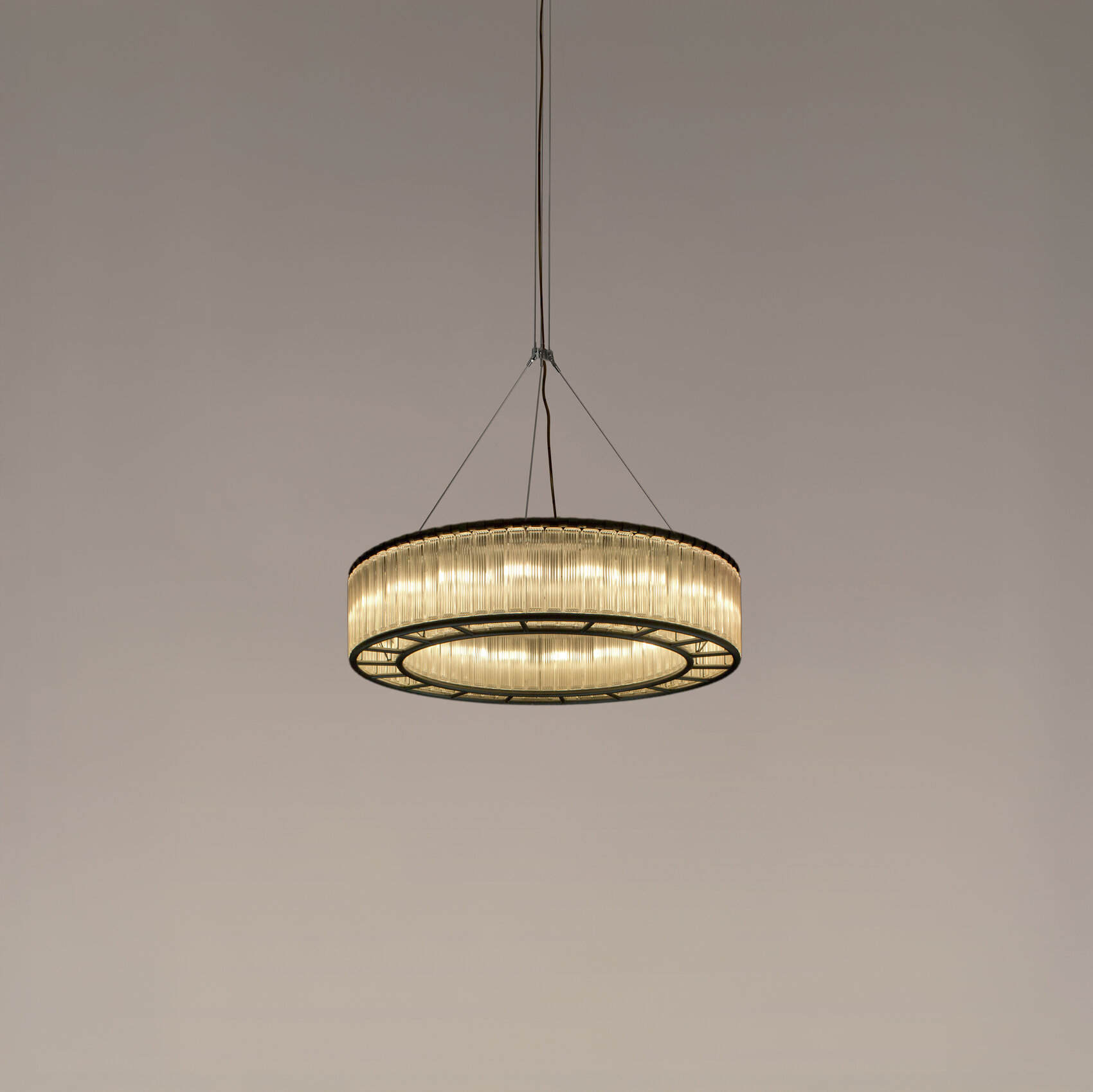
Estadio
Miguel Milá, 1992
from 11.350,41 €
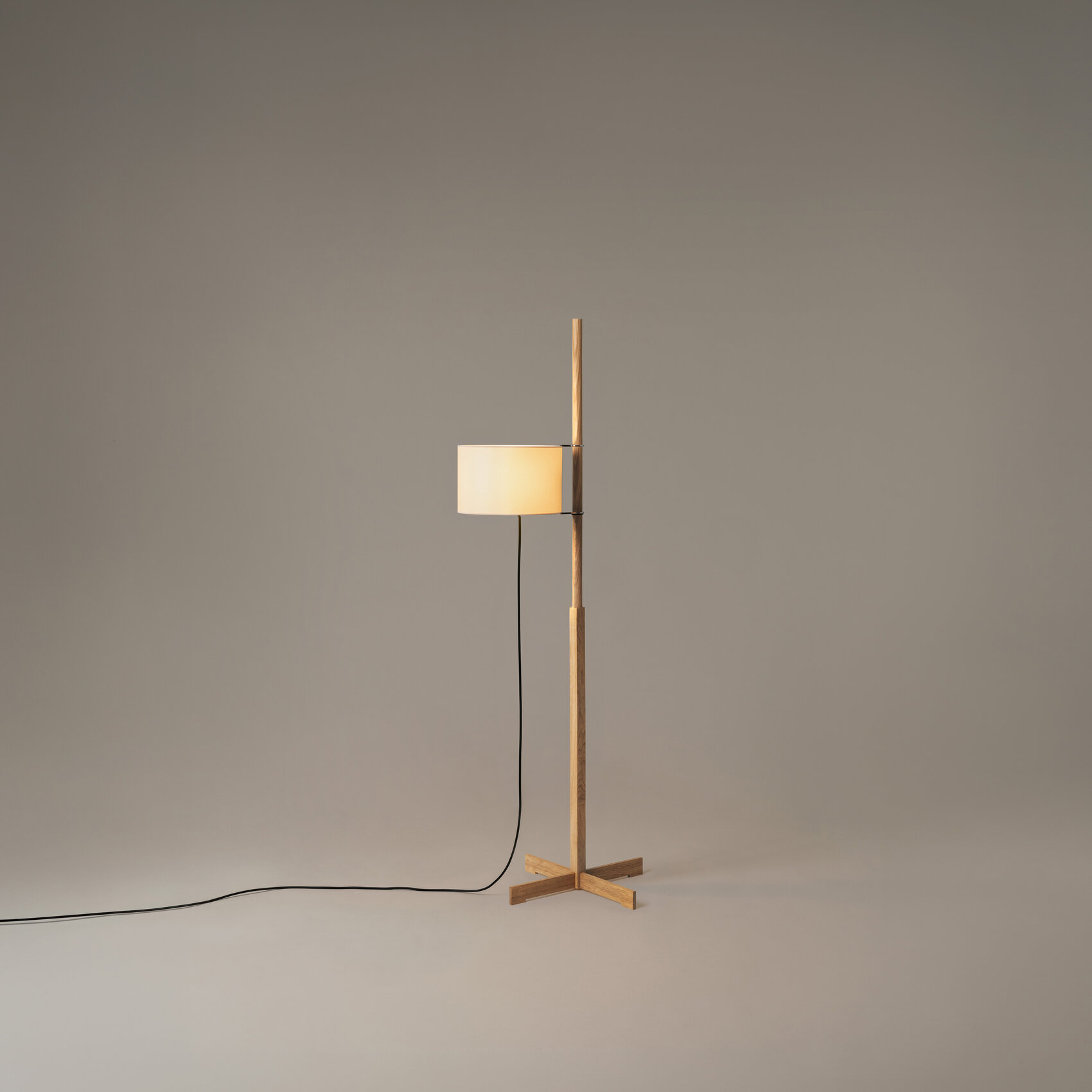
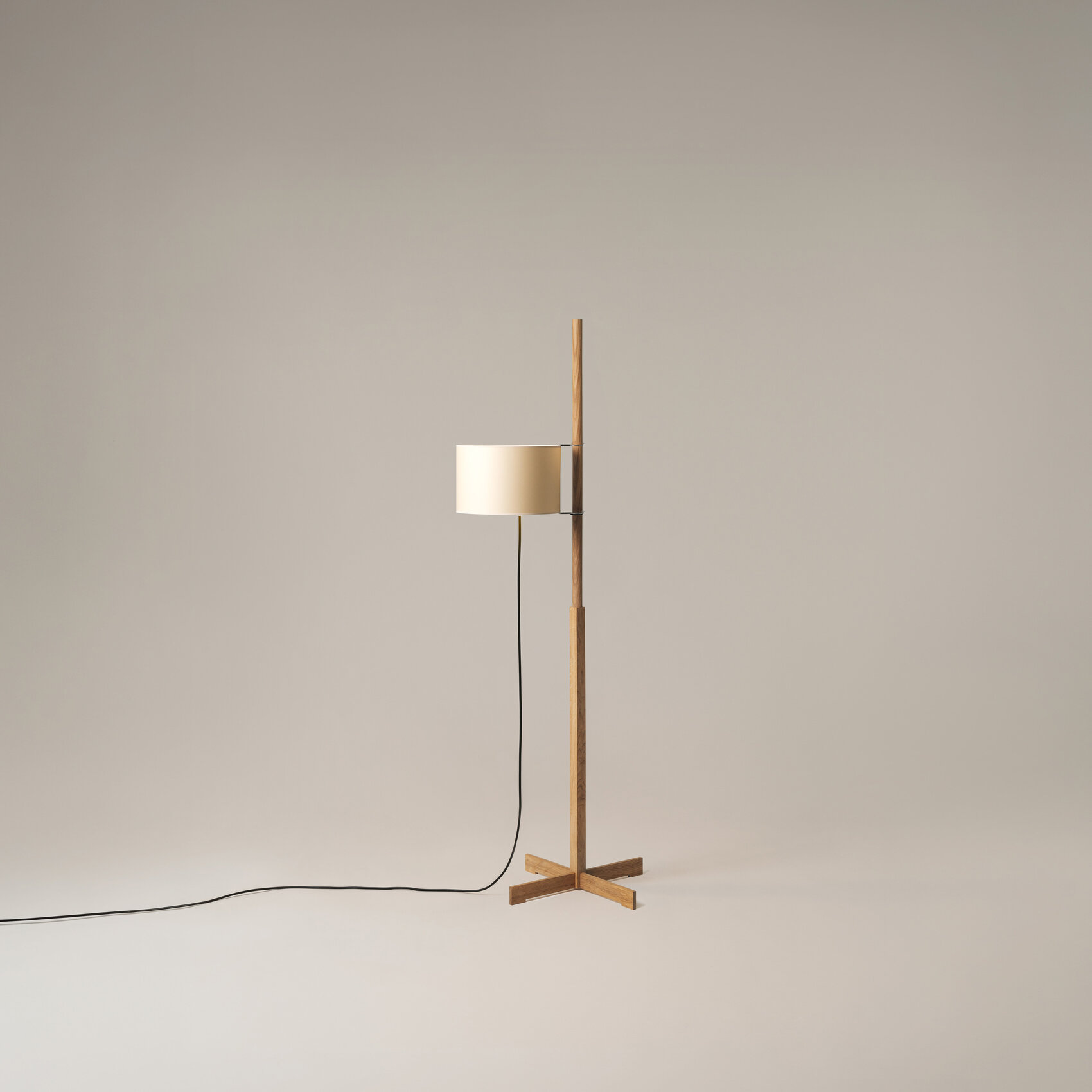
TMM
Miguel Milá, 1961
from 725,62 €
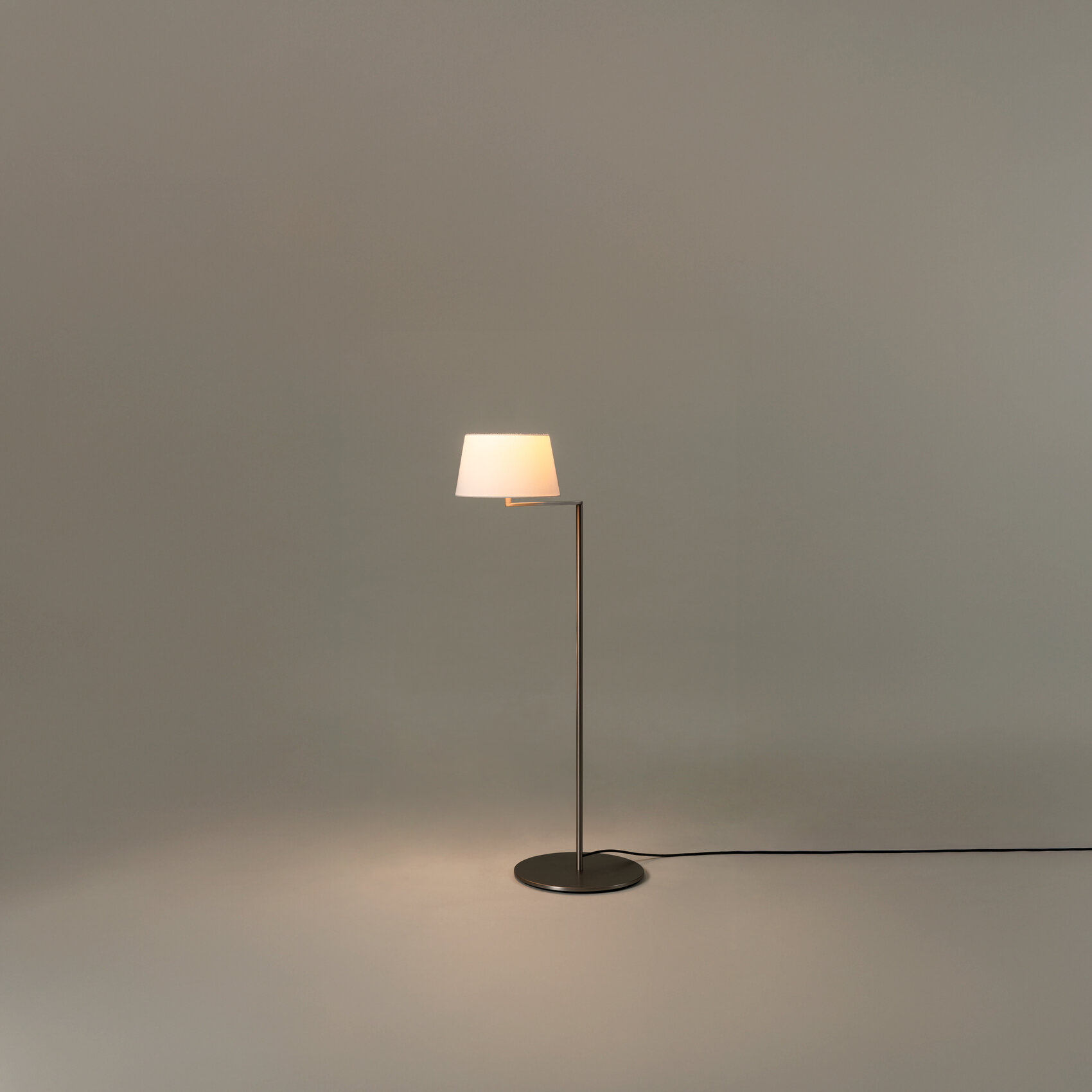

Americana
Miguel Milá, 1964
750,41 €
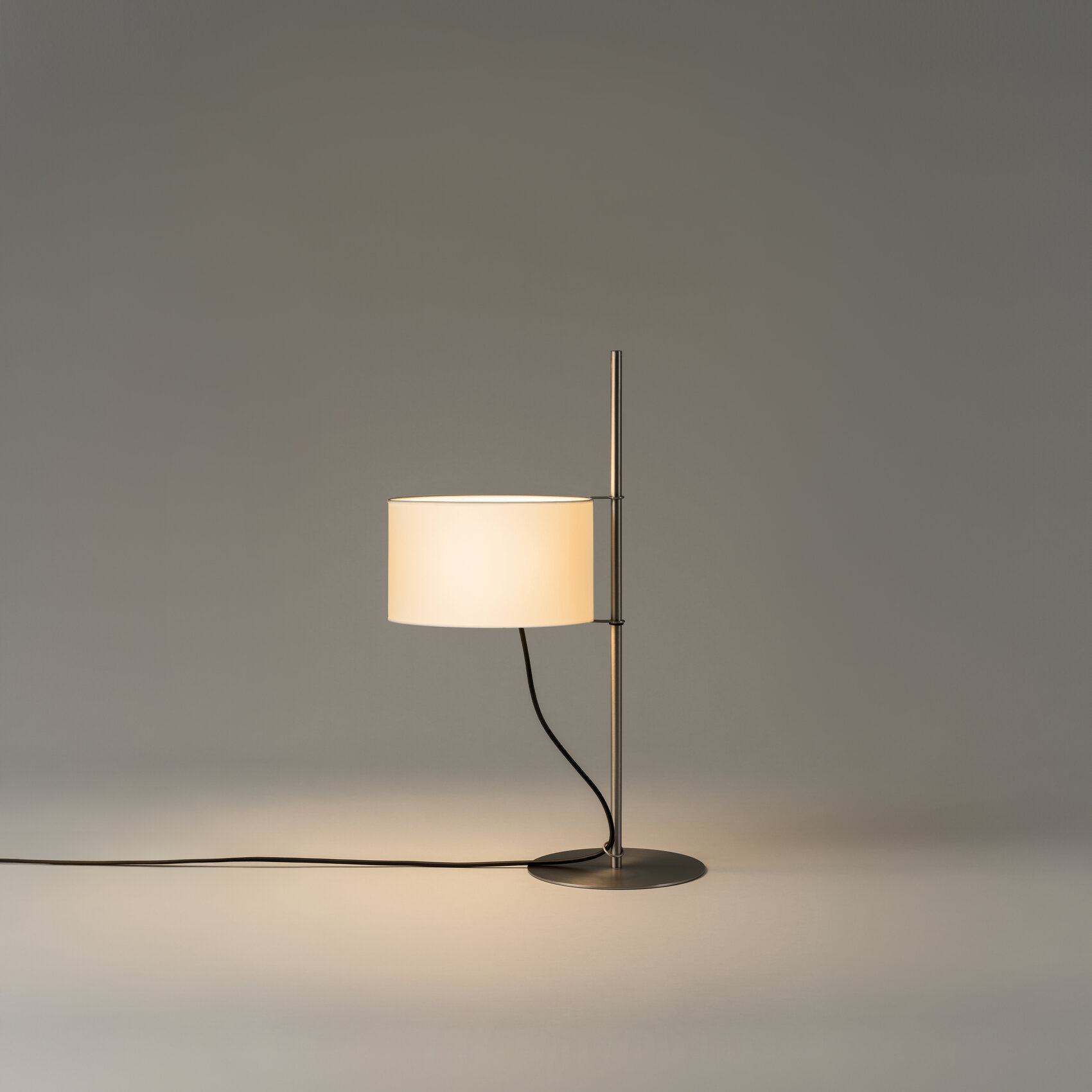
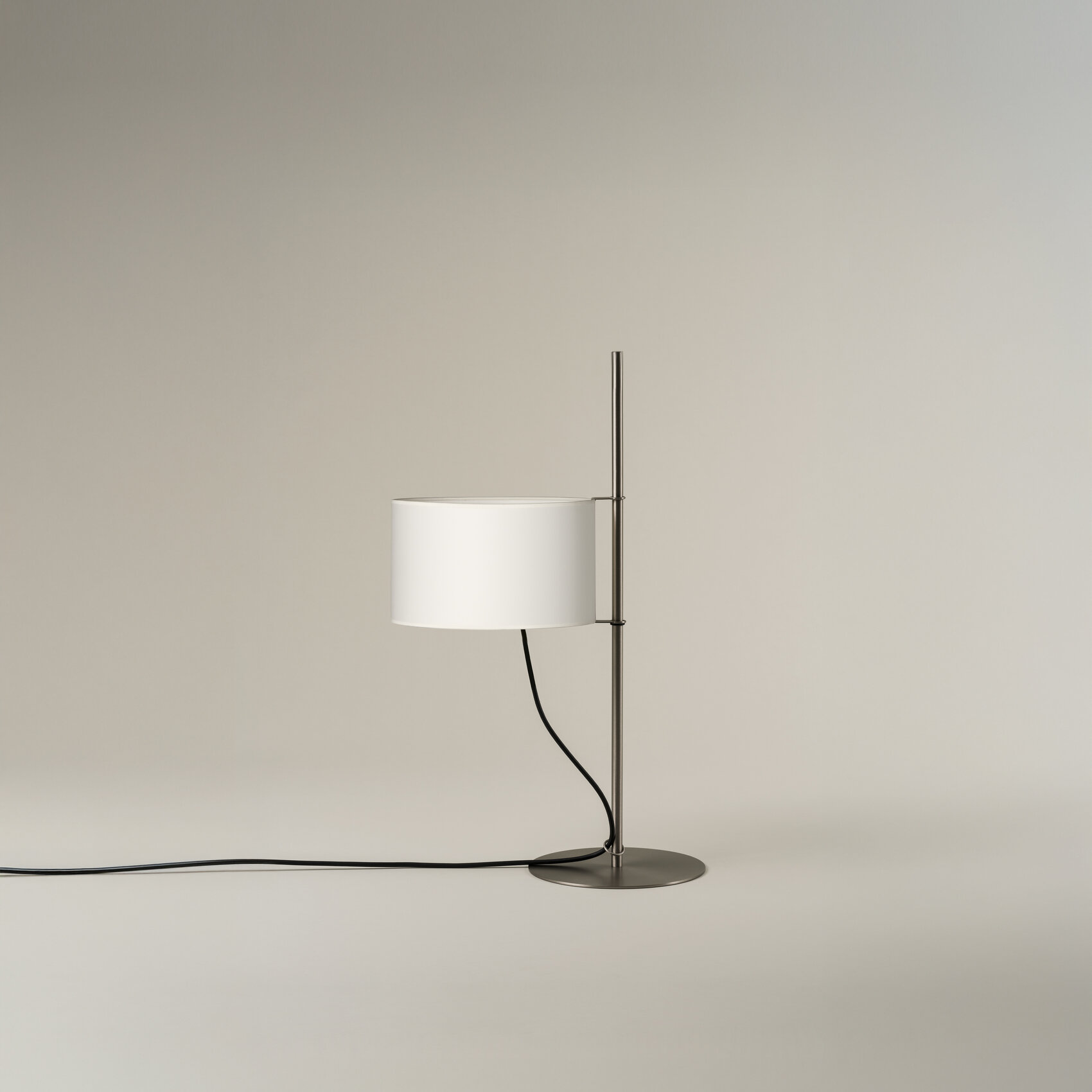
TMD
Miguel Milá, 1996
400 €
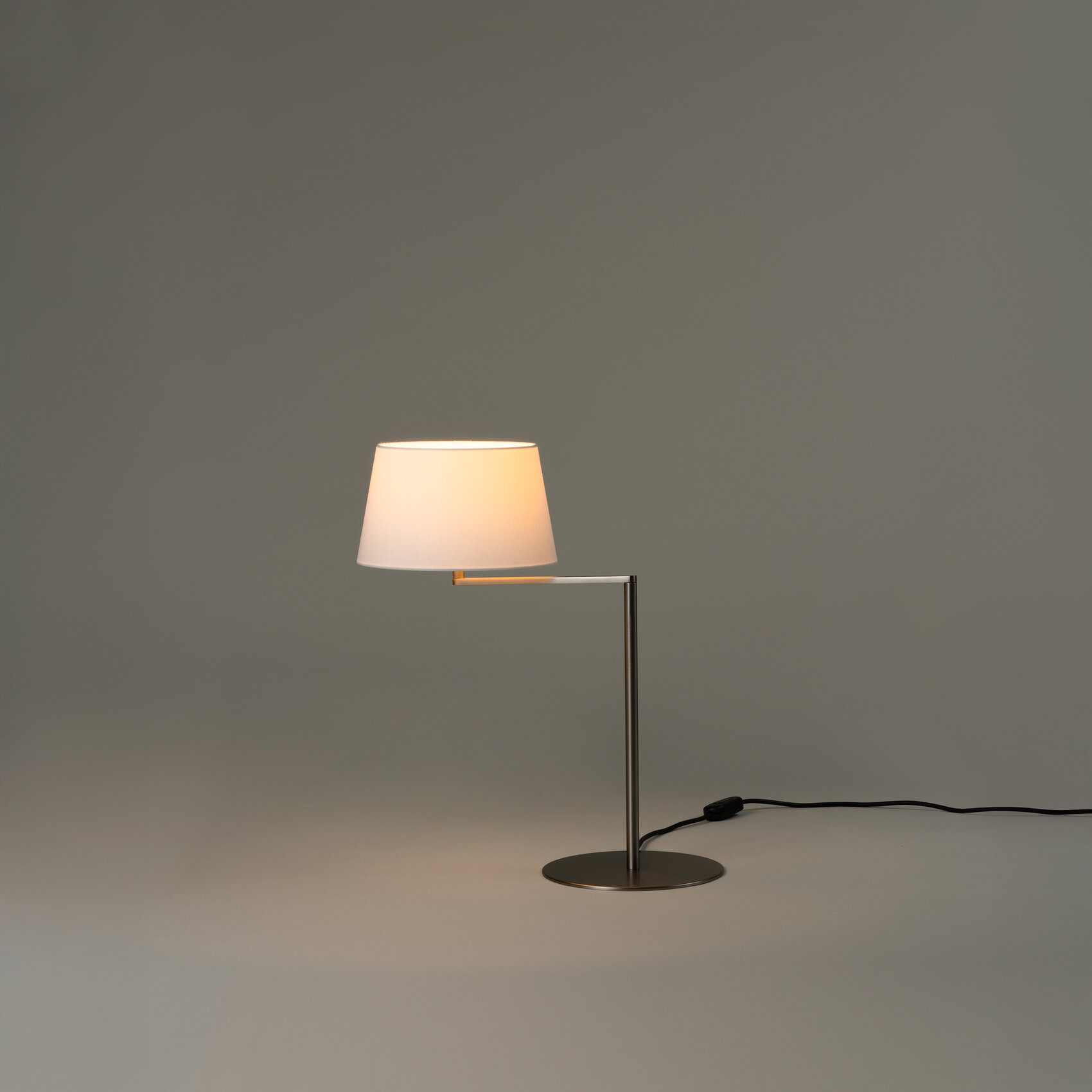
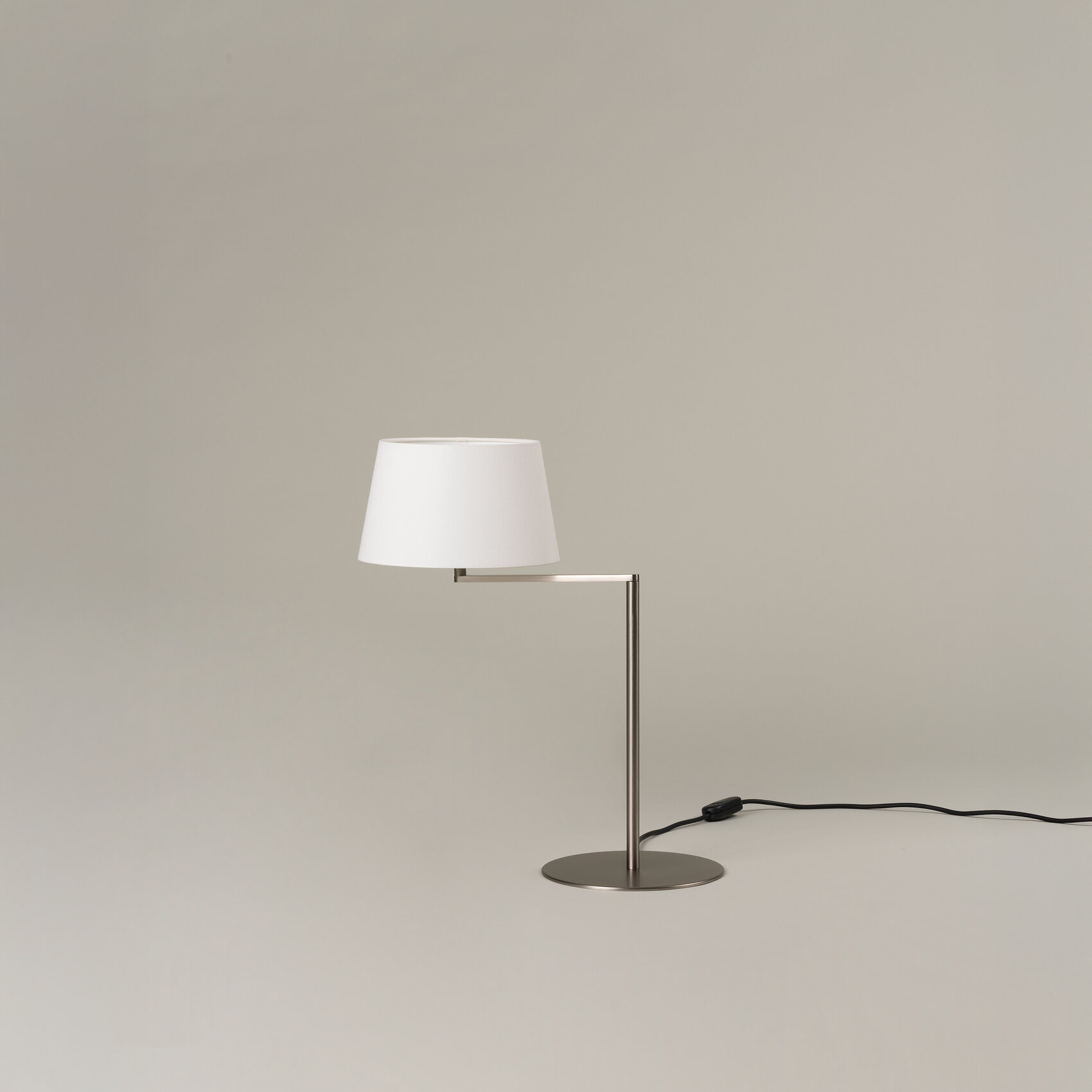
Americana
Miguel Milá, 1964
550,41 €
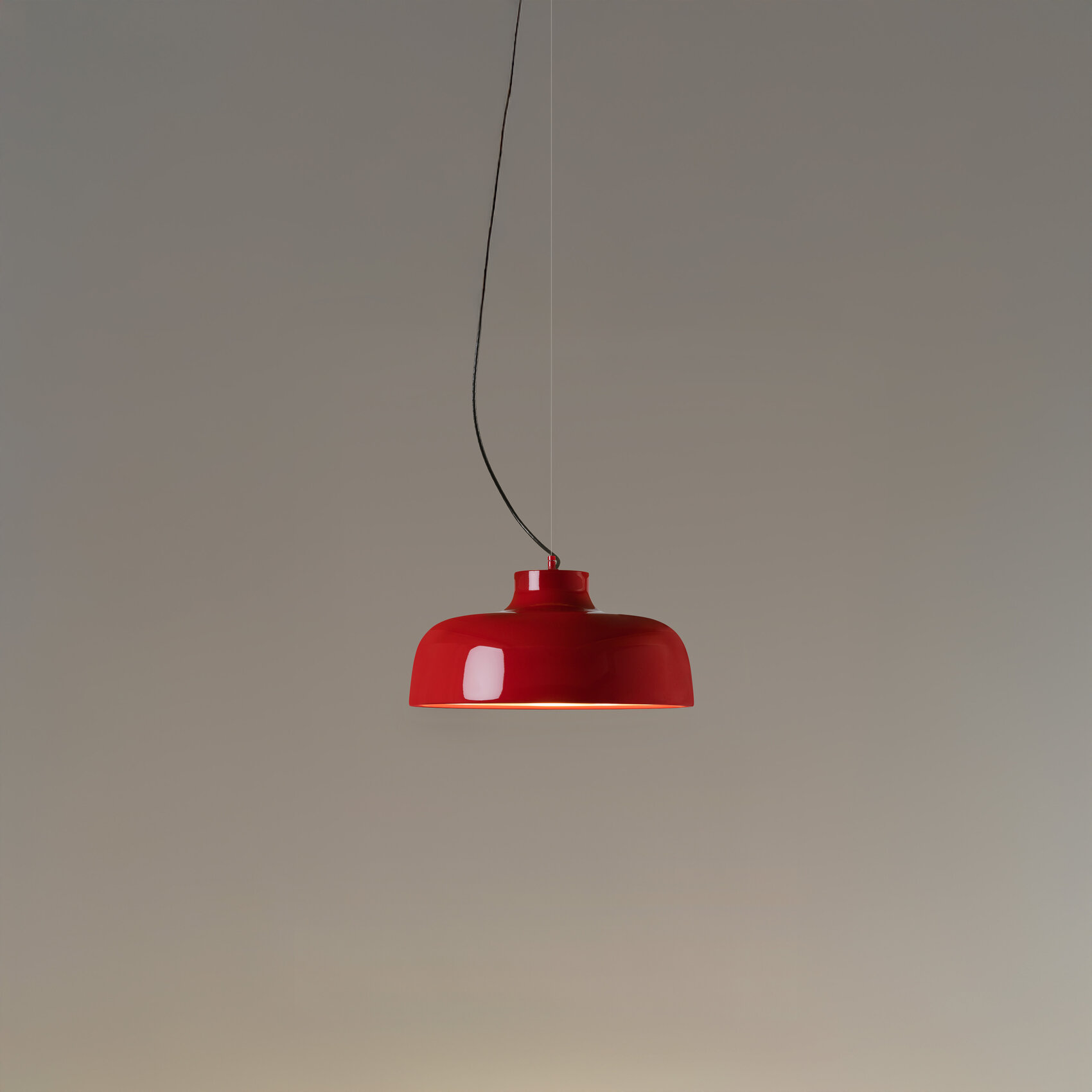
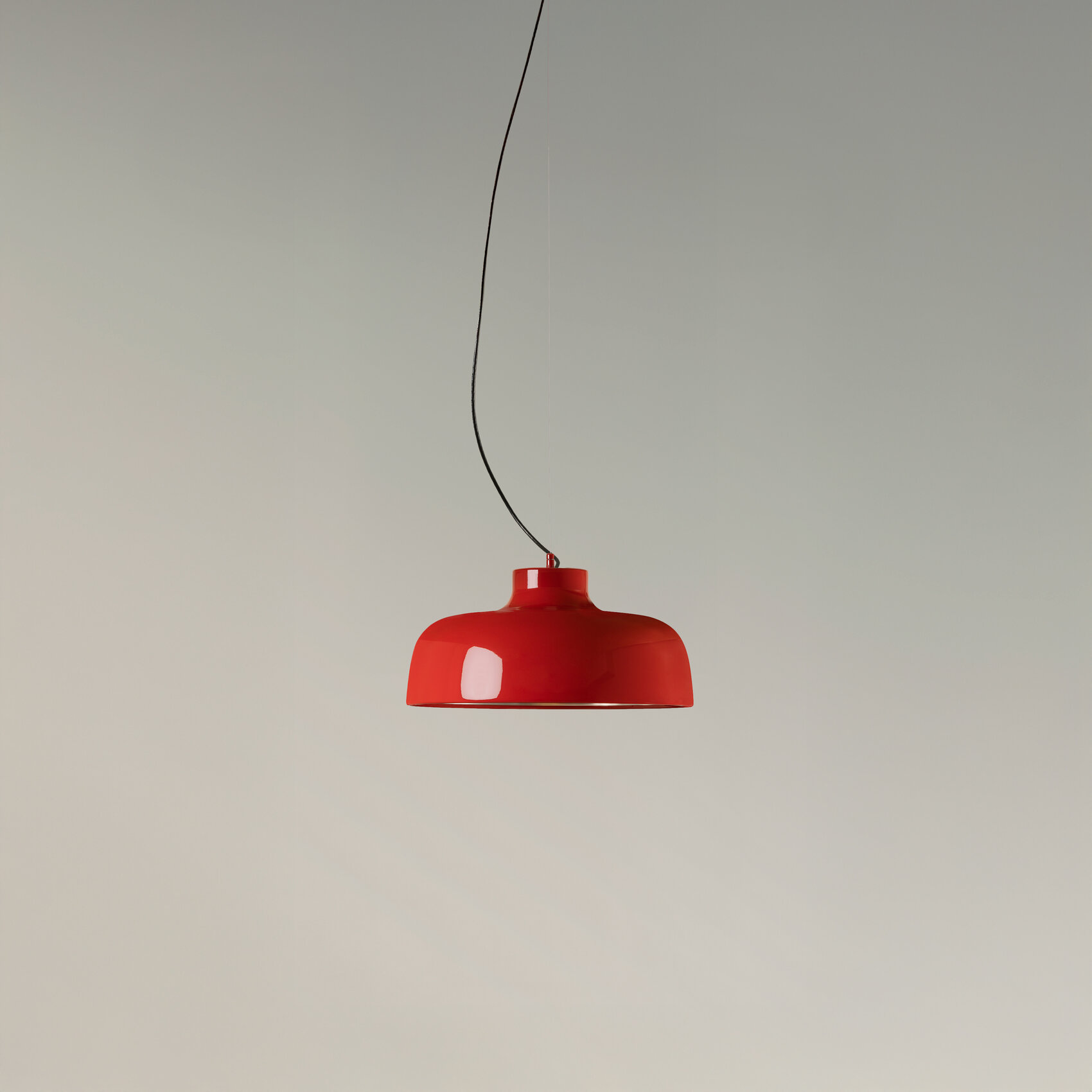
M68
Miguel Milá, 1962
680,17 €
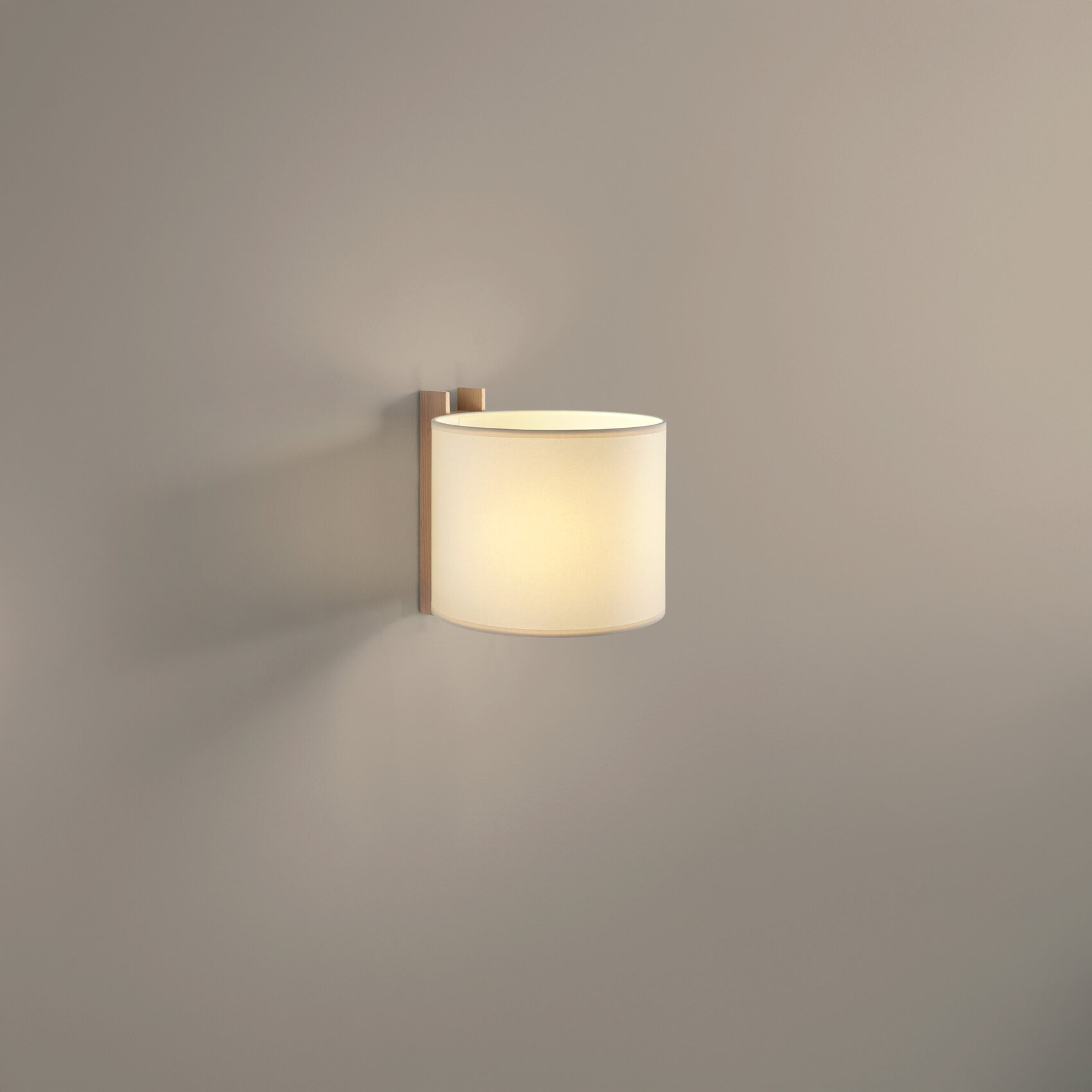
TMM
Miguel Milá, 1964
from 240,50 €
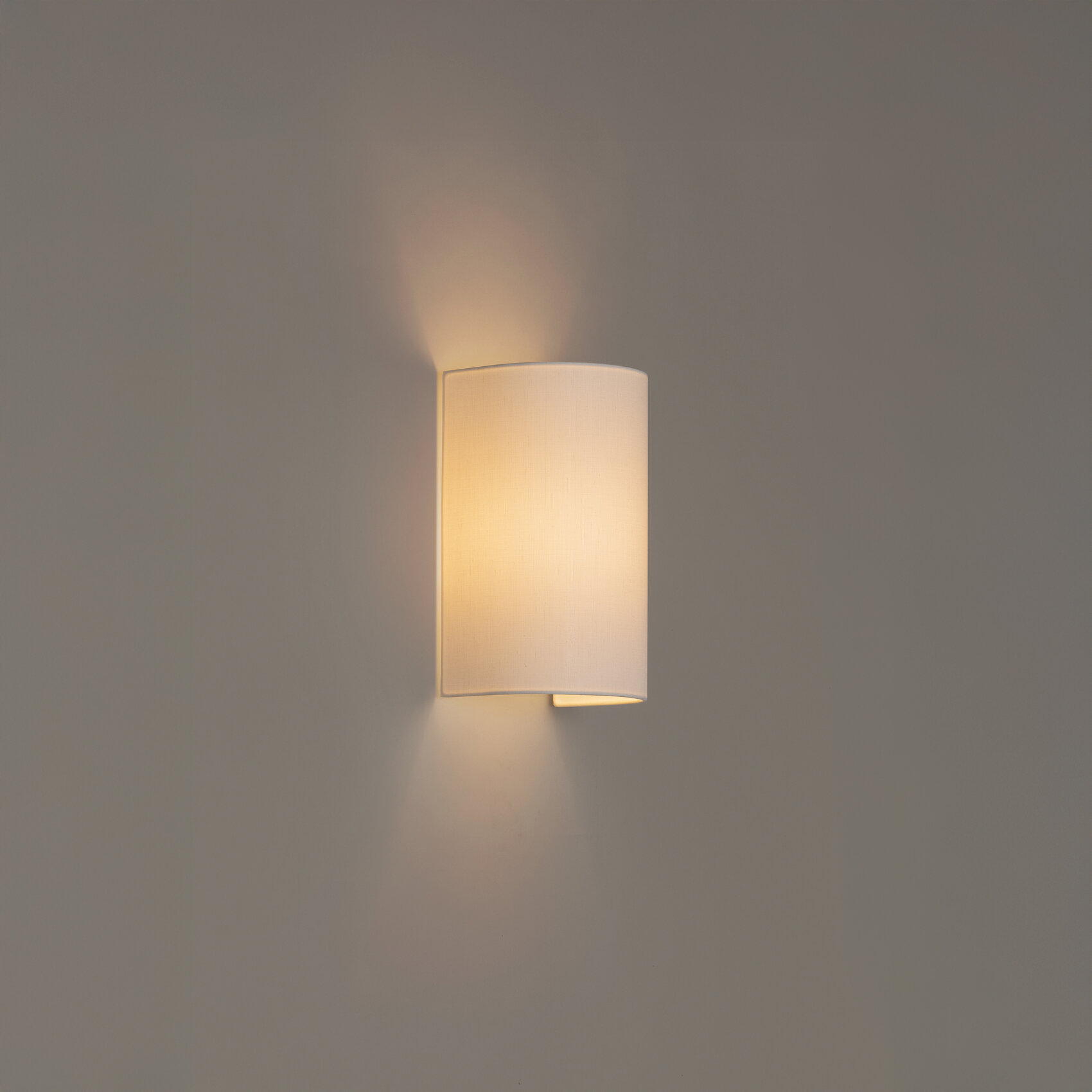
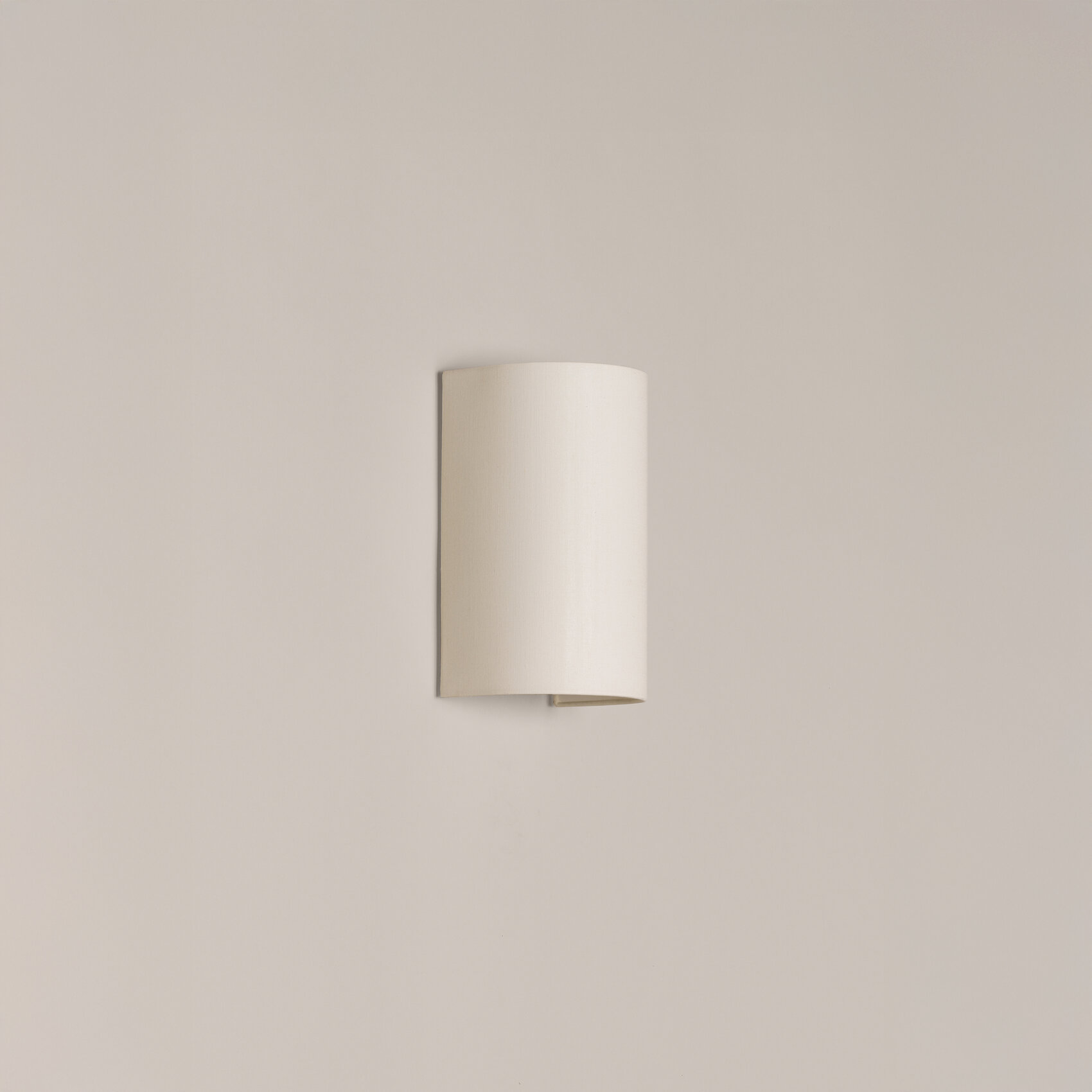
Singular
Miguel Milá, 2000
260,33 €
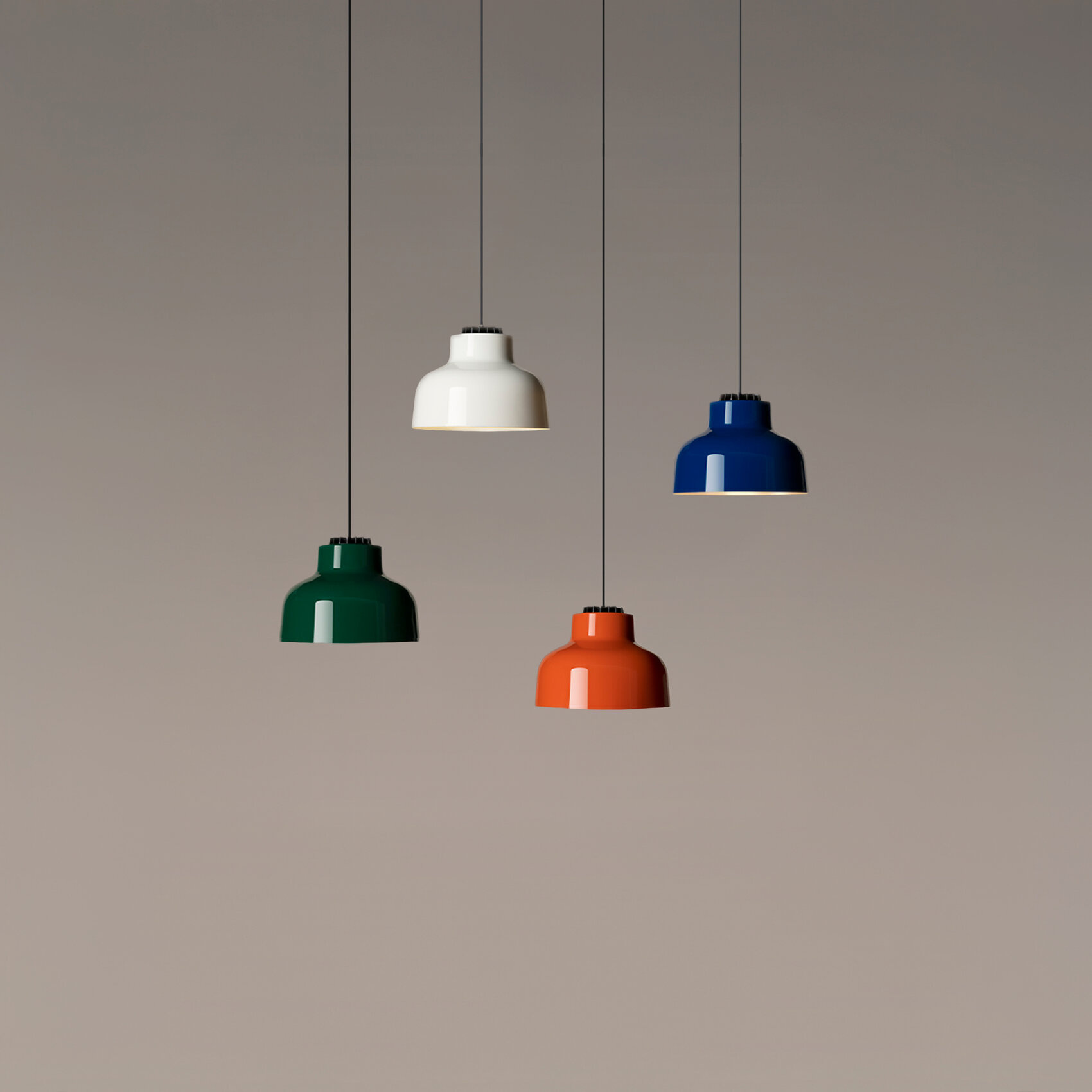
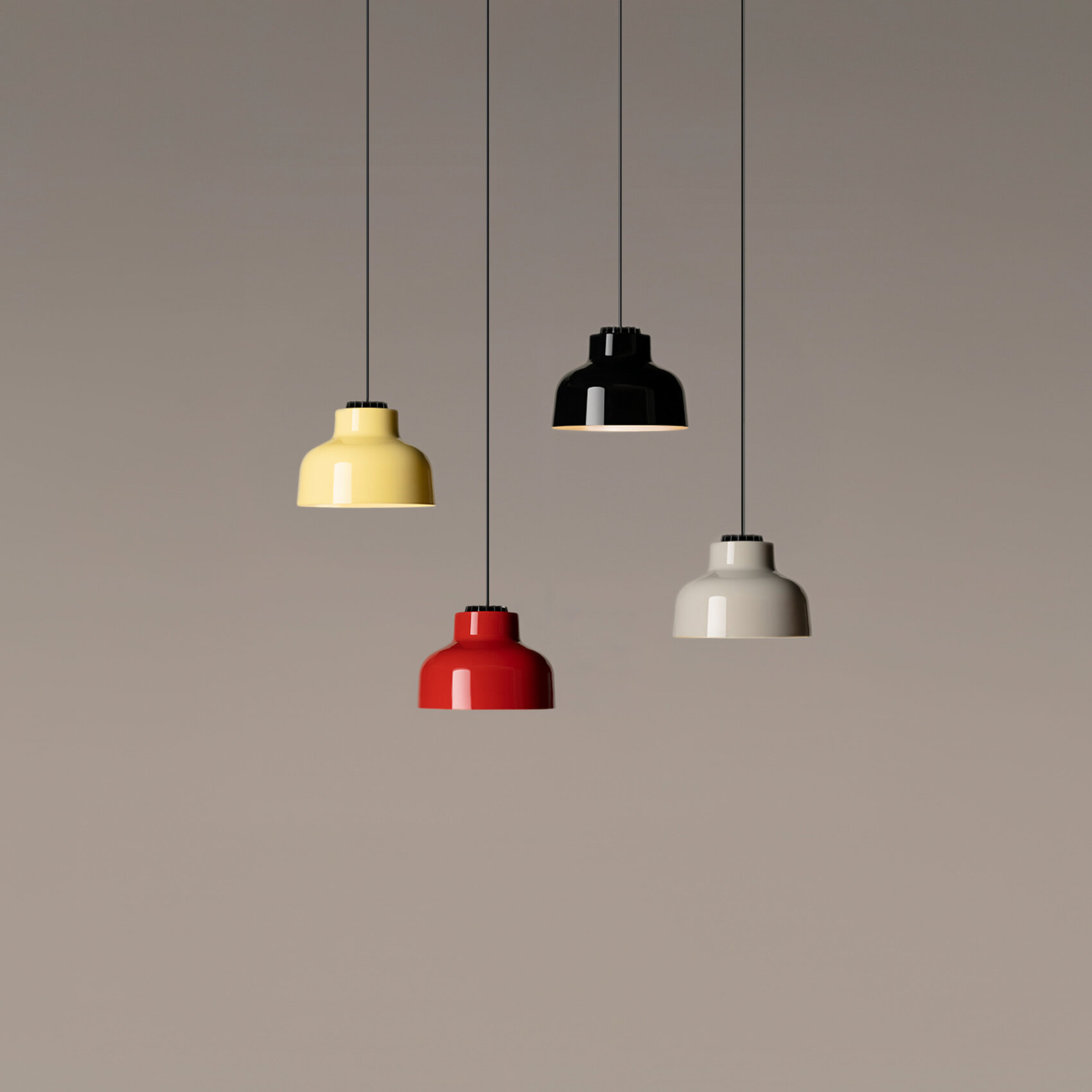
M64 Color
Miguel Milá, 1964
from 545,45 €
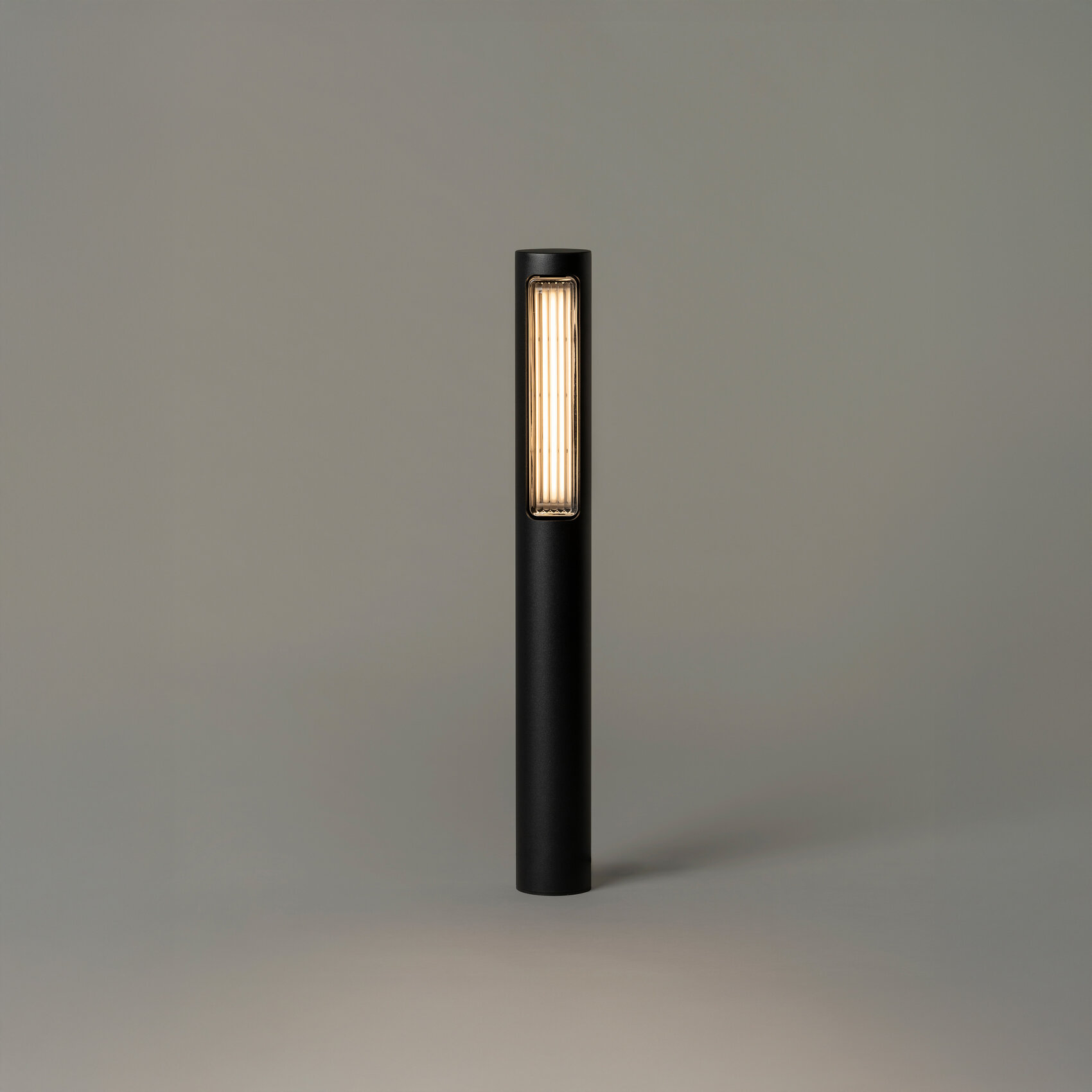
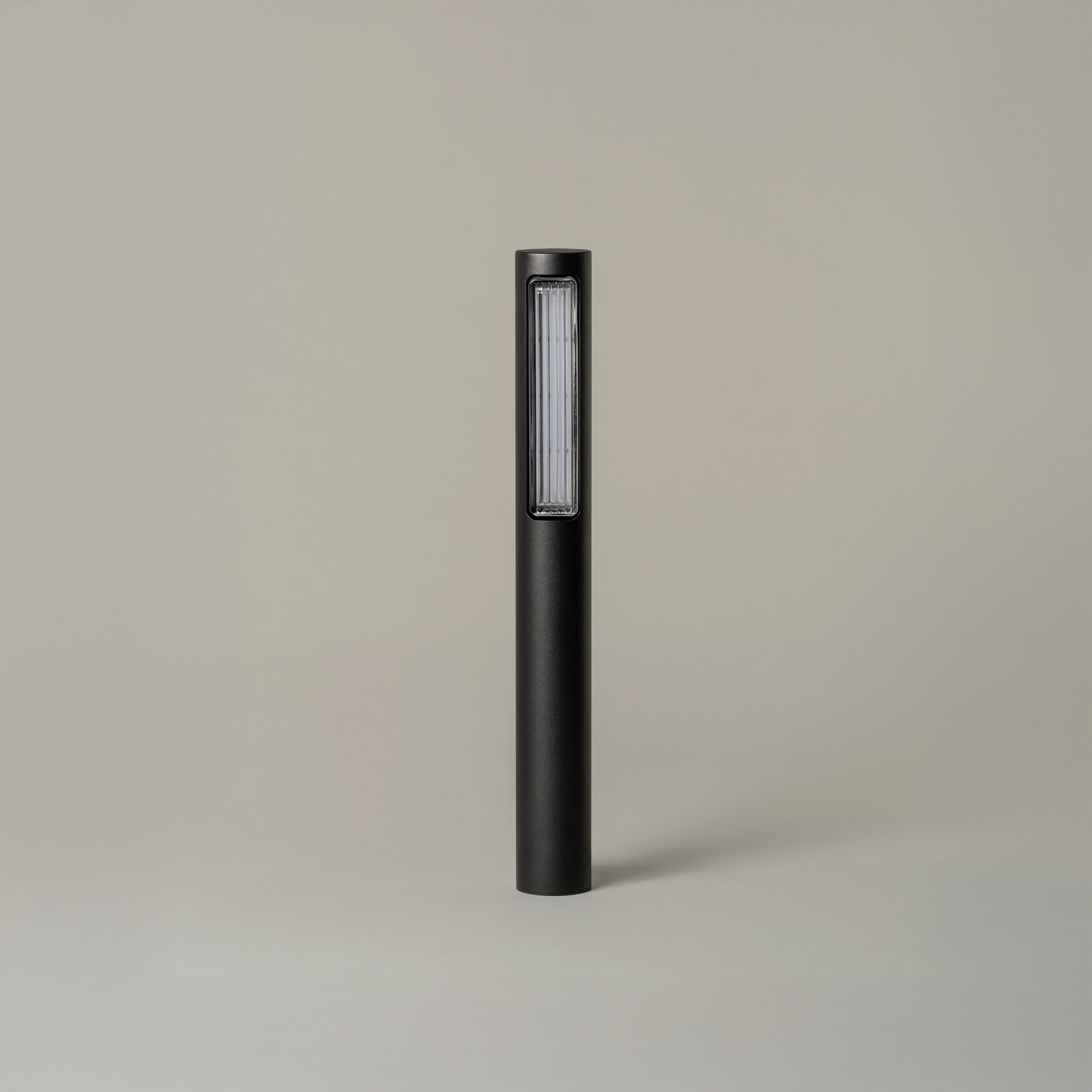
780,17 €
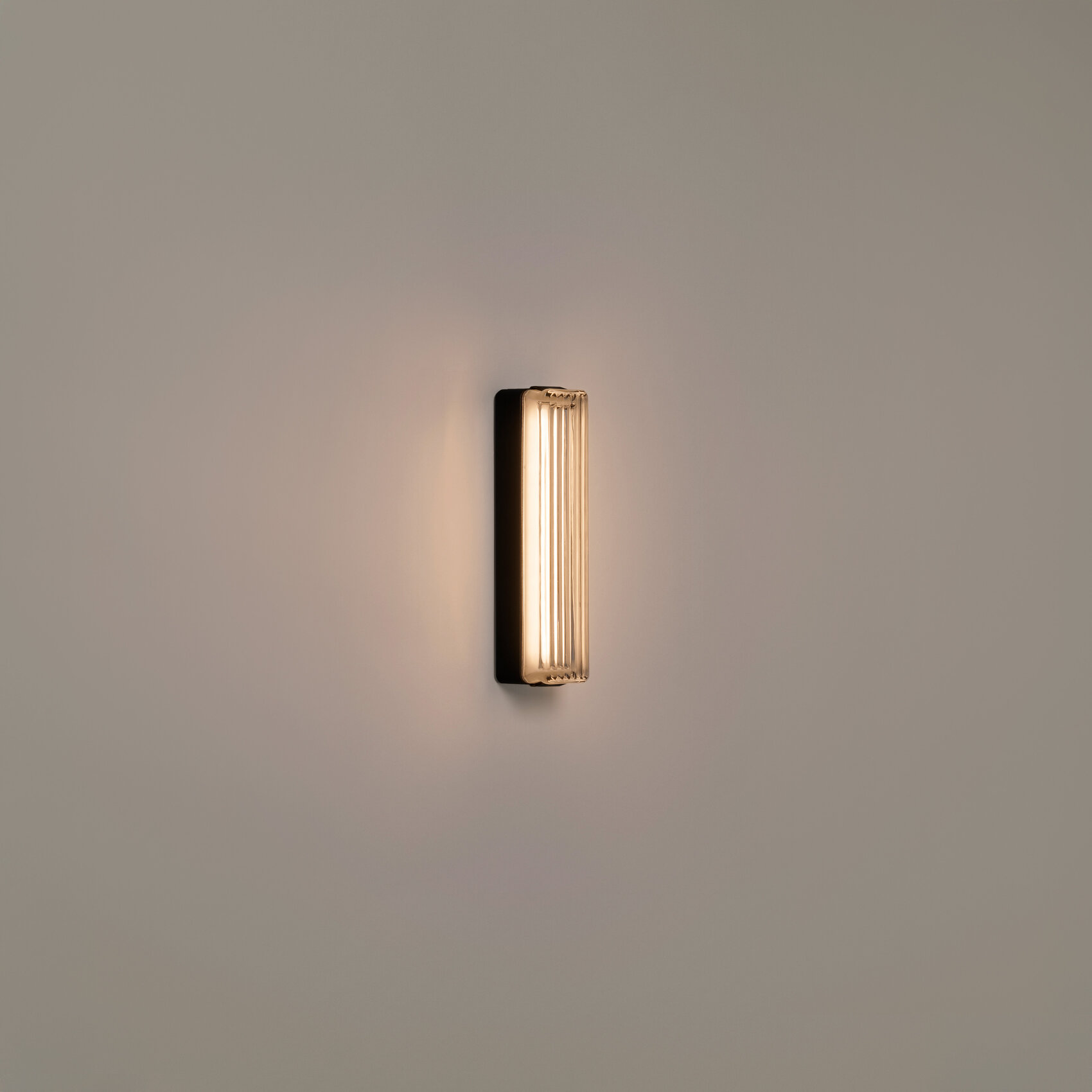
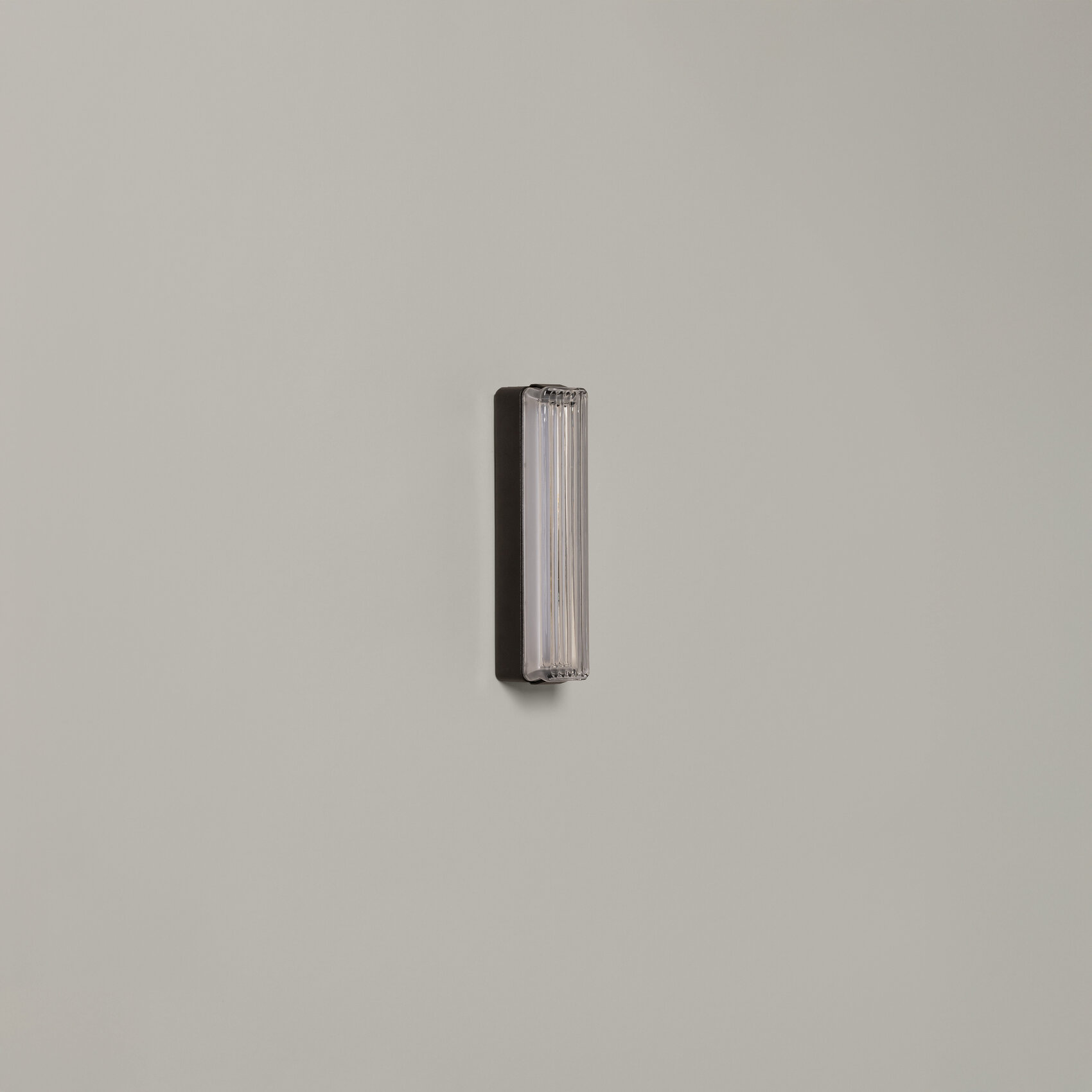
530,58 €
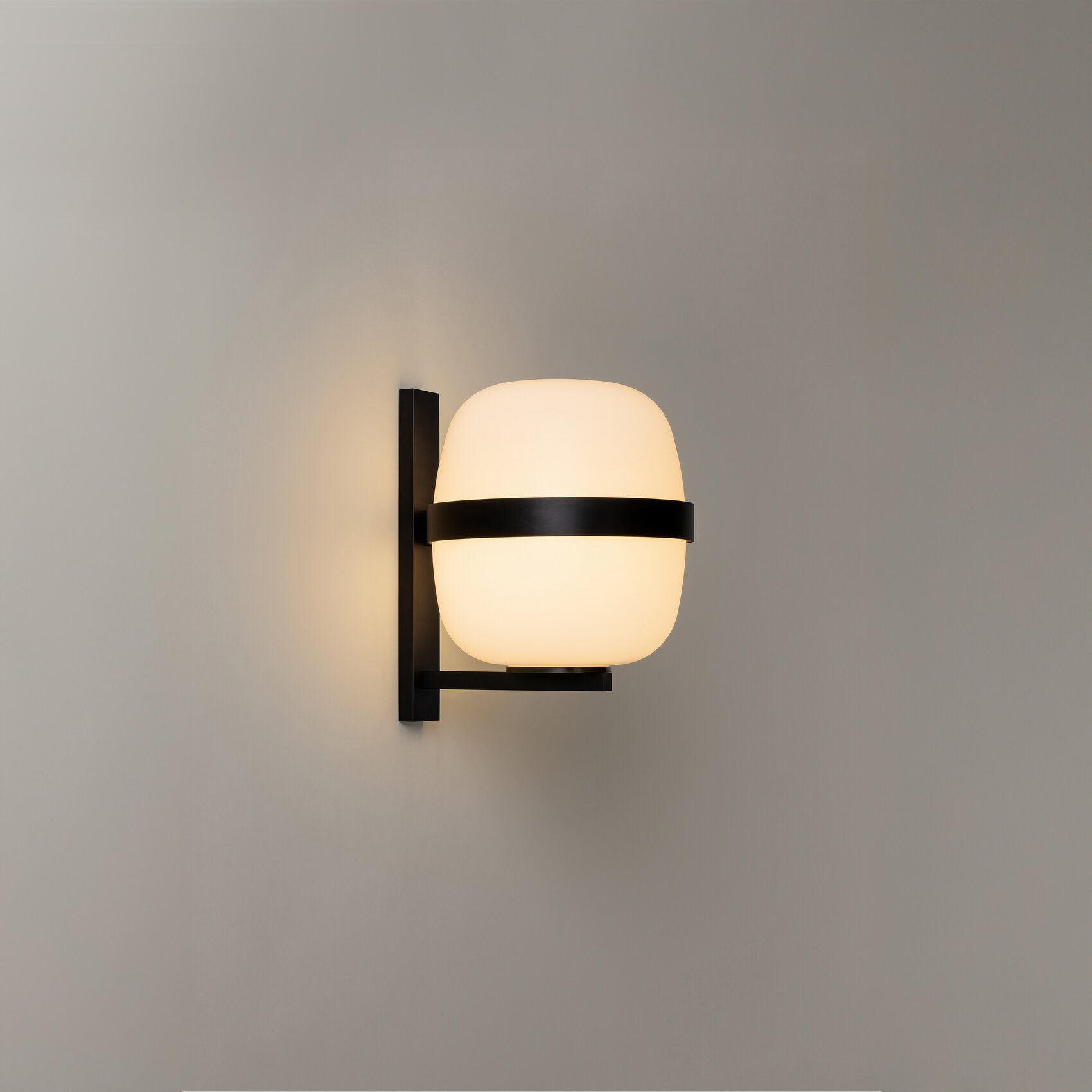
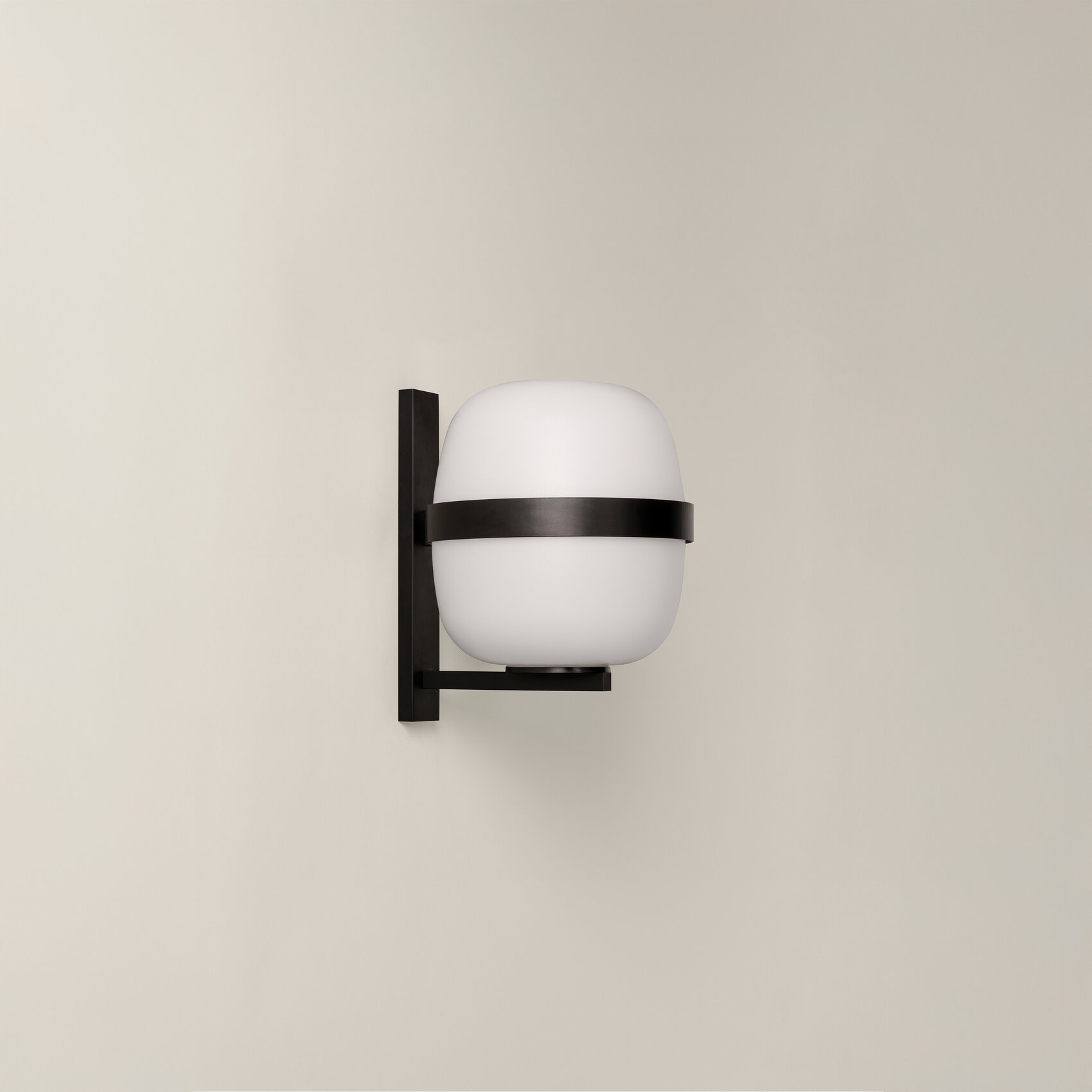
Wally Cesta
Miguel Milá, 1962
750,41 €
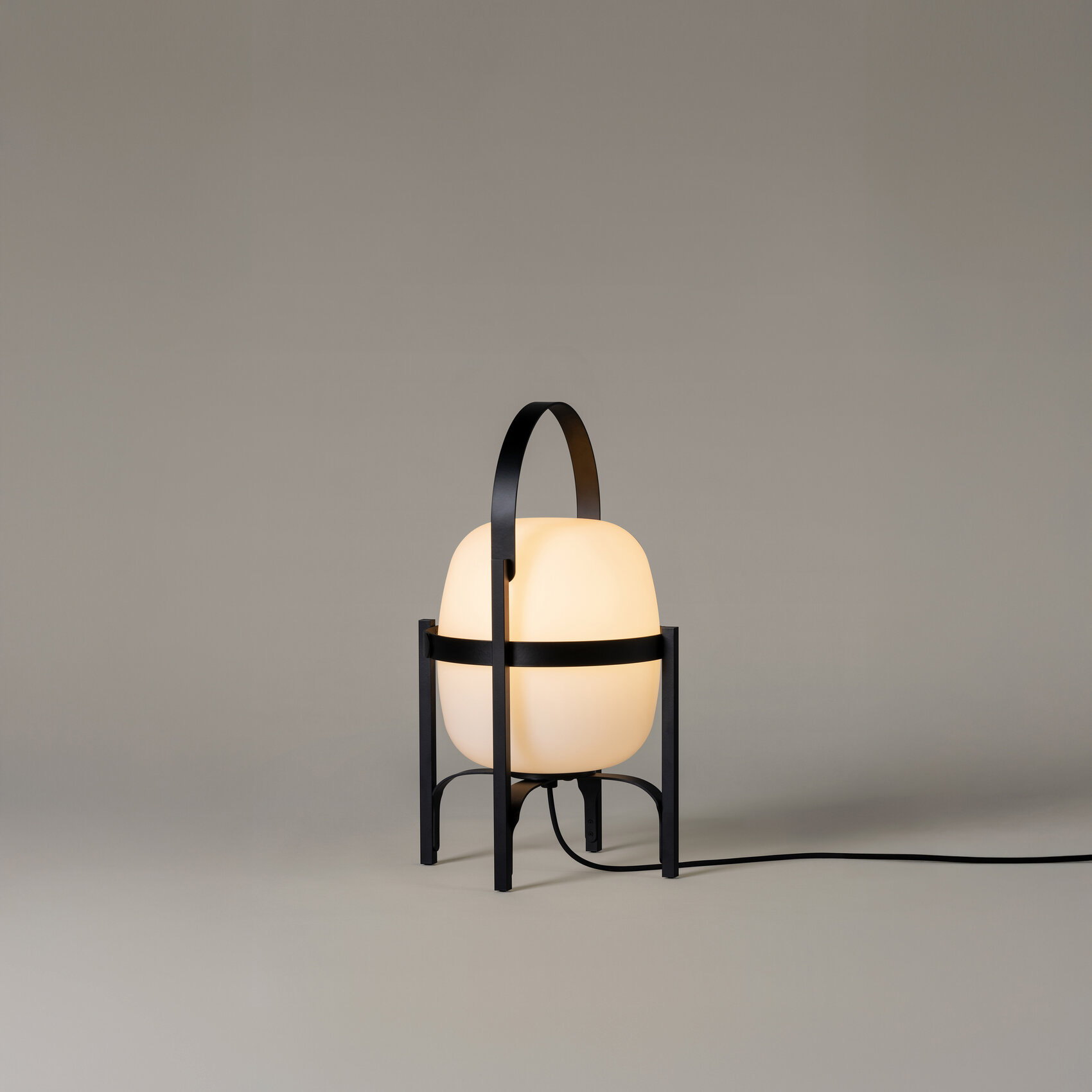
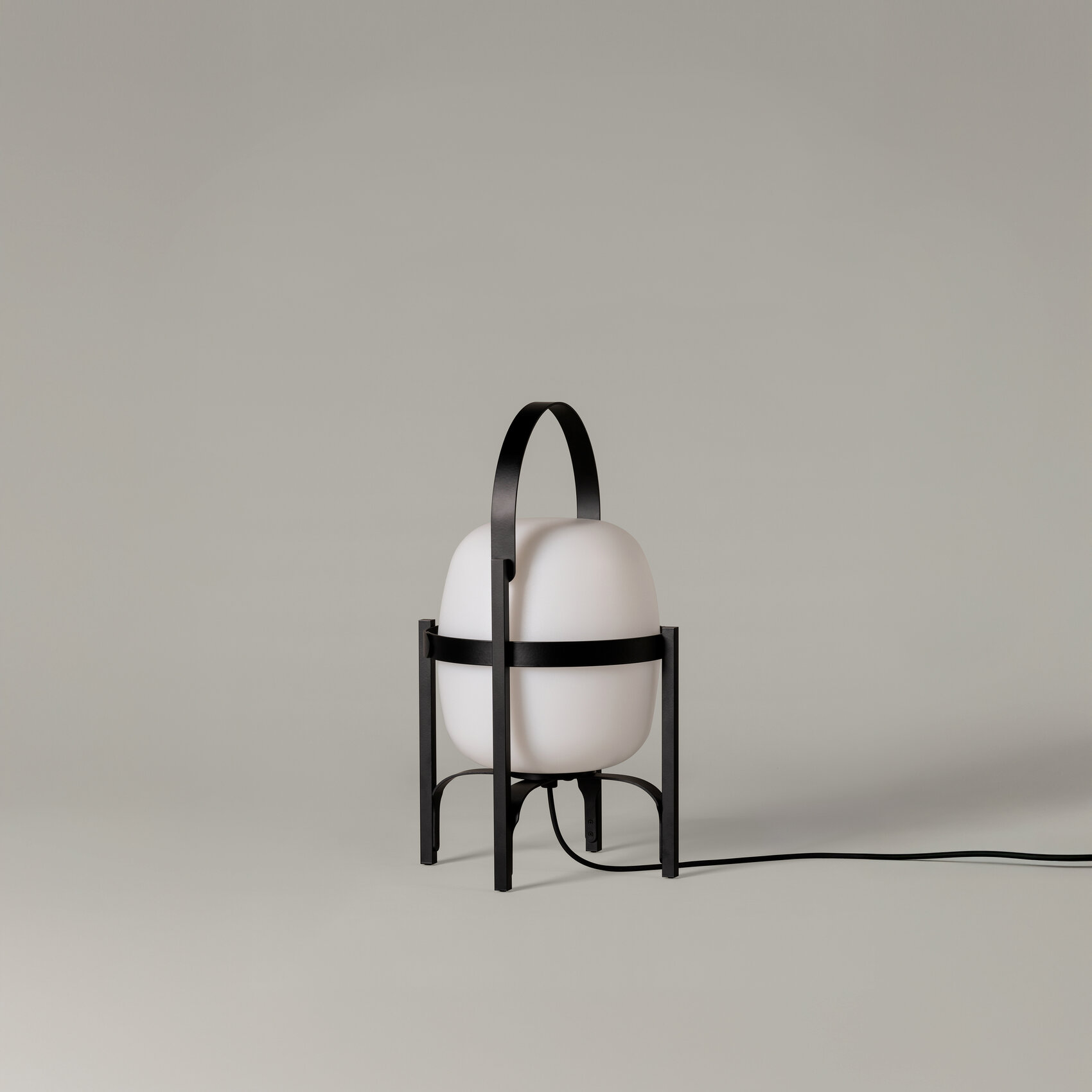
840,50 €
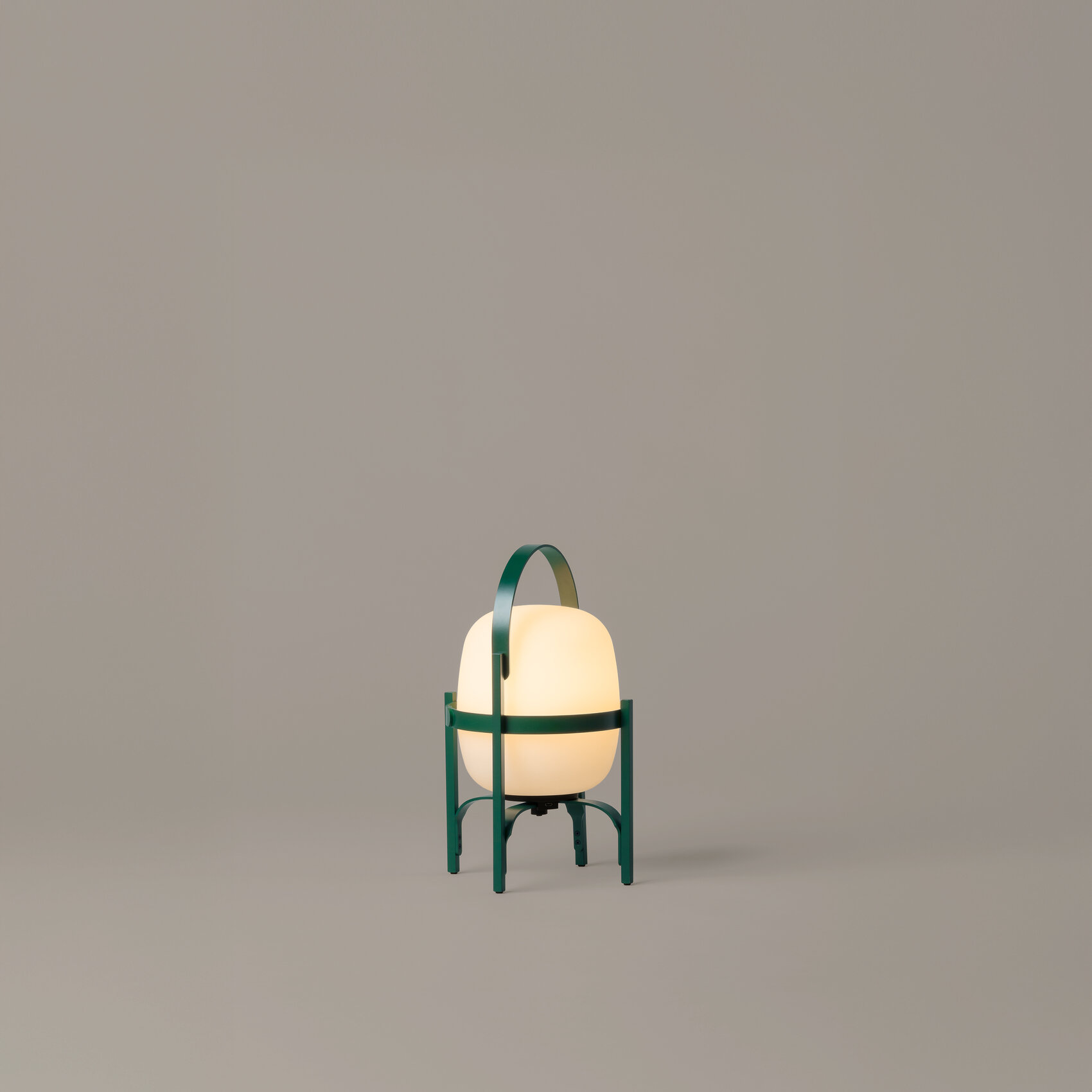
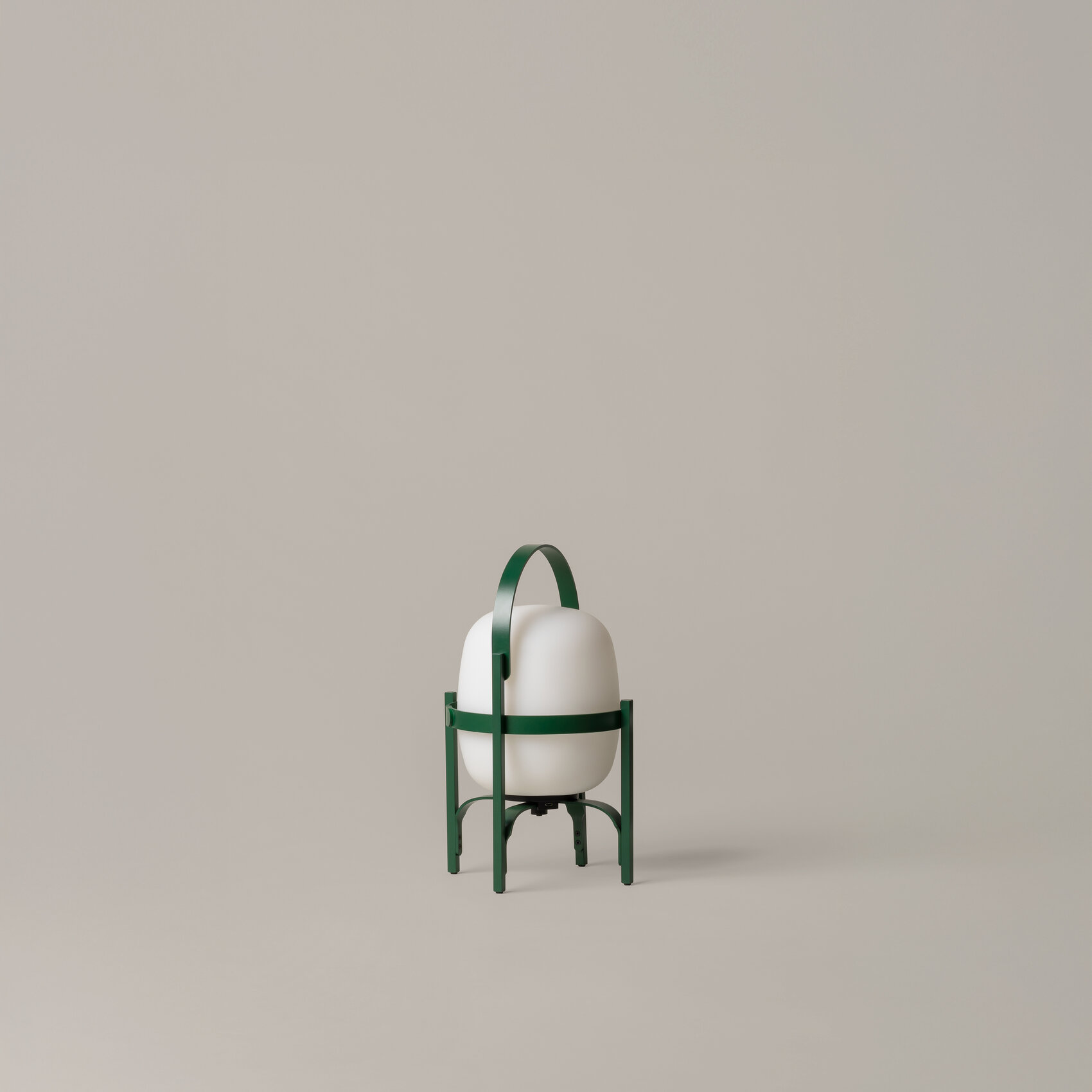
620,66 €
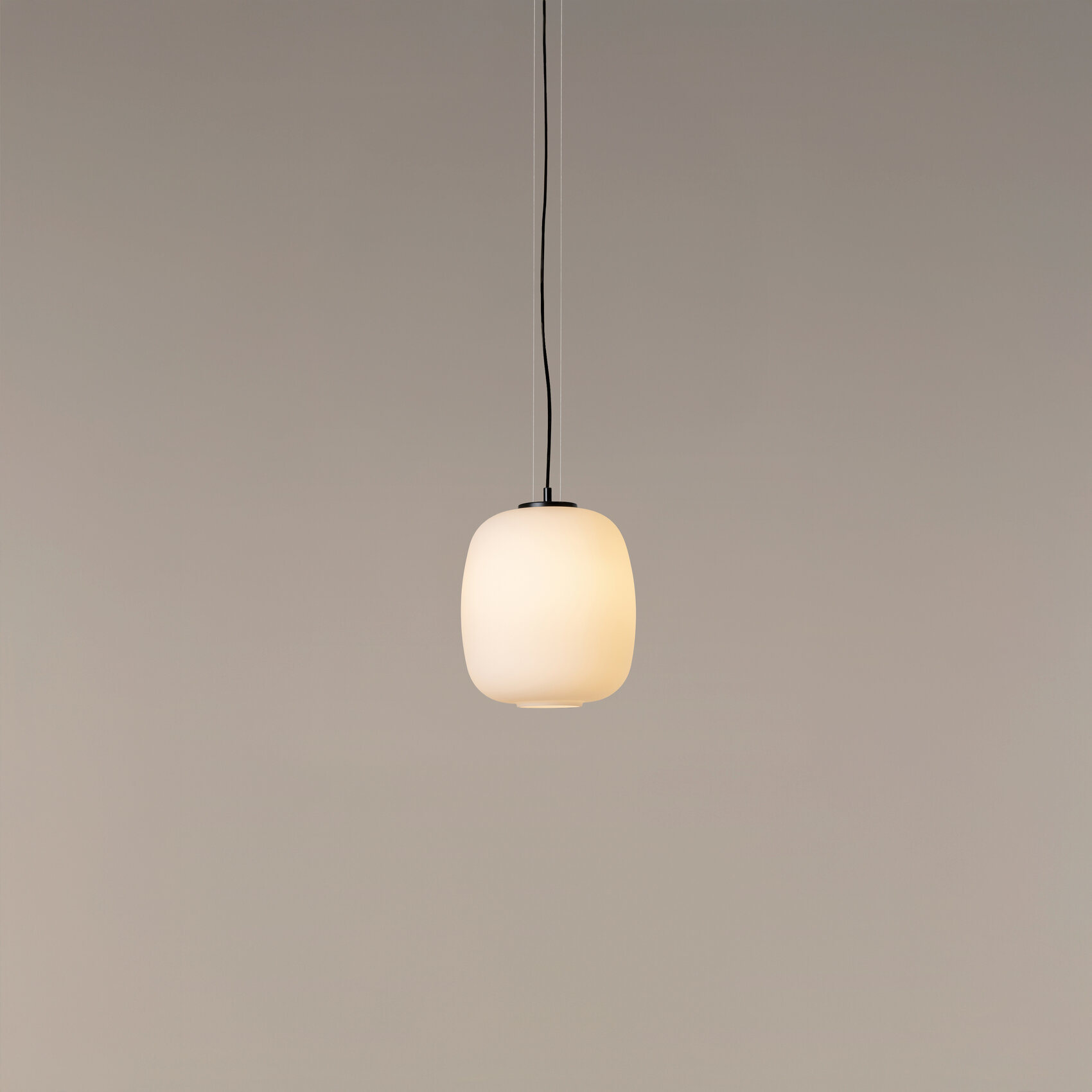
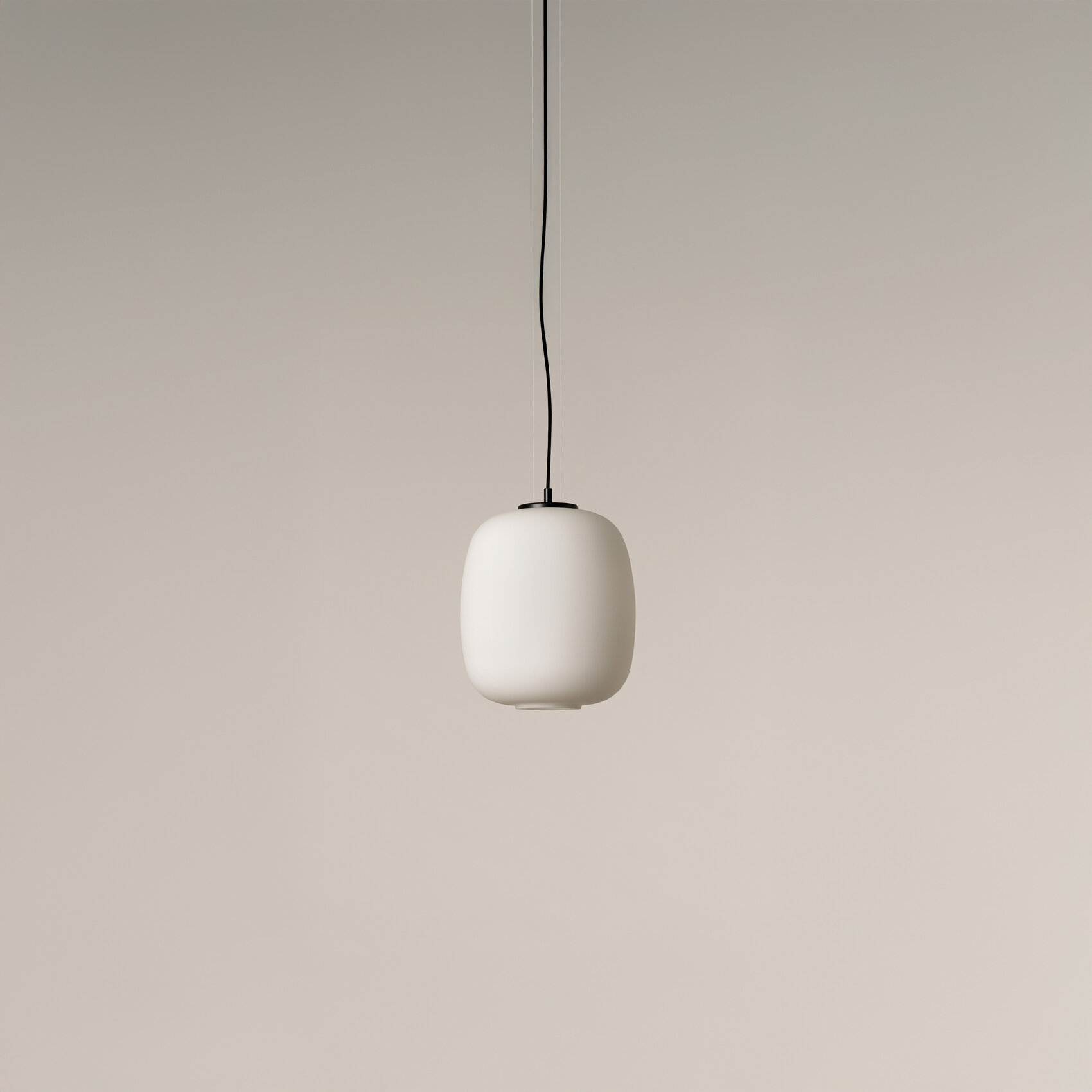
Globo Cesta
Miguel Milá, 1962
500 €
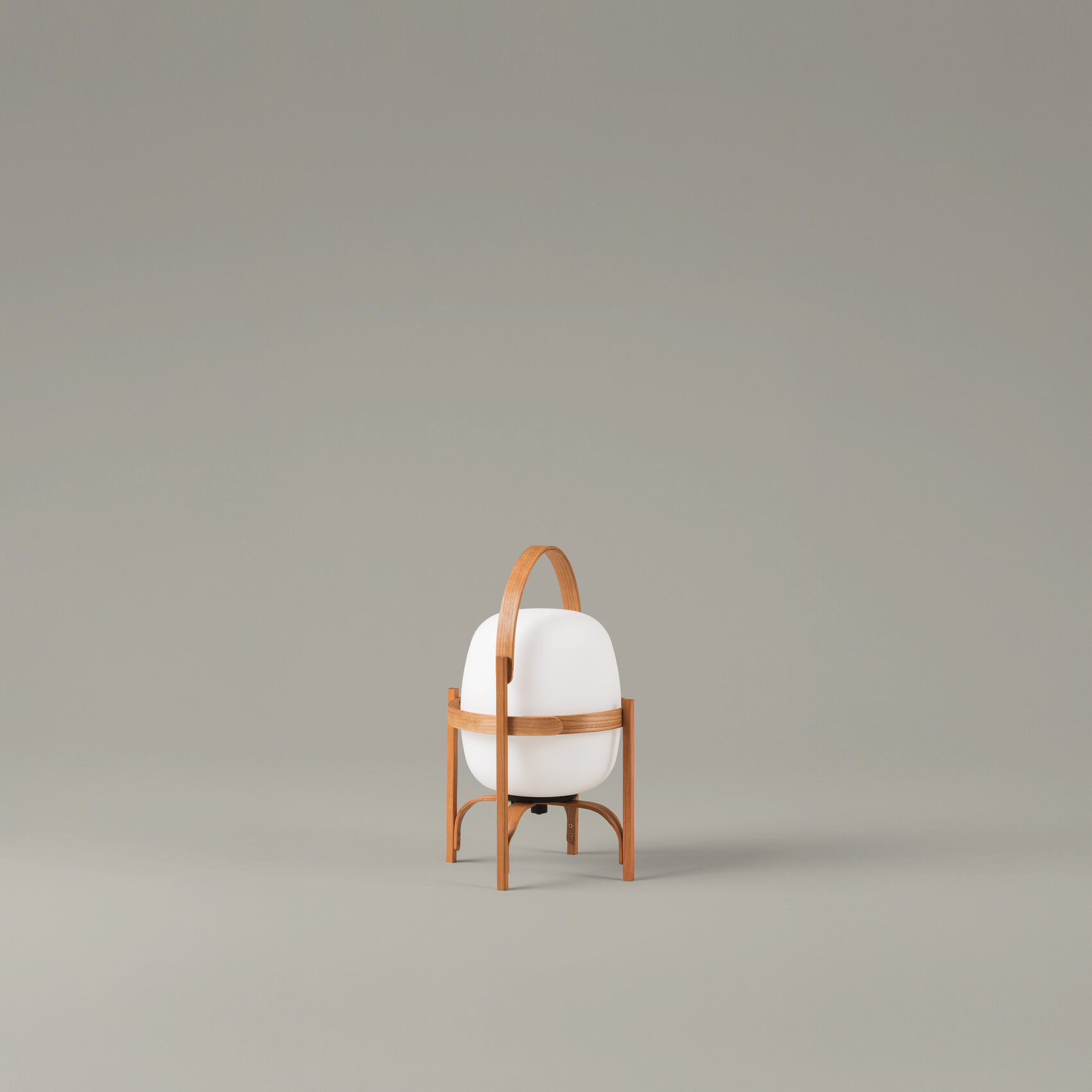
595,04 €
Born into an aristocratic Catalan family with strong ties to the arts—his uncle Pedro Milá y Camps commissioned Gaudí’s Casa Milá, better known as La Pedrera—Miguel Milá began his career as an interior designer in the architecture studio of his brother Alfonso Milá and Federico Correa. It was the late 1950s, a time of economic hardship when industrial design barely existed as a profession in Spain.
Faced with a shortage of materials and products, he started designing his own furniture and lamps for the spaces he was creating. Before long, he was producing them through Tramo, a company he co-founded with architects F. Ribas Barangé and E. Pérez Ullibarri. Almost without realizing it, Miguel had found his calling.
Tramo—short for Trabajos Molestos, or “annoying tasks,” the kind usually given to the youngest sibling—gave birth to early versions of what would later become two timeless design icons: the TMC lamp (1959) and the TMM lamp (1961), both still in production today.
Miguel eventually opened his own design and expanded into interior design. He was also one of the key figures behind the creation of ADI-FAD, the association that helped shape and professionalize design in Spain, connecting it to the growing international scene.
His design philosophy has always been clear: “I’m a pre-industrial designer.” He favored noble materials and processes that allow for hands-on control and experimentation. This approach shaped iconic pieces like the Cesta lamp (1964), the Manila (1961), the M68 (1968), and the Americana series (1963).
Miguel Milá has played a fundamental role in the history of modern design. A master of simplicity, his work has always been about updating tradition with honesty and rigor—qualities that allow many of his creations to remain just as relevant today as when they were first conceived.
see authors of design editions, art editions and book editions