

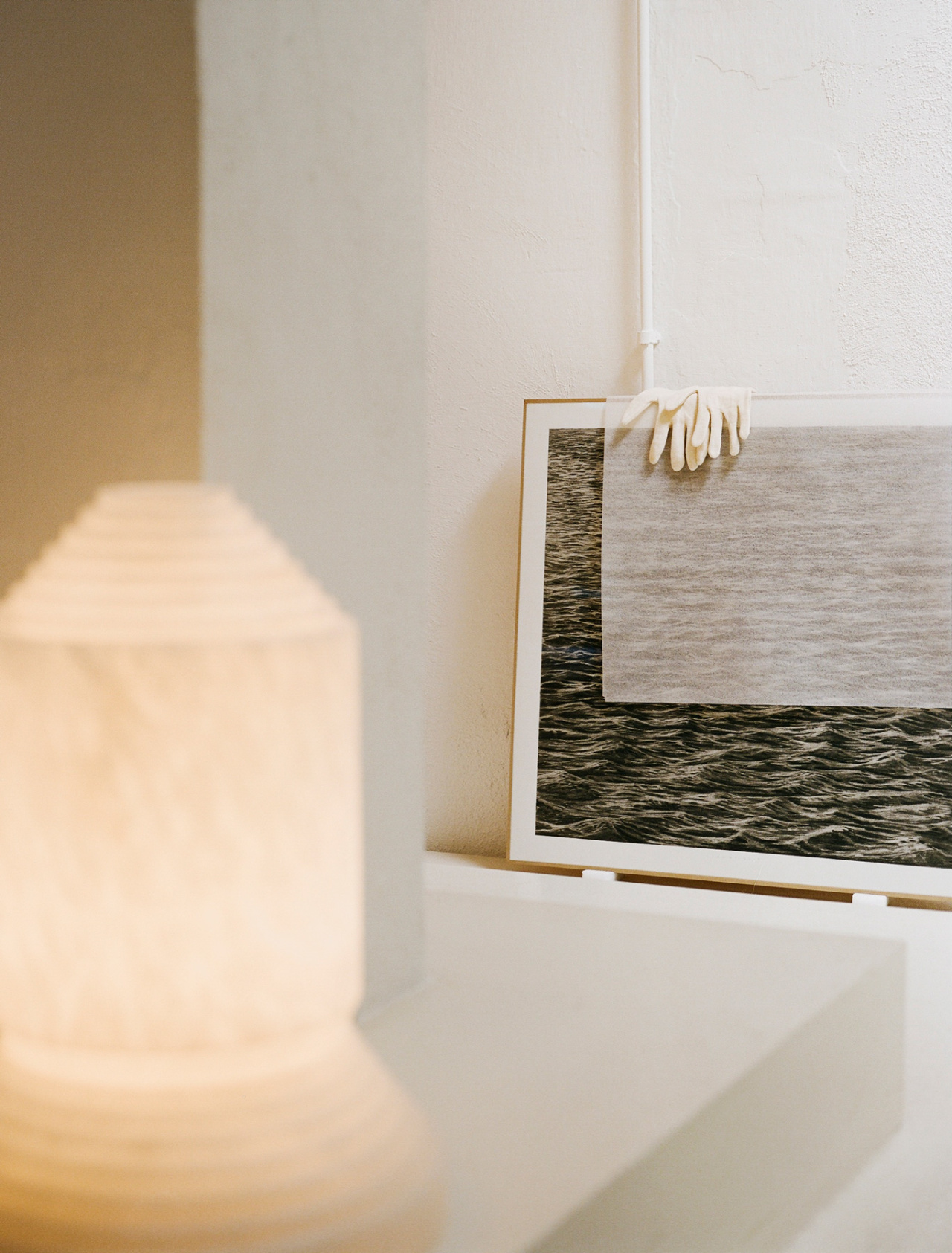
General care instructions
The environment and climate are factors that can affect the durability and appearance of our products. Avoid placing them anywhere with direct exposure to the sun or in spaces where they could suffer from large fluctuations in temperature and humidity.
Try to remove dust with lint-free microfibre cloths, feather dusters or brushes.
Try to use as little water as possible. We do not recommend the use of abrasive cleaners or solvents as they may wear away the finish.
Wood
Wood is a noble and durable material that ages well if it is properly treated. Its nature makes it sensitive to the environment, especially sudden changes in temperature or exposure to the sun.
For cleaning, we recommend using a soft, slightly damp cloth. If required, neutral soap can be used. It is important to always move in the direction of the grain. Remove spilled liquids immediately to avoid stains.
Finishes
Waxed
To maintain or repair this material, colourless wax can be applied once a year. Apply it to the entire surface until a uniform layer is achieved, wait until it gets dry and rub with a clean cloth until the desired shine.
Varnished
Clean regularly with a slightly damp cloth and then wipe with a dry cloth to remove dust.
Cardboard and Washi Paper
Our cardboard and washi paper shades create a warmth that we feel very much at home with. As they are delicate materials, it is important that you treat them in this way, removing dust with a dry cloth. To remove marks, use a white eraser, without pressing.
Fabric
Finishes
Natural: Linen and Cotton
Dust on the fabric can be removed with a soft cloth or brush in less accessible areas. If the material is affected by the appearance of stains, use a dry foam and, if it remains, make circular movements with a damp cloth.
Synthetic: Polyester and Nylon
It is usually enough to dampen a soft cloth with warm water. In some cases it may be necessary to use neutral soap. It is very important not to apply ammonia products, solvents or abrasives to the fabric as this could damage it.
Alabaster
Alabaster is a stone that we recommend cleaning using circular movements with a soft cloth slightly dampened with warm water and neutral soap.
Glass and Ceramics
Avoid grainy cloths that can cause scratches and try to use a cloth with neutral soap or glass cleaner. Once clean, it is important to dry it immediately.
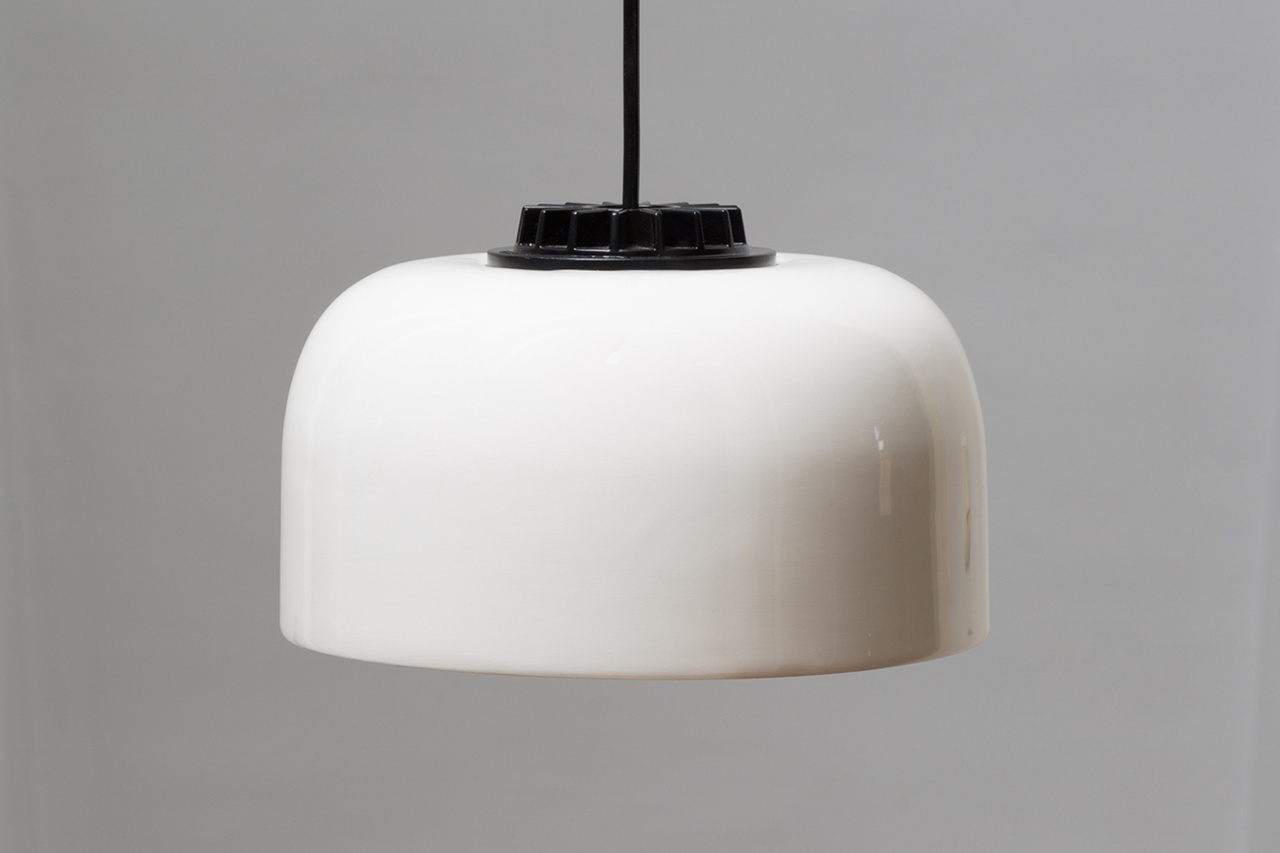
Metal
We recommend dusting with a dry cloth or a feather duster, never granulate as this could cause scratches on the surface. It is also important that the movements are gentle and careful, without rubbing, avoiding possible scratches.
Finishes
Painting
We recommend removing dust regularly and, in case of stains, use cloth with a non-abrasive cleaner or neutral soap.
Polished Aluminium
Clean the surface with a cloth with water and neutral soap. Before use, please check that your soap is compatible with the metal.
Gold, Bronze, Nickel, and Chrome-Plated Metal
For regular dust removal, use a dry cloth. For stains, use a microfibre cloth dampened with neutral soap or non-abrasive glass cleaner, then wipe dry with a cloth.
Anodised Aluminium
This finish ensures resistance to corrosion and abrasion. If stains appear, try to clean with water and, if necessary, add neutral soap.
For deeper knowledge about our designs, you can consult the technical sheets available in our Document Management site. If the products you are searching for do not appear, our team will be glad to assist you directly.
Care, Support, and Continuity
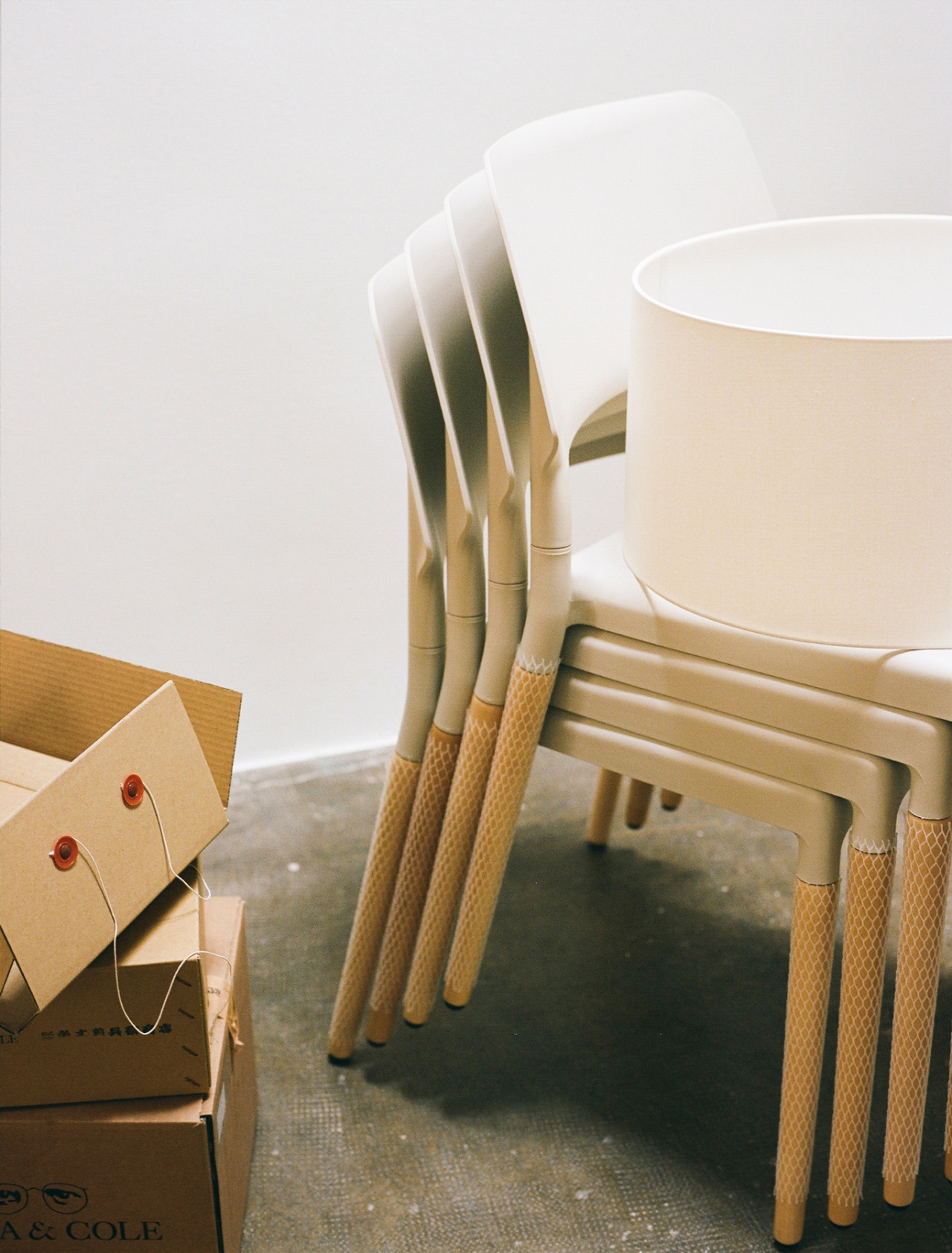
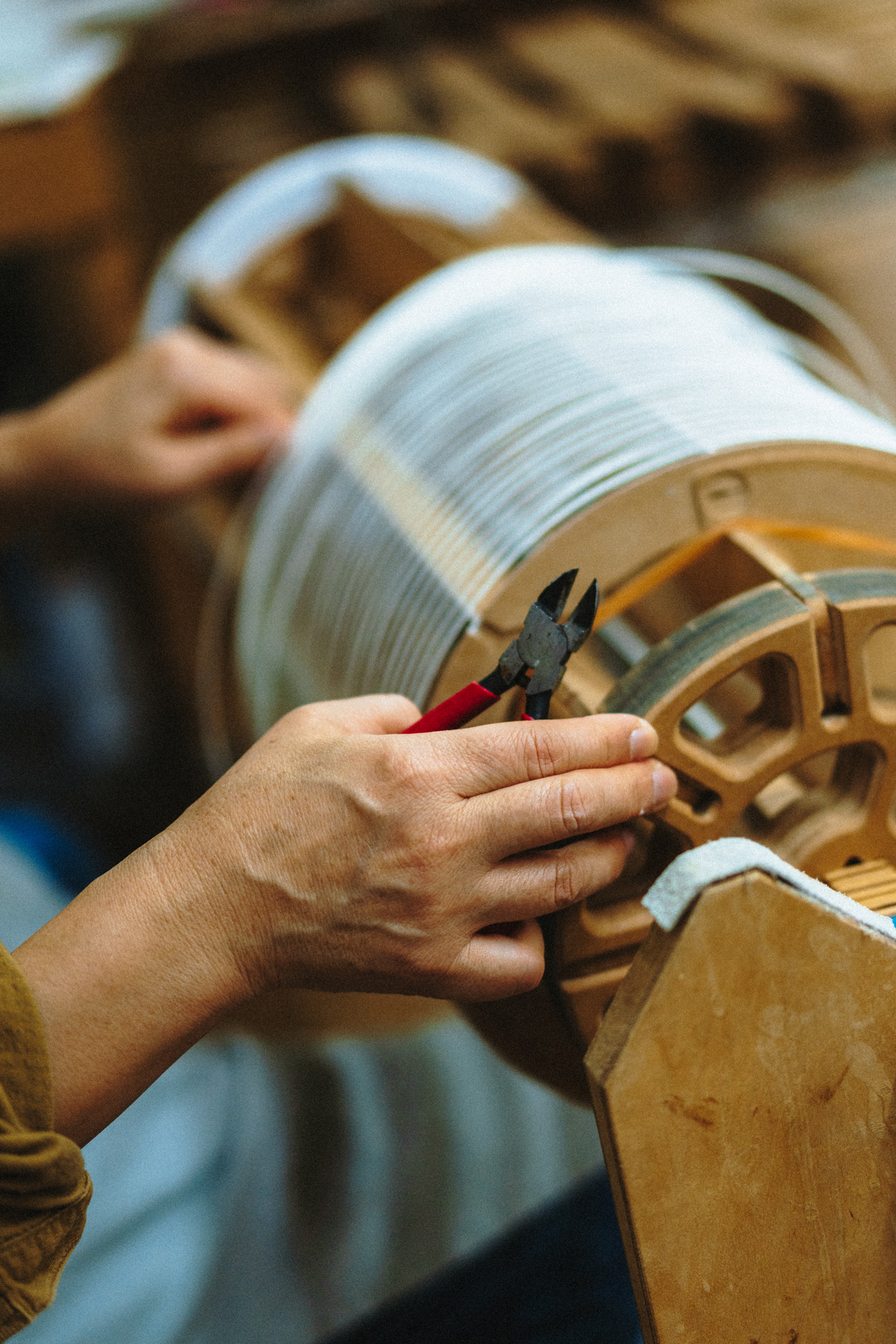
Focus on the Details
Each object is an invitation to pause and pay attention. Responsibility is not only declared—it is revealed in the details: in the materials we select, in the processes that respect the environment, and in the hands that bring each piece to life. Here, we share glimpses of our work, showing how the principles we uphold take shape as tangible realities.